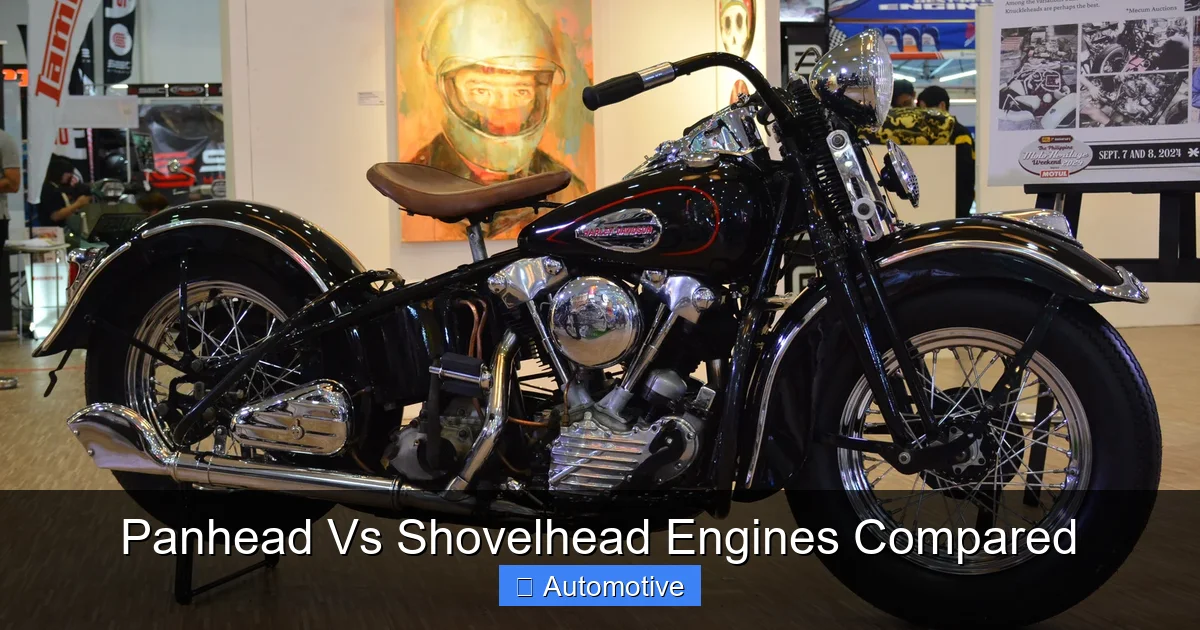
Panhead Vs Shovelhead Engines Compared

Contents
- 1 Key Takeaways
- 2 📑 Table of Contents
- 3 Introduction to Harley-Davidson’s Classic V-Twin Legacy
- 4 Historical Background: The Evolution from Panhead to Shovelhead
- 5 Design and Engineering Differences
- 6 Performance Comparison: Power, Torque, and Rideability
- 7 Reliability, Maintenance, and Common Issues
- 8 Sound, Character, and Riding Feel
- 9 Collectibility, Value, and Restoration Tips
- 10 Conclusion: Honoring Two Legends of the Road
- 11 Frequently Asked Questions



The Panhead and Shovelhead engines are two iconic Harley-Davidson V-twins that shaped motorcycle history. While both deliver classic Harley sound and style, they differ significantly in performance, design, and maintenance needs.
Key Takeaways
- Production Years: Panhead engines were produced from 1948 to 1965, while Shovelhead engines took over from 1966 to 1985.
- Design Evolution: The Shovelhead replaced the Panhead with a taller cylinder design and improved airflow, but retained the same basic overhead valve layout.
- Performance Gains: Shovelheads offered slightly more horsepower and torque, especially in later models, but both engines are known for low-end grunt rather than high-RPM power.
- Reliability & Maintenance: Panheads are praised for smoother operation and better oil circulation, while Shovelheads are simpler to work on but prone to oil leaks and overheating.
- Sound & Character: Panheads have a distinctive, throaty idle; Shovelheads produce a deeper, more aggressive rumble due to increased displacement.
- Collectibility & Value: Original, well-maintained Panheads often command higher prices, while Shovelheads are more common and affordable for restorers.
- Modern Upgrades: Both engines can be upgraded with modern internals, electronic ignition, and improved cooling for better reliability and rideability.
📑 Table of Contents
- Introduction to Harley-Davidson’s Classic V-Twin Legacy
- Historical Background: The Evolution from Panhead to Shovelhead
- Design and Engineering Differences
- Performance Comparison: Power, Torque, and Rideability
- Reliability, Maintenance, and Common Issues
- Sound, Character, and Riding Feel
- Collectibility, Value, and Restoration Tips
- Conclusion: Honoring Two Legends of the Road
Introduction to Harley-Davidson’s Classic V-Twin Legacy
When it comes to American motorcycles, few names carry the weight and heritage of Harley-Davidson. For decades, the company’s big-twin engines have defined the sound, feel, and soul of cruiser riding. Among the most beloved and debated of these powerplants are the Panhead and Shovelhead engines—two generations of air-cooled, overhead-valve V-twins that powered Harley’s FL and FX series bikes through the mid-20th century.
These engines aren’t just mechanical components; they’re cultural icons. Riders who grew up with them remember the rumble, the smell of hot oil, and the pride of wrenching on their own machines. Whether you’re restoring a vintage Harley, considering a classic bike purchase, or just curious about motorcycle history, understanding the differences between the Panhead and Shovelhead engines is essential.
At first glance, they look similar—both feature the classic Harley silhouette with twin cylinders, exposed rocker covers, and a distinctive valve train. But under the surface, they represent different eras of engineering, performance philosophies, and maintenance challenges. This article dives deep into the Panhead vs Shovelhead comparison, breaking down everything from design and performance to reliability, sound, and modern upgrades.
Historical Background: The Evolution from Panhead to Shovelhead
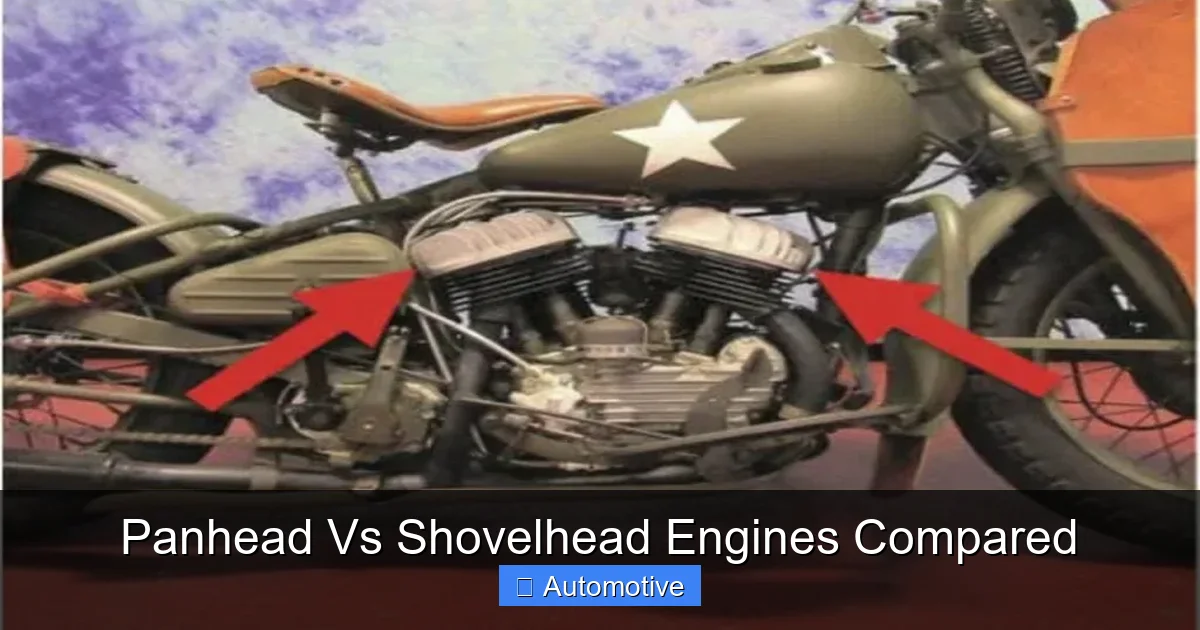
Visual guide about Panhead Vs Shovelhead Engines Compared
Image source: motorbikeinsider.com
To truly appreciate the differences between these two engines, it helps to understand where they came from. The Panhead engine debuted in 1948, replacing the earlier Knucklehead (1936–1947). The name “Panhead” comes from the shape of the rocker covers, which resemble upside-down pans. This design was a major step forward for Harley, introducing aluminum heads (instead of cast iron), internal oil lines, and improved lubrication.
The Panhead quickly became a favorite among riders for its smoother operation and better cooling. It powered legendary models like the Hydra-Glide and the early Electra-Glide, helping Harley solidify its reputation for reliable, long-distance touring bikes. Production continued until 1965, with minor updates along the way, including the introduction of electric start in 1965.
In 1966, Harley introduced the Shovelhead engine to replace the aging Panhead. The name “Shovelhead” refers to the shape of the rocker covers, which look like small shovels. The Shovelhead retained the same 45-degree V-twin layout and overhead valve design but featured taller cylinders and heads, increasing displacement from 68 cubic inches (1,100cc) to 74 cubic inches (1,200cc). This change allowed for better airflow and a slight bump in power.
The Shovelhead powered Harley’s big twins through 1985, when it was replaced by the Evolution (Evo) engine. During its 19-year run, the Shovelhead became the workhorse of the Harley lineup, appearing in models like the Super Glide, Low Rider, and the iconic FXRT. While it never matched the refinement of later engines, it earned a loyal following for its simplicity, tunability, and classic Harley character.
Design and Engineering Differences
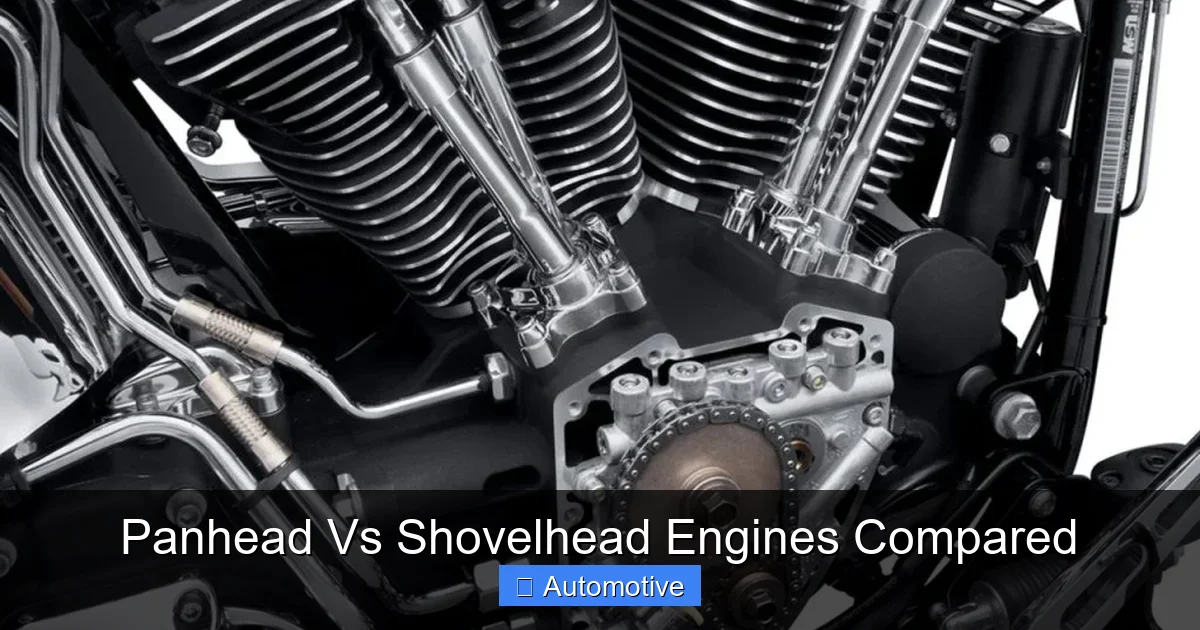
Visual guide about Panhead Vs Shovelhead Engines Compared
Image source: motorbikeinsider.com
External Appearance and Cylinder Design
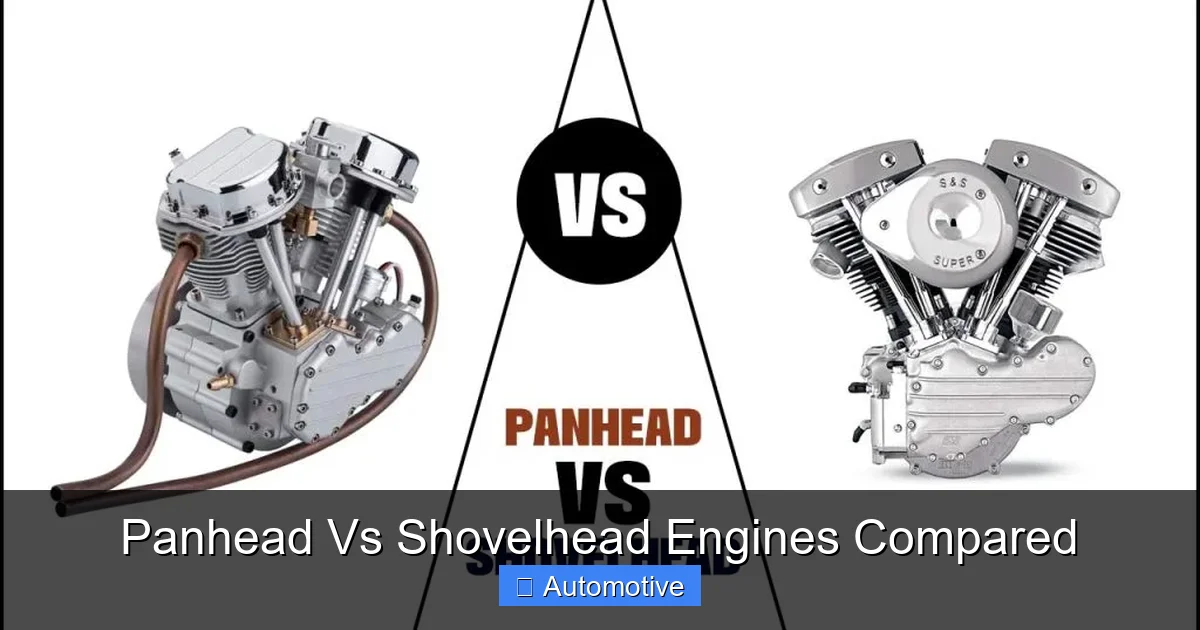
One of the easiest ways to tell a Panhead from a Shovelhead is by looking at the rocker covers. The Panhead’s covers are rounded and slightly domed, resembling old-fashioned cooking pans—hence the name. The Shovelhead’s covers are flatter and more angular, with a distinct “shovel” shape that gives the engine its nickname.
But the differences go deeper than cosmetics. The Shovelhead’s cylinders are taller and narrower, allowing for increased displacement without a major redesign of the crankcase. This change gave the Shovelhead a slight edge in torque, especially in the lower RPM range. The Panhead, by contrast, has a more compact cylinder design that contributes to its smoother, more balanced feel.
Internal Components and Valve Train
Both engines use a single camshaft located in the crankcase, operating pushrods that activate overhead valves. However, the valve train geometry differs slightly. The Panhead uses a more refined rocker arm design with better oil flow, which helps reduce wear and noise. The Shovelhead simplifies some of these components, making it easier to service but potentially less refined.
Another key difference is in the timing. The Panhead uses a gear-driven cam, while the Shovelhead switches to a chain-driven cam in later models. This change reduces maintenance but can introduce more noise and wear over time if not properly tensioned.
Lubrication and Oil System
Oil circulation is where the Panhead really shines. It features a full-pressure oil system with better routing to critical components like the rocker arms and valve springs. This results in cooler running temperatures and less internal wear. The Shovelhead, while still using a wet-sump oil system, has a more basic oiling design. Many Shovelheads are prone to oil leaks, especially around the base gaskets and pushrod tubes.
For riders who plan to tour or ride long distances, the Panhead’s superior lubrication can be a significant advantage. Shovelhead owners often upgrade to high-volume oil pumps and improved gaskets to mitigate these issues.
Ignition and Electrical Systems
Early Panheads used a points-based ignition system, which requires regular adjustment and replacement. Later models introduced the “Auto-Valve” system, which improved reliability. Shovelheads also started with points but later adopted electronic ignition in the late 1970s—especially on police and touring models.
Upgrading either engine to a modern electronic ignition (like a Dyna or Ultima system) is a popular and worthwhile modification. It improves starting, reduces maintenance, and enhances overall reliability.
Performance Comparison: Power, Torque, and Rideability
Visual guide about Panhead Vs Shovelhead Engines Compared
Image source: motorbikeinsider.com
Horsepower and Torque Output
On paper, the Shovelhead has a clear advantage in displacement—74 cubic inches versus the Panhead’s 68. This translates to more torque, especially in the mid-range. Factory-rated horsepower for the Panhead hovers around 50–55 HP, while the Shovelhead delivers 60–65 HP, depending on the year and tuning.
But numbers only tell part of the story. The Panhead’s lower displacement and smoother power delivery make it feel more refined and easier to control, especially for newer riders. The Shovelhead’s extra grunt gives it a more aggressive feel, which many riders love—but it can also make the bike feel heavier and less nimble.
Throttle Response and Vibration
Both engines have a distinct loping idle and noticeable vibration—hallmarks of the Harley V-twin experience. However, the Panhead tends to run smoother at low speeds, with less harshness in the vibration. The Shovelhead, with its taller cylinders and higher compression, can feel rougher at idle, especially when cold.
Throttle response is another area where the Panhead has an edge. Its lighter rotating mass and better-balanced internals allow for quicker revving and more predictable power delivery. The Shovelhead, while torquier, can feel sluggish when asked to rev quickly—something to keep in mind if you enjoy spirited riding or highway passing.
Real-World Riding Experience
Imagine cruising down a country road on a sunny afternoon. On a Panhead-equipped Electra-Glide, the engine purrs beneath you, delivering steady power with minimal fuss. The bike feels balanced, the vibration is present but not overwhelming, and the engine stays cool even on long rides.
Now picture the same ride on a Shovelhead-powered Low Rider. The engine growls a little louder, the torque pulls harder from a stop, and the bike feels more planted. But you might notice a bit more heat radiating from the cylinders, and the oil pressure gauge might dip slightly at idle.
Neither engine is built for high-speed performance or track use. Both are designed for relaxed cruising, weekend rides, and the occasional long-distance tour. But the Panhead leans more toward comfort and refinement, while the Shovelhead embraces raw, unrefined power.
Reliability, Maintenance, and Common Issues
Oil Leaks and Gasket Failures
One of the most common complaints about the Shovelhead is oil leaks. The engine’s design, particularly the pushrod tubes and base gaskets, is prone to seepage over time. This isn’t necessarily a sign of catastrophic failure, but it can be messy and annoying. Regular maintenance and upgraded gaskets (like Cometic or S&S) can help.
The Panhead, by contrast, is generally tighter and less leak-prone—thanks in part to its superior oil system. That said, older Panheads can develop leaks around the rocker boxes if the gaskets dry out or the bolts loosen.
Overheating and Cooling
Air-cooled engines rely on airflow and oil circulation to stay cool. The Panhead’s better oiling system gives it an edge in thermal management. The Shovelhead, especially in stock form, can run hot—particularly in stop-and-go traffic or hot climates.
Many Shovelhead owners install oil coolers, high-flow oil pumps, or even aftermarket fans to combat overheating. Some also upgrade to aluminum cylinders or improved fin designs for better heat dissipation.
Valve Train Wear and Noise
Both engines can develop valve train noise over time, but the Shovelhead is more prone to ticking or clattering—especially if the pushrods are worn or the lifters are failing. Regular valve adjustments and using high-quality lifters (like S&S or Andrews) can keep noise under control.
The Panhead’s quieter operation is one reason it’s often preferred by riders who value a smoother, more refined experience.
Ease of Maintenance and Parts Availability
Here’s where the Shovelhead has a clear advantage: parts are more abundant and often cheaper. Because it was produced for nearly two decades and used in a wide range of models, Shovelhead components are easier to find—both OEM and aftermarket.
Panhead parts, especially for early models, can be harder to source and more expensive. That said, the aftermarket support for both engines is strong, with companies like S&S, Kibblewhite, and J&P Cycles offering everything from gaskets to full rebuild kits.
For DIY mechanics, the Shovelhead is generally easier to work on. Its simpler design and more accessible components make valve adjustments, cam swaps, and top-end rebuilds more straightforward. The Panhead, while reliable, requires more precision and care during disassembly.
Sound, Character, and Riding Feel
The Panhead’s Throaty Purr
There’s something magical about the sound of a Panhead at idle. It’s a deep, rhythmic thump—smooth and musical, with a hint of mechanical harmony. The engine doesn’t shout; it speaks with confidence. This character comes from its balanced design, lower compression, and refined valve train.
Riders often describe the Panhead as “smooth” or “buttery,” even when pushing the engine. It’s the kind of bike that makes you want to roll the throttle gently and enjoy the ride.
The Shovelhead’s Aggressive Roar
The Shovelhead, by contrast, has a more aggressive personality. Its deeper displacement and taller cylinders produce a louder, more guttural exhaust note. At idle, it lopes with a sense of power waiting to be unleashed. Open the throttle, and the engine barks with authority.
This raw, unrefined sound is part of the Shovelhead’s charm. It’s not for everyone—some find it too loud or harsh—but for riders who love that classic Harley rumble, it’s pure gold.
Vibration and Rider Comfort
Both engines vibrate—there’s no way around it. But the Panhead’s lower vibration levels make it more comfortable for long rides. The Shovelhead’s higher mass and stiffer mounting can transmit more buzz to the handlebars and footpegs.
Many Shovelhead owners install rubber-mounted handlebars, gel seats, or aftermarket isolators to improve comfort. Some even swap to a Panhead-style engine for a smoother ride.
Collectibility, Value, and Restoration Tips
Market Value and Rarity
Original, numbers-matching Panheads—especially early models or rare variants like the 1948 Panhead—can fetch premium prices. A well-restored Panhead Electra-Glide might sell for $25,000 to $40,000, depending on condition and originality.
Shovelheads are more common and generally more affordable. A clean, running Shovelhead bike might cost $10,000 to $20,000, making it a great entry point for classic Harley enthusiasts.
Restoration Considerations
Restoring either engine requires patience, skill, and a good parts source. For Panheads, focus on preserving originality—original paint, correct decals, and period-correct parts add significant value. For Shovelheads, performance upgrades are often acceptable and even expected.
Common upgrades for both engines include:
– Electronic ignition
– High-performance camshafts (like S&S 510 or Andrews 27)
– Upgraded carburetors (S&S Super E or CV44)
– Improved oil pumps and coolers
– Modern bearings and seals
Always use high-quality gaskets and torque specs during reassembly. And don’t forget to break in the engine properly—especially after a top-end rebuild.
Which One Should You Choose?
If you value smoothness, refinement, and collectibility, the Panhead is hard to beat. It’s a true classic, with a timeless design and a loyal following.
If you want more power, easier maintenance, and a more aggressive character, the Shovelhead might be the better fit. It’s also a great platform for customization and performance upgrades.
Ultimately, both engines represent a golden era of Harley-Davidson engineering. Whether you choose a Panhead or a Shovelhead, you’re not just buying a motorcycle—you’re joining a legacy.
Conclusion: Honoring Two Legends of the Road
The Panhead and Shovelhead engines are more than just mechanical components—they’re symbols of freedom, craftsmanship, and the enduring spirit of Harley-Davidson. Each has its strengths, its quirks, and its devoted fans.
The Panhead stands as a refined, reliable workhorse from a transformative era in motorcycle history. Its smooth operation, classic looks, and historical significance make it a prized possession for collectors and riders alike.
The Shovelhead, with its raw power and rugged simplicity, carried the torch into the 1970s and 80s, bridging the gap between vintage charm and modern performance. It’s the engine of choice for riders who want a little more grunt and a lot more attitude.
Whether you’re restoring a vintage FL, building a custom chopper, or just dreaming of the open road, understanding the differences between these two engines will help you make the right choice. Both are worthy of respect—and both will give you miles of unforgettable rides.
So fire up that Panhead or Shovelhead, roll on the throttle, and let the rumble remind you why these engines will never go out of style.
Frequently Asked Questions
What years were Panhead and Shovelhead engines produced?
The Panhead engine was produced from 1948 to 1965, while the Shovelhead replaced it and was manufactured from 1966 to 1985. Both engines powered Harley-Davidson’s big-twin models during their respective eras.
Which engine is more reliable: Panhead or Shovelhead?
The Panhead is generally considered more reliable due to its superior oil system and smoother operation. The Shovelhead is simpler to work on but prone to oil leaks and overheating if not properly maintained.
Can you upgrade a Shovelhead or Panhead engine?
Yes, both engines can be upgraded with modern components like electronic ignition, high-performance cams, improved oil pumps, and better carburetors. These upgrades enhance reliability, performance, and rideability.
Which engine has more horsepower?
The Shovelhead has more horsepower due to its larger 74 cubic inch displacement, producing around 60–65 HP compared to the Panhead’s 50–55 HP. However, the Panhead delivers smoother, more refined power.
Are parts easy to find for Panhead and Shovelhead engines?
Shovelhead parts are more common and affordable due to longer production and wider use. Panhead parts can be harder to find and more expensive, especially for early models.
Which engine sounds better: Panhead or Shovelhead?
Sound is subjective, but the Panhead has a smoother, throatier purr, while the Shovelhead produces a deeper, more aggressive rumble. Many riders prefer the Shovelhead’s raw, classic Harley roar.