New Battery but Car Won’t Turn Over

Even with a brand-new battery, your car might still refuse to start due to hidden issues like loose connections, faulty starters, or parasitic drains. This guide walks you through the most common culprits and how to fix them—so you can get back on the road without unnecessary stress or costly repairs.
This is a comprehensive guide about new battery but car won’t turn over.
In This Article
- 1 Key Takeaways
- 2 Why Your Car Won’t Start Even with a New Battery
- 3 Common Causes When a New Battery Fails to Start the Car
- 4 How to Diagnose the Problem Step by Step
- 5 When to Call a Professional Mechanic
- 6 Preventing Future Starting Problems
- 7 Conclusion
- 8 Frequently Asked Questions
- 8.1 Can a new battery be defective right out of the box?
- 8.2 Why does my car click but not start with a new battery?
- 8.3 How long should a new car battery last?
- 8.4 Can a bad alternator prevent a car from starting?
- 8.5 Should I replace the battery myself or go to a shop?
- 8.6 What’s the difference between a dead battery and a no-crank issue?
Key Takeaways
- Corroded or loose battery terminals can prevent power from reaching the starter, even with a new battery.
- A failing starter motor may not engage despite receiving full voltage from a fresh battery.
- Bad ground connections disrupt the electrical circuit, stopping the engine from cranking.
- Parasitic battery drain can sap a new battery overnight if an accessory or module stays active.
- Faulty ignition switch or security system may block the starter signal, mimicking a dead battery.
- Extreme temperatures can reduce battery performance, especially in cold weather.
- Incorrect battery installation—like reversed cables—can damage electronics or prevent starting.
[FEATURED_IMAGE_PLACEHOLDER]
Why Your Car Won’t Start Even with a New Battery
You’ve just dropped over $100 on a shiny new car battery, popped the hood, swapped it out, and… nothing. The key turns, but the engine doesn’t crank. No click, no groan—just silence. Or maybe it clicks once and dies. Frustrating? Absolutely. But before you assume the battery is defective or blame bad luck, know this: a new battery doesn’t guarantee a running car.
Many drivers mistakenly believe that replacing a dead battery solves all starting problems. In reality, the battery is just one piece of a complex electrical puzzle. If other components in your vehicle’s starting system are faulty, even the freshest, fully charged battery won’t help. Think of it like replacing a lightbulb in a lamp that has a broken switch—the bulb might be perfect, but the lamp still won’t turn on.
This article will walk you through the most common reasons why your car won’t turn over despite having a new battery. We’ll cover everything from simple fixes you can do at home—like checking cable connections—to more complex issues that may require professional help, such as a failing starter or alternator problems. By the end, you’ll have a clear action plan to diagnose and resolve the issue, saving time, money, and a whole lot of frustration.
Common Causes When a New Battery Fails to Start the Car
So, what’s really going on under the hood? Let’s break down the top reasons your car refuses to start, even with a brand-new battery installed.
Loose or Corroded Battery Terminals
One of the most overlooked yet frequent causes is poor contact at the battery terminals. Over time, corrosion builds up as a white, green, or blue powdery substance around the clamps. This buildup acts like insulation, blocking the flow of electricity from the battery to the starter.
Even if you cleaned the terminals before installing the new battery, they might not be tightened properly. A loose connection means inconsistent power delivery. You might hear a single loud click when turning the key—that’s often the solenoid trying to engage but failing due to insufficient current.
Quick fix: Disconnect the cables (negative first, then positive), scrub the terminals and cable ends with a wire brush or baking soda solution, rinse with water, dry thoroughly, and reconnect tightly—positive first, then negative.
Faulty Starter Motor
The starter motor is responsible for physically turning the engine over when you turn the key. If it’s worn out or damaged, it won’t respond—even with full battery power. Symptoms include a single click, repeated clicking, or no sound at all.
Starters can fail due to worn brushes, a bad solenoid, or internal electrical faults. Sometimes, tapping the starter gently with a hammer (while the car is off and in park) can temporarily jolt it back to life—this is a temporary fix, not a solution.
Pro tip: If your car starts after jump-starting but won’t start again later, the starter might be drawing too much current or failing to disengage.
Bad Ground Connection
Your car’s electrical system relies on a solid ground connection—usually a thick cable from the negative battery terminal to the engine block or chassis. If this cable is corroded, loose, or broken, the circuit is incomplete, and the starter won’t receive enough power.
You might notice dim lights, flickering dash indicators, or intermittent electrical issues along with the no-start problem. A bad ground can also cause the battery to appear charged when tested, but it can’t deliver the burst of power needed to crank the engine.
Check this: Inspect the ground cable for rust, fraying, or looseness. Clean the connection points and tighten securely.
Parasitic Battery Drain
A parasitic drain occurs when something in your car continues to draw power even when the engine is off. This can slowly deplete a new battery within hours or days. Common culprits include faulty relays, aftermarket alarms, interior lights that won’t turn off, or malfunctioning infotainment systems.
If your new battery dies overnight, a parasitic drain is likely the cause. Modern cars have dozens of control modules that stay partially active, but if one gets stuck “on,” it can drain the battery.
How to test: Use a multimeter to measure current draw with the car off and all accessories shut down. A normal draw is under 50 milliamps. Anything higher suggests a drain.
Faulty Ignition Switch
The ignition switch sends the signal from your key to the starter and other systems. If it’s worn or damaged, it may not complete the circuit, even if the battery is fully charged. You might turn the key and see dashboard lights come on, but no crank.
This is especially common in older vehicles or those with high mileage. The switch can wear internally, failing to make proper contact in the “start” position.
Signs to watch: Intermittent starting, keys feeling loose in the ignition, or electrical components acting erratically.
Security System or Immobilizer Issues
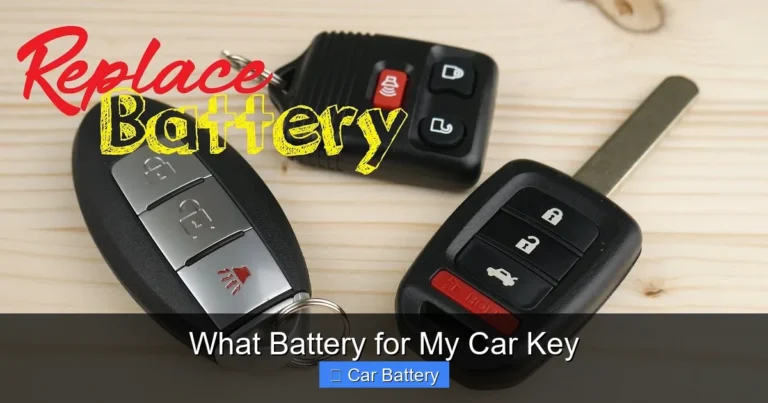
Many modern cars have anti-theft systems that prevent the engine from starting unless the correct key is used. If the system doesn’t recognize your key—due to a dead key fob battery, damaged transponder chip, or system malfunction—it will block the starter.
You might see a flashing security light on the dashboard or hear the fuel pump prime but no crank. Some vehicles will allow the engine to turn over briefly before shutting down if the immobilizer detects an issue.
Solution: Try using a spare key. If that works, the original key’s chip or battery may need replacement. In some cases, a professional scan tool is needed to reset the system.
How to Diagnose the Problem Step by Step
Now that you know the possible causes, let’s walk through a practical diagnostic process. You don’t need to be a mechanic—just follow these steps carefully and safely.
Step 1: Check the Battery Voltage
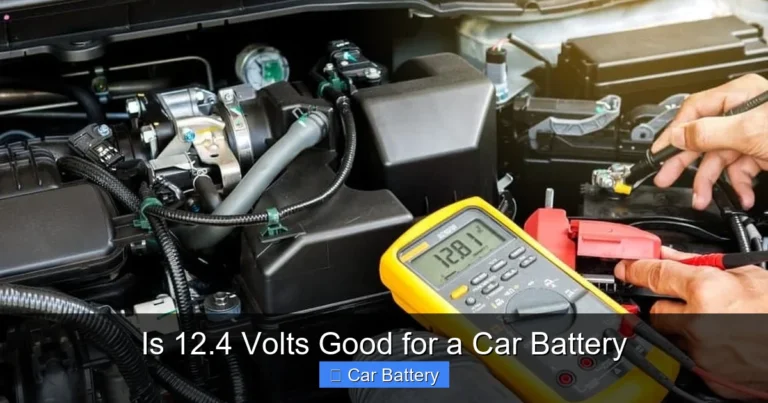
Even new batteries can be defective or discharged during shipping. Use a multimeter to check the voltage at the terminals. A fully charged battery should read 12.6 volts or higher with the engine off. If it’s below 12.4 volts, it may need charging.
Note: Some auto parts stores offer free battery testing—take advantage of this if you don’t have a multimeter.
Step 2: Inspect Battery Connections
Look for corrosion, loose clamps, or damaged cables. Wiggle the cables gently—if they move easily, they’re not tight enough. Clean and tighten as described earlier.
Step 3: Test the Starter Signal
Have a helper turn the key to the “start” position while you listen near the starter (usually mounted on the engine block). You should hear a loud click. If you don’t, the issue could be the ignition switch, neutral safety switch, or starter relay.
Safety first: Make sure the car is in park or neutral, and the parking brake is on.
Step 4: Check the Ground Cable
Trace the thick black cable from the negative terminal to where it connects to the engine or chassis. Ensure it’s clean, tight, and free of rust or breaks.
Step 5: Look for Parasitic Drain
This requires a multimeter set to measure current (amps). Disconnect the negative cable, place the meter in series between the cable and terminal, and observe the reading. If it’s above 50 mA, start pulling fuses one by one to isolate the circuit causing the drain.
Step 6: Try a Jump Start
Sometimes, a new battery may not deliver full cranking power due to internal resistance or a manufacturing defect. Jump-starting can provide the extra boost needed. If the car starts with a jump but won’t restart later, suspect a charging system issue (like a bad alternator) or parasitic drain.
When to Call a Professional Mechanic
While many of these issues can be tackled at home, some problems require specialized tools or expertise. Here’s when it’s time to visit a trusted mechanic:
- You’ve checked everything and still no crank: If the battery, connections, and starter signal all seem fine, the issue may be internal to the starter or engine.
- You suspect an electrical fault: Modern cars have complex wiring and control modules. A professional scan tool can read error codes and pinpoint issues.
- The car starts but dies immediately: This often points to fuel, ignition, or immobilizer problems—beyond basic battery troubleshooting.
- You’re uncomfortable working with electrical systems: Car batteries can deliver dangerous shocks or sparks. If you’re unsure, don’t risk it.
- Repeated battery failures: If new batteries keep dying quickly, there’s likely an underlying issue like a bad alternator or chronic parasitic drain.
A good mechanic can perform a load test on the battery, check the alternator output, and run diagnostics on the starting and charging systems. They can also verify if the battery was installed correctly and matches your vehicle’s specifications.
Preventing Future Starting Problems
Once you’ve resolved the issue, take steps to avoid a repeat performance.
Maintain Clean Battery Terminals
Check terminals every few months, especially in humid or salty climates. Apply a thin layer of dielectric grease to prevent corrosion.
Use a Battery Maintainer
If you don’t drive often, a trickle charger or smart maintainer can keep the battery topped up without overcharging.
Address Warning Signs Early
Slow cranking, dim lights, or electrical glitches are early signs of battery or charging system trouble. Don’t wait for a no-start situation.
Keep Spare Fuses and Tools Handy
A basic toolkit with a multimeter, wrench set, and spare fuses can save you in a pinch.
Know Your Car’s Electrical System
Read your owner’s manual to understand how the battery, alternator, and starter work together. This knowledge helps you diagnose problems faster.
Conclusion
A new battery but car won’t turn over is more common than you think—and rarely means the battery itself is faulty. From loose terminals to hidden electrical drains, many factors can prevent your engine from cranking, even with full power available. The key is systematic troubleshooting: start simple, check connections, test components, and don’t ignore warning signs.
By understanding how your car’s starting system works and knowing what to look for, you can often resolve the issue yourself. And when you do need help, you’ll be able to communicate the problem clearly to a mechanic, saving time and money.
Remember: a healthy car starts with a healthy electrical system. Keep your battery clean, your connections tight, and your eyes open for early symptoms. With a little know-how and regular maintenance, you’ll spend less time stranded and more time on the road.
Frequently Asked Questions
Can a new battery be defective right out of the box?
Yes, it’s rare but possible. New batteries can be damaged during shipping or storage, or have manufacturing flaws. Always test voltage before installation and check the warranty—most offer free replacement within the first year.
Why does my car click but not start with a new battery?
A single loud click usually means the starter solenoid is receiving power but the motor isn’t engaging. This could be due to a faulty starter, bad ground, or insufficient voltage. Try cleaning connections and testing the starter.
How long should a new car battery last?
Most car batteries last 3 to 5 years, depending on climate, driving habits, and vehicle type. Extreme heat or cold can shorten lifespan. Regular maintenance helps extend it.
Can a bad alternator prevent a car from starting?
Not directly—but if the alternator isn’t charging the battery while driving, the battery will eventually die. A new battery may start the car once, but if the alternator is bad, it won’t hold a charge and will leave you stranded again.
Should I replace the battery myself or go to a shop?
If you’re comfortable with basic tools and safety precautions, replacing a battery at home is easy and saves labor costs. However, some vehicles require battery registration via a scan tool—check your owner’s manual first.
What’s the difference between a dead battery and a no-crank issue?
A dead battery typically shows no power—lights don’t work, nothing happens when you turn the key. A no-crank issue with a new battery means power is present (lights work), but the engine won’t turn over, pointing to starter, ground, or signal problems.