New Battery and Alternator Car Won’t Start
Installing a new battery and alternator should solve most starting problems—but if your car still won’t start, something else is going on. This guide walks you through the hidden culprits, from faulty wiring to bad grounds, and gives you practical steps to get your vehicle running again.
You’ve just dropped a few hundred dollars on a brand-new battery and alternator. You’re feeling confident—your car’s electrical system should be in top shape. But when you turn the key, nothing happens. Or maybe it cranks slowly, or makes a clicking sound, or just refuses to fire up. Sound familiar?
It’s one of the most frustrating experiences for any car owner. You did everything “right.” You replaced the two most common culprits behind a no-start condition. Yet your car still won’t start. What gives?
The truth is, even with a new battery and alternator, your car can still refuse to start. Electrical systems in modern vehicles are complex, and a no-start condition can stem from a variety of hidden issues. It’s not always about the big-ticket parts. Sometimes, it’s the small things—like a loose wire, a bad ground, or a worn-out relay—that throw the whole system off.
In this guide, we’ll walk you through the most common reasons why your car won’t start—even after installing a new battery and alternator. We’ll break down each potential cause, explain how to diagnose it, and give you practical tips to fix it. Whether you’re a DIY enthusiast or just trying to understand what your mechanic is talking about, this article will help you get your car back on the road.
In This Article
- 1 Key Takeaways
- 2 📑 Table of Contents
- 3 Why Your Car Won’t Start After Installing a New Battery and Alternator
- 4 Ignition System and Electrical Components
- 5 Fuel System Issues That Mimic Electrical Problems
- 6 Wiring and Electrical System Problems
- 7 Other Possible Causes
- 8 How to Diagnose the Problem Step by Step
- 9 When to Call a Professional
- 10 Conclusion
- 11 Frequently Asked Questions
Key Takeaways
- Corroded or loose connections can prevent power from reaching the starter, even with a new battery and alternator.
- A faulty starter motor is a common reason a car won’t start despite having fresh components.
- Bad ground connections disrupt the electrical circuit and mimic battery or alternator failure.
- Ignition switch issues may stop the engine from cranking, even when power is available.
- Blown fuses or relays can cut off critical systems needed for starting.
- Fuel delivery problems can be mistaken for electrical issues if the engine cranks but doesn’t fire.
- Always test before replacing parts—diagnosing the real cause saves time and money.
📑 Table of Contents
- Why Your Car Won’t Start After Installing a New Battery and Alternator
- Ignition System and Electrical Components
- Fuel System Issues That Mimic Electrical Problems
- Wiring and Electrical System Problems
- Other Possible Causes
- How to Diagnose the Problem Step by Step
- When to Call a Professional
- Conclusion
Why Your Car Won’t Start After Installing a New Battery and Alternator
When your car won’t start after replacing the battery and alternator, it’s easy to feel defeated. You’ve already ruled out the two most obvious suspects. But the starting system is more than just those two components. It’s a network of parts working together: the battery supplies power, the alternator recharges it, the starter motor turns the engine, and the ignition system sends the signal to begin the process.
If any part of that chain is broken, your car won’t start—no matter how new your battery or alternator is. Think of it like a row of dominoes. If one falls out of place, the chain reaction stops.
Let’s look at the most common reasons this happens.
1. Loose or Corroded Battery Connections
Even with a brand-new battery, poor connections can stop your car from starting. Over time, battery terminals can accumulate corrosion—a white, green, or blue crusty buildup—that acts as an insulator, blocking the flow of electricity.
If the terminals aren’t tightened properly, or if the cables are frayed or damaged, power won’t reach the starter motor. This can result in a slow crank, clicking sounds, or no response at all.
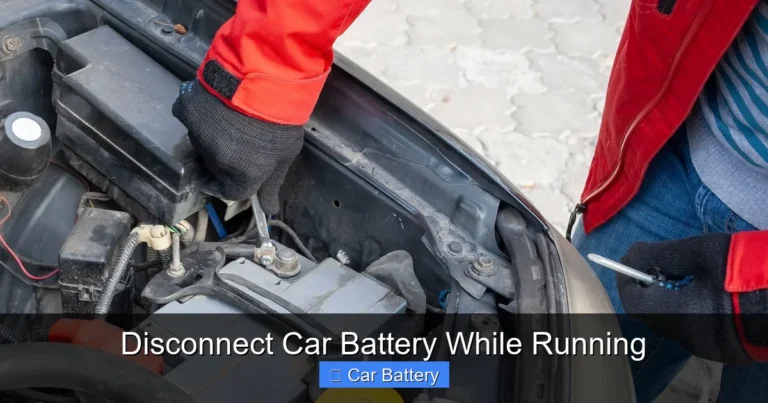
How to check: Inspect the battery terminals. Look for corrosion, loose clamps, or damaged cables. If you see buildup, clean it with a mixture of baking soda and water, then scrub with a wire brush. Reconnect the terminals and tighten them securely.
Pro tip: After cleaning, apply a thin layer of dielectric grease to the terminals. This prevents future corrosion and ensures a solid connection.
2. Faulty Starter Motor
The starter motor is the component that physically turns the engine over when you turn the key. If it’s worn out or damaged, your car won’t start—even with a fully charged battery and working alternator.
Symptoms of a bad starter include:
– A single loud click when you turn the key
– No sound at all
– Grinding noises
– Intermittent starting issues
Sometimes, the starter solenoid (a small component attached to the starter) fails, preventing the motor from engaging.
How to test: If you hear a click but the engine doesn’t turn, tap the starter motor gently with a hammer while someone tries to start the car. If it starts, the starter is likely failing and needs replacement.
Real-life example: A friend of mine replaced his battery and alternator, but his truck still wouldn’t start. After testing, we found the starter was drawing too much current. Replacing it solved the problem instantly.
3. Bad Ground Connection
The ground connection completes the electrical circuit. Without a solid ground, electricity can’t flow properly, even if the battery is fully charged.
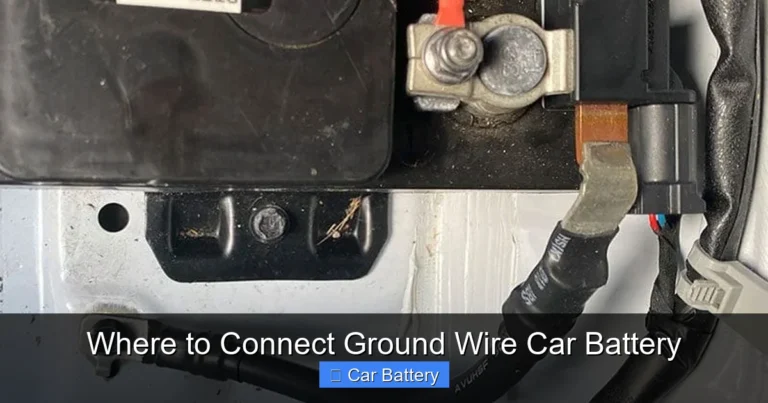
The main ground cable connects the negative battery terminal to the engine block or chassis. If this cable is corroded, loose, or damaged, it can cause all sorts of electrical issues—including a no-start condition.
How to check: Locate the ground cable (usually black) from the battery to the engine. Inspect it for damage, corrosion, or looseness. Clean the connection points and tighten the bolts.
DIY fix: You can also test the ground by using a jumper cable to connect the negative terminal directly to the engine block. If the car starts, the ground connection is the issue.
Ignition System and Electrical Components
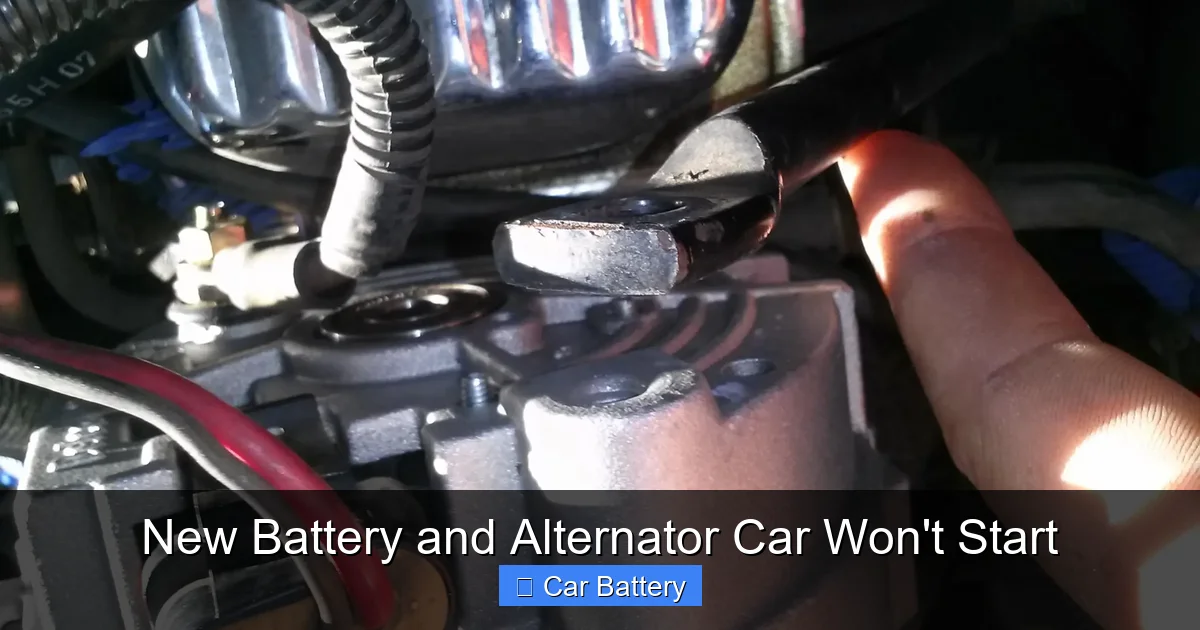
Visual guide about New Battery and Alternator Car Won’t Start
Image source: i2.wp.com
The ignition system is responsible for sending the signal to start the engine. If it’s not working, your car won’t respond—even with a new battery and alternator.
Faulty Ignition Switch
The ignition switch is what you turn with your key (or press in push-button systems). It sends power to the starter and other systems when activated. Over time, the switch can wear out, especially in high-mileage vehicles.
Symptoms of a bad ignition switch include:
– No dash lights when you turn the key
– Intermittent power loss
– The car starts sometimes but not others
How to test: Turn the key to the “on” position (without starting). Check if the dashboard lights up. If they don’t, the ignition switch may be faulty.
Note: In some cars, a bad ignition switch can also prevent the fuel pump from priming, which we’ll cover later.
Blown Fuses or Relays
Modern cars rely on a network of fuses and relays to control electrical components. A blown fuse or failed relay can cut power to the starter, fuel pump, or ignition system.
For example, the starter relay is a small switch that sends power to the starter motor. If it fails, the starter won’t engage—even with a good battery.
How to check: Locate your fuse box (usually under the dashboard or hood). Check the fuses related to the ignition, starter, and fuel pump. Replace any that are blown.
Pro tip: Use a multimeter to test relays. If a relay clicks when activated but doesn’t pass current, it’s likely faulty.
Faulty Crankshaft Position Sensor
This sensor tells the engine control unit (ECU) when the crankshaft is rotating. If it fails, the ECU won’t know when to fire the spark plugs or inject fuel—so the engine won’t start.
Symptoms include:
– Engine cranks but doesn’t start
– No spark or fuel delivery
– Check engine light may be on
How to test: Use an OBD2 scanner to check for trouble codes. A faulty crankshaft sensor often triggers codes like P0335 or P0336.
Real-life example: A customer brought her car to a shop after replacing the battery and alternator. The engine cranked but wouldn’t start. A scan revealed a faulty crankshaft sensor. Replacing it fixed the issue.
Fuel System Issues That Mimic Electrical Problems
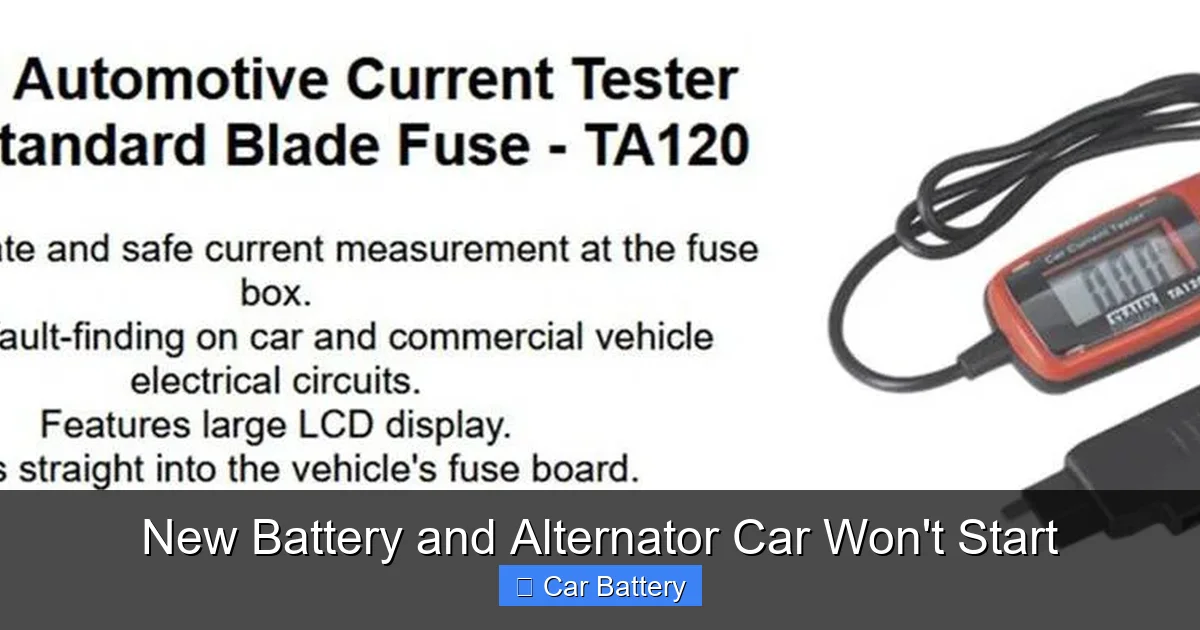
Visual guide about New Battery and Alternator Car Won’t Start
Image source: briskoda.net
Sometimes, the engine cranks but won’t start—leading you to think it’s an electrical issue. But the real problem could be in the fuel system.
Failed Fuel Pump
The fuel pump delivers gasoline from the tank to the engine. If it fails, the engine won’t get fuel, even if it’s cranking.
Symptoms of a bad fuel pump:
– Engine cranks but doesn’t start
– Sputtering at high speeds
– Loss of power under load
– A whining noise from the fuel tank
How to test: Turn the key to “on” (don’t start). Listen for a humming sound from the fuel tank—this means the pump is priming. If you don’t hear it, the pump may be dead.
DIY check: Use a fuel pressure gauge to test pressure at the fuel rail. Compare it to your vehicle’s specifications.
Clogged Fuel Filter
A dirty fuel filter restricts fuel flow, making it hard for the engine to start. Over time, debris and sediment build up in the filter, reducing performance.
How to check: Locate the fuel filter (usually along the fuel line under the car). Replace it if it’s old or clogged. Most manufacturers recommend replacing it every 30,000 to 60,000 miles.
Bad Fuel Injectors
Fuel injectors spray fuel into the engine. If they’re clogged or malfunctioning, the engine may not get the right fuel mixture.
Symptoms include:
– Rough idle
– Poor acceleration
– Engine misfires
– Hard starting
How to fix: Use a fuel injector cleaner additive. For severe clogs, the injectors may need to be removed and cleaned or replaced.
Wiring and Electrical System Problems
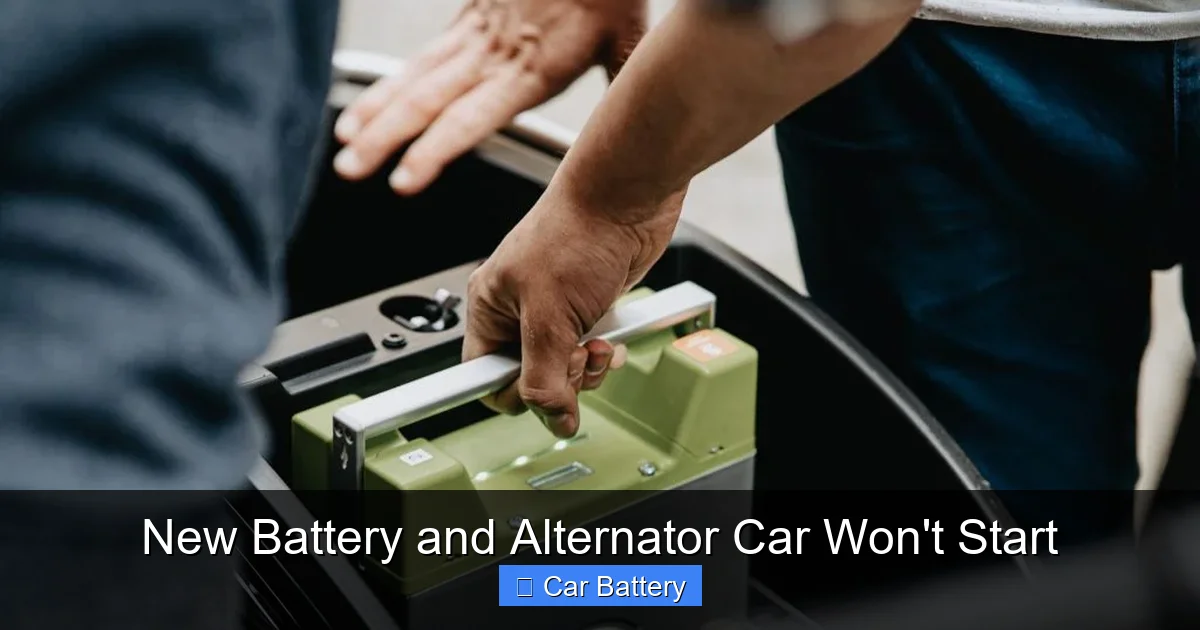
Visual guide about New Battery and Alternator Car Won’t Start
Image source: autoily.com
Even with a new battery and alternator, damaged or faulty wiring can prevent your car from starting.
Damaged Wiring Harness
The wiring harness connects all the electrical components in your car. Over time, wires can fray, melt, or become disconnected—especially near moving parts like the engine or suspension.
How to check: Inspect the wiring near the battery, starter, and alternator. Look for exposed wires, melted insulation, or loose connectors.
Real-life example: A mechanic once found a rodent-chewed wire in a car that wouldn’t start. The damage was hidden under the hood, but it cut power to the ignition system.
Faulty Alternator Wiring
Even if the alternator is new, a bad connection or damaged wire can prevent it from charging the battery or powering the system.
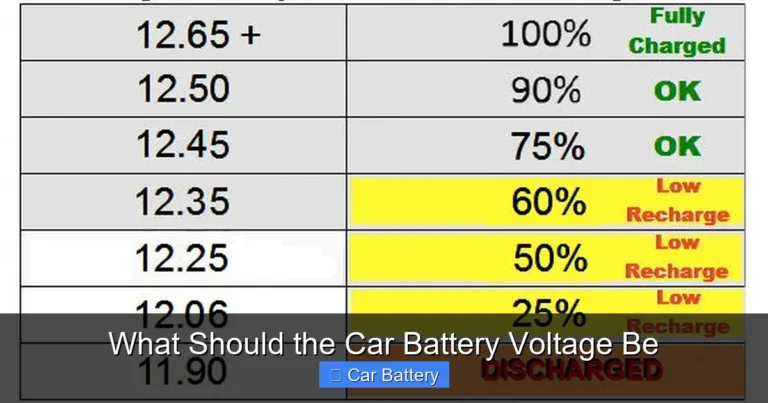
How to test: Use a multimeter to check voltage at the battery with the engine running. It should read between 13.8 and 14.4 volts. If it’s lower, the alternator isn’t charging properly—possibly due to a wiring issue.
Parasitic Drain
A parasitic drain occurs when something in your car continues to draw power even when the engine is off. Over time, this can drain the battery—even if it’s new.
Common causes include:
– Faulty interior lights
– Aftermarket electronics (like alarms or stereos)
– Bad relays or modules
How to test: Use a multimeter to measure current draw with the car off. It should be less than 50 milliamps. If it’s higher, start pulling fuses one by one to find the culprit.
Other Possible Causes
Immobilizer or Security System Issues
Many modern cars have an immobilizer system that prevents the engine from starting unless the correct key is used. If the system malfunctions, it can block the start signal.
Symptoms include:
– The engine cranks but won’t start
– A flashing security light on the dash
– The key fob not being recognized
How to fix: Try using a spare key. If that works, the original key’s chip may be damaged. You may need to reprogram the key or have the immobilizer system reset by a dealer.
Low Compression or Mechanical Failure
In rare cases, the engine may have internal damage—like worn piston rings or a blown head gasket—that prevents it from starting. This is more common in high-mileage vehicles.
Symptoms include:
– Engine cranks slowly
– White smoke from the exhaust
– Overheating or coolant loss
How to test: Perform a compression test. Low compression in one or more cylinders indicates mechanical failure.
Extreme Weather Conditions
Cold weather can thicken engine oil and reduce battery efficiency, making it harder to start—even with a new battery. In extreme heat, fuel can vaporize in the lines, causing vapor lock.
How to help: Use a block heater in cold climates. In hot weather, park in the shade and consider using a fuel additive to prevent vapor lock.
How to Diagnose the Problem Step by Step
When your car won’t start after replacing the battery and alternator, follow this systematic approach:
1. Check the battery connections. Are they clean and tight?
2. Listen for sounds. Does it click? Crank? Nothing?
3. Test the battery voltage. Use a multimeter. It should read 12.6 volts or higher when off.
4. Check the starter. Tap it gently or test with a multimeter.
5. Inspect fuses and relays. Replace any blown fuses.
6. Listen for the fuel pump. Turn the key to “on” and listen for a hum.
7. Scan for trouble codes. Use an OBD2 scanner to check for sensor issues.
8. Test the ground connection. Use a jumper cable to bypass it.
By going through these steps, you can narrow down the cause and avoid unnecessary repairs.
When to Call a Professional
While many of these issues can be fixed at home, some require specialized tools or expertise. Call a mechanic if:
– You’re unsure about electrical testing
– The problem involves the immobilizer or ECU
– You suspect internal engine damage
– You’ve tried everything and the car still won’t start
A professional diagnostic can save you time and money in the long run.
Conclusion
Just because you’ve installed a new battery and alternator doesn’t mean your car will start. Electrical systems are complex, and a no-start condition can stem from many hidden issues—from loose connections to faulty sensors.
The key is to diagnose systematically. Start with the basics: check connections, test the battery, and listen for clues. Then move on to more advanced checks like fuel pressure and sensor readings.
Remember, replacing parts without testing can lead to wasted money and frustration. Always verify the problem before swapping components.
With the right approach, you can get your car running again—even after a new battery and alternator haven’t solved the issue. Stay patient, stay safe, and don’t hesitate to seek help when needed.
Frequently Asked Questions
Why won’t my car start even with a new battery and alternator?
Even with new components, issues like loose connections, a bad starter, or faulty wiring can prevent your car from starting. Electrical systems rely on a complete circuit, and any break can stop the process.
Can a bad ground cause a no-start condition?
Yes, a poor ground connection disrupts the electrical circuit. If the ground cable is corroded or loose, power won’t flow properly, even with a fully charged battery.
How do I know if my starter is bad?
Listen for a single click when turning the key, or no sound at all. Tapping the starter gently with a hammer while someone tries to start the car can also help confirm if it’s failing.
Can a blown fuse stop my car from starting?
Absolutely. A blown fuse in the ignition, starter, or fuel pump circuit can cut power to critical systems. Always check the fuse box when diagnosing a no-start issue.
Why does my engine crank but not start?
This often points to fuel or ignition problems—like a failed fuel pump, clogged injectors, or a faulty crankshaft sensor—rather than an electrical issue with the battery or alternator.
Should I replace parts before testing?
No. Always test first. Replacing parts without diagnosis can waste money. Use a multimeter, OBD2 scanner, and visual inspection to find the real cause.