
My Key Won’t Start My Car

If your key won’t start your car, don’t panic—there are several common causes, from a dead battery to ignition switch issues. This guide walks you through practical troubleshooting steps, safety tips, and when to call a professional so you can resolve the problem quickly and confidently.
Key Takeaways
- Check the battery first: A weak or dead battery is the most common reason your key won’t start your car—look for dim lights or clicking sounds.
- Inspect the key fob battery: If your car uses a keyless ignition, a low fob battery can prevent the engine from starting even if the key turns.
- Ensure the car is in Park or Neutral: Automatic transmissions won’t start unless the shifter is in the correct position—double-check before assuming a mechanical issue.
- Look for steering wheel lock: If the wheel is locked, the ignition may not turn—gently wiggle the wheel while turning the key.
- Test the ignition switch: A faulty switch can prevent power from reaching the starter—listen for unusual sounds or test with a multimeter.
- Consider a seized engine or fuel issue: In rare cases, internal engine problems or fuel delivery issues can mimic ignition failure—seek professional help if basic fixes don’t work.
- Call for help when needed: If troubleshooting doesn’t resolve the issue, contact roadside assistance or a trusted mechanic to avoid further damage.
📑 Table of Contents
- Why Won’t My Key Start My Car? A Real-World Problem
- Common Causes When Your Key Won’t Start Your Car
- Step-by-Step Troubleshooting: What to Do When Your Key Won’t Start Your Car
- Prevention Tips: How to Avoid Future “Key Won’t Start My Car” Problems
- When to Call a Professional
- Real-Life Examples: Stories from Drivers Who Faced “Key Won’t Start My Car”
- Final Thoughts: Stay Calm and Take Action
Why Won’t My Key Start My Car? A Real-World Problem
You’re running late for work, you hop into your car, insert the key, and turn it—only to hear nothing. Or maybe there’s a faint click, but the engine doesn’t crank. Your heart sinks. “Why won’t my key start my car?” is a question that’s crossed every driver’s mind at some point, and it’s more common than you might think.
This frustrating experience can happen to anyone, anytime—whether you’re parked in your driveway, at the grocery store, or on a remote road. The good news? In most cases, the cause is something simple and fixable. From a drained battery to a misaligned gear shift, many issues that prevent your car from starting are easy to identify and often resolve without a trip to the mechanic.
But before you panic or assume the worst, take a deep breath. This guide will walk you through the most common reasons your key won’t start your car, how to troubleshoot them step by step, and when it’s time to call in the pros. We’ll keep it practical, jargon-free, and focused on real solutions—because when you’re stranded, you need answers, not acronyms.
Common Causes When Your Key Won’t Start Your Car
Visual guide about My Key Won’t Start My Car
Image source: crsautomotive.com
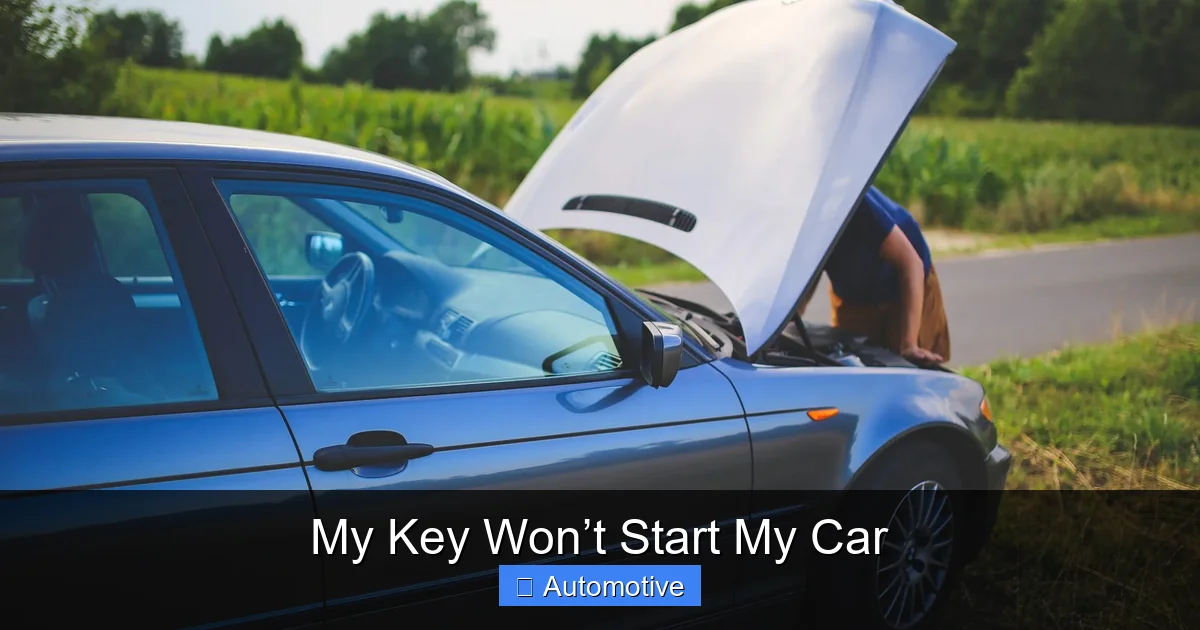
When your key won’t start your car, it’s usually due to one of a handful of everyday issues. Understanding these common culprits can save you time, stress, and money. Let’s break them down.
1. Dead or Weak Car Battery
The battery is the heart of your car’s electrical system. If it’s dead or too weak, your car simply won’t have the power to start—even if the key turns. This is the number one reason drivers find their key won’t start their car.
Signs of a dead battery include:
– Dim or flickering dashboard lights
– A clicking sound when you turn the key
– No sound or movement at all
– Electrical accessories (like radio or windows) not working
Batteries typically last 3–5 years, but extreme temperatures, leaving lights on, or frequent short trips can shorten their life. If your car has been sitting for days or you’ve recently left the headlights on, a dead battery is the likely suspect.
2. Faulty Key Fob or Low Fob Battery
Many modern cars use keyless ignition systems, where you don’t even need to insert a physical key. Instead, you press a button while the key fob is inside the car. But if the fob’s battery is dead, the car may not recognize it—even if you’re holding it right next to the ignition.
Symptoms include:
– The car not detecting the key fob
– A warning light on the dashboard (like “Key Not Detected”)
– The engine cranking but not starting
Some cars have a backup method, like a physical key hidden inside the fob or a special slot near the ignition. Check your owner’s manual for instructions.
3. Transmission Not in Park or Neutral
Automatic cars are designed with a safety feature: they won’t start unless the transmission is in Park (P) or Neutral (N). If your shifter feels loose or is slightly out of position, the car may not recognize it’s in Park—even if it looks like it is.
This is especially common if you parked on a hill or didn’t fully engage the shifter. Try shifting to Neutral and attempting to start the car. If it starts, you’ve found the issue. Just remember to shift back to Park before driving.
4. Steering Wheel Lock
If you turned the steering wheel sharply before turning off the engine, it may have locked in place. When you try to start the car, the ignition cylinder can’t turn because the wheel is resisting.
To fix this, gently wiggle the steering wheel left and right while turning the key. You should feel it “unlock” and allow the key to turn. This is a simple but often overlooked fix.
5. Ignition Switch or Starter Motor Failure
If the key turns but nothing happens—no click, no crank—the ignition switch or starter motor might be faulty. The ignition switch sends power to the starter when you turn the key. If it’s worn out or damaged, that signal never gets through.
A failing starter motor may produce a single loud click but no engine turnover. In both cases, professional diagnosis is usually needed.
6. Fuel Delivery or Engine Issues
In rare cases, your key won’t start your car because of internal problems like a clogged fuel filter, bad fuel pump, or seized engine. These are less common but can mimic ignition issues. If you’ve ruled out electrical and mechanical causes, it’s time to consult a mechanic.
Step-by-Step Troubleshooting: What to Do When Your Key Won’t Start Your Car
Visual guide about My Key Won’t Start My Car
Image source: img.youtube.com
Now that you know the common causes, let’s walk through a practical troubleshooting checklist. Follow these steps in order—they’re designed to help you identify and fix the problem safely and efficiently.
Step 1: Check the Dashboard Lights
Turn the key to the “On” position (but don’t start the engine). Do the dashboard lights come on? If they’re dim or flickering, your battery may be weak. If there are no lights at all, the battery is likely dead or there’s a connection issue.
Tip: If the lights are bright but the engine won’t crank, the battery probably has enough power—look elsewhere.
Step 2: Listen for Sounds
Turn the key to start the engine and listen carefully:
– **Clicking sound:** Usually indicates a dead battery or bad connection.
– **No sound at all:** Could mean a dead battery, faulty ignition switch, or starter issue.
– **Grinding or whirring:** Suggests a problem with the starter motor.
Write down what you hear—it can help a mechanic diagnose the issue faster.
Step 3: Test the Key Fob (If Applicable)
If your car uses a keyless system, try these steps:
– Replace the fob battery (usually a small coin cell like CR2032).
– Hold the fob directly against the start button (some cars have a “fob slot” near the ignition).
– Try starting the car with the fob in different locations (sometimes interference blocks the signal).
If the car starts after replacing the battery, you’ve solved the problem.
Step 4: Check the Gear Shift
Make sure the car is in Park. Try shifting to Neutral and starting the engine. If it starts in Neutral but not in Park, the Park position sensor may be faulty.
Also, ensure the shifter is fully engaged. On some cars, a loose shifter can prevent the car from recognizing it’s in Park.
Step 5: Wiggle the Steering Wheel
If the key won’t turn at all, the steering wheel may be locked. Gently turn the wheel left and right while turning the key. You should feel it release.
This is a common issue after parking on an incline or turning the wheel sharply before shutting off the engine.
Step 6: Inspect Battery Connections
Pop the hood and check the battery terminals. Are they corroded (white or green crust)? Are the cables loose?
Clean corrosion with a wire brush and baking soda solution. Tighten any loose connections. A poor connection can mimic a dead battery.
Step 7: Try a Jump Start
If you suspect a dead battery, use jumper cables and another vehicle to jump-start your car. Follow these steps:
1. Park the working car close (but not touching) your car.
2. Connect the red clamp to your dead battery’s positive terminal.
3. Connect the other red clamp to the working battery’s positive terminal.
4. Connect the black clamp to the working battery’s negative terminal.
5. Connect the final black clamp to an unpainted metal surface on your car (like a bolt or bracket)—not the negative terminal.
Start the working car, let it run for a few minutes, then try starting yours. If it starts, drive for at least 20 minutes to recharge the battery.
Warning: Never touch the clamps together, and always follow the correct order to avoid sparks or damage.
Step 8: Call for Help
If none of these steps work, it’s time to call roadside assistance or a mechanic. Continuing to try starting the car can drain the battery further or damage the starter.
Prevention Tips: How to Avoid Future “Key Won’t Start My Car” Problems
Visual guide about My Key Won’t Start My Car
Image source: img.philkotse.com
An ounce of prevention is worth a pound of cure—especially when it comes to car troubles. Here’s how to reduce the chances of your key not starting your car in the future.
Maintain Your Battery
– Have your battery tested annually, especially before winter.
– Replace it every 3–5 years, even if it seems fine.
– Avoid leaving lights, phone chargers, or accessories on when the engine is off.
Replace Key Fob Batteries Regularly
Most fob batteries last 1–2 years. Keep a spare battery in your glove box and replace it at the first sign of weakness (like reduced range).
Park Properly
– Always shift fully into Park and engage the parking brake.
– Avoid turning the steering wheel sharply before turning off the engine.
– On hills, turn the wheels toward the curb (or away, depending on direction) to reduce strain on the steering lock.
Keep Your Ignition Clean
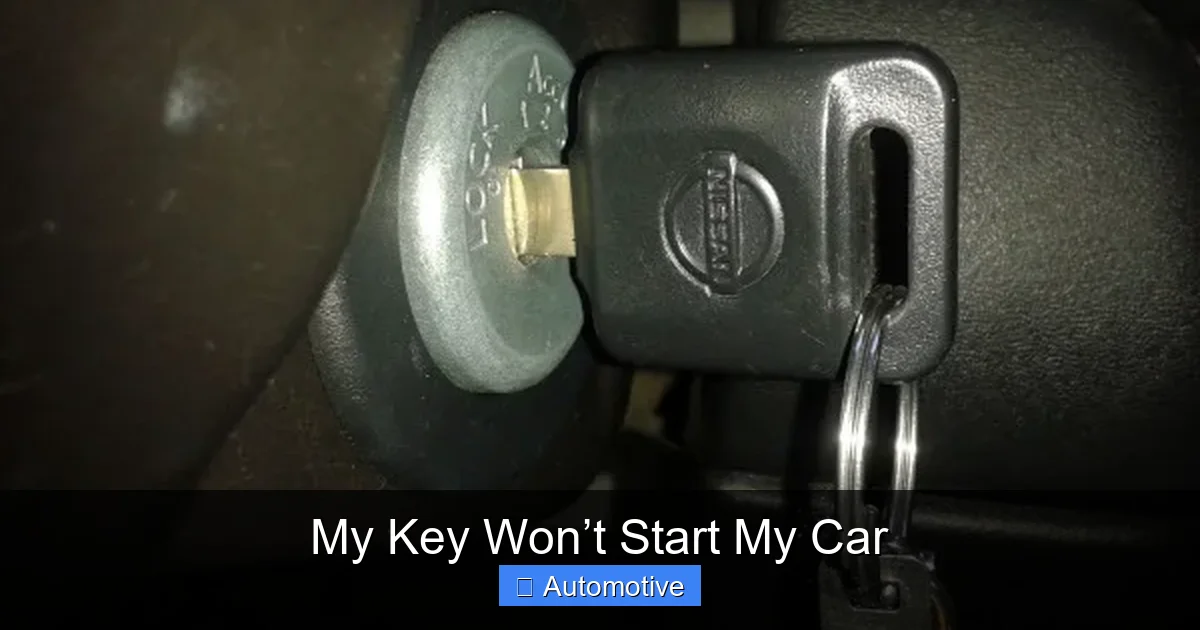
Dirt, dust, and debris can build up in the ignition cylinder over time, making it harder to turn the key. Use a can of compressed air to gently clean it every few months.
Use a Battery Maintainer
If you don’t drive often, consider a battery maintainer (also called a trickle charger). It keeps your battery charged without overcharging, extending its life.
Know Your Car’s Quirks
Some cars have specific starting procedures. For example, certain models require you to press the brake pedal before starting, or to wait a few seconds after turning the key to “On.” Read your owner’s manual and follow the recommended steps.
When to Call a Professional
While many “key won’t start my car” issues are DIY-friendly, some problems require expert attention. Here’s when to stop troubleshooting and call a mechanic.
The Battery Keeps Dying
If your battery dies repeatedly, even after charging or replacing it, there may be a parasitic drain—something in your car is using power when it shouldn’t. A mechanic can run a diagnostic test to find the source.
The Starter Motor Is Faulty
If you hear a single loud click but the engine doesn’t turn over, the starter motor may be bad. Replacing it requires specialized tools and knowledge.
The Ignition Switch Is Worn
If the key turns but nothing happens, or the car starts intermittently, the ignition switch may be failing. This is a safety-critical component and should be handled by a professional.
You Smell Fuel or See Leaks
If you smell gasoline or notice fluid under your car, do not attempt to start it. This could indicate a fuel leak, which is a fire hazard. Call a tow truck and have it inspected immediately.
The Engine Makes Unusual Noises
Grinding, knocking, or whining sounds when trying to start could mean internal engine damage. Continuing to crank the engine can make it worse.
You’re Not Comfortable Troubleshooting
If you’re unsure, unconfident, or working in unsafe conditions (like a busy road), it’s always better to call for help. Your safety comes first.
Real-Life Examples: Stories from Drivers Who Faced “Key Won’t Start My Car”
Sometimes, hearing how others solved the same problem can be reassuring. Here are a few real-world examples.
Sarah’s Dead Battery Surprise
Sarah parked her car overnight after a late movie. The next morning, her key wouldn’t start her car. The dashboard lights were dim, and she heard a clicking sound. She called a friend for a jump start, and the car started right up. She later learned she’d left her interior light on all night. Now, she double-checks the lights before walking away.
Mike’s Key Fob Fiasco
Mike pressed the start button, but nothing happened. He tried again—still no response. Frustrated, he checked the fob and realized the battery was dead. He replaced it with a spare from his glove box, and the car started immediately. He now keeps a battery replacement kit in his car.
Lisa’s Steering Wheel Lock
Lisa parked on a steep hill and turned the wheel hard to the left before shutting off the engine. The next day, her key wouldn’t turn. She remembered reading about steering wheel locks and gently wiggled the wheel while turning the key. It worked! She now always parks on level ground when possible.
David’s Ignition Switch Failure
David’s car started intermittently—sometimes it would start, sometimes not. He took it to a mechanic, who diagnosed a failing ignition switch. It was replaced, and the problem disappeared. He’s glad he didn’t keep trying to start it, which could have caused further damage.
Final Thoughts: Stay Calm and Take Action
Finding that your key won’t start your car is never fun, but it’s rarely a sign of a major disaster. Most of the time, the cause is something simple—like a dead battery, a low fob battery, or a locked steering wheel. By following the steps in this guide, you can often get back on the road quickly and safely.
The key (no pun intended) is to stay calm, methodically work through the troubleshooting checklist, and know when to ask for help. Car trouble happens to everyone, but being prepared makes all the difference.
Remember: regular maintenance, awareness of your car’s quirks, and a basic understanding of how your vehicle works can prevent many starting issues before they happen. And if all else fails, roadside assistance is just a phone call away.
So the next time your key won’t start your car, don’t panic. Take a breath, check the basics, and tackle the problem step by step. You’ve got this.
Frequently Asked Questions
Why won’t my key turn in the ignition?
This is often due to a steering wheel lock or dirt in the ignition cylinder. Try gently wiggling the steering wheel while turning the key. If that doesn’t work, the ignition switch may be worn and need replacement.
My car won’t start, but the lights come on. What’s wrong?
If the dashboard lights are bright but the engine won’t crank, the issue is likely with the starter motor, ignition switch, or a bad connection—not the battery. Have a mechanic inspect the starting system.
Can a bad key cause starting problems?
Yes, a damaged or worn key may not make proper contact in the ignition. Try using a spare key. If it works, your original key may need to be duplicated or replaced.
How do I know if my key fob battery is dead?
Signs include reduced range, the car not detecting the fob, or a warning light on the dashboard. Replace the battery (usually a CR2032) and test again.
Is it safe to jump-start my car myself?
Yes, if done correctly. Follow the proper cable connection order, avoid touching clamps together, and never jump-start a damaged or leaking battery. When in doubt, call a professional.
Why does my car start in Neutral but not in Park?
This suggests a faulty Park position sensor or a loose shifter. The car’s safety system isn’t recognizing that it’s in Park. Have the transmission sensor checked by a mechanic.