
My Car Key Broke in Half

Discover why your car key broke in half, how to handle the emergency, and what steps to take next. From quick fixes to professional replacements, this guide covers everything you need to stay calm and get back on the road safely.
Key Takeaways
- Car keys break due to wear, stress, or poor design: Repeated use, dropping, or forcing the key can weaken it over time.
- Immediate action prevents bigger problems: Don’t ignore a cracked or broken key—act fast to avoid being locked out.
- DIY fixes are temporary: Tape or glue might work short-term, but they’re not reliable for long.
- Professional replacement is the safest option: Locksmiths or dealerships can create a new key quickly and securely.
- Prevention starts with proper care: Avoid overloading your keychain, clean your key regularly, and store it safely.
- Modern keys require specialized tools: Transponder and smart keys need programming—don’t try to copy them at home.
- Keep a spare key handy: Always have a backup in a secure location to avoid future lockouts.
📑 Table of Contents
My Car Key Broke in Half: What Just Happened?
You’re rushing to get to work, school, or an important appointment. You pull out your car key, insert it into the ignition—and suddenly, it snaps right in half. Your heart sinks. Now what?
If your car key broke in half, you’re not alone. It’s more common than you might think. Keys are used multiple times a day, exposed to heat, cold, moisture, and physical stress. Over time, even the sturdiest key can weaken and fail. When it finally gives way, it can leave you stranded, frustrated, and unsure of what to do next.
But don’t panic. A broken car key doesn’t mean your car is ruined or that you’re stuck forever. With the right knowledge and quick action, you can resolve the situation efficiently. This guide will walk you through why keys break, what to do immediately after, how to get a replacement, and how to prevent it from happening again.
Why Did My Car Key Break in Half?
Understanding why your car key broke is the first step toward preventing it from happening again. Most keys break due to a combination of physical stress, material fatigue, and poor maintenance. Let’s break down the most common causes.
Repeated Use and Wear Over Time
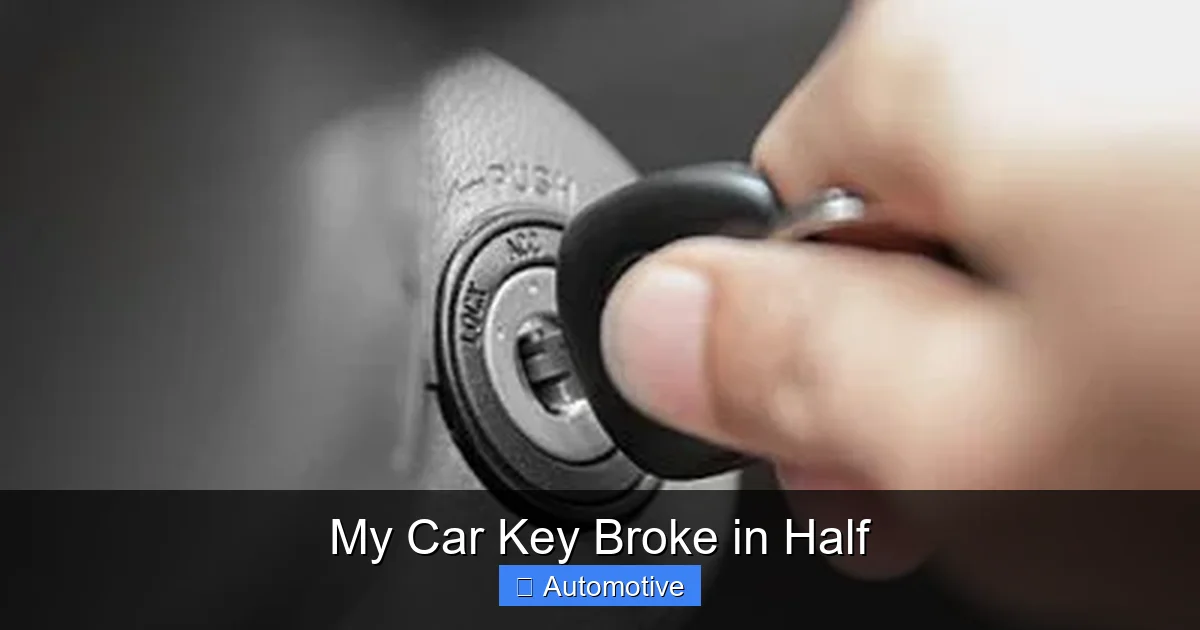
Every time you insert your key into the ignition, door, or trunk, tiny amounts of stress are placed on the metal. Over months or years, this repeated motion can cause microscopic cracks to form. Eventually, these cracks grow and lead to a complete break—often when you least expect it.
Visual guide about My Car Key Broke in Half
Image source: revolar.com
Think of it like bending a paperclip back and forth. After a few bends, it snaps. Your car key is no different. The more you use it, the more it wears down, especially if it’s made from a softer metal like brass or aluminum.
Physical Stress and Accidental Damage
Dropping your keys, sitting on them, or using them as a tool (like prying something open) can cause immediate damage. Even small impacts can weaken the key’s structure. If your key has a visible bend or crack, it’s already compromised.
Another common mistake? Using your key to open packages or scrape ice off your windshield. These actions put unnecessary strain on the key and increase the risk of it breaking in half.
Poor Key Design or Manufacturing Defects
Some car keys are simply not built to last. Low-quality materials or poor manufacturing can result in weak spots along the key blade or handle. If your key broke near the base or in the middle, it might be due to a design flaw.
For example, some aftermarket keys are made from thinner metal or lack proper reinforcement. Even original keys from the dealership can have issues if they were poorly stamped or heat-treated during production.
Environmental Factors
Extreme temperatures can also play a role. In winter, metal contracts and becomes more brittle. If you leave your keys outside or in a freezing car, they’re more likely to snap under pressure. In summer, heat can weaken the plastic casing around transponder chips, making the key more fragile.
Moisture and corrosion are also culprits. If your key gets wet frequently—say, from rain or humidity—it can rust or degrade over time, especially if it’s not dried properly.
Overloading the Keychain
Many people attach multiple keys, keychains, or trinkets to their car key. This extra weight puts constant downward pressure on the key, especially when it’s in the ignition. Over time, this can cause the key to bend or snap.
Imagine holding a pencil with a heavy weight dangling from it. Eventually, the pencil will break. The same principle applies to your car key.
What to Do Immediately After Your Car Key Breaks
So your key broke in half—now what? The first few minutes are critical. Acting quickly can save you time, money, and stress.
Stay Calm and Assess the Situation
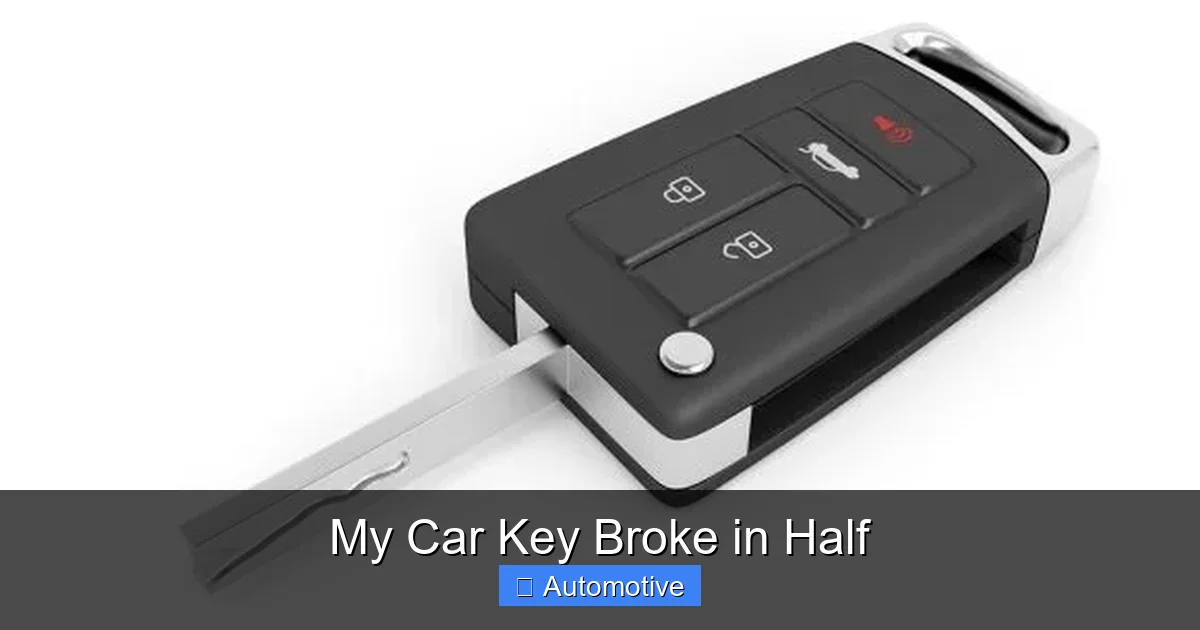
Take a deep breath. Panicking won’t help. First, check where the key broke. Did it snap in the ignition? Is one half still inside the lock? Or did it break in your hand?
Visual guide about My Car Key Broke in Half
Image source: autokeymasters.com
If the key is stuck in the ignition or door, do not try to force it out. Forcing it could damage the lock mechanism or push the broken piece deeper, making it harder to remove.
Remove the Broken Piece (If Possible)
If part of the key is still in the lock, try to gently wiggle it out using needle-nose pliers or tweezers. Be very careful—don’t push or twist aggressively. If the piece is loose, you might be able to pull it out with a steady hand.
If the key broke cleanly and both halves are in your hand, great—you’re in a better position. But if one half is stuck, you may need professional help to extract it.
Use a Spare Key (If Available)
Do you have a spare key? If yes, now is the time to use it. Keep your spare in a safe place—like at home, with a trusted friend, or in a magnetic key box under your car (though this is less secure).
If you don’t have a spare, don’t worry. We’ll cover how to get a replacement shortly.
Temporary Fixes: When to Use Them (and When Not To)
In a pinch, you might be tempted to tape the two halves together or use super glue. While this can work for a short trip—like driving to a locksmith—it’s not a long-term solution.
Tape or glue can fail at any moment, especially under stress. Plus, if the key breaks again while it’s in the ignition, you could be left with an even bigger problem. Use temporary fixes only if you’re close to help and need to move your car.
Call for Help If Needed
If you’re stranded and can’t get the broken key out, call a professional locksmith or roadside assistance. Many auto clubs and insurance plans offer lockout services. A skilled locksmith can extract the broken piece and often make a new key on the spot.
Be cautious of unlicensed locksmiths who quote low prices over the phone. Always ask for credentials and get a written estimate before work begins.
How to Replace a Broken Car Key
Once you’ve handled the immediate crisis, it’s time to get a new key. The process depends on the type of key you have—traditional, transponder, or smart key.
Traditional Metal Keys
If your car uses a simple metal key without electronics, replacement is straightforward. You can visit a hardware store, auto parts store, or locksmith to have a new key cut.
Visual guide about My Car Key Broke in Half
Image source: i.redd.it
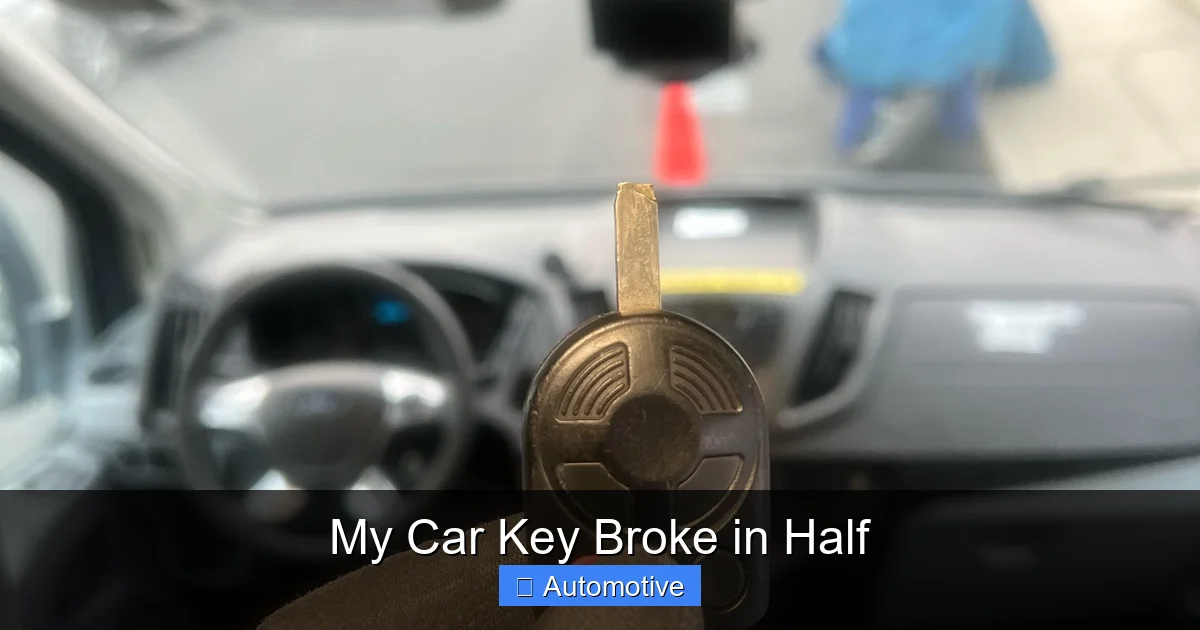
Bring the broken key (both halves if possible) or a spare. The technician will use the original as a template to cut a new one. This usually takes just a few minutes and costs between $5 and $20.
Tip: If you don’t have a spare, some locksmiths can decode the lock using specialized tools to determine the correct key pattern.
Transponder Keys
Most cars made after the mid-1990s use transponder keys. These have a small chip embedded in the plastic head that communicates with your car’s immobilizer system. Without the chip, the engine won’t start—even if the key turns in the ignition.
Replacing a transponder key is more complex. You’ll need to visit a dealership or a locksmith with the right programming equipment. The new key must be cut and programmed to match your car’s system.
Costs vary widely. Dealerships often charge $100–$300, while independent locksmiths may offer lower prices. Always ask if programming is included in the quote.
Smart Keys and Key Fobs
Smart keys (also called proximity keys or keyless entry fobs) allow you to start your car with the push of a button—no key insertion needed. These are the most advanced and expensive to replace.
If your smart key broke in half, the internal electronics are likely damaged. You’ll need a full replacement from the dealership or a certified technician. Programming requires specialized software and access to your vehicle’s computer.
Expect to pay $200–$500 or more, depending on the make and model. Some luxury brands charge even higher fees.
DIY Key Cutting: Is It Possible?
You might be tempted to buy a key-cutting machine online and try it yourself. While it’s technically possible for traditional keys, it’s not recommended. One wrong cut can ruin the key or damage your car’s lock.
For transponder and smart keys, DIY is nearly impossible without expensive programming tools. Save yourself the hassle and go to a professional.
Getting a Replacement from the Dealership
Dealerships are the most reliable source for replacement keys, especially for newer vehicles. They have access to your car’s VIN (Vehicle Identification Number), which allows them to order the exact key you need.
However, dealerships are also the most expensive option. You’ll need to provide proof of ownership (like your registration and ID), and wait times can vary from same-day to several days.
Tip: Call ahead to check availability and pricing. Some dealerships offer emergency key services for an extra fee.
Preventing Your Car Key from Breaking Again
Now that you’ve replaced your broken key, it’s time to make sure it doesn’t happen again. A little care goes a long way.
Use a Keychain Wisely
Avoid overloading your keychain with heavy items. Stick to just a few essential keys. If you must carry extras, use a separate key ring or pouch.
Consider a retractable keychain or a key organizer that keeps keys separated and reduces strain.
Handle Your Key with Care
Treat your car key like a valuable tool. Don’t use it to open packages, scrape ice, or pry things open. Store it in a safe place when not in use—like a drawer or key hook.
Avoid leaving your keys in extreme temperatures. Don’t toss them in a hot car or leave them outside in the snow.
Clean Your Key Regularly
Dirt, grease, and moisture can build up in the key’s grooves and weaken the metal. Wipe your key with a soft cloth and mild soap every few weeks. Dry it thoroughly.
For transponder keys, avoid getting water inside the plastic casing. If it gets wet, dry it immediately with a towel and let it air dry.
Inspect Your Key for Damage
Check your key regularly for cracks, bends, or wear. If you notice any damage, get a replacement before it breaks completely.
A small crack today could become a full break tomorrow. Better safe than sorry.
Keep a Spare Key
Always have a spare key in a secure location. Give one to a family member or friend you trust. You can also use a lockbox or hide it in a discreet spot (but avoid obvious places like under the doormat).
If you have a smart key, consider keeping a traditional backup key in your wallet or glove compartment. Some cars include a physical key hidden inside the fob.
Upgrade to a Durable Key
If your key breaks frequently, consider upgrading to a reinforced or custom-made key. Some companies offer keys made from stronger metals like stainless steel or titanium.
You can also add a protective sleeve or case to reduce wear and tear.
When to Call a Professional
Sometimes, a broken key is just the beginning. If you’re dealing with a stuck key, damaged lock, or complex electronic system, it’s best to call a professional.
Locksmith Services
A licensed locksmith can extract broken keys, cut new ones, and program transponder chips. They often offer 24/7 emergency services and can come to your location.
Look for locksmiths with good reviews, proper licensing, and transparent pricing. Avoid those who refuse to provide an estimate upfront.
Dealership Assistance
For high-tech keys or warranty-related issues, the dealership is your best bet. They have the tools and expertise to handle complex systems.
While more expensive, dealerships offer peace of mind and often include a warranty on the new key.
Roadside Assistance
If you’re locked out or stranded, roadside assistance can help. Many auto clubs, insurance companies, and car manufacturers offer this service.
They can send a technician to unlock your car, extract a broken key, or tow you to a repair shop if needed.
Final Thoughts: Turning a Breakdown into a Lesson
Having your car key break in half is frustrating, but it’s also a wake-up call. It reminds us that even small things—like a key—need care and attention. By understanding why keys break and how to respond, you can turn a stressful moment into a learning experience.
Remember: act quickly, stay calm, and seek professional help when needed. And most importantly, take steps to prevent it from happening again. With the right habits and a spare key on hand, you’ll be ready for whatever comes next.
Your car key may have broken, but your day doesn’t have to. Stay prepared, stay safe, and keep driving forward.
Frequently Asked Questions
Can I drive my car if my key broke in half?
If the broken key is still functional and can turn the ignition, you may be able to drive short distances. However, it’s risky—the key could break again at any moment. Use a spare key or get a replacement as soon as possible.
How much does it cost to replace a broken car key?
Costs vary by key type. Traditional keys cost $5–$20, transponder keys $100–$300, and smart keys $200–$500 or more. Dealerships are usually more expensive than locksmiths.
Can I fix a broken car key with glue?
Glue or tape can work as a temporary fix, but it’s not reliable. The bond may fail under stress, especially in the ignition. Use it only for short trips to get help.
Will my insurance cover a broken car key?
Some comprehensive auto insurance policies cover key replacement, especially for high-tech keys. Check your policy or call your insurer to confirm coverage.
How do I remove a broken key from the ignition?
Use needle-nose pliers or tweezers to gently wiggle out the broken piece. If it’s stuck, don’t force it—call a locksmith to avoid damaging the lock.
How can I prevent my car key from breaking again?
Avoid overloading your keychain, don’t use your key as a tool, clean it regularly, and keep a spare. Inspect your key for damage and replace it at the first sign of wear.