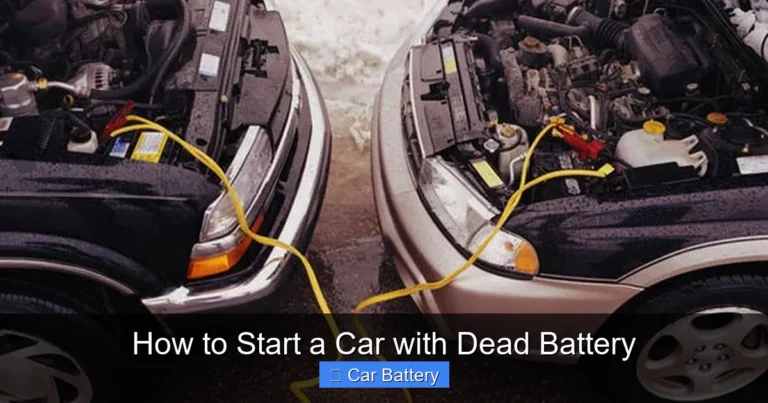
Loose Battery Connection in Car
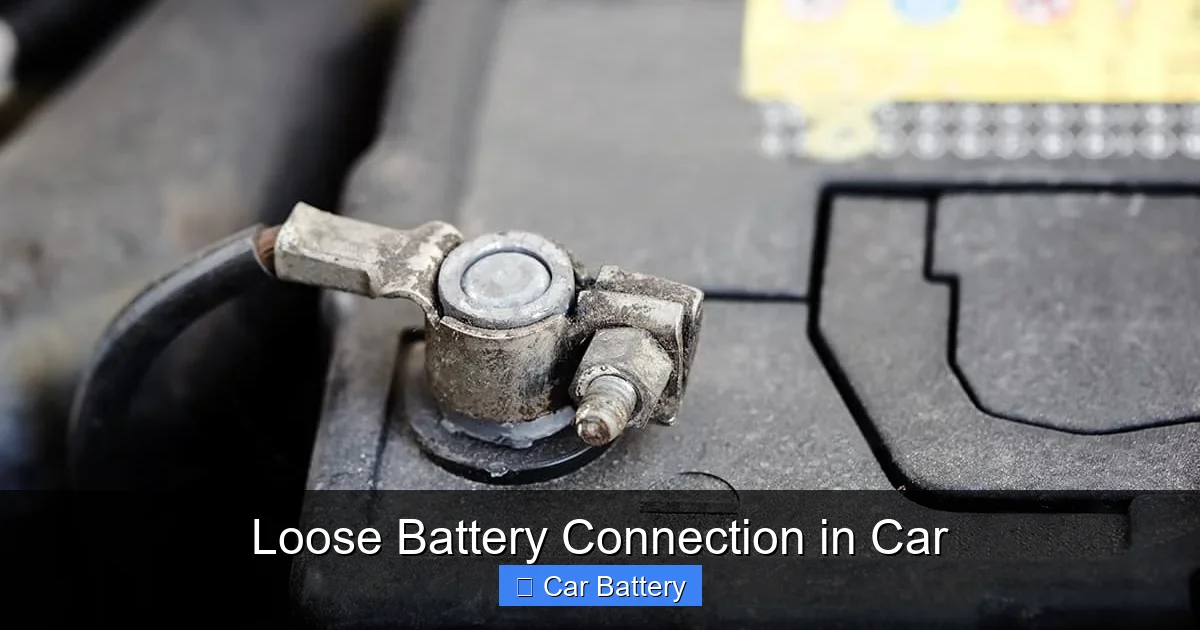
A loose battery connection in a car can cause frustrating starting issues, dim lights, and erratic electrical behavior. This common but often overlooked problem is easy to diagnose and fix with basic tools and a little know-how.
In This Article
- 1 Key Takeaways
- 2 📑 Table of Contents
- 3 What Is a Loose Battery Connection in a Car?
- 4 Common Symptoms of a Loose Battery Connection
- 5 How to Diagnose a Loose Battery Connection
- 6 Step-by-Step Guide to Fixing a Loose Battery Connection
- 7 Preventing Future Loose Battery Connections
- 8 When to Call a Professional
- 9 Conclusion
- 10 Frequently Asked Questions
- 10.1 Can a loose battery connection drain the battery?
- 10.2 How often should I check my battery connections?
- 10.3 Can I drive with a loose battery connection?
- 10.4 What tools do I need to tighten battery terminals?
- 10.5 Is it safe to clean battery terminals myself?
- 10.6 Can a loose connection damage my car’s electronics?
Key Takeaways
- Recognize the symptoms: Difficulty starting, flickering dashboard lights, or sudden power loss often point to a loose battery connection.
- Check connections regularly: Inspect battery terminals every 3–6 months or during routine maintenance to prevent issues.
- Clean corrosion promptly: White or green buildup on terminals weakens the connection and should be cleaned with baking soda and water.
- Tighten terminals properly: Use a wrench to secure clamps—snug but not over-tightened—to ensure a solid electrical link.
- Use anti-corrosion products: Apply dielectric grease or terminal protectors after cleaning to extend connection life.
- Test battery health: A loose connection can mimic a dead battery, so always test voltage (12.6V when off, 13.7–14.7V when running).
- Prevent future issues: Secure the battery hold-down clamp and avoid jostling cables during under-hood work.
📑 Table of Contents
What Is a Loose Battery Connection in a Car?
A loose battery connection in a car occurs when the cables attached to the battery terminals aren’t securely fastened. This might sound minor, but it’s one of the most common—and easily fixable—causes of car trouble. Your car’s battery delivers the initial jolt of electricity needed to start the engine and powers all electrical systems when the engine is off. If the connection between the battery and the cables is weak or unstable, that power flow gets interrupted.
Think of it like a garden hose with a kink. Even if the water (or electricity) is there, it can’t flow properly if the path is blocked or loose. In your car, that means the starter motor might not get enough juice to turn the engine over, or your lights might flicker unpredictably. Sometimes, the car starts fine one day and refuses to start the next—all because a terminal wiggled loose over time.
This issue can happen in any vehicle, from compact sedans to heavy-duty trucks. It doesn’t discriminate by make, model, or age. In fact, older cars with worn cables or aftermarket modifications are even more prone to loose connections. The good news? It’s usually a quick fix that doesn’t require a mechanic or expensive parts.
Why Battery Connections Become Loose
There are several reasons why battery terminals can loosen over time. One of the most common is vibration. Your car’s engine creates constant movement, and over thousands of miles, that vibration can gradually work the clamps loose on the terminals. This is especially true if the battery isn’t properly secured in its tray.
Another culprit is improper installation. If someone recently replaced the battery or cleaned the terminals and didn’t tighten the clamps enough—or used the wrong size wrench—the connection might not be secure. Even a slightly loose terminal can cause big problems.
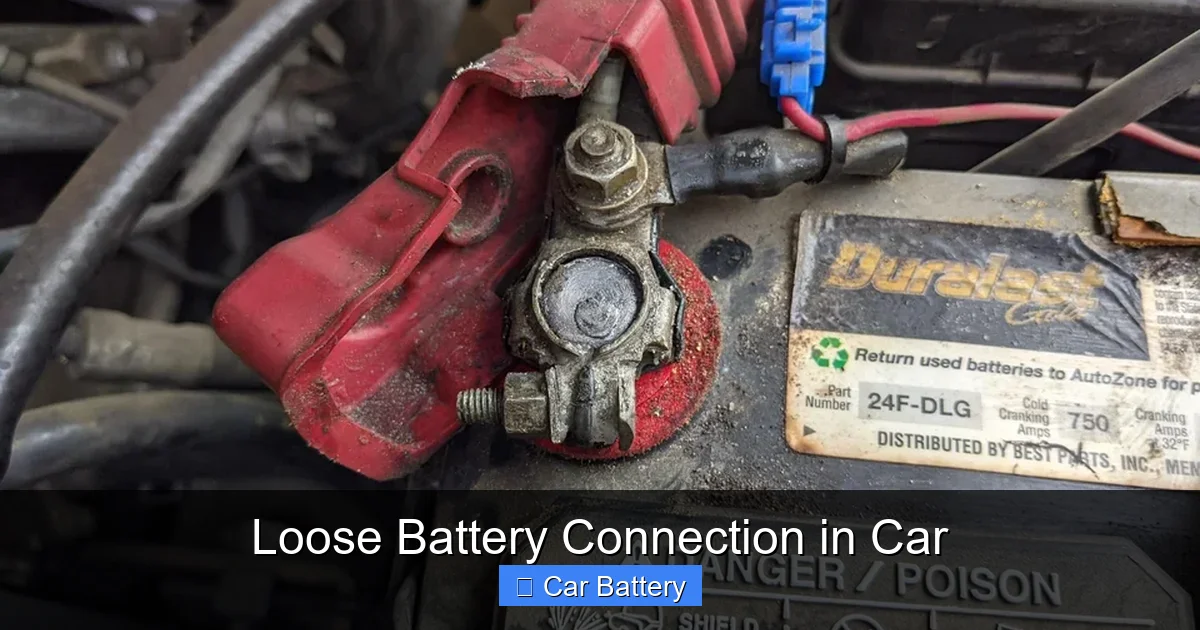
Corrosion also plays a role. When acid vapors from the battery react with metal, they create a crusty buildup—usually white, green, or blue—around the terminals. This corrosion can act like an insulator, reducing conductivity. As it builds up, it can push the clamp away from the terminal, creating a gap that worsens over time.
Finally, temperature changes can affect metal parts. Batteries expand and contract with heat and cold, which can subtly shift cables and terminals. In extreme climates—whether freezing winters or scorching summers—this thermal cycling can accelerate loosening.
Common Symptoms of a Loose Battery Connection
Visual guide about Loose Battery Connection in Car
Image source: thegrumpymechanic.com
Spotting a loose battery connection early can save you from being stranded. The symptoms often mimic other electrical issues, so it’s important to know what to look for.
One of the most obvious signs is difficulty starting the car. You might turn the key and hear a rapid clicking sound—this means the starter is trying to engage but isn’t getting enough power. Or the engine might turn over very slowly, as if the battery is weak. But if the battery is relatively new and fully charged, the real issue could be a poor connection.
Another red flag is flickering or dimming lights. When you turn on the headlights, interior lights, or dashboard indicators, they might dim when you press the accelerator or flicker for no reason. This happens because the alternator is trying to recharge the battery, but the loose connection disrupts the flow of electricity.
You might also notice electrical components acting up. Power windows could move slowly, the radio might reset itself, or warning lights could appear and disappear randomly. These erratic behaviors often point to an unstable power supply, which a loose battery connection can cause.
In some cases, the car might start fine one moment and not at all the next. This intermittent behavior is a classic sign. The connection might be just tight enough to work sometimes, but a bump in the road or a slight shift can break the contact.
Finally, you might see visible signs under the hood. If you pop the hood and notice the battery cables wiggling slightly when you gently tug them, that’s a clear indicator. Or you might spot corrosion around the terminals, which often accompanies loose connections.
Real-Life Example: The Morning No-Start
Imagine this: It’s a cold Monday morning, and you’re rushing to work. You get in the car, turn the key, and nothing happens—just a faint click. You try again. Same result. You assume the battery is dead and call for a jump start. But after jumping, the car runs fine—until the next morning, when the same thing happens.
Sound familiar? This scenario is often caused by a loose battery connection. The cold weather increases electrical resistance, and if the terminal isn’t tight, the connection fails under load. A quick check under the hood reveals a slightly loose negative cable. Tightening it solves the problem—no tow truck or battery replacement needed.
How to Diagnose a Loose Battery Connection
Visual guide about Loose Battery Connection in Car
Image source: thegrumpymechanic.com
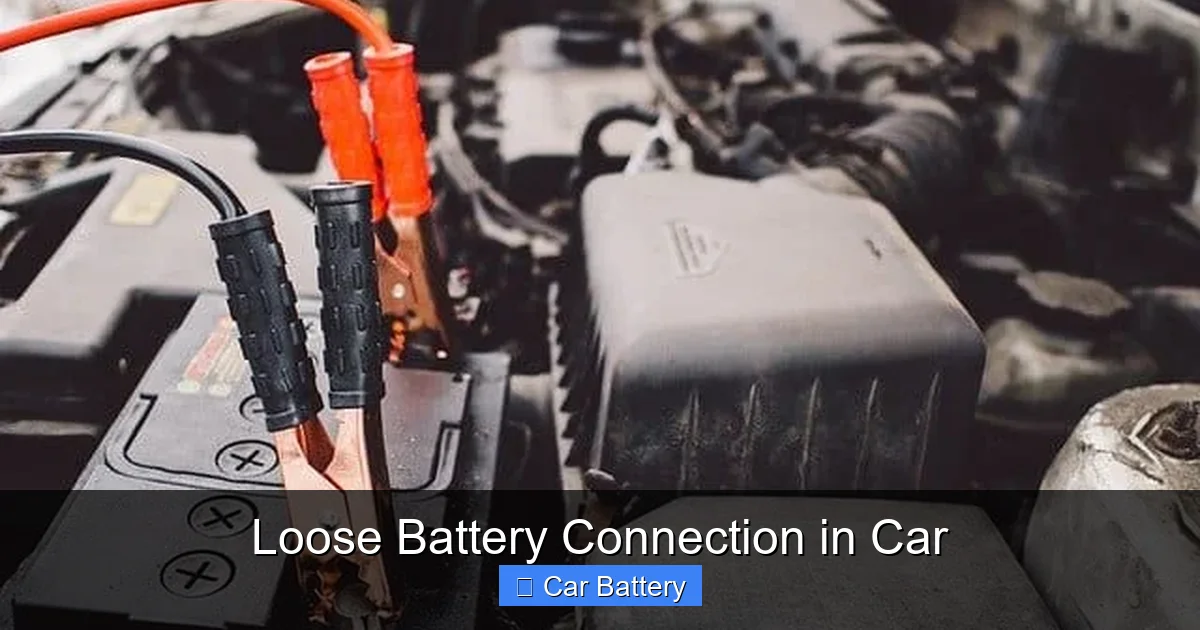
Diagnosing a loose battery connection is straightforward and doesn’t require special tools. Start with a visual inspection. Open the hood and locate the battery—it’s usually a rectangular box with two cables attached: one red (positive) and one black (negative).
Look for obvious signs of looseness. Gently wiggle each cable near the terminal. If it moves even slightly, the connection is likely loose. Also check for corrosion—flaky, powdery buildup around the terminals is a strong indicator.
Next, inspect the hold-down clamp. The battery should be secured in place with a bracket or strap. If it’s loose, the battery can shift, pulling on the cables and loosening the terminals over time.
If everything looks tight, you can perform a simple voltage test. Use a multimeter to check the battery voltage with the engine off. A healthy battery should read around 12.6 volts. Then start the engine and check again—it should jump to 13.7–14.7 volts, indicating the alternator is charging.
Now, here’s the key test: while the engine is running, gently wiggle the battery cables. If the engine sputters, stalls, or the lights flicker, you’ve found your problem. The connection is unstable and needs attention.
When to Suspect Other Issues
While a loose connection is common, don’t rule out other causes. If tightening the terminals doesn’t fix the problem, consider a failing battery, a bad alternator, or a faulty starter. A battery older than 3–5 years may not hold a charge, even with tight connections. Similarly, a worn alternator won’t recharge the battery properly, leading to repeated drain.
If you’re unsure, visit a mechanic or auto parts store. Many offer free battery and charging system tests. They can confirm whether the issue is truly a loose connection or something more serious.
Step-by-Step Guide to Fixing a Loose Battery Connection
Visual guide about Loose Battery Connection in Car
Image source: i.ytimg.com
Fixing a loose battery connection is a simple DIY task that takes less than 30 minutes. Here’s how to do it safely and effectively.
Step 1: Safety First
Before touching anything, make sure the engine is off and the keys are out of the ignition. Wear safety glasses and gloves to protect against acid and corrosion. Keep metal tools away from both terminals at the same time—accidentally touching both with a wrench can cause a short circuit.
Step 2: Disconnect the Cables
Start with the negative (black) cable. Use a wrench—usually 10mm or 13mm—to loosen the nut on the terminal clamp. Once loose, wiggle the clamp gently and pull it off the terminal. Repeat with the positive (red) cable. Always disconnect negative first to reduce the risk of sparks.
Step 3: Clean the Terminals and Clamps
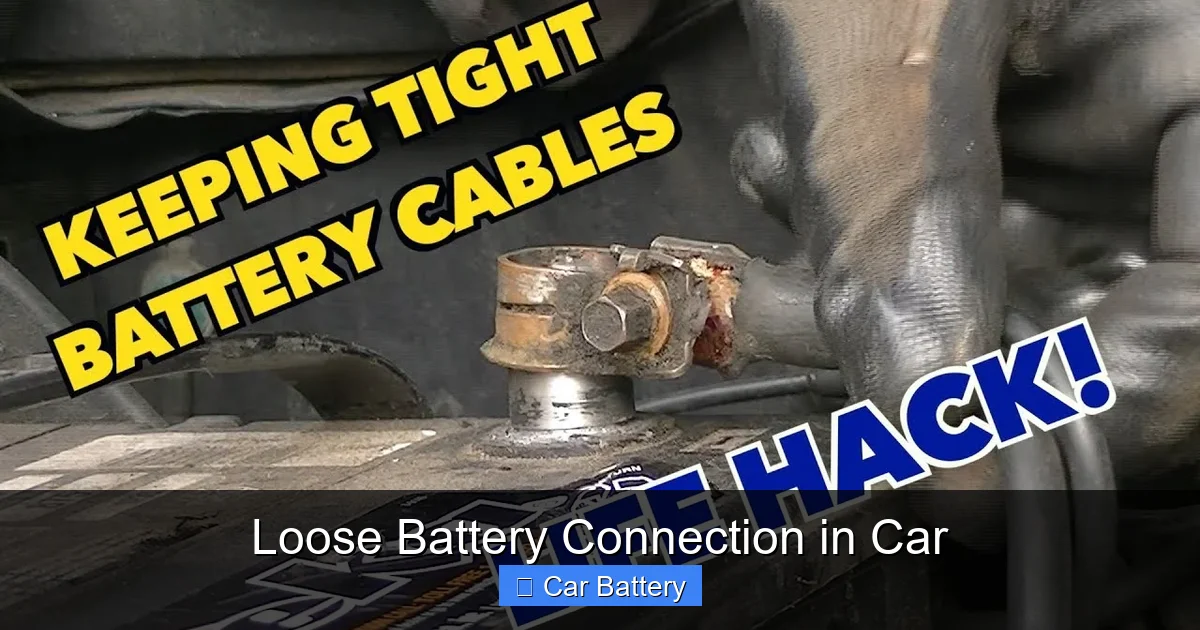
Inspect both the battery terminals and the inside of the cable clamps. If you see corrosion—white, green, or blue powder—clean it off. Mix a tablespoon of baking soda with a cup of water, dip an old toothbrush in the solution, and scrub the terminals and clamps. Rinse with water and dry thoroughly.
For stubborn buildup, use a battery terminal cleaner brush. These inexpensive tools fit over the terminal and scrub away corrosion with minimal effort.
Step 4: Reconnect and Tighten
Reattach the positive cable first, then the negative. Slide the clamps onto the terminals and tighten the nuts securely. You want them snug—tight enough that they don’t move when you wiggle them—but don’t over-tighten. Over-tightening can strip the threads or crack the terminal.
A good rule of thumb: tighten until you feel resistance, then give it a quarter-turn more. Use a torque wrench if you have one—most terminals should be tightened to about 5–7 Newton-meters (Nm).
Step 5: Apply Anti-Corrosion Protection
Once everything is tight, apply a thin layer of dielectric grease or battery terminal protector spray. This prevents future corrosion and makes future maintenance easier. Avoid using petroleum-based grease, as it can degrade rubber components.
Step 6: Test the Connection
Start the car and check that all electrical systems are working properly. Turn on the lights, radio, and air conditioning. Wiggle the cables gently to ensure the connection stays solid. If the car runs smoothly and everything powers on, you’re good to go.
Preventing Future Loose Battery Connections
Once you’ve fixed a loose connection, you’ll want to avoid it happening again. A few simple habits can go a long way.
First, inspect your battery every 3–6 months. Make it part of your regular maintenance routine, like checking tire pressure or oil levels. Look for signs of looseness, corrosion, or wear.
Second, ensure the battery is securely mounted. The hold-down clamp should be tight, and the battery shouldn’t move when you press on it. If the clamp is broken or missing, replace it—most auto parts stores carry universal fit options.
Third, avoid jostling the cables during under-hood work. If you’re replacing spark plugs, checking fluids, or cleaning the engine, be mindful of the battery cables. A quick bump can loosen a terminal over time.
Fourth, use quality replacement parts. If you need new cables or terminals, choose OEM or high-grade aftermarket components. Cheap clamps may not fit properly or resist corrosion.
Finally, consider using terminal protectors or felt washers. These sit under the clamps and help absorb vibration while reducing corrosion. They’re inexpensive and easy to install.
Seasonal Maintenance Tips
In colder climates, battery performance drops, and loose connections become more problematic. Before winter, clean and tighten your terminals. In hot climates, heat accelerates corrosion—check more frequently during summer months.
If you live in an area with extreme temperatures, consider a battery insulation kit. These wraps help regulate temperature and reduce stress on the battery and connections.
When to Call a Professional
While most loose battery connections are easy to fix at home, there are times when you should seek help.
If you’re uncomfortable working with car batteries, don’t risk it. Batteries contain sulfuric acid and can produce explosive hydrogen gas. If you’re unsure, take your car to a trusted mechanic.
Also, if tightening the terminals doesn’t solve the problem, there may be a deeper issue. Damaged cables, a failing alternator, or internal battery damage require professional diagnosis.
Finally, if the terminals are cracked, melted, or severely corroded, they may need replacement. A mechanic can assess whether the battery itself is still serviceable or needs to be replaced.
Conclusion
A loose battery connection in a car is a common but often underestimated problem. It can cause starting issues, electrical glitches, and frustrating roadside breakdowns—all of which are easily preventable. By recognizing the symptoms, performing regular inspections, and knowing how to tighten and clean terminals, you can keep your car running smoothly.
Don’t wait until you’re stranded to check under the hood. A few minutes of maintenance every few months can save you time, money, and stress. Remember: a secure connection means reliable power, and reliable power means peace of mind on the road.
Whether you’re a seasoned DIYer or a first-time car owner, taking care of your battery connections is one of the simplest and most effective ways to maintain your vehicle. So next time your car acts up, don’t assume the worst—check the basics first. You might just find the fix is as simple as a tight turn of a wrench.
Frequently Asked Questions
Can a loose battery connection drain the battery?
Yes, a loose connection can cause intermittent power loss, which may prevent the alternator from properly charging the battery. Over time, this can lead to a drained battery, especially if the car isn’t driven frequently.
How often should I check my battery connections?
It’s a good idea to inspect your battery terminals every 3–6 months, or during routine maintenance like oil changes. More frequent checks are recommended in extreme climates or if you notice any electrical issues.
Can I drive with a loose battery connection?
Driving with a loose connection is risky. It can cause sudden power loss, stalling, or failure to restart. It’s best to fix the issue as soon as possible to avoid being stranded or damaging electrical components.
What tools do I need to tighten battery terminals?
You’ll need a wrench (typically 10mm or 13mm), safety glasses, gloves, and optionally a multimeter to test voltage. A battery terminal brush and baking soda solution are helpful for cleaning corrosion.
Is it safe to clean battery terminals myself?
Yes, as long as you take proper safety precautions. Wear gloves and eye protection, work in a well-ventilated area, and avoid touching both terminals with a metal tool at the same time to prevent short circuits.
Can a loose connection damage my car’s electronics?
Potentially, yes. Unstable voltage from a poor connection can cause erratic behavior in sensitive electronics like the ECU, radio, or sensors. In rare cases, voltage spikes may damage components, so it’s best to address the issue promptly.