Key Is Stuck in Car

Contents


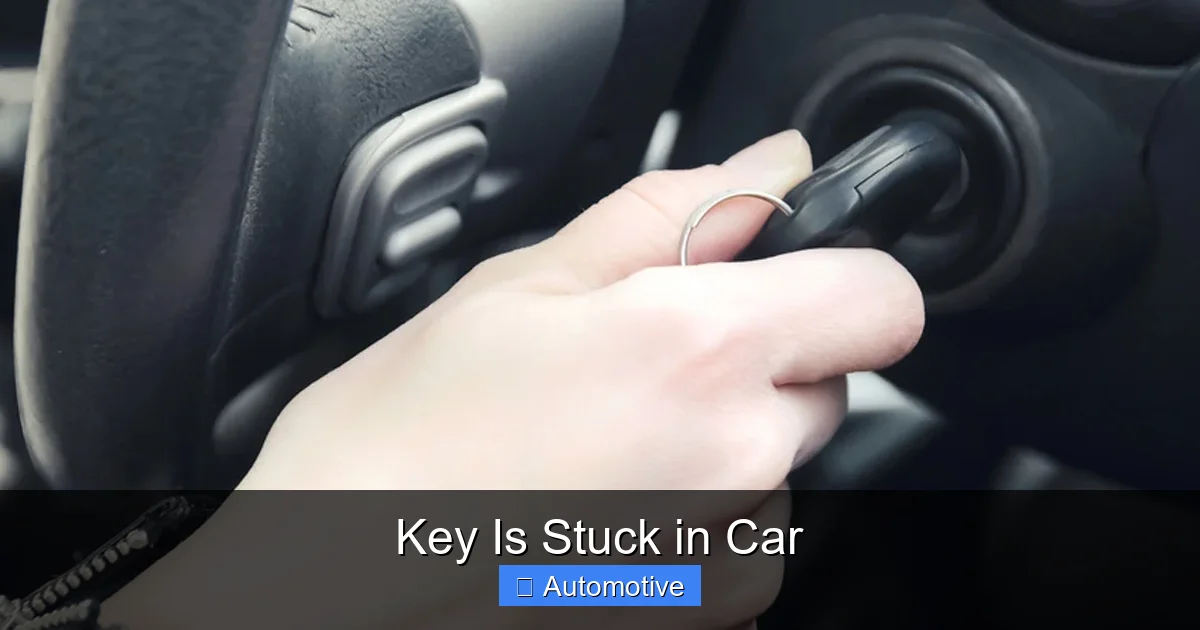
If your key is stuck in the car ignition or door lock, don’t panic—this common issue often stems from simple causes like a dead battery, steering wheel lock, or shift interlock problems. With the right troubleshooting steps, you can usually resolve it safely at home without calling a locksmith.
Key Takeaways
- Check the gear shift: Most modern cars won’t release the key unless the transmission is in “Park” or “Neutral” due to safety interlocks.
- Inspect the battery: A weak or dead battery can disable electronic locks and ignition systems, preventing key removal.
- Steering wheel lock engagement: If the wheels are turned after turning off the engine, the steering lock may jam the ignition cylinder.
- Lubricate the ignition cylinder: Dirt, debris, or lack of lubrication can cause mechanical sticking—use graphite spray, not oil.
- Avoid forcing the key: Twisting or pulling hard can damage the ignition switch or break the key inside.
- Consult your owner’s manual: Manufacturer-specific procedures often include hidden release buttons or override modes.
- Seek professional help if needed: Persistent issues may indicate worn components requiring a mechanic or locksmith.
📑 Table of Contents
Why Is My Key Stuck in the Car? Common Causes Explained
We’ve all been there—you turn off the engine, ready to hop out and start your day, only to find your key won’t budge from the ignition. Your heart skips a beat. Is something seriously wrong? Did you break your car? Take a breath. In most cases, a key stuck in the car isn’t a sign of major mechanical failure. It’s usually a simple, fixable issue rooted in safety features, mechanical wear, or user error.
Modern vehicles are packed with safety systems designed to protect you and your car. One of the most common reasons a key gets stuck is the shift interlock system. This prevents the key from being removed unless the vehicle is in “Park” (for automatics) or “Neutral” (for manuals). If your gear shift isn’t fully engaged in the correct position, the ignition won’t release the key. Similarly, a dead or weak battery can disable electronic components that control key release, even if the car starts fine. And let’s not forget the steering wheel lock—a security feature that engages when you turn the wheels after shutting off the engine, potentially jamming the ignition cylinder.
Understanding these causes is the first step toward solving the problem quickly and safely. The good news? Most of these issues can be resolved without tools, tow trucks, or expensive repairs. With a little know-how and patience, you can get that key out and back on the road in minutes.
The Role of Safety Interlocks in Key Release
Modern cars are engineered with multiple layers of safety to prevent accidents. One of the most important is the shift interlock system. This mechanism ensures that the transmission is in the correct gear before allowing the key to be removed. For automatic vehicles, the key typically won’t come out unless the shifter is in “Park.” If it’s slightly out of position—say, between “Park” and “Drive”—the interlock won’t disengage.
This system is controlled by a small solenoid or mechanical latch inside the ignition assembly. When the car detects that the gear is in “Park,” it sends a signal to release the key. But if there’s a glitch—like a misaligned shifter, a faulty sensor, or even dirt in the gear selector—the signal might not go through. The result? A key that feels “stuck.”
Manual transmissions have a similar but simpler system. The key usually won’t release unless the car is in neutral and the clutch is depressed. This prevents the car from rolling away if someone accidentally leaves it in gear. Again, if the clutch isn’t fully pressed or the gear isn’t fully disengaged, the key stays locked in place.
These interlocks are there for your protection, but they can be frustrating when they malfunction. The key is to remain calm and methodically check each component. Start by gently wiggling the gear shifter to ensure it’s fully in “Park” or “Neutral.” Then, try pressing the brake or clutch pedal firmly while attempting to remove the key. Often, this small adjustment is all it takes.
How a Weak Battery Affects Key Removal
You might be surprised to learn that a weak or dying car battery can cause your key to get stuck—even if the engine starts just fine. Here’s why: many modern vehicles use electronic ignition systems that rely on battery power to operate the key release mechanism. When the battery is low, these systems may not receive enough voltage to function properly.
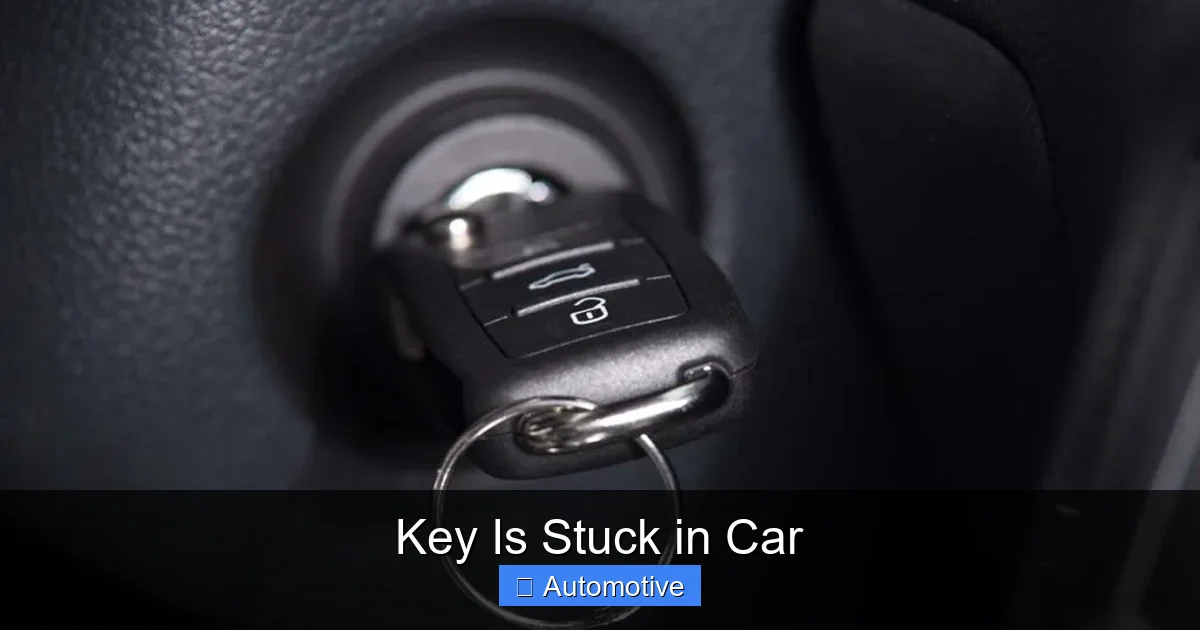
For example, in cars with push-button start systems, the key fob communicates with the car via radio signals. If the battery in the fob is low, the car might not recognize it, preventing the engine from turning off completely—or worse, trapping the key in the ignition. Even in traditional keyed ignitions, electronic components like solenoids and sensors need power to disengage the lock.
Signs of a weak battery include dim headlights, slow engine cranking, or warning lights on the dashboard. But sometimes, the only clue is a key that won’t come out. If you suspect a battery issue, try jump-starting the car or replacing the key fob battery. Once power is restored, the key should release normally.
It’s also worth noting that extreme temperatures can affect battery performance. Cold weather slows chemical reactions inside the battery, reducing its output. If your key gets stuck during winter, a weak battery could be the culprit—even if it worked fine the day before.
Step-by-Step Guide to Safely Remove a Stuck Key
Visual guide about Key Is Stuck in Car
Image source: d2hucwwplm5rxi.cloudfront.net
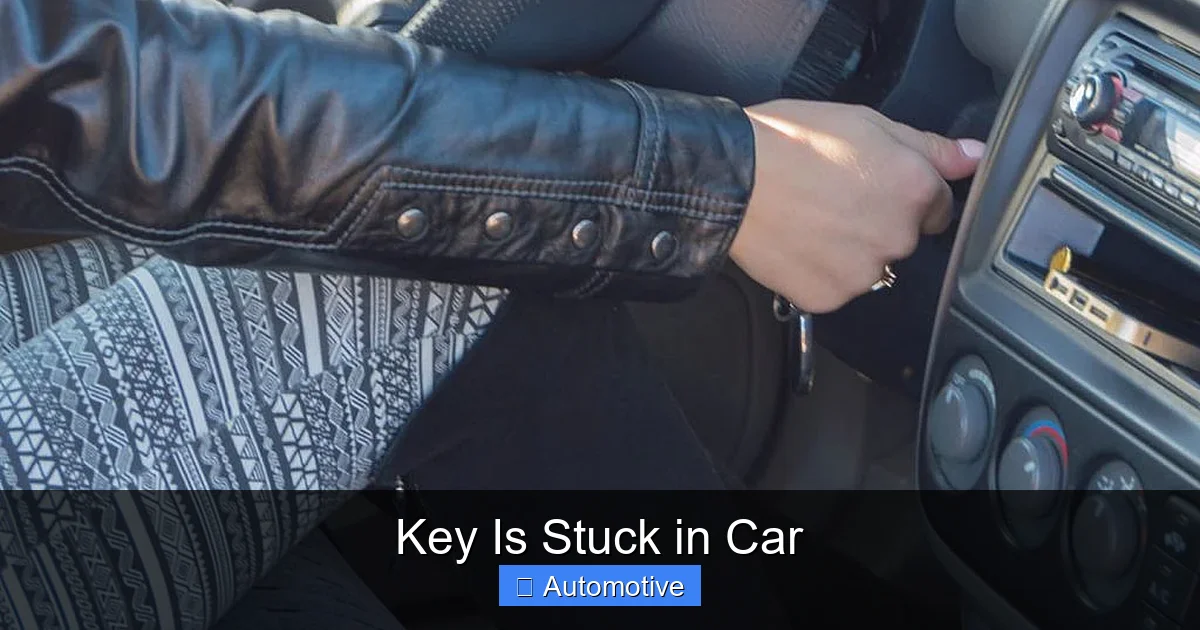
When your key is stuck in the car, the first rule is: don’t force it. Twisting, pulling, or jerking the key can damage the ignition cylinder, break the key, or worse—warp internal components. Instead, follow these proven steps to safely free your key without causing further problems.
Start by checking the most common causes. Is the gear shift fully in “Park”? Gently wiggle it back and forth to ensure it’s seated properly. Next, press the brake pedal firmly—some vehicles require this for the key to release. If you drive a manual, make sure the clutch is fully depressed and the car is in neutral.
If that doesn’t work, turn your attention to the steering wheel. Has it been turned to one side after shutting off the engine? This can engage the steering lock, which physically blocks the ignition cylinder. To fix this, turn the steering wheel gently left and right while simultaneously trying to remove the key. You should feel a slight “give” when the lock disengages.
Still stuck? Try turning the key slightly toward the “Accessory” position before pulling it out. In some cars, the key must be in this position to release. Also, check for any dashboard warning lights—especially the battery or security light—which could indicate an electrical issue.
If none of these steps work, it’s time to consult your owner’s manual. Many manufacturers include a hidden key release override, often accessed by removing a small cover near the ignition or using a specific sequence of button presses. For example, some Ford models have a manual release button under the steering column cover.
Using the Steering Wheel Lock to Your Advantage
The steering wheel lock is a built-in anti-theft feature that activates when the ignition is turned off and the wheels are turned. While it’s great for security, it can also be the reason your key won’t come out. When the lock engages, it physically prevents the ignition cylinder from rotating back to the “Off” position, effectively trapping the key.
To disengage it, you’ll need to apply gentle pressure to the steering wheel. Turn it slightly to the left or right—whichever direction it was last turned—while simultaneously trying to remove the key. You don’t need to force it; just a small amount of pressure is usually enough to release the lock.
This technique works because the steering lock relies on a small pin that fits into a notch on the steering column. When the wheels are turned, the pin aligns with the notch and locks in place. By turning the wheel back to center, you realign the components and free the ignition.
It’s important to note that this only works if the car is on level ground. If you’re parked on a slope, the weight of the car may keep the wheels turned, making it harder to release the lock. In such cases, try rocking the car gently or asking someone to help push it slightly to relieve pressure on the wheels.
Lubricating the Ignition Cylinder: Do’s and Don’ts
Over time, dust, dirt, and moisture can build up inside the ignition cylinder, causing the key to stick. This is especially common in older vehicles or those frequently driven in dusty or wet conditions. The solution? Lubrication—but not just any kind.
Never use oil-based lubricants like WD-40 or motor oil. These attract dirt and can gum up the internal mechanisms, making the problem worse. Instead, use a dry lubricant specifically designed for locks, such as graphite powder or a silicone-based spray.
To apply graphite, insert the nozzle into the keyhole and spray a small amount. Then, insert and remove your key several times to work the lubricant into the cylinder. Avoid over-spraying—too much can clog the mechanism. For silicone sprays, follow the manufacturer’s instructions and wipe away any excess.
Regular maintenance can prevent this issue. Consider lubricating your ignition cylinder once a year, especially if you live in a humid or dusty climate. It’s a quick, inexpensive way to keep your key turning smoothly and avoid future lockups.
When to Call a Professional: Signs You Need Help
Visual guide about Key Is Stuck in Car
Image source: motoringjunction.com
While most stuck key issues can be resolved at home, there are times when professional help is necessary. Ignoring persistent problems can lead to costly repairs or even leave you stranded.
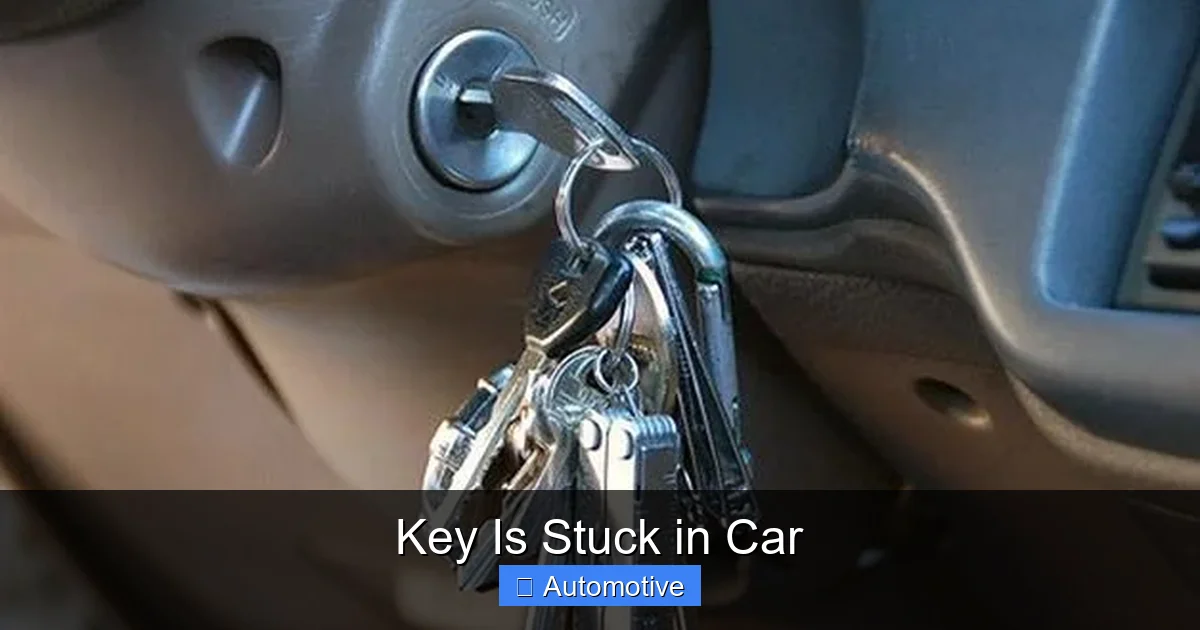
One red flag is if the key is physically damaged—bent, cracked, or partially broken inside the ignition. Forcing it out could cause it to snap completely, requiring a locksmith to extract the pieces. Similarly, if you hear grinding, clicking, or unusual noises when turning the key, it may indicate internal damage to the ignition switch or cylinder.
Another sign is if the problem happens repeatedly, even after trying all troubleshooting steps. This could point to worn components, such as a failing ignition switch, faulty interlock solenoid, or damaged wiring. These issues often require specialized tools and expertise to diagnose and repair.
If your car has a push-button start and the key fob isn’t working—even with a new battery—it may be a sign of a deeper electrical problem. Modern vehicles rely on complex computer systems, and a malfunctioning module could prevent the engine from shutting down properly.
In such cases, it’s best to contact a qualified mechanic or automotive locksmith. They can perform a diagnostic scan, inspect the ignition system, and recommend the appropriate repair. While it may cost more than a DIY fix, it ensures your car remains safe and reliable.
Choosing Between a Mechanic and a Locksmith
When your key is stuck and you can’t fix it yourself, you’ll need to decide whether to call a mechanic or a locksmith. The right choice depends on the root cause of the problem.
Mechanics are trained to handle automotive systems, including ignition, electrical, and transmission components. If the issue is related to the shift interlock, battery, or wiring, a mechanic is your best bet. They can run diagnostics, replace faulty parts, and ensure everything is working correctly.
Locksmiths, on the other hand, specialize in keys, locks, and security systems. If the problem is mechanical—like a worn ignition cylinder or broken key—a locksmith can often extract the key, repair the lock, or create a new key on the spot. Many mobile locksmiths offer 24/7 service, making them ideal for emergencies.
In some cases, you may need both. For example, if a broken key is stuck in the ignition, a locksmith can remove it, but a mechanic may need to repair the underlying ignition switch. Don’t hesitate to ask for referrals or check reviews before choosing a service provider.
Preventing Future Key Stuck Issues
Visual guide about Key Is Stuck in Car
Image source: offroadingpro.com
The best way to deal with a stuck key is to avoid it altogether. With a few simple habits and maintenance tips, you can keep your ignition system running smoothly for years to come.
First, always ensure your gear shift is fully in “Park” or “Neutral” before turning off the engine. It’s easy to accidentally leave it slightly out of position, especially on rough terrain or in a hurry. Make it a habit to double-check before exiting the vehicle.
Second, keep your key fob battery fresh. Most fobs last 2–3 years, but replace the battery at the first sign of weakness—like reduced range or intermittent operation. This prevents electronic lockups and ensures your key communicates properly with the car.
Third, avoid turning the steering wheel after shutting off the engine unless necessary. If you must turn it (e.g., to avoid a curb), try to center it before removing the key. This reduces the chance of engaging the steering lock.
Regular maintenance is also key. Have your ignition system inspected during routine service visits. Mechanics can check for wear, clean components, and lubricate moving parts. If you live in a harsh climate, consider more frequent inspections.
Finally, keep a spare key in a safe place—like a magnetic box under the car or with a trusted friend. This ensures you’re never completely stranded if your primary key gets stuck or lost.
DIY Maintenance Tips for Ignition Health
Taking care of your ignition system doesn’t require special tools or expertise. A few minutes of maintenance every few months can prevent major headaches down the road.
Start by cleaning the key itself. Dirt, grease, and debris can transfer from your hands to the key, eventually building up in the ignition. Wipe it down with a soft cloth and mild cleaner, then dry it thoroughly.
Next, inspect the ignition cylinder for signs of wear or damage. Look for scratches, dents, or loose components. If the key feels loose or wobbly when inserted, it may be time for a replacement.
Use a can of compressed air to blow out dust and debris from the keyhole. This is especially helpful after driving on gravel roads or in dusty areas. Follow up with a small amount of graphite lubricant to keep things moving smoothly.
If your car has a manual transmission, check the clutch interlock switch periodically. This small component ensures the clutch is depressed before the engine starts. A faulty switch can also affect key release.
By staying proactive, you’ll extend the life of your ignition system and reduce the risk of a stuck key.
Conclusion: Stay Calm, Stay Prepared
Finding your key stuck in the car can be stressful, but it’s rarely a sign of serious trouble. In most cases, the issue stems from simple causes like a misaligned gear shift, weak battery, or engaged steering lock—all of which can be resolved with a little patience and know-how.
The key (no pun intended) is to stay calm and methodical. Start with the basics: check the gear position, press the brake or clutch, and gently wiggle the steering wheel. If that doesn’t work, consult your owner’s manual for manufacturer-specific solutions. And remember—never force the key. Doing so can cause more damage and turn a minor inconvenience into a major repair.
By understanding how your car’s safety systems work and maintaining your ignition components, you can prevent future lockups and drive with confidence. Keep a spare key handy, stay on top of battery health, and don’t hesitate to call a professional when needed.
With these tips in mind, you’ll be ready to handle a stuck key—or better yet, avoid it altogether.
Frequently Asked Questions
Why won’t my key come out of the ignition even though the car is in Park?
The gear shift may not be fully seated in “Park,” or the shift interlock solenoid could be malfunctioning. Gently wiggle the shifter and press the brake pedal firmly while trying to remove the key.
Can a dead key fob battery cause the key to get stuck?
Yes, especially in push-button start vehicles. A weak fob battery can prevent the car from recognizing the key, disabling the ignition release mechanism. Replace the fob battery to restore function.
Is it safe to use WD-40 to lubricate a stuck ignition?
No. WD-40 is oil-based and can attract dirt, worsening the problem. Use dry graphite powder or a silicone-based lock lubricant instead.
What should I do if my key breaks off in the ignition?
Stop immediately and call a professional locksmith. Attempting to remove it yourself could push the pieces deeper or damage the cylinder.
Why does my steering wheel feel locked when I try to remove the key?
This happens when the steering lock engages after turning the wheels. Gently turn the steering wheel left and right while pulling the key to release the lock.
How often should I lubricate my car’s ignition cylinder?
Once a year is sufficient for most drivers. Increase frequency if you drive in dusty, humid, or extreme weather conditions.