
Is Toyota Paint Protection Film Worth It?

Deciding whether Toyota paint protection film is worth it depends on your driving habits, climate, and how long you plan to keep your vehicle. While it adds upfront cost, it can save thousands in paint repairs and boost resale value over time.
Key Takeaways
- Protects against rock chips and scratches: Toyota paint protection film (PPF) shields high-impact areas like the hood, fenders, and mirrors from road debris.
- Preserves resale value: A well-maintained exterior with PPF can increase your Toyota’s trade-in or private sale value.
- Self-healing properties: High-quality PPF can repair minor scratches and swirl marks when exposed to heat, keeping your paint looking fresh.
- UV and chemical resistance: The film blocks harmful UV rays and resists damage from bird droppings, tree sap, and road salt.
- Installation matters: Professional installation is crucial—poorly applied PPF can peel, bubble, or yellow over time.
- Cost vs. benefit analysis: While PPF adds $1,000–$3,000 to your vehicle cost, it may prevent far costlier paint corrections or repaints.
- Not all PPF is equal: Toyota offers factory-installed PPF, but third-party brands like XPEL, SunTek, and 3M often provide better durability and clarity.
📑 Table of Contents
- Is Toyota Paint Protection Film Worth It? A Complete Guide
- What Is Toyota Paint Protection Film?
- Benefits of Paint Protection Film on Your Toyota
- Potential Drawbacks and Considerations
- Cost-Benefit Analysis: Is It Worth the Investment?
- How to Choose the Right Paint Protection Film
- Real-World Examples: Toyota Owners Share Their Experiences
- Conclusion: Should You Get Toyota Paint Protection Film?
Is Toyota Paint Protection Film Worth It? A Complete Guide
So, you’ve just driven off the lot in your brand-new Toyota—maybe a sleek Camry, a rugged RAV4, or a dependable Tacoma. You’re proud of your investment, and you want to keep it looking showroom-fresh for as long as possible. But then reality sets in: gravel roads, highway driving, parking lot mishaps, and even Mother Nature herself can leave unsightly chips and scratches on your paint.
Enter paint protection film (PPF)—a nearly invisible layer of urethane that acts like a shield for your vehicle’s exterior. Toyota offers its own version of PPF as an optional add-on, often marketed as “Paint Protection Film” or “Clear Bra.” But is it really worth the extra cost? And how does it compare to aftermarket options?
In this guide, we’ll break down everything you need to know about Toyota paint protection film—what it is, how it works, the pros and cons, cost considerations, and whether it’s a smart investment for your specific situation. Whether you’re a daily commuter, weekend adventurer, or long-term Toyota owner, this article will help you decide if PPF is right for you.
What Is Toyota Paint Protection Film?
Visual guide about Is Toyota Paint Protection Film Worth It?
Image source: dam.alfuttaim.com
Paint protection film, commonly known as PPF or “clear bra,” is a transparent, thermoplastic urethane film applied to the painted surfaces of a vehicle. It’s designed to absorb impacts from small debris—like rocks, sand, and gravel—that would otherwise chip or scratch your paint. Think of it as a high-tech bumper guard for your car’s body.
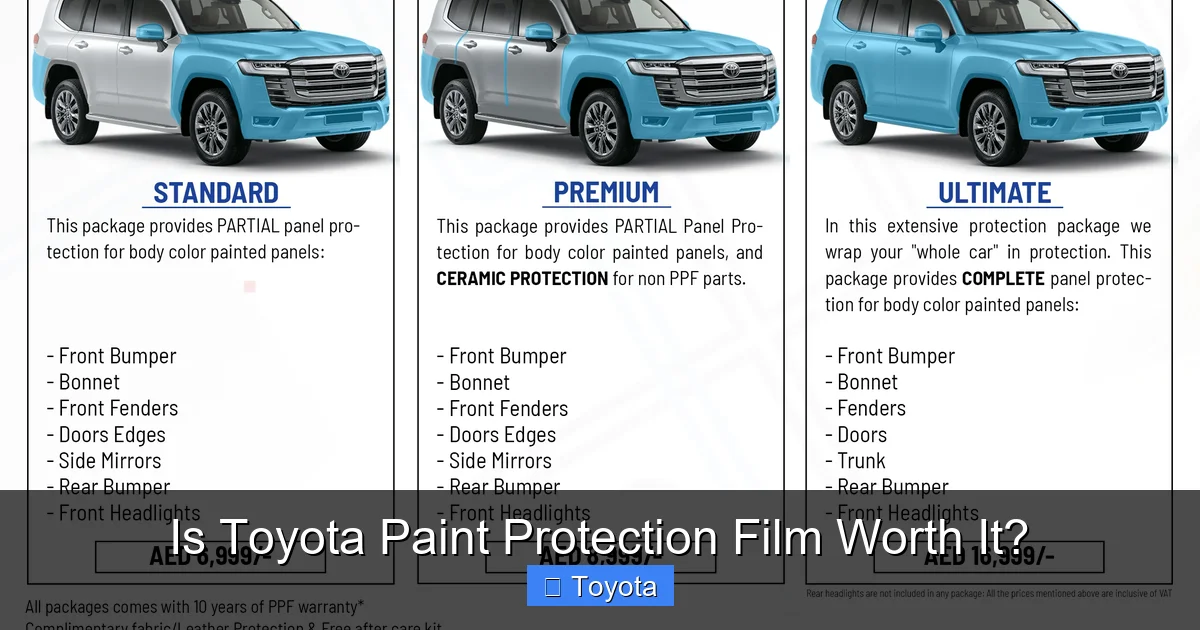
Toyota offers factory-installed PPF on select models and trims, typically applied to high-risk areas such as the front bumper, hood, fenders, side mirrors, and door edges. The film is usually installed at the dealership or a certified Toyota service center, ensuring it’s applied using OEM (Original Equipment Manufacturer) standards.
Unlike wax or sealants, which only offer temporary surface protection, PPF provides a physical barrier that lasts for years. Modern PPF is engineered to be optically clear, meaning it doesn’t yellow or cloud over time when properly maintained. It also features self-healing properties—minor scratches and swirl marks disappear when the film is exposed to heat, such as sunlight or warm water.
How Does It Work?
The science behind PPF is surprisingly simple yet highly effective. The film is made of multiple layers:
– A topcoat that resists UV rays and prevents yellowing
– A middle layer with elastic memory (enabling self-healing)
– An adhesive layer that bonds securely to the paint
– A protective liner that’s removed during installation
When a rock hits the film, the energy is absorbed and dispersed across the surface, preventing the paint underneath from cracking or chipping. Over time, the film may show signs of wear—small nicks or hazing—but the original paint remains untouched.
Toyota vs. Aftermarket PPF: What’s the Difference?
One of the biggest questions Toyota owners face is whether to go with the factory-installed PPF or opt for a third-party brand like XPEL, SunTek, or 3M.
Toyota’s PPF is convenient—it’s installed before delivery, often included in package deals, and comes with a warranty. However, it’s typically a mid-tier film in terms of thickness and durability. It may not offer the same level of clarity, self-healing, or longevity as premium aftermarket options.
Aftermarket PPF, on the other hand, often uses higher-grade materials. For example, XPEL Ultimate Plus is known for its superior optical clarity and self-healing capabilities. It’s also customizable—you can choose full-front coverage, partial kits, or even full-body wraps.
The trade-off? Aftermarket installation requires finding a reputable installer, and it’s usually more expensive upfront. But for many owners, the enhanced protection and longer lifespan make it worth the investment.
Benefits of Paint Protection Film on Your Toyota
Visual guide about Is Toyota Paint Protection Film Worth It?
Image source: dam.alfuttaim.com
So, why should you consider PPF for your Toyota? Let’s dive into the real-world benefits that go beyond just looking good.
1. Prevents Rock Chips and Scratches
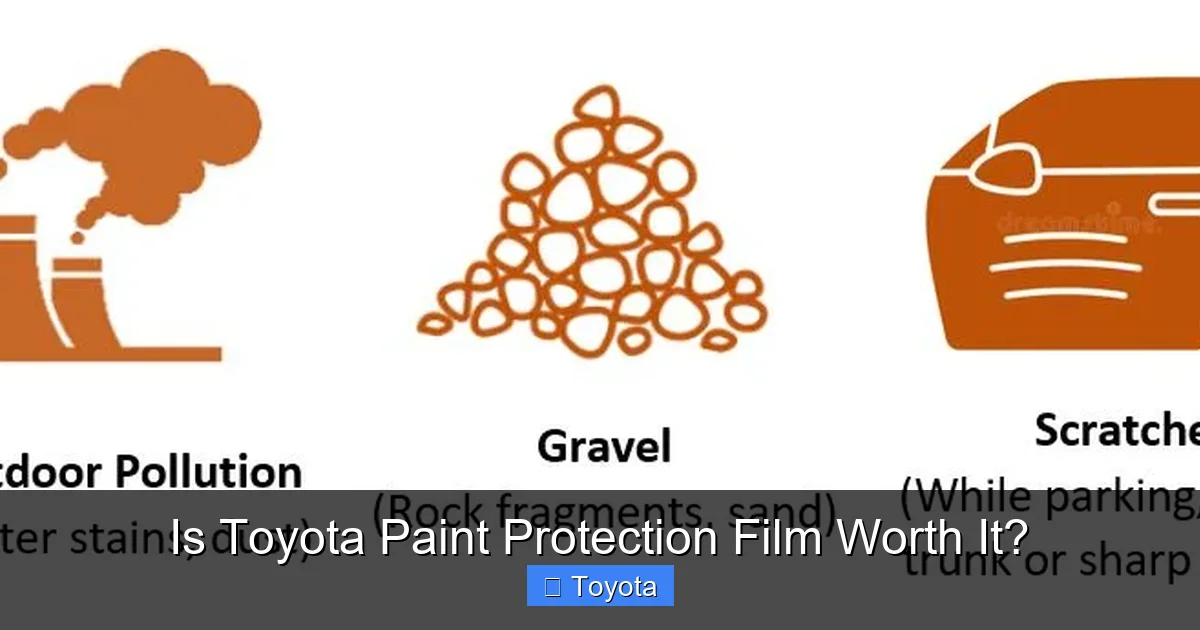
If you drive on highways or rural roads, you’ve likely seen the telltale “bug splatter” effect on the front of your car—except it’s not just bugs. It’s a mix of gravel, sand, and debris kicked up by other vehicles. Over time, these tiny impacts can create a web of chips and scratches, especially on the hood and front bumper.
PPF acts as a sacrificial layer. Instead of your paint taking the hit, the film absorbs the impact. Even after years of driving, the protected areas often look nearly new.
For example, a Toyota Tacoma owner who frequently drives on unpaved forest roads might notice chips on the hood within the first few months. But with PPF, those same areas remain flawless.
2. Maintains Resale Value
Your Toyota is a significant investment, and its exterior condition plays a major role in its resale value. A car with a pristine paint job will always fetch a higher price than one with visible damage.
According to industry reports, vehicles with professionally applied PPF can retain 5–10% more of their value at trade-in or private sale. That means a $30,000 Toyota could be worth $1,500–$3,000 more simply because the paint is in excellent condition.
Buyers notice. A clean, chip-free front end signals that the car has been well cared for—and that attention to detail often translates into trust and a higher offer.
3. Self-Healing Technology
One of the coolest features of modern PPF is its self-healing ability. The top layer of the film contains elastic polymers that “remember” their original shape. When minor scratches or swirl marks appear—say, from a car wash or light brush against a bush—the film can repair itself.
All it takes is a little heat. Park your Toyota in the sun for a few hours, or use a hair dryer or warm water to gently warm the affected area. Within minutes, the scratches fade away, leaving the surface smooth and clear.
This isn’t magic—it’s science. And it means you spend less time polishing and more time enjoying your ride.
4. Resists UV Damage and Environmental Stains
Sunlight isn’t just bad for your skin—it’s tough on car paint too. Over time, UV rays can cause fading, oxidation, and dullness, especially on darker colors like black, navy, or deep red.
PPF blocks up to 99% of harmful UV rays, helping preserve the vibrancy of your Toyota’s paint. It also resists chemical stains from bird droppings, tree sap, bug guts, and road salt—all common culprits that can etch into paint if left untreated.
For instance, a Toyota Highlander owner in a snowy climate might worry about salt corrosion. With PPF on the lower rocker panels and wheel wells, those areas stay protected from salt and grime.
5. Easy to Maintain
Contrary to popular belief, PPF doesn’t require special care. In fact, it’s easier to clean than bare paint. You can wash your Toyota as usual—hand wash, automatic wash, or even touchless systems. Just avoid abrasive brushes or harsh chemicals.
Most manufacturers recommend using pH-neutral car soap and microfiber towels. Waxing is optional, but not necessary—PPF doesn’t benefit from wax in the same way paint does.
And if the film gets scuffed, a quick pass with a heat gun or warm water often restores it to like-new condition.
Potential Drawbacks and Considerations
Visual guide about Is Toyota Paint Protection Film Worth It?
Image source: polishedprotection.com
Of course, no product is perfect. While PPF offers many advantages, there are some downsides to consider before making the investment.
1. Upfront Cost
Let’s be honest—PPF isn’t cheap. Toyota’s factory-installed PPF typically adds $500 to $1,500 to the vehicle price, depending on the model and coverage area. Aftermarket installations can range from $1,000 to $3,000 or more for full-front or full-body coverage.
For budget-conscious buyers, that’s a significant add-on. You’ll need to weigh the cost against how long you plan to keep the vehicle and how much you value paint protection.
2. Installation Quality Matters
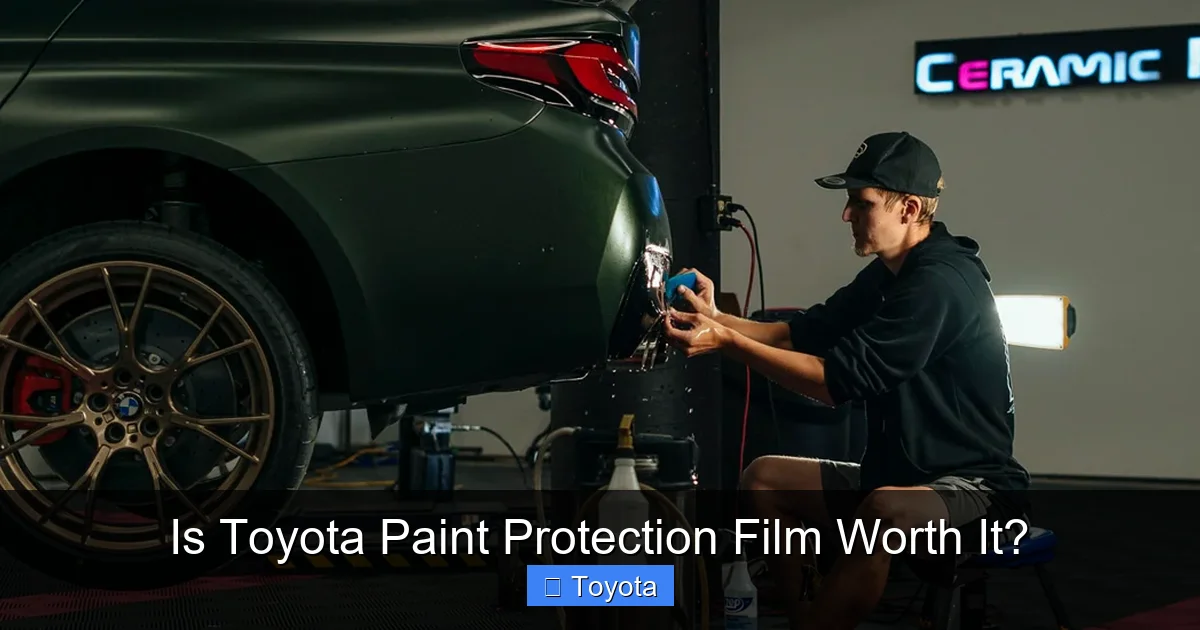
A poorly installed PPF can be worse than no protection at all. Bubbles, peeling edges, and visible seams not only look bad—they can trap moisture and cause paint damage underneath.
That’s why professional installation is critical. Look for certified installers with experience working on Toyotas. Ask to see before-and-after photos, and check online reviews.
Toyota dealerships often have trained technicians, but third-party shops specializing in PPF may offer better craftsmanship and higher-quality film.
3. Not 100% Invisible
While modern PPF is extremely clear, it’s not completely invisible. In certain lighting conditions—especially direct sunlight or at sharp angles—you might notice slight texture or distortion, particularly on curved surfaces.
Some lower-quality films may also yellow over time, especially if exposed to harsh environments. That’s another reason to choose a reputable brand and installer.
4. Limited Coverage Options
Toyota’s factory PPF usually covers only the front-end “high-impact” zones. If you want protection on the doors, rocker panels, or rear bumper, you’ll need to upgrade to a custom aftermarket kit.
And if you later decide you want more coverage, retrofitting can be difficult and costly. It’s best to plan your coverage needs upfront.
5. Warranty and Maintenance
Most PPF comes with a warranty—typically 5 to 10 years—covering issues like yellowing, cracking, or peeling. But warranties often require proper maintenance and professional installation.
If you install it yourself or use an unapproved installer, you may void the warranty. Always read the fine print and keep your installation records.
Cost-Benefit Analysis: Is It Worth the Investment?
Now for the million-dollar question: Is Toyota paint protection film worth it?
The answer depends on your individual circumstances. Let’s break it down.
Scenario 1: You Keep Your Toyota for 5+ Years
If you’re planning to drive your Toyota for the long haul, PPF is almost always worth it. Over five years, even minor paint damage can accumulate, leading to costly touch-ups or full repaints. A single repaint job can cost $1,000–$3,000, not including labor and downtime.
With PPF, you avoid those expenses. Plus, the self-healing feature means less time spent detailing and more time enjoying your car.
Scenario 2: You Drive in Harsh Conditions
Live in a snowy area? Frequently drive on gravel roads? Commute on busy highways? These are all scenarios where PPF shines.
Road salt, ice, and debris are relentless. PPF gives you peace of mind knowing your paint is shielded from the elements.
Scenario 3: You Care About Resale Value
Even if you don’t plan to sell soon, a well-maintained exterior pays off down the road. A Toyota with minimal paint damage will stand out in a crowded used car market.
Buyers are willing to pay more for a car that looks cared for—and PPF is a visible sign of that care.
Scenario 4: You’re on a Tight Budget
If you’re stretching to afford your Toyota, adding $1,000+ for PPF might not make sense. In that case, consider alternatives like ceramic coating or regular waxing.
Ceramic coating offers good protection and shine but doesn’t absorb impacts like PPF. It’s a compromise—less protection, lower cost.
Scenario 5: You Lease Your Vehicle
Leasing complicates the equation. Most leases require you to return the car in good condition, with minimal wear and tear. PPF can help you avoid excess wear charges.
However, some leasing companies may not allow aftermarket modifications. Check your lease agreement before installing PPF.
How to Choose the Right Paint Protection Film
If you’ve decided PPF is right for you, the next step is choosing the best option.
1. Decide on Coverage
– Partial Kit: Covers front bumper, hood, fenders, and mirrors. Ideal for most drivers.
– Full-Front Kit: Adds headlights, side mirrors, and door edges. Better for highway drivers.
– Full-Body Wrap: Covers the entire vehicle. Best for show cars or extreme conditions.
For most Toyota owners, a full-front kit offers the best balance of protection and cost.
2. Choose a Reputable Brand
Stick with top-tier brands like:
– XPEL Ultimate Plus
– SunTek Ultra
– 3M Pro Series
– Llumar Platinum
These films offer superior clarity, self-healing, and durability.
3. Find a Certified Installer
Look for installers certified by the brand (e.g., XPEL Certified Installer). Check reviews on Google, Yelp, or forums like Toyota Nation.
Ask to see their work. A good installer will show you detailed photos and explain their process.
4. Compare Warranties
Most premium PPF comes with a 7–10 year warranty. Make sure it covers yellowing, cracking, and peeling. Some brands even offer free repairs for minor damage.
5. Consider Add-Ons
Some shops offer complementary services like:
– Ceramic coating over PPF (for extra gloss and ease of cleaning)
– Window tinting
– Interior protection
These can enhance your overall protection package.
Still on the fence? Let’s hear from real Toyota owners who’ve used PPF.
Case Study 1: The Highway Commuter
Sarah, a Toyota Camry owner in Texas, drives 80 miles daily on I-35. Within six months, she noticed chips on her hood and bumper.
“I installed XPEL on the front end,” she says. “After two years, the protected areas look brand new. The unprotected door handles? Full of tiny scratches.”
Case Study 2: The Off-Roader
Mike drives his Toyota 4Runner on mountain trails every weekend. He opted for a full-front PPF kit plus ceramic coating.
“I’ve hit rocks, branches, and mud—nothing’s touched the paint,” he says. “When I traded it in, the dealer commented on how clean it looked.”
Case Study 3: The Lease Return
Jenna leased a Toyota RAV4 for three years. She added PPF at the start.
“At return, the inspection noted ‘excellent condition,’” she says. “No wear charges. The PPF paid for itself.”
Conclusion: Should You Get Toyota Paint Protection Film?
So, is Toyota paint protection film worth it?
For most owners—especially those who drive frequently, live in harsh climates, or plan to keep their vehicle long-term—the answer is a resounding yes.
PPF isn’t just about aesthetics. It’s a smart investment that protects your Toyota’s value, reduces maintenance, and gives you peace of mind on the road.
While the upfront cost may seem steep, the long-term savings in paint repairs and resale value often outweigh the expense. And with today’s advanced self-healing films, maintaining that showroom shine has never been easier.
If you’re serious about protecting your Toyota, don’t settle for wax or sealants alone. Paint protection film offers real, lasting defense against the everyday hazards of driving.
Just remember: choose a quality film, hire a skilled installer, and maintain it properly. Do that, and your Toyota will look great for years to come.
Frequently Asked Questions
How long does Toyota paint protection film last?
Most high-quality PPF lasts 7 to 10 years with proper care. Toyota’s factory film may have a shorter lifespan, typically 5 to 7 years, depending on environmental conditions and maintenance.
Can I install PPF myself?
While DIY kits are available, professional installation is strongly recommended. Improper application can lead to bubbles, peeling, or damage to your paint, voiding warranties and reducing effectiveness.
Will PPF yellow over time?
Premium films from brands like XPEL and SunTek are designed to resist yellowing. However, lower-quality or poorly maintained films may discolor after several years, especially in sunny or humid climates.
Can I wash my Toyota normally with PPF?
Yes, you can wash your Toyota as usual. Use pH-neutral soap, microfiber towels, and avoid abrasive brushes. Automatic car washes are generally safe, but touchless systems are best.
Does PPF affect the paint underneath?
No, when applied and removed correctly, PPF does not damage the original paint. In fact, it preserves it by preventing chips, scratches, and UV damage.
Is PPF covered under Toyota’s warranty?
Toyota’s factory-installed PPF may be covered under a separate protection plan or extended warranty. Aftermarket PPF is not covered by Toyota but often comes with its own manufacturer warranty.
