
Is the Toyota 4.6 V8 a Good Engine

The Toyota 4.6 V8 is widely regarded as one of the most reliable and durable engines in its class. Found in models like the Tundra, Sequoia, and Land Cruiser, it delivers smooth power, strong towing capability, and long-term dependability with proper maintenance.
Key Takeaways
- Exceptional Reliability: Known for lasting 300,000+ miles with routine maintenance, the 4.6 V8 is a favorite among truck and SUV owners.
- Smooth and Quiet Operation: The engine runs quietly and delivers refined power, making it ideal for daily driving and long trips.
- Strong Towing and Hauling: With 310–381 lb-ft of torque, it handles heavy loads with ease, especially in the Tundra and Sequoia.
- Fuel Economy Trade-Off: Expect 13–17 mpg combined, which is typical for a V8 but less efficient than modern turbocharged engines.
- Timing Chain Design: Unlike many engines with timing belts, the 4.6 V8 uses a maintenance-free timing chain, reducing long-term costs.
- Common Issues Are Rare: Major problems are uncommon, but oil consumption and minor sensor faults can occur in high-mileage units.
- Great for Off-Road and Towing: Its low-end torque and rugged design make it perfect for adventure and work applications.
📑 Table of Contents
- Is the Toyota 4.6 V8 a Good Engine? A Deep Dive into Performance, Reliability, and Real-World Use
- Engine Overview: What Is the Toyota 4.6 V8?
- Performance and Driving Experience
- Reliability and Longevity
- Fuel Economy and Efficiency
- Ownership Experience and Resale Value
- Conclusion: Is the Toyota 4.6 V8 a Good Engine?
Is the Toyota 4.6 V8 a Good Engine? A Deep Dive into Performance, Reliability, and Real-World Use
When it comes to choosing a vehicle with a powerful, dependable engine, few options inspire as much confidence as the Toyota 4.6 V8. Found under the hood of some of Toyota’s most rugged and respected models—like the Tundra pickup, Sequoia SUV, and Land Cruiser—this engine has earned a reputation for being tough, smooth, and built to last. But is the Toyota 4.6 V8 a good engine in today’s market, where fuel efficiency and turbocharged performance dominate the conversation?
The short answer? Yes—especially if you value longevity, towing power, and a refined driving experience over cutting-edge fuel economy. While it may not be the most efficient engine on the road, the 4.6 V8 shines in real-world applications where durability and consistent performance matter most. Whether you’re hauling a trailer, driving across rugged terrain, or simply want a vehicle that won’t leave you stranded, this engine delivers in spades.
In this comprehensive guide, we’ll explore everything you need to know about the Toyota 4.6 V8—its design, performance, reliability, common issues, and how it stacks up against competitors. By the end, you’ll have a clear understanding of whether this engine is the right choice for your needs.
Engine Overview: What Is the Toyota 4.6 V8?
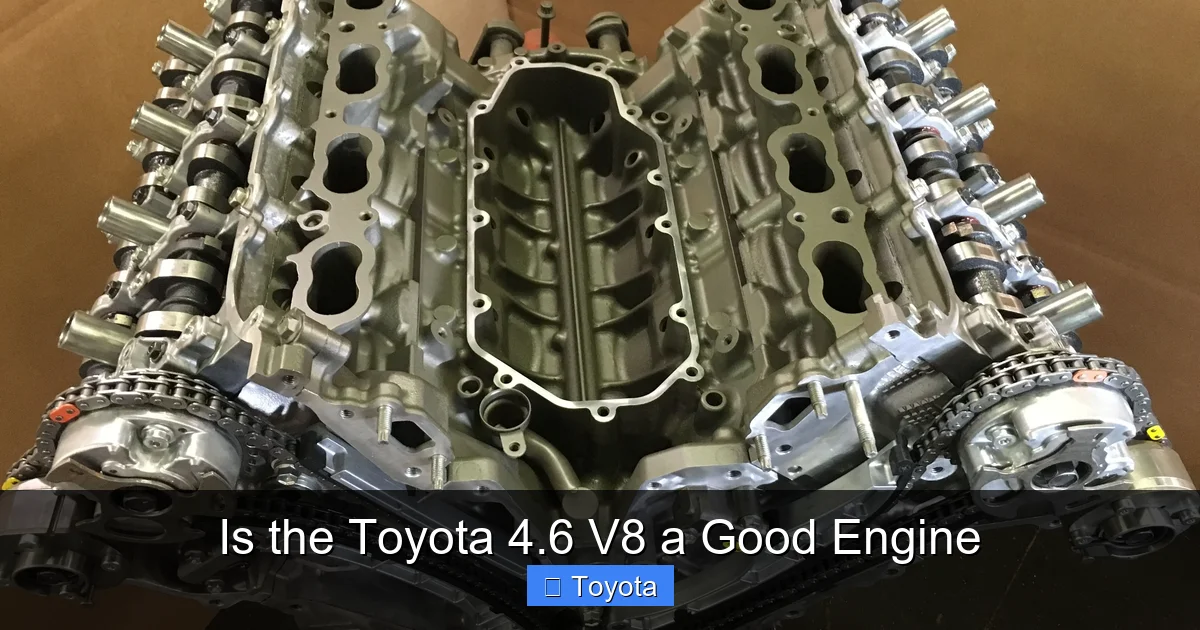
The Toyota 4.6 V8, officially known as the 1UR-FE, is a 4.6-liter naturally aspirated V8 engine introduced in 2006. It was designed to replace older V8s in Toyota’s full-size lineup and has since become a cornerstone of the brand’s truck and SUV offerings. Built with an aluminum block and heads, dual overhead camshafts (DOHC), and variable valve timing (VVT-i), the 4.6 V8 combines modern engineering with Toyota’s legendary reliability.
Visual guide about Is the Toyota 4.6 V8 a Good Engine
Image source: i.pinimg.com
Key Specifications
The 1UR-FE engine produces between 300 and 381 horsepower, depending on the model and model year, with torque ranging from 325 to 381 lb-ft. It’s paired with either a 5-speed or 6-speed automatic transmission, depending on the vehicle and production year. The engine’s design emphasizes smooth power delivery, low-end torque, and quiet operation—qualities that make it ideal for both city driving and heavy-duty tasks.
One of the standout features of the 4.6 V8 is its timing chain system. Unlike engines that use timing belts—which require replacement every 60,000 to 100,000 miles—the 4.6 V8 uses a robust timing chain that’s designed to last the life of the engine. This not only reduces maintenance costs but also eliminates the risk of catastrophic engine failure due to belt failure.
Where You’ll Find the 4.6 V8
The Toyota 4.6 V8 has been used in several popular models over the years, including:
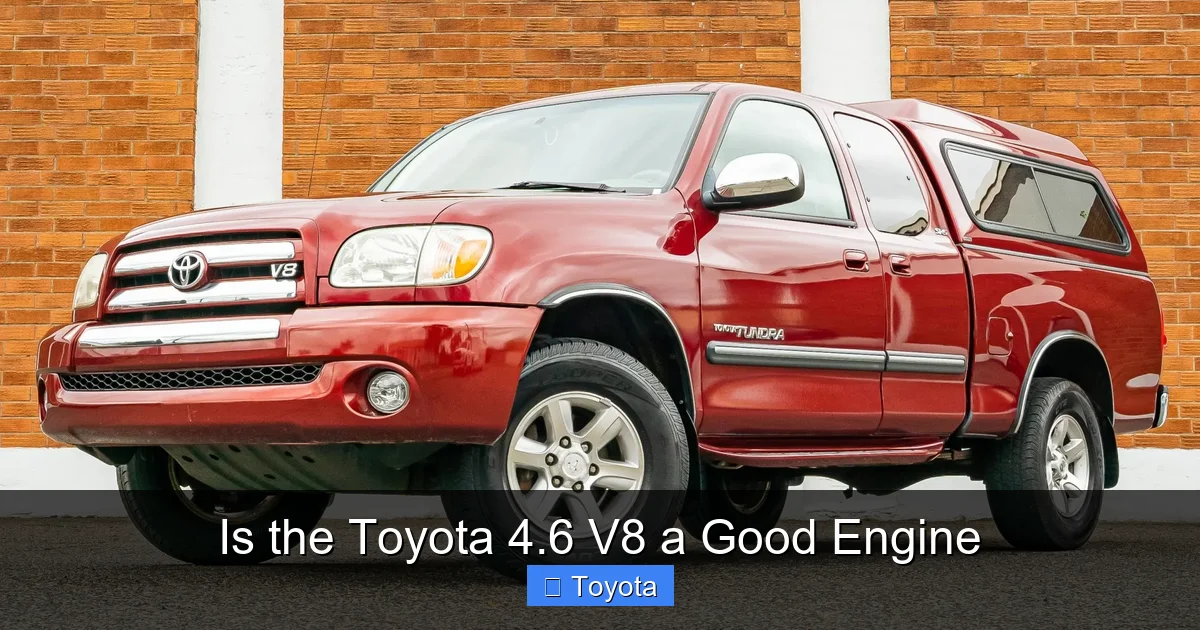
- Toyota Tundra (2007–2021): The full-size pickup truck that helped redefine Toyota’s presence in the American truck market.
- Toyota Sequoia (2008–2022): A full-size SUV known for its spacious interior and strong towing capacity.
- Toyota Land Cruiser (2008–2021): A luxury off-road SUV revered for its capability and durability.
These vehicles were often chosen by buyers who needed serious power and reliability—whether for towing boats, hauling equipment, or exploring remote areas. The 4.6 V8 was a key reason these models stood out in competitive segments.
Performance and Driving Experience
When it comes to performance, the Toyota 4.6 V8 delivers a driving experience that’s both powerful and refined. Unlike some V8s that feel rough or agricultural, this engine is smooth, quiet, and responsive—qualities that make it enjoyable for daily driving as well as heavy-duty use.
Visual guide about Is the Toyota 4.6 V8 a Good Engine
Image source: bringatrailer.com
Power Delivery and Throttle Response
The 4.6 V8 produces strong low-end and mid-range torque, which means it gets moving quickly from a stop and handles highway merging with ease. In the Tundra, for example, the engine feels confident when towing a 7,000-pound trailer up a steep grade. There’s no need to rev the engine excessively—the power is available right where you need it.
Throttle response is immediate and linear, thanks to electronic throttle control and precise engine management. Whether you’re accelerating from a stoplight or passing on a two-lane road, the engine responds predictably and without hesitation.
Towing and Hauling Capability
One of the biggest strengths of the 4.6 V8 is its towing and hauling performance. In the Tundra, the engine enables a maximum towing capacity of up to 10,500 pounds when properly equipped. That’s enough to handle most boats, campers, and trailers with ease. The Sequoia, meanwhile, can tow up to 7,400 pounds—making it a great choice for families who need a capable SUV.
The engine’s torque curve is broad and flat, meaning it maintains strong pulling power across a wide range of RPMs. This is especially helpful when climbing hills or driving with a heavy load. Unlike some smaller turbocharged engines that can struggle under load, the 4.6 V8 feels composed and capable even when working hard.
Off-Road and Rugged Use
The Land Cruiser, in particular, showcases the 4.6 V8’s off-road prowess. With its low-end grunt and smooth power delivery, the engine is well-suited for crawling over rocks, climbing steep inclines, and navigating challenging terrain. The engine’s reliability in extreme conditions has made it a favorite among overlanders and adventurers.
Even in the Tundra and Sequoia, the 4.6 V8 provides the kind of dependable performance that inspires confidence when driving off the beaten path. Whether you’re exploring backcountry trails or hauling gear to a remote job site, this engine won’t let you down.
Reliability and Longevity
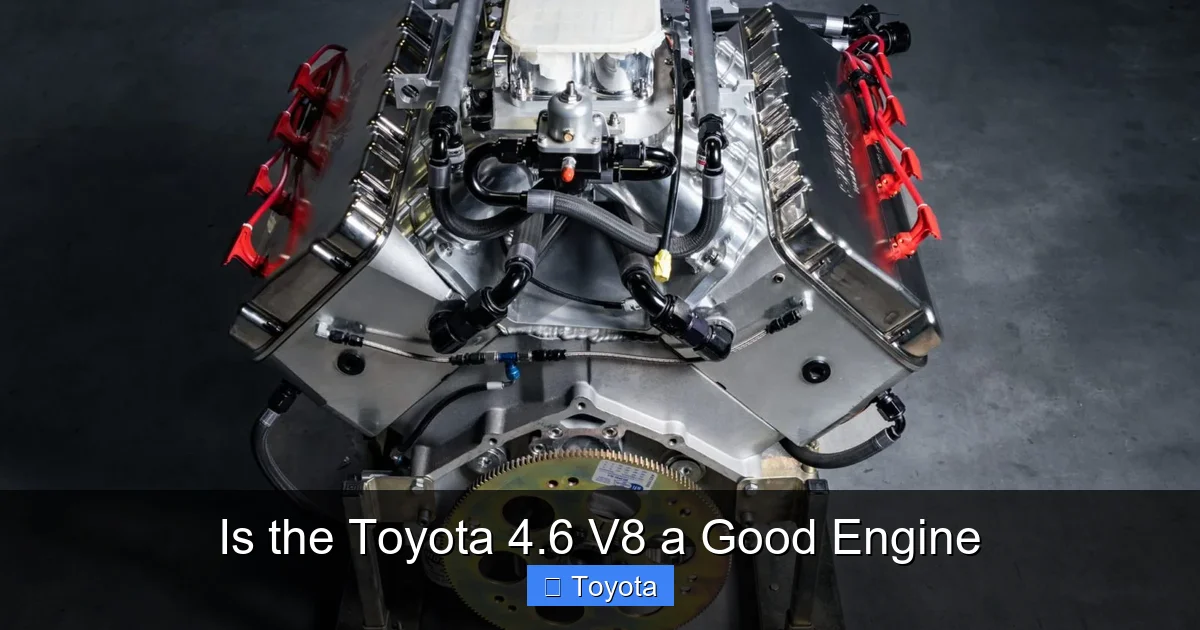
Perhaps the most impressive aspect of the Toyota 4.6 V8 is its reliability. Toyota has long been known for building vehicles that last, and the 4.6 V8 is no exception. With proper maintenance, this engine can easily surpass 300,000 miles—and many owners report even higher mileage with no major issues.
Visual guide about Is the Toyota 4.6 V8 a Good Engine
Image source: silodrome.com
Proven Track Record
Countless Tundra and Sequoia owners have shared stories of their vehicles reaching 250,000, 300,000, or even 400,000 miles with the original engine. These aren’t just anecdotes—Toyota’s reputation for durability is backed by real-world data and long-term owner feedback. The 4.6 V8’s robust construction, high-quality materials, and conservative tuning all contribute to its longevity.
Maintenance Requirements
Maintaining the 4.6 V8 is straightforward and relatively affordable. Regular oil changes every 5,000 to 7,500 miles are essential, as is using the recommended 5W-30 synthetic blend or full synthetic oil. The engine’s timing chain eliminates the need for costly timing belt replacements, and the cooling system is well-designed to prevent overheating.
Other routine maintenance includes replacing spark plugs every 100,000 miles, checking the air filter, and inspecting belts and hoses. The engine’s design minimizes the risk of common issues like sludge buildup or oil leaks, especially when oil changes are performed on schedule.
Common Issues (and How to Avoid Them)
While the 4.6 V8 is highly reliable, it’s not completely immune to problems—especially as it ages. Some high-mileage units have reported minor issues, including:
- Oil Consumption: A small number of engines may consume oil between changes, particularly after 150,000 miles. This is usually due to worn piston rings or valve seals. Regular oil level checks and top-offs can prevent damage.
- Mass Air Flow (MAF) Sensor Failures: Some owners report rough idle or reduced performance due to a faulty MAF sensor. Replacing the sensor (typically under $100) usually resolves the issue.
- Throttle Body Carbon Buildup: Over time, carbon deposits can accumulate in the throttle body, causing idle fluctuations. Cleaning the throttle body during routine maintenance can prevent this.
- Water Pump Leaks: In rare cases, the water pump may develop leaks. Replacing it early can prevent overheating and engine damage.
These issues are relatively minor and easy to address with regular maintenance. Most problems can be avoided entirely by following the manufacturer’s service schedule and using quality parts and fluids.
Fuel Economy and Efficiency
Let’s address the elephant in the room: fuel economy. The Toyota 4.6 V8 is not the most fuel-efficient engine on the market. In the Tundra, you can expect around 13–15 mpg in the city and 17–19 mpg on the highway, for a combined average of 14–16 mpg. The Sequoia and Land Cruiser are slightly less efficient, averaging 13–15 mpg combined.
How It Compares to Competitors
Compared to modern turbocharged V6 engines—like Ford’s 3.5L EcoBoost or GM’s 5.3L V8 with cylinder deactivation—the 4.6 V8 uses more fuel. For example, the Ford F-150 with the EcoBoost engine can achieve up to 20 mpg combined, while the Ram 1500 with the 5.7L Hemi averages around 17–19 mpg.
However, it’s important to consider what you’re getting in return. The 4.6 V8 offers naturally aspirated power, which means no turbo lag, no complex turbo systems to maintain, and no risk of turbo failure. It also runs on regular unleaded gasoline, unlike some high-performance engines that require premium fuel.
Is the Fuel Economy a Dealbreaker?
For buyers who prioritize fuel efficiency above all else, the 4.6 V8 may not be the best choice. But for those who value reliability, towing power, and a smooth driving experience, the fuel economy trade-off is often worth it. Many owners accept the higher fuel costs as a small price to pay for an engine that will last decades.
Additionally, the 4.6 V8’s efficiency is reasonable for its class. Full-size trucks and SUVs with V8 engines typically fall in the 13–17 mpg range, so the Toyota is right in line with the competition. If you’re using the vehicle for work, towing, or off-roading, the fuel economy is less of a concern.
Ownership Experience and Resale Value
Owning a vehicle with the Toyota 4.6 V8 is often a rewarding experience. These engines are known for their quiet operation, smooth power delivery, and low maintenance needs. Many owners report feeling confident behind the wheel, knowing their vehicle can handle just about anything they throw at it.
Resale Value
Toyota vehicles with the 4.6 V8 tend to hold their value exceptionally well. The Tundra, in particular, has one of the highest resale values in the full-size truck segment. This is due to the engine’s reputation for reliability, the vehicle’s rugged build quality, and strong demand in the used market.
Even high-mileage examples often sell for a premium compared to competitors. A well-maintained 2015 Tundra with 150,000 miles might still command a higher price than a similar Ford F-150 or Chevrolet Silverado with the same mileage.
Community and Support
Another benefit of owning a 4.6 V8-powered Toyota is the strong owner community. Online forums, social media groups, and local clubs are filled with enthusiasts who share maintenance tips, modification ideas, and troubleshooting advice. Whether you’re looking for a new air filter or advice on towing setup, help is never far away.
Parts availability is also excellent. Because the engine has been in production for nearly two decades, replacement components are widely available and relatively affordable. This makes repairs and upgrades easier and more cost-effective.
Conclusion: Is the Toyota 4.6 V8 a Good Engine?
So, is the Toyota 4.6 V8 a good engine? The answer is a resounding yes—especially for buyers who value reliability, power, and long-term durability. While it may not be the most fuel-efficient or technologically advanced engine on the market, it excels in the areas that matter most to truck and SUV owners: dependability, towing capability, and smooth performance.
The 4.6 V8 has proven itself in real-world conditions, from daily commutes to cross-country adventures. It’s built to last, easy to maintain, and delivers a driving experience that’s both powerful and refined. Whether you’re hauling a trailer, exploring the outdoors, or simply want a vehicle that won’t let you down, this engine is a solid choice.
Of course, no engine is perfect. The fuel economy is lower than some modern alternatives, and high-mileage units may require minor repairs. But for the majority of owners, these drawbacks are far outweighed by the engine’s strengths.
If you’re in the market for a used Tundra, Sequoia, or Land Cruiser, the 4.6 V8 is a compelling reason to consider these vehicles. With proper care, it will serve you well for hundreds of thousands of miles—making it one of the best V8 engines Toyota has ever built.
Frequently Asked Questions
How long does the Toyota 4.6 V8 engine last?
The Toyota 4.6 V8 is known for exceptional longevity and can easily last 300,000 miles or more with proper maintenance. Many owners report reaching 400,000 miles without major engine work.
What vehicles use the Toyota 4.6 V8 engine?
The 4.6 V8 (1UR-FE) was used in the Toyota Tundra (2007–2021), Sequoia (2008–2022), and Land Cruiser (2008–2021).
Does the Toyota 4.6 V8 have a timing belt or chain?
The 4.6 V8 uses a timing chain, not a belt. This eliminates the need for periodic replacement and reduces long-term maintenance costs.
Is the Toyota 4.6 V8 good for towing?
Yes, the 4.6 V8 is excellent for towing. In the Tundra, it enables a maximum towing capacity of up to 10,500 pounds, making it ideal for boats, trailers, and campers.
What are common problems with the Toyota 4.6 V8?
Common issues are rare but can include minor oil consumption, MAF sensor faults, and throttle body carbon buildup in high-mileage engines. Most are easily preventable with regular maintenance.
How many miles per gallon does the Toyota 4.6 V8 get?
Fuel economy ranges from 13–17 mpg combined, depending on the vehicle and driving conditions. It’s typical for a full-size V8 engine but less efficient than turbocharged alternatives.