Is Kia Better Than Nissan?

Contents
- 1 Key Takeaways
- 2 📑 Table of Contents
- 3 Introduction: The Great Car Brand Showdown
- 4 Reliability and Longevity: Who Lasts Longer?
- 5 Performance and Driving Experience
- 6 Technology and Interior Quality
- 7 Value and Ownership Costs
- 8 Electric and Hybrid Options
- 9 Customer Satisfaction and Brand Reputation
- 10 Conclusion: Which Brand Is Right for You?
- 11 Frequently Asked Questions


Deciding between Kia and Nissan depends on your priorities—Kia often wins on warranty, value, and modern tech, while Nissan offers strong performance and rugged SUVs. Both brands deliver solid reliability, but Kia edges ahead in customer satisfaction and long-term ownership perks.
Key Takeaways
- Kia offers a superior 10-year/100,000-mile warranty compared to Nissan’s 5-year/60,000-mile coverage, giving buyers more peace of mind.
- Nissan excels in performance-oriented models like the Z sports car and rugged trucks such as the Titan and Frontier.
- Kia leads in interior design and tech integration, with user-friendly infotainment systems and premium-feeling cabins across its lineup.
- Nissan provides strong value in the midsize SUV segment, especially with the Pathfinder and Murano offering spacious interiors and smooth rides.
- Both brands have improved reliability scores, but Kia consistently ranks higher in J.D. Power and Consumer Reports surveys.
- Kia’s electric and hybrid options are more advanced, with the EV6 standing out as a top-tier EV, while Nissan’s Leaf feels dated.
- Resale value favors Kia slightly, particularly for compact cars like the Forte and SUVs like the Sportage.
📑 Table of Contents
Introduction: The Great Car Brand Showdown
Choosing a new car is no small decision. You’re not just buying transportation—you’re investing in reliability, safety, comfort, and long-term value. Two brands that often come up in the conversation are Kia and Nissan. Both have loyal followings, competitive pricing, and a wide range of vehicles from compact sedans to rugged SUVs. But when it comes down to it, which one truly delivers more for your money?
Kia has undergone a remarkable transformation over the past decade. Once seen as a budget brand, it’s now known for sleek designs, advanced technology, and industry-leading warranties. Nissan, on the other hand, has long been a staple in the American market, offering dependable vehicles with a focus on performance and utility. From the iconic Z sports car to the hardworking Frontier truck, Nissan has built a reputation for versatility.
So, is Kia better than Nissan? The answer isn’t black and white. It depends on what you value most in a vehicle. In this detailed comparison, we’ll break down everything from reliability and safety to performance, technology, and ownership costs. Whether you’re shopping for a family SUV, a fuel-efficient commuter, or a sporty ride, this guide will help you decide which brand aligns best with your lifestyle.
Reliability and Longevity: Who Lasts Longer?

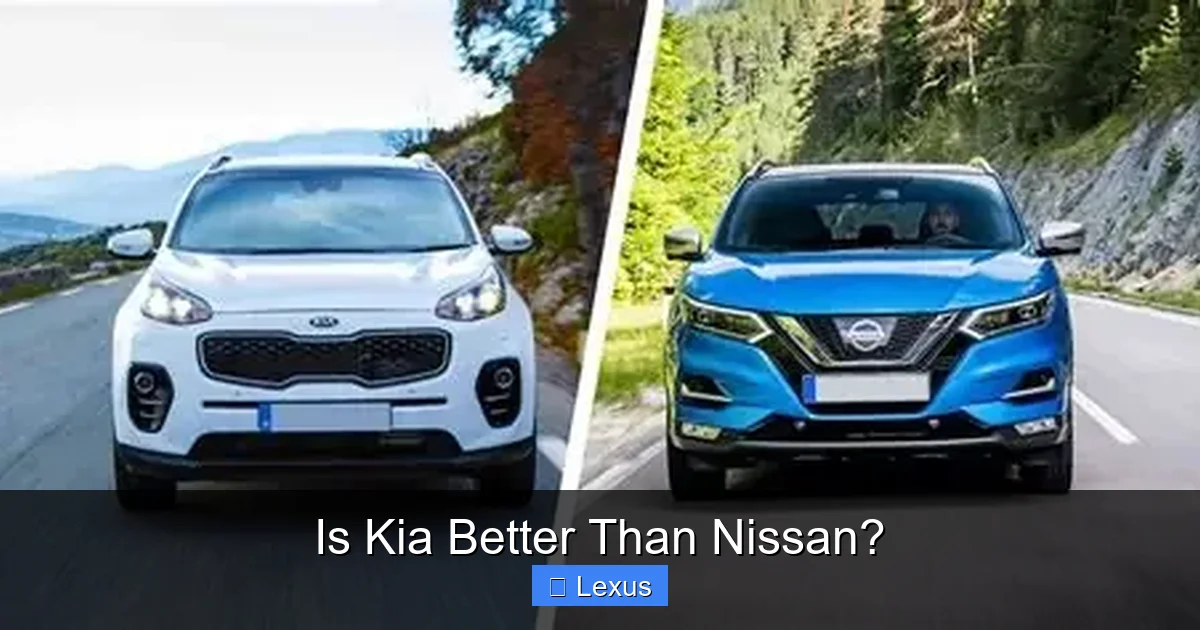
Visual guide about Is Kia Better Than Nissan?
Image source: autozonic.com
When you buy a car, you want it to last. Reliability isn’t just about avoiding breakdowns—it’s about minimizing repair costs, downtime, and stress. Both Kia and Nissan have made significant strides in improving their reliability over the years, but recent data suggests Kia has pulled ahead.
According to J.D. Power’s 2023 Vehicle Dependability Study, Kia ranks among the top non-luxury brands, often placing in the top three. Nissan, while improving, typically falls in the middle of the pack. Consumer Reports also gives Kia higher marks for predicted reliability, especially for models like the Soul, Forte, and Sportage. Nissan’s Altima and Rogue score decently, but some older models have had issues with continuously variable transmissions (CVTs), which can be costly to repair.
One major factor in Kia’s favor is its warranty. Kia offers a 10-year/100,000-mile powertrain warranty and a 5-year/60,000-mile basic warranty. That’s one of the best in the industry. Nissan, by contrast, provides a 5-year/60,000-mile powertrain warranty and a 3-year/36,000-mile basic warranty. For buyers planning to keep their car long-term, Kia’s coverage can save thousands in potential repair bills.
Real-World Ownership Experiences
Talk to long-term owners, and you’ll hear consistent themes. Kia drivers often praise the brand’s durability and low maintenance costs. Many report driving their Kias well past 150,000 miles with minimal issues. Nissan owners, particularly those with Rogue or Altima models, sometimes mention CVT problems after 80,000–100,000 miles, though newer models have addressed some of these concerns.
For example, a 2020 Kia Sportage owner in Ohio reported driving over 120,000 miles with only routine maintenance—oil changes, tire rotations, and brake pads. Meanwhile, a 2018 Nissan Rogue owner in Texas experienced transmission hesitation and eventually needed a software update from the dealer. These anecdotes aren’t universal, but they reflect broader trends in reliability data.
Tips for Maximizing Vehicle Lifespan
No matter which brand you choose, proper maintenance is key. Follow the manufacturer’s service schedule, use quality parts, and address small issues before they become big problems. If you’re considering a used Kia or Nissan, check the vehicle history report and look for models with complete service records. Kia’s longer warranty also makes certified pre-owned (CPO) models a smart choice.
Performance and Driving Experience
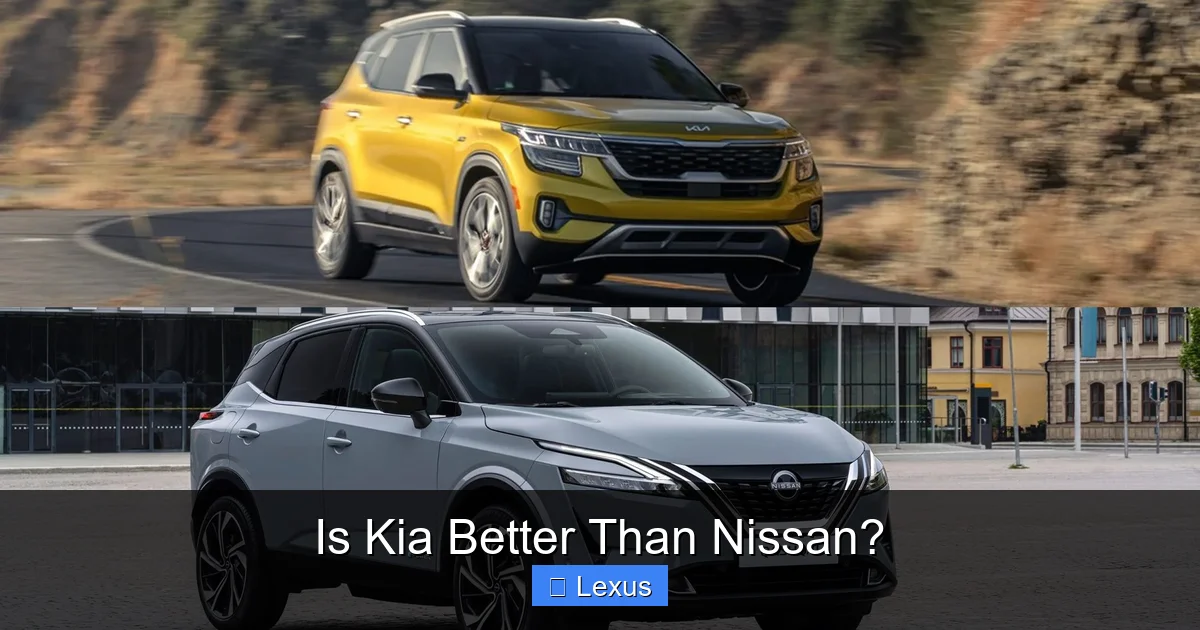
Visual guide about Is Kia Better Than Nissan?
Image source: goodcarbadcar.net
Performance isn’t just about speed—it’s about how a car feels on the road, handles corners, and responds to your input. Here, Nissan has a slight edge in certain categories, especially when it comes to sporty driving and off-road capability.
Nissan’s performance legacy is anchored by the Z series. The 2023 Nissan Z, with its twin-turbo V6 engine and rear-wheel drive, is a modern classic that rivals premium sports cars. It’s raw, engaging, and a joy to drive. Kia doesn’t have a direct competitor in this segment, though the Stinger offers a sporty liftback experience with strong acceleration and handling.
In the SUV and truck space, Nissan shines with models like the Frontier and Titan. The Frontier is a no-nonsense midsize truck with a proven V6 engine and excellent towing capacity. The Titan, while less popular, offers a powerful V8 and a comfortable ride. Kia’s pickup offerings are limited—currently, it doesn’t sell trucks in the U.S.—so if you need a workhorse, Nissan is the clear choice.
Daily Driving and Comfort
For everyday commuting and family trips, both brands deliver smooth, comfortable rides. Kia’s newer models, like the Sorento and Telluride, are praised for their quiet cabins, responsive steering, and refined suspensions. The Telluride, in particular, has won numerous awards for its upscale feel and smooth ride quality.
Nissan’s Rogue and Pathfinder also offer comfortable rides, with soft suspensions that absorb bumps well. However, some drivers note that Nissan’s steering can feel vague at higher speeds, while Kia’s tuning tends to be more direct and confidence-inspiring.
Fuel efficiency is another consideration. Kia’s Forte and Rio are among the most fuel-efficient compact cars, with EPA ratings up to 35 mpg combined. Nissan’s Sentra and Altima are competitive, but often fall just short of Kia’s numbers. For hybrid and electric options, Kia’s Niro and EV6 are standout choices, while Nissan’s Leaf, though pioneering, feels outdated compared to newer EVs.
Off-Road and Utility
If you need a vehicle that can handle rough terrain, Nissan has the advantage. The Frontier Pro-4X and Pathfinder Rock Creek edition come with skid plates, all-terrain tires, and enhanced suspension. Kia’s Telluride and Sorento offer all-wheel drive, but they’re more suited to light off-roading and snowy conditions than serious trail use.
For buyers who prioritize adventure and capability, Nissan’s truck and SUV lineup is hard to beat. But for city driving, highway cruising, and family hauling, Kia’s balance of comfort, efficiency, and refinement gives it an edge.
Technology and Interior Quality

Visual guide about Is Kia Better Than Nissan?
Image source: autozonic.com
Modern cars are more than just engines and wheels—they’re mobile tech hubs. Infotainment systems, driver assistance features, and interior materials all play a role in the overall ownership experience. In this area, Kia has made significant strides and now leads the pack.
Kia’s UVO infotainment system is intuitive, responsive, and well-integrated. Most models come with an 8- or 10.25-inch touchscreen, Apple CarPlay, Android Auto, and available navigation. Higher trims add wireless charging, premium audio systems (like Harman Kardon), and digital instrument clusters. The layout is clean, buttons are well-placed, and the system rarely lags.
Nissan’s NissanConnect system is functional but often criticized for being slow and outdated. While it includes standard smartphone integration, the interface feels clunky compared to Kia’s. Some models still use resistive touchscreens, which require more pressure and aren’t as smooth as capacitive ones.
Safety and Driver Assistance
Both brands offer advanced safety features, but Kia tends to include more standard tech across its lineup. Kia’s Drive Wise suite includes forward collision warning, automatic emergency braking, lane keeping assist, and adaptive cruise control—even on base models. Nissan’s Safety Shield 360 is similarly comprehensive, but some features are only available on higher trims.
In crash tests, both brands perform well. The Insurance Institute for Highway Safety (IIHS) gives top safety picks to models like the Kia Telluride, Sorento, and Forte, as well as the Nissan Rogue and Altima. However, Kia’s consistent inclusion of safety tech at all trim levels gives it a slight advantage for budget-conscious buyers.
Interior Materials and Design
Step inside a Kia, and you’ll notice soft-touch plastics, stitched dashboards, and available leather or synthetic leather seating. The Telluride, in particular, feels luxurious, with wood trim, ambient lighting, and a panoramic sunroof. Even compact models like the Forte have upscale touches that rival entry-level luxury cars.
Nissan’s interiors are functional but often feel more utilitarian. While the Pathfinder and Murano offer decent materials, they don’t match Kia’s attention to detail. The dashboard layouts are straightforward, but some buttons and controls feel dated. For buyers who value a premium cabin experience, Kia is the better choice.
Value and Ownership Costs
Price is a major factor for most car buyers. Both Kia and Nissan offer competitive pricing, but Kia often delivers more standard features for the money. For example, the 2024 Kia Sportage starts around $27,000 and includes a 10.25-inch touchscreen, wireless Apple CarPlay, and a suite of driver aids. The similarly sized Nissan Rogue starts at $28,500 and requires a higher trim to match those features.
Depreciation is another cost to consider. According to Kelley Blue Book, Kia vehicles tend to hold their value slightly better than Nissan’s, especially in the compact and midsize SUV categories. The Kia Soul, for instance, has one of the best resale values in its class. Nissan’s resale values are solid but not exceptional.
Fuel and Maintenance Costs
Kia’s focus on fuel efficiency helps keep long-term costs down. Models like the Niro hybrid and EV6 electric offer excellent range and low operating expenses. Nissan’s hybrids and EVs are less advanced, with the Leaf offering around 150 miles of range—less than half of the EV6’s 300+ miles.
Maintenance costs are similar between the two brands, but Kia’s longer warranty can offset potential repair bills. Nissan’s CVT issues, while less common in newer models, can still lead to expensive fixes out of warranty. Regular maintenance—oil changes, tire rotations, brake inspections—is essential for both brands to avoid costly problems.
Incentives and Financing
Both Kia and Nissan offer competitive financing rates and lease deals, especially during promotional periods. Kia often includes cashback offers and low APR financing, while Nissan may offer loyalty bonuses for returning customers. Be sure to compare total cost of ownership, including insurance, taxes, and fees, not just the sticker price.
Electric and Hybrid Options
The future of driving is electric, and Kia is ahead of the curve. The Kia EV6 is one of the most impressive EVs on the market, with fast charging, a sleek design, and up to 310 miles of range. It’s quick, fun to drive, and packed with tech. The Niro EV and hybrid versions also offer excellent efficiency and practicality.
Nissan pioneered the mass-market EV with the Leaf, but it’s showing its age. The 2024 Leaf offers up to 212 miles of range, but its design, charging speed, and interior feel outdated compared to rivals. Nissan has announced plans for new EVs, but they’re still a few years away.
For eco-conscious buyers, Kia’s electrified lineup is more compelling. Whether you’re looking for a hybrid, plug-in hybrid, or full EV, Kia offers more choices and better performance.
Customer Satisfaction and Brand Reputation
At the end of the day, how happy are owners with their purchase? Surveys and reviews consistently show higher satisfaction rates for Kia. J.D. Power’s Customer Satisfaction Index ranks Kia above Nissan in multiple categories, including sales experience, service quality, and vehicle appeal.
Nissan has a strong reputation for durability and value, but some customers report frustration with dealership service and outdated technology. Kia’s focus on design, warranty, and customer care has earned it a loyal following. The brand’s “Movement that Inspires” campaign reflects its shift toward innovation and emotional connection.
Conclusion: Which Brand Is Right for You?
So, is Kia better than Nissan? The answer depends on your needs. If you value a long warranty, modern tech, stylish design, and strong resale value, Kia is the clear winner. It’s ideal for families, commuters, and anyone who wants a reliable, feature-rich vehicle without breaking the bank.
Nissan shines if you need a performance car, a rugged truck, or a budget-friendly SUV with decent capability. It’s a solid choice for buyers who prioritize utility and driving excitement over cutting-edge tech.
Ultimately, both brands offer excellent vehicles. But if you’re looking for the best overall package—reliability, value, technology, and peace of mind—Kia edges out Nissan in most categories. Take both for a test drive, compare features and pricing, and choose the one that feels right for your lifestyle.
Frequently Asked Questions
Is Kia more reliable than Nissan?
Yes, Kia generally ranks higher in reliability studies from J.D. Power and Consumer Reports. Its longer warranty and consistent performance give it an edge over Nissan, especially in long-term ownership.
Which brand has better fuel efficiency?
Kia typically offers better fuel economy, especially in compact cars and hybrids. Models like the Forte and Niro outperform Nissan’s Sentra and Rogue in EPA ratings.
Does Nissan make better trucks than Kia?
Yes, Nissan offers the Frontier and Titan trucks, while Kia does not sell pickups in the U.S. If you need a truck, Nissan is the better choice.
Are Kia interiors nicer than Nissan’s?
Kia interiors are generally more upscale, with better materials, modern designs, and more standard tech features compared to Nissan’s more utilitarian cabins.
Which brand has better electric vehicles?
Kia leads with the EV6 and Niro EV, offering longer range, faster charging, and more advanced features than Nissan’s Leaf.
Do Kia and Nissan have good resale value?
Kia vehicles tend to hold their value slightly better, especially in the SUV and compact car segments, while Nissan’s resale values are decent but not top-tier.