Is It Legal to Sell a Car Without Smog in California
In California, it is generally illegal to sell a car without a valid smog check—unless specific exceptions apply. Sellers must provide a current smog certificate, and failure to do so can result in fines or legal issues. Always verify the rules based on your vehicle type and sale circumstances.
If you’re thinking about selling your car in California, you’ve probably heard the term “smog check” thrown around. Maybe you’ve even wondered, “Is it legal to sell a car without smog in California?” The short answer is: usually, no. But like most things in life, there are nuances, exceptions, and important details that every seller—and buyer—should understand.
California has some of the strictest air quality regulations in the United States, and vehicle emissions are a major focus. The state’s Smog Check Program is designed to reduce harmful pollutants released by cars, helping to improve air quality and public health. Because of this, the rules around selling a vehicle are tightly regulated. Whether you’re selling a sedan, SUV, or pickup truck, you’re likely required to provide a valid smog certificate before the sale can be finalized.
But what exactly does that mean for you as a seller? What if your car hasn’t passed a smog test recently? Are there situations where you can legally skip the smog check? And what happens if you try to sell a car without one? In this guide, we’ll walk you through everything you need to know about selling a car in California, with a focus on smog requirements, legal responsibilities, and practical tips to make the process smooth and compliant.
In This Article
- 1 Key Takeaways
- 2 📑 Table of Contents
- 3 Understanding California’s Smog Check Program
- 4 Legal Requirements for Selling a Car in California
- 5 Step-by-Step Guide to Selling a Car with a Smog Check
- 6 Common Misconceptions About Selling a Car Without Smog
- 6.1 Myth 1: “I Can Sell My Car Without a Smog Check If the Buyer Agrees”
- 6.2 Myth 2: “Only Dealerships Need to Provide Smog Certificates”
- 6.3 Myth 3: “I Can Skip the Smog Check If I’m Selling to a Family Member”
- 6.4 Myth 4: “If My Car Passed Smog Last Year, I Don’t Need Another Check”
- 6.5 Myth 5: “Electric Cars Are Exempt, So I Don’t Need to Do Anything”
- 7 Tips for Sellers to Avoid Legal and Financial Pitfalls
- 8 What Buyers Should Know
- 9 Conclusion
- 10 Frequently Asked Questions
- 10.1 Can I sell my car in California without a smog check?
- 10.2 Are there any exceptions to the smog requirement when selling a car?
- 10.3 What happens if I sell a car without a smog certificate in California?
- 10.4 Do I need a smog check if I’m selling my car to a family member?
- 10.5 How long is a smog certificate valid for selling a car?
- 10.6 Can a buyer refuse to buy a car if it doesn’t have a smog certificate?
Key Takeaways
- Smog checks are required for most vehicle sales: In California, nearly all gasoline-powered vehicles over four years old must pass a smog inspection before being sold.
- Sellers must provide a valid smog certificate: The seller is legally responsible for obtaining and providing a smog certificate that is no more than 90 days old at the time of sale.
- Exceptions exist for certain vehicles: New cars, diesel vehicles over 14,000 pounds, electric vehicles, and motorcycles are typically exempt from smog requirements when sold.
- Private sales have the same rules as dealerships: Whether you’re selling to a friend or through a dealer, the smog law applies equally to all private and commercial transactions.
- Failure to comply can lead to penalties: Selling a car without a proper smog check can result in fines, registration denial, or even legal action from the buyer.
- Buyers should verify smog status: Always ask for the smog certificate and consider getting an independent inspection to avoid future headaches.
- Timing matters: The smog test must be completed within 90 days before the sale, and the certificate must be submitted during registration transfer.
📑 Table of Contents
Understanding California’s Smog Check Program
California’s Smog Check Program was established in 1982 as part of the state’s broader effort to combat air pollution. Vehicles are one of the largest sources of smog-forming emissions, including nitrogen oxides (NOx) and volatile organic compounds (VOCs). The program requires most gasoline-powered vehicles to undergo regular emissions testing to ensure they meet state standards.
The goal is simple: keep dirty cars off the road. By requiring smog checks, California aims to reduce air pollution, protect public health, and meet federal clean air mandates. The program is administered by the California Bureau of Automotive Repair (BAR), which oversees smog check stations, certifies technicians, and enforces compliance.
Who Needs a Smog Check?
Not every vehicle in California needs a smog check, but the vast majority do. Generally, any gasoline-powered vehicle that is four years old or older must undergo a smog inspection. This includes cars, trucks, vans, and SUVs registered in California. The requirement applies regardless of whether the vehicle is being sold, registered for the first time, or renewing its registration.
New vehicles are exempt from their first smog check for the first six years. After that, they must be tested every two years. Diesel-powered vehicles have different rules—those model year 1998 and newer with a gross vehicle weight rating (GVWR) under 14,000 pounds must also undergo smog checks.
How Often Are Smog Checks Required?
For most vehicles, a smog check is required every two years during registration renewal. However, when selling a vehicle, the rules are different. The seller must provide a smog certificate that is no more than 90 days old at the time of sale. This means the test must have been completed within the last three months.
For example, if you’re planning to sell your 2018 Honda Civic in June, you’ll need to get a smog check no earlier than March. If your last smog test was in January, it would be too old, and you’d need to get a new one.
Where Can You Get a Smog Check?
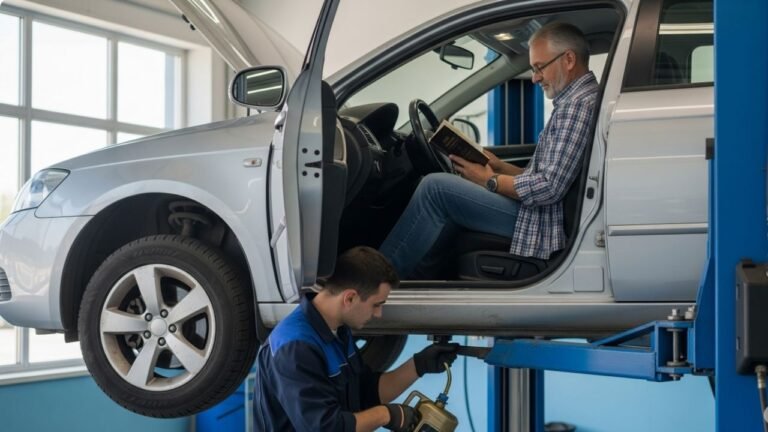
Smog checks must be performed at a state-licensed smog check station. These are typically auto repair shops, smog-only facilities, or dealerships with certified technicians. You can find a nearby station using the BAR’s online locator tool.
During the test, a technician will inspect your vehicle’s emissions control systems, including the exhaust, fuel evaporative system, and onboard diagnostics (OBD-II). The vehicle will also undergo a visual inspection and a functional test, such as a tailpipe emissions test or a dynamometer test, depending on the vehicle type and model year.
Legal Requirements for Selling a Car in California
Visual guide about Is It Legal to Sell a Car Without Smog in California
Image source: images.squarespace-cdn.com
Now that you understand the basics of the smog check program, let’s dive into the legal side of selling a car in California. The state has clear rules about what sellers must do before transferring ownership, and smog compliance is a major part of that.
Seller’s Responsibility for Smog Certification
Under California law, the seller is legally required to provide a valid smog certificate when selling a vehicle. This applies to private sales, sales to dealerships, and even gifts between family members (in most cases). The certificate must be issued within 90 days of the sale and must be submitted to the California Department of Motor Vehicles (DMV) when the buyer registers the vehicle.
The smog certificate is not just a formality—it’s a legal document. Without it, the DMV will not process the registration transfer, and the buyer cannot legally drive the car on public roads. This means that even if you and the buyer agree to skip the smog check, the transaction cannot be completed through official channels.
What Happens If You Don’t Provide a Smog Certificate?
Selling a car without a smog certificate is a violation of California law. If you attempt to transfer ownership without one, the DMV will reject the application. The buyer may also refuse to complete the purchase or demand a refund if they discover the issue later.
In some cases, sellers have been sued by buyers for failing to disclose smog issues or for selling a vehicle that cannot pass inspection. While rare, these legal disputes can be costly and time-consuming. Additionally, knowingly selling a vehicle that fails smog standards could result in fines or penalties from the BAR.
Exceptions to the Smog Requirement
While most vehicles require a smog check before sale, there are some important exceptions:
– **New vehicles:** Cars that are less than four years old are exempt from smog checks during the initial sale. However, if the vehicle is four years or older, the rule applies.
– **Electric vehicles (EVs):** Fully electric cars produce zero tailpipe emissions and are exempt from smog checks.
– **Diesel vehicles over 14,000 GVWR:** Heavy-duty diesel trucks and buses are not subject to the same smog requirements.
– **Motorcycles:** Motorcycles are generally exempt from smog checks in California.
– **Out-of-state vehicles:** If you’re selling a vehicle that was registered outside California, different rules may apply. However, once the vehicle is registered in California, it must comply with state smog laws.
It’s important to note that even if a vehicle is exempt, the seller should still disclose this to the buyer to avoid confusion.
Step-by-Step Guide to Selling a Car with a Smog Check
Visual guide about Is It Legal to Sell a Car Without Smog in California
Image source: images.squarespace-cdn.com
Selling a car in California doesn’t have to be complicated—if you follow the right steps. Here’s a practical guide to help you navigate the process smoothly and legally.
Step 1: Determine if Your Vehicle Needs a Smog Check
First, check the age and type of your vehicle. If it’s a gasoline-powered car that’s four years or older, you’ll need a smog check. Use the DMV’s online tools or consult the BAR website to confirm your vehicle’s status.
If your car is new (less than four years old), electric, or falls under another exemption, you may not need a smog check. However, it’s still a good idea to get one if the buyer requests it, as it can increase the car’s value and appeal.
Step 2: Get a Smog Check from a Licensed Station
Schedule an appointment at a state-licensed smog check station. Bring your vehicle registration, driver’s license, and proof of insurance. The technician will perform the inspection and provide a certificate if your car passes.
If your vehicle fails, you’ll receive a report detailing the issues. You’ll need to have the repairs done and retest the vehicle. Some stations offer free retests within a certain period, so ask about their policy.
Step 3: Prepare the Smog Certificate for the Buyer
Once your car passes, you’ll receive a smog certificate. Keep this document safe—you’ll need to give it to the buyer. The certificate includes important details like the vehicle identification number (VIN), test date, and station information.
Make sure the certificate is no more than 90 days old at the time of sale. If it expires before the sale is completed, you’ll need to get a new one.
Step 4: Complete the Sale and Transfer Ownership
When you’re ready to sell, meet the buyer and complete the transaction. Provide the smog certificate along with the signed title, bill of sale, and any other required documents.
The buyer will need to submit these documents to the DMV to register the vehicle in their name. Without the smog certificate, the DMV will not process the transfer.
Step 5: Notify the DMV of the Sale
After the sale, you should notify the DMV that you’ve transferred ownership. This protects you from liability if the buyer gets a ticket or causes an accident before registering the car. You can do this online, by mail, or in person.
Common Misconceptions About Selling a Car Without Smog
Despite clear laws, many people still have misconceptions about selling a car without a smog check in California. Let’s clear up some of the most common myths.
Myth 1: “I Can Sell My Car Without a Smog Check If the Buyer Agrees”
Some sellers believe that if the buyer is willing to accept the car “as-is” without a smog check, it’s legal. This is false. The smog requirement is a state law, not a negotiable term. Even if both parties agree, the DMV will not process the registration without a valid certificate.
Myth 2: “Only Dealerships Need to Provide Smog Certificates”
This is a common mistake. The law applies equally to private sellers and dealerships. Whether you’re selling your car on Craigslist or trading it in at a dealership, you’re still required to provide a smog certificate if the vehicle is subject to the rule.
Myth 3: “I Can Skip the Smog Check If I’m Selling to a Family Member”
In most cases, no. Gifts between family members are sometimes exempt from smog requirements, but only under specific conditions. For example, if you’re transferring a vehicle to your spouse, child, or parent, and the vehicle remains registered in the family, a smog check may not be required. However, if the vehicle is being sold (even for $1), the rule usually applies.
Always check with the DMV or a legal expert if you’re unsure.
Myth 4: “If My Car Passed Smog Last Year, I Don’t Need Another Check”
Not true. The smog certificate must be current—within 90 days of the sale. Even if your car passed six months ago, it’s too old. You’ll need a new test to comply with the law.
Myth 5: “Electric Cars Are Exempt, So I Don’t Need to Do Anything”
While electric vehicles are exempt from smog checks, you should still inform the buyer. Transparency builds trust and avoids confusion during the sale process.
Tips for Sellers to Avoid Legal and Financial Pitfalls
Selling a car can be stressful, especially when dealing with regulations. Here are some practical tips to help you avoid common mistakes and ensure a smooth, legal transaction.
Get the Smog Check Early
Don’t wait until the last minute. Schedule your smog check as soon as you decide to sell. This gives you time to address any issues if the car fails. It also ensures the certificate is still valid when you find a buyer.
Be Honest About the Vehicle’s Condition
Disclose any known mechanical or emissions problems to the buyer. Hiding issues can lead to disputes, refund demands, or even lawsuits. A transparent seller builds trust and reduces the risk of legal trouble.
Keep All Documentation Organized
Store your smog certificate, title, maintenance records, and bill of sale in a safe place. Having everything ready makes the sale process faster and more professional.
Use a Bill of Sale
Even though it’s not always required, a bill of sale protects both parties. It should include the vehicle details, sale price, date, and signatures of both buyer and seller. You can find free templates online or use the DMV’s form.
Consider a Pre-Sale Inspection
In addition to the smog check, consider getting a full pre-sale inspection from a trusted mechanic. This can uncover hidden issues and give the buyer confidence in the purchase. It may also help you justify your asking price.
Know Your Rights and Responsibilities
Familiarize yourself with California’s vehicle sale laws. The DMV and BAR websites offer helpful resources. If you’re unsure about anything, consult a legal professional or contact the DMV directly.
What Buyers Should Know
While this guide focuses on sellers, buyers also play a crucial role in ensuring a legal and fair transaction. Here’s what you should know if you’re purchasing a used car in California.
Always Ask for the Smog Certificate
Before finalizing the purchase, ask the seller for a valid smog certificate. Verify that it’s no more than 90 days old and matches the vehicle’s VIN. If the seller can’t provide one, walk away—unless the vehicle is exempt.
Check the Vehicle’s Smog History
You can look up a vehicle’s smog history using the BAR’s online database. Enter the VIN to see past test results, repairs, and compliance status. This can help you spot red flags, such as repeated failures or tampering.
Get an Independent Inspection
Even if the car passed smog, consider getting an independent inspection. A mechanic can check for mechanical issues, accident damage, or signs of emissions tampering that the smog test might miss.
Understand “As-Is” Sales
In California, most private car sales are “as-is,” meaning the buyer accepts the vehicle in its current condition. However, this doesn’t exempt the seller from providing a smog certificate. The law still applies.
Report Fraud or Non-Compliance
If you discover that a seller provided a fake smog certificate or failed to disclose emissions issues, you can report them to the BAR or DMV. This helps protect other buyers and holds sellers accountable.
Conclusion
So, is it legal to sell a car without smog in California? The answer is clear: in most cases, no. California’s strict emissions laws require nearly all gasoline-powered vehicles over four years old to pass a smog check before being sold. Sellers must provide a valid certificate, and failure to do so can result in legal and financial consequences.
While there are exceptions—such as new cars, electric vehicles, and certain diesel trucks—the rule of thumb is simple: when in doubt, get a smog check. It’s not just about following the law; it’s about protecting yourself, the buyer, and the environment.
By understanding your responsibilities, preparing in advance, and staying informed, you can sell your car confidently and legally. Whether you’re upgrading to a new vehicle or simply decluttering your driveway, a little knowledge goes a long way in making the process smooth and stress-free.
Remember, California’s smog laws are in place for a reason—to keep our air clean and our roads safe. By complying with these rules, you’re not just avoiding fines; you’re contributing to a healthier, more sustainable future for everyone.
Frequently Asked Questions
Can I sell my car in California without a smog check?
No, in most cases you cannot legally sell a car in California without a smog check. Gasoline-powered vehicles over four years old must pass a smog inspection, and the seller must provide a valid certificate no more than 90 days old at the time of sale.
Are there any exceptions to the smog requirement when selling a car?
Yes, exceptions include new vehicles (less than four years old), fully electric vehicles, diesel vehicles over 14,000 pounds GVWR, motorcycles, and certain family transfers. However, always verify with the DMV to ensure compliance.
What happens if I sell a car without a smog certificate in California?
The DMV will not process the registration transfer without a valid smog certificate. The buyer may refuse the purchase, demand a refund, or take legal action. Sellers may also face fines or penalties from the Bureau of Automotive Repair.
Do I need a smog check if I’m selling my car to a family member?
It depends. Gifts between immediate family members (like spouses or parents and children) may be exempt, but if money changes hands—even $1—the smog requirement usually applies. Check with the DMV for specific rules.
How long is a smog certificate valid for selling a car?
A smog certificate is valid for 90 days from the date of inspection. It must be current at the time of sale and submitted during the registration transfer process.
Can a buyer refuse to buy a car if it doesn’t have a smog certificate?
Yes, buyers can and often do refuse to purchase a vehicle without a valid smog certificate. Since the DMV won’t register the car without it, most buyers will walk away unless the vehicle is exempt.