
Is It Legal to Sell a Car with an Open Title

Selling a car with an open title—meaning the title isn’t signed over to a buyer—can be legal in many states, but it comes with risks and requirements. Understanding your state’s motor vehicle laws, proper documentation, and buyer-seller responsibilities is crucial to avoid legal trouble or financial loss.
Key Takeaways
- An open title means the seller hasn’t signed the title over to the buyer. This leaves the transfer incomplete and can create legal complications.
- Legality varies by state. Some states allow sales with open titles if proper paperwork is filed, while others require a signed title at the time of sale.
- Buyers assume liability risks. Without a signed title, the buyer may struggle to register the vehicle or prove ownership.
- Sellers remain legally responsible. If the car is involved in an accident or used illegally before the title is transferred, the original owner may still be liable.
- Use a bill of sale and release of liability form. These documents help protect both parties when the title isn’t signed immediately.
- Always check your state’s DMV rules. Requirements for title transfers differ widely across the U.S.
- Consider waiting to finalize the sale until the title is signed. This reduces risk for both buyer and seller.
📑 Table of Contents
- Understanding What an Open Title Means
- Is It Legal to Sell a Car with an Open Title?
- Risks of Selling a Car with an Open Title
- How to Protect Yourself When Selling or Buying with an Open Title
- Alternatives to Selling with an Open Title
- What to Do If You’ve Already Sold a Car with an Open Title
- Conclusion
Understanding What an Open Title Means
When you hear the term “open title,” it simply means that the vehicle’s title has not been signed over to the new owner. The title remains in the seller’s name, even after the car has been sold and delivered. This situation often arises when a seller forgets to sign the title, loses it, or intentionally delays the transfer for various reasons.
An open title doesn’t mean the title is blank or invalid—it just hasn’t been completed. The back of the title typically has a section for the seller to sign, print their name, and include the sale date and odometer reading. If that section is unsigned, the title is considered “open.” This can happen in private sales, estate transfers, or when a dealership fails to process paperwork correctly.
It’s important to distinguish an open title from a “clean” or “clear” title. A clean title means the vehicle has no liens, salvage history, or major damage reports. An open title, on the other hand, is about the transfer process—not the vehicle’s condition. You can have a clean title that’s still open because it hasn’t been signed.
Many people assume that once money changes hands and the car is handed over, the sale is complete. But legally, the transfer isn’t finalized until the title is signed and submitted to the DMV. Until then, the seller is still the registered owner, which can lead to unexpected consequences.
Why Sellers Might Leave a Title Open
There are several reasons why a seller might sell a car with an open title. One common scenario is forgetfulness. After a busy day of showing the car, negotiating, and handing over the keys, the seller might simply forget to sign the title. This is especially true in casual private sales between friends or family members.
Another reason is logistical delays. The seller might be out of town, hospitalized, or otherwise unable to sign the title right away. In some cases, the seller may be waiting for a replacement title if the original was lost or damaged. Until they receive the new title from the DMV, they can’t legally sign it over.
Some sellers intentionally leave the title open to maintain control over the vehicle. For example, if they’re unsure whether the buyer will make full payment, they might withhold the signed title as leverage. While this might seem like a smart move, it can backfire if the buyer registers the car using alternative methods or if legal disputes arise.
In rare cases, scammers sell cars with open titles to avoid immediate detection. They take the money, hand over the car, and disappear—leaving the buyer unable to register the vehicle and the seller still on the hook for taxes, registration, and liability.
Is It Legal to Sell a Car with an Open Title?
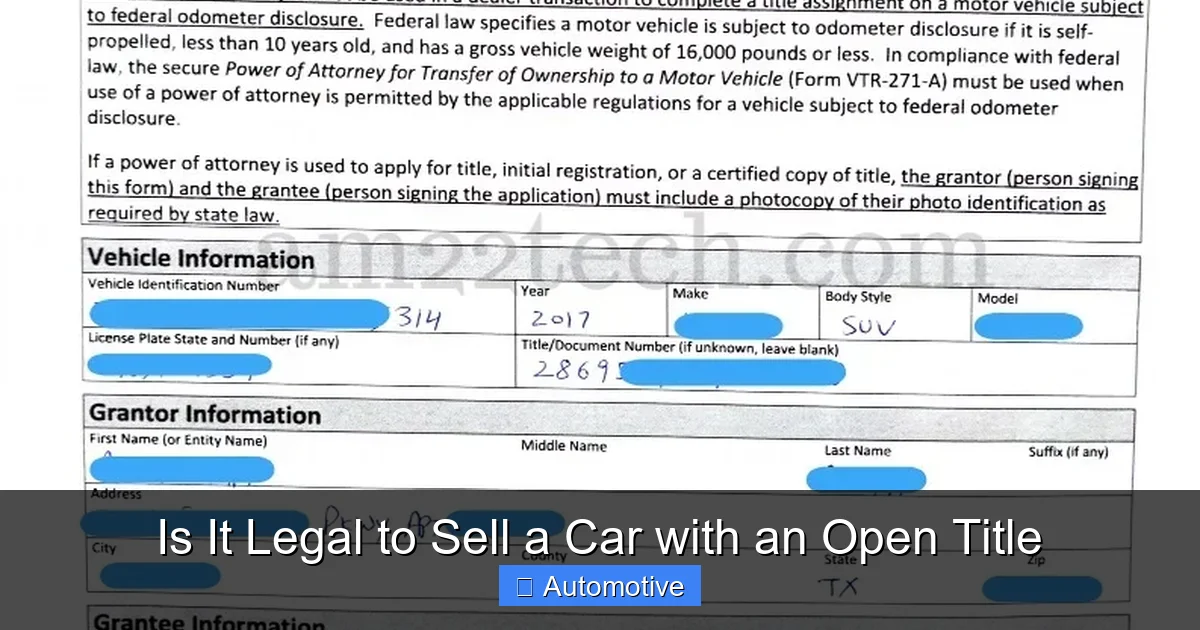
Visual guide about Is It Legal to Sell a Car with an Open Title
Image source: am22tech.com
The short answer is: it depends on where you live. There is no federal law that explicitly prohibits selling a car with an open title. Instead, each state has its own rules about how and when a title must be signed and transferred. In many states, it is technically legal to sell a car with an open title, as long as certain conditions are met.
For example, in states like Texas, Florida, and California, you can sell a car without signing the title at the time of sale—provided you complete a bill of sale and submit a release of liability form to the DMV. These documents help prove that the sale occurred and that the seller is no longer responsible for the vehicle.
However, other states are stricter. In places like New York and Illinois, the title must be signed by the seller before the buyer can register the vehicle. If the title is unsigned, the DMV will not process the transfer, and the buyer cannot legally drive the car on public roads.
Even in states where open-title sales are allowed, the seller remains the legal owner until the title is officially transferred. This means they could still be held responsible for parking tickets, toll violations, or accidents involving the vehicle—even after the sale.
State-by-State Variations
Let’s look at a few examples to illustrate how different states handle open titles:
– Texas: Sellers can sell a car with an open title. They must complete a “Vehicle Transfer Notification” form within 30 days of the sale to release liability. The buyer can then apply for a new title in their name using the unsigned title, bill of sale, and other required documents.
– California: The seller must sign the title, but if they don’t, the buyer can still register the vehicle by submitting a “Statement of Facts” form (REG 256) explaining the situation. The DMV may require additional documentation, such as a notarized letter from the seller.
– Florida: Similar to Texas, Florida allows open-title sales. The seller must submit a “Notice of Sale” form to the DMV within 30 days. The buyer can register the car using the unsigned title and a bill of sale.
– New York: The title must be signed by the seller at the time of sale. If it’s not, the buyer cannot register the vehicle. The DMV will reject the application until the title is properly executed.
– Illinois: The seller must sign the title and provide it to the buyer. If the title is unsigned, the buyer must obtain a court order or affidavit to transfer ownership, which can be time-consuming and costly.
These examples show that while some states are flexible, others are strict. Always check your state’s DMV website or contact them directly to confirm the rules.
Risks of Selling a Car with an Open Title
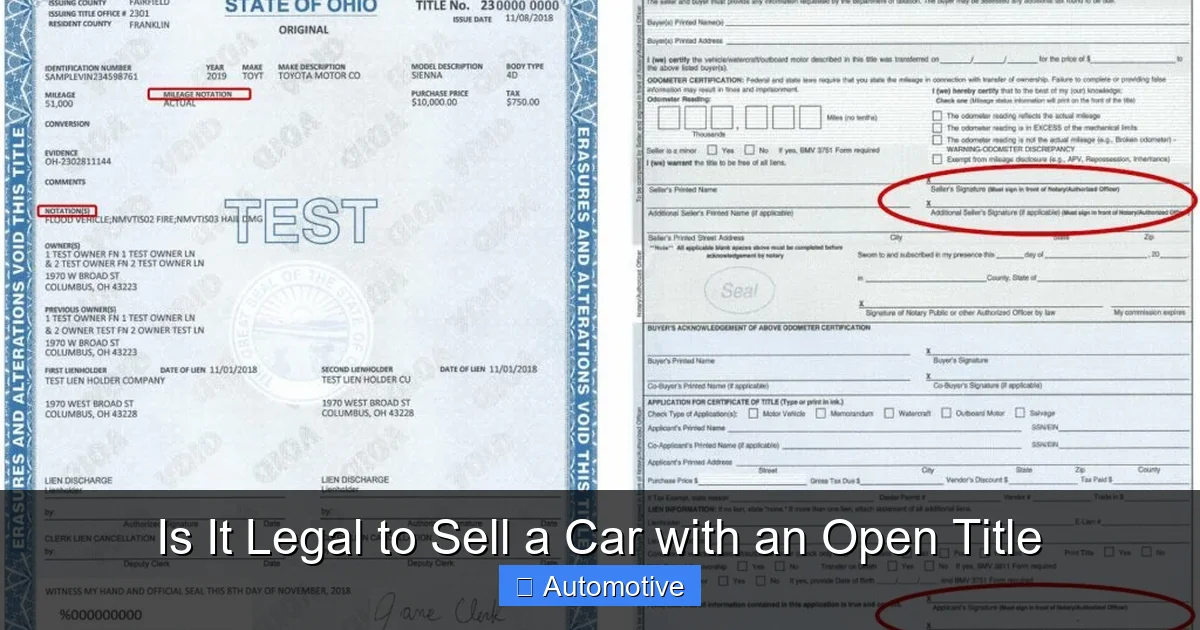
Visual guide about Is It Legal to Sell a Car with an Open Title
Image source: rerev.com
Even if it’s legal in your state, selling a car with an open title comes with significant risks for both the seller and the buyer. Understanding these risks can help you make a more informed decision and take steps to protect yourself.
Liability for the Seller
One of the biggest risks for the seller is ongoing liability. Until the title is officially transferred, the seller remains the registered owner of the vehicle. This means they could be held responsible for:
– Traffic violations (speeding tickets, red-light camera tickets)
– Parking tickets or towing fees
– Accidents caused by the new owner
– Environmental violations (e.g., failing emissions tests)
– Taxes and registration fees
Imagine this scenario: You sell your car to a friend but forget to sign the title. Two months later, the car is involved in a hit-and-run accident. The police trace the vehicle back to you because your name is still on the title. Even though you no longer own the car, you could be sued or face legal action until the transfer is completed.
In some cases, insurance companies may deny claims if the vehicle isn’t properly registered in the driver’s name. This leaves the seller exposed to financial and legal consequences.
Problems for the Buyer
Buyers also face serious challenges when purchasing a car with an open title. Without a signed title, they may not be able to:
– Register the vehicle with the DMV
– Obtain license plates
– Get auto insurance
– Sell or trade the car in the future
Some buyers try to work around this by using a bill of sale and other documents to register the car. However, many DMVs will reject these applications if the title isn’t signed. This can leave the buyer unable to legally drive the car, even though they’ve paid for it.
Additionally, if the seller refuses to sign the title later—or can’t be found—the buyer may have to go through a lengthy legal process to obtain ownership. This could involve filing a lawsuit, obtaining a court order, or applying for a bonded title, all of which cost time and money.
Fraud and Scam Risks
Open titles can also be a red flag for fraud. Scammers may sell cars with open titles to avoid immediate detection. They take the money, disappear, and leave the buyer stranded. In some cases, the car may have hidden liens, be stolen, or have a salvage title that wasn’t disclosed.
Even legitimate sellers can unintentionally create problems. For example, if the seller dies before signing the title, the buyer may have to go through probate court to transfer ownership—a process that can take months or even years.
How to Protect Yourself When Selling or Buying with an Open Title
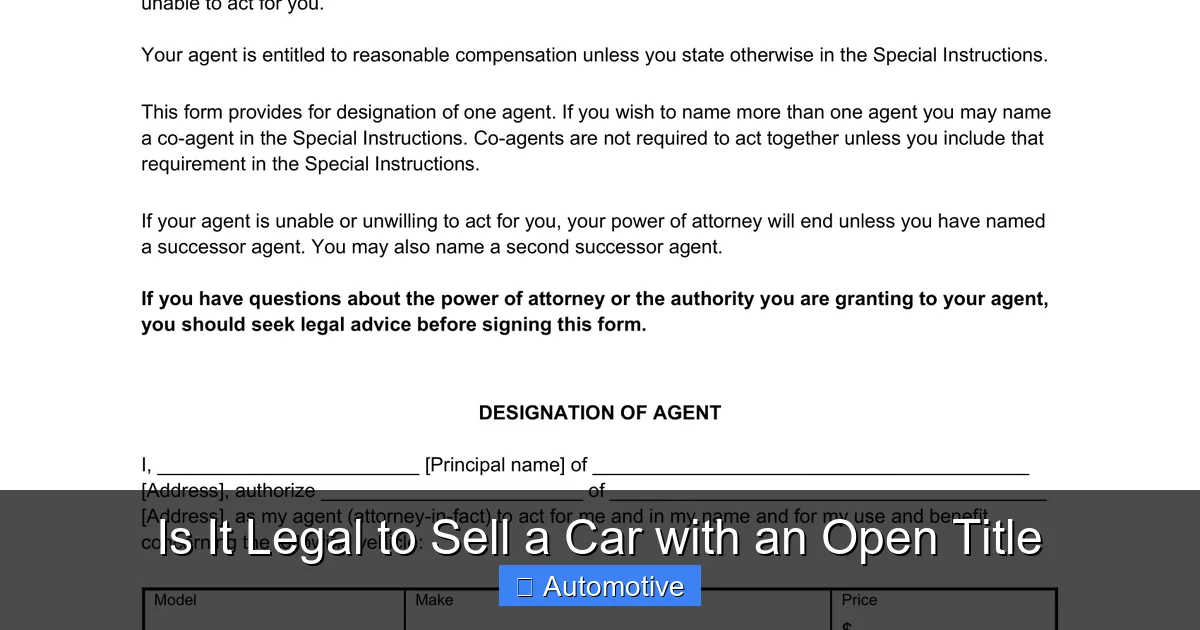
Visual guide about Is It Legal to Sell a Car with an Open Title
Image source: legaltemplates.net
If you find yourself in a situation where a car is being sold with an open title, there are steps you can take to protect yourself and ensure a smooth transfer.
For Sellers: Best Practices
1. Sign the title immediately. As soon as the sale is complete, sign the title and hand it over to the buyer. This is the simplest and safest way to transfer ownership.
2. Complete a bill of sale. A bill of sale is a legal document that records the details of the transaction, including the sale price, date, and vehicle information. It helps prove that the sale occurred and can support the buyer’s registration efforts.
3. Submit a release of liability form. Most states require sellers to file a release of liability form with the DMV after selling a vehicle. This form notifies the state that you are no longer responsible for the car. Keep a copy for your records.
4. Keep records of the transaction. Save copies of the bill of sale, release of liability, and any communication with the buyer. These documents can protect you if disputes arise later.
5. Follow up with the buyer. If you’ve sold the car with an open title, follow up to ensure the buyer has registered it. If they haven’t, remind them to complete the transfer as soon as possible.
For Buyers: What to Do
1. Ask for a signed title. Before completing the purchase, ask the seller to sign the title. If they can’t do it right away, consider delaying the sale until they can.
2. Verify the seller’s identity. Make sure the person selling the car is the legal owner. Ask to see their ID and compare it to the name on the title.
3. Get a bill of sale. This document should include the VIN, sale price, date, and both parties’ information. It’s essential for registration and legal protection.
4. Check for liens. Use the VIN to run a vehicle history report (like Carfax or AutoCheck) to ensure there are no outstanding loans or liens on the car.
5. Register the vehicle promptly. Once you have the signed title, register the car with your local DMV as soon as possible. This protects you from liability and ensures legal ownership.
6. Consider a bonded title if needed. If the seller refuses to sign the title or can’t be found, you may need to apply for a bonded title. This involves purchasing a surety bond and going through a legal process to establish ownership.
Alternatives to Selling with an Open Title
If you’re concerned about the risks of selling a car with an open title, there are alternatives that can make the process safer and more reliable.
Sell to a Dealership or Online Car Buyer
One option is to sell your car to a dealership or an online car-buying service like CarMax, Carvana, or Vroom. These companies handle the title transfer for you, ensuring that the paperwork is completed correctly. While you may get less money than in a private sale, the convenience and peace of mind can be worth it.
Use a Notary or Escrow Service
For high-value vehicles or sales between parties who don’t know each other, consider using a notary or escrow service. A notary can witness the signing of the title and ensure it’s done legally. An escrow service holds the money and documents until both parties fulfill their obligations, reducing the risk of fraud.
Complete the Sale at the DMV
In some states, you can complete the entire sale at the DMV. Both the buyer and seller go together, sign the title, and submit the necessary forms. This ensures the transfer is done correctly and reduces the chance of errors or disputes.
What to Do If You’ve Already Sold a Car with an Open Title
If you’ve already sold a car with an open title and are now facing issues, don’t panic. There are steps you can take to resolve the situation.
First, contact the buyer and ask them to complete the registration. Provide any documentation they need, such as a copy of the bill of sale or release of liability form. If the buyer is cooperative, the issue can usually be resolved quickly.
If the buyer is unresponsive or refuses to register the car, you may need to take further action. File a report with your local DMV and provide proof of the sale. In some cases, you can request a “title correction” or “ownership transfer” through the DMV, especially if you have evidence that the sale occurred.
If the buyer has disappeared or is uncooperative, you may need to consult an attorney. Legal action may be necessary to force the transfer or clear your name from the vehicle’s record.
Conclusion
Selling a car with an open title is a common practice, but it’s not without risks. While it may be legal in your state, it can lead to liability issues, registration problems, and potential fraud. The best approach is to always sign the title at the time of sale and ensure both parties complete the necessary paperwork.
For sellers, protecting yourself means signing the title, filing a release of liability, and keeping detailed records. For buyers, it means verifying ownership, getting a signed title, and registering the vehicle promptly.
When in doubt, consult your state’s DMV or a legal professional. A little extra effort upfront can save you from major headaches down the road. Remember: a smooth car sale starts with a properly signed title.
Frequently Asked Questions
Can I sell my car if the title is not signed?
Yes, in many states you can sell a car with an unsigned title, but you must complete a bill of sale and file a release of liability with the DMV. However, the buyer may struggle to register the vehicle until the title is signed.
What happens if I sell a car and don’t sign the title?
You remain the legal owner of the vehicle until the title is transferred. This means you could be held liable for tickets, accidents, or other issues involving the car, even after the sale.
Can a buyer register a car with an open title?
It depends on the state. Some states allow it with additional documentation, while others require a signed title. The buyer should check with their local DMV for specific requirements.
How long does a seller have to sign a title after selling a car?
There is no set time limit, but it’s best to sign the title immediately. Some states require sellers to file a release of liability within 30 days of the sale.
What is a release of liability form?
A release of liability form notifies the DMV that you’ve sold the vehicle and are no longer responsible for it. It’s required in most states and helps protect sellers from future liability.
Can I get in trouble for selling a car with an open title?
You won’t get in legal trouble solely for selling with an open title, but you could face liability issues if the buyer doesn’t register the car. Always follow your state’s rules to avoid problems.