If Car Battery Is Dead How Long to Charge
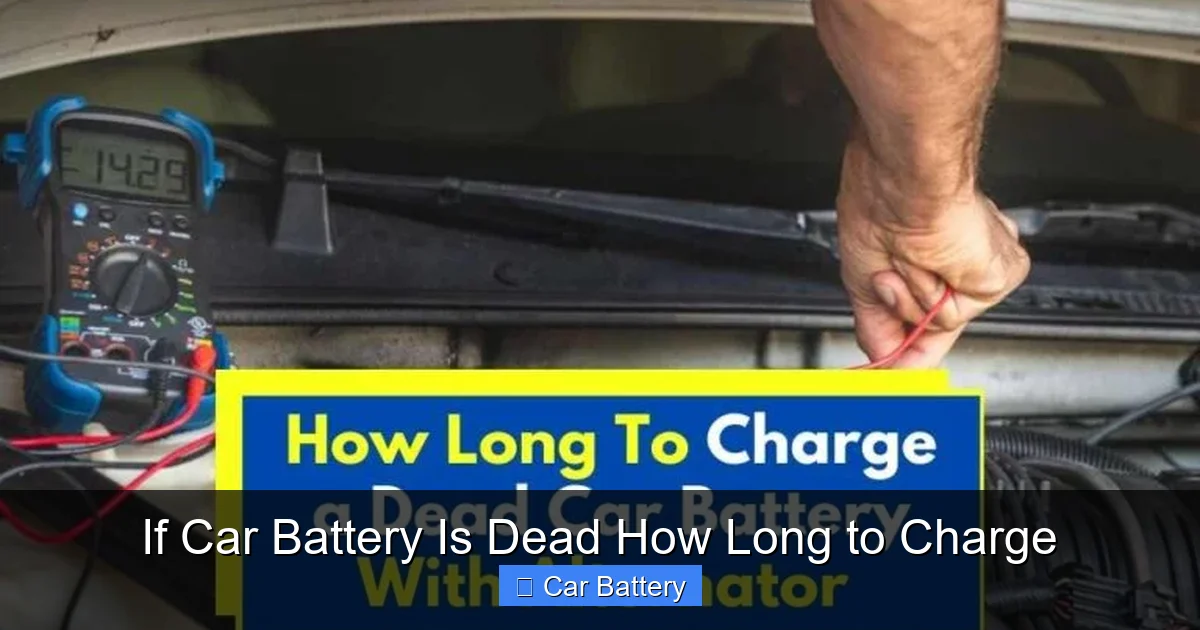
If your car battery is dead, charging time depends on the charger type, battery size, and depth of discharge. Most car batteries take 4 to 24 hours to fully recharge, but trickle charging may take longer. Using the right method ensures safety and extends battery life.
This is a comprehensive guide about if car battery is dead how long to charge.
In This Article
- 1 Key Takeaways
- 2 If Car Battery Is Dead How Long to Charge
- 3 Understanding Car Batteries and Why They Die
- 4 Factors That Affect Charging Time
- 5 How to Charge a Dead Car Battery: Step-by-Step
- 6 How Long Does It Take to Charge a Dead Car Battery?
- 7 Safety Tips When Charging a Car Battery
- 8 When to Replace Instead of Recharge
- 9 Preventing Future Battery Problems
- 10 Conclusion
- 11 Frequently Asked Questions
- 11.1 Can I charge a dead car battery overnight?
- 11.2 Is it safe to charge a car battery while it’s still connected?
- 11.3 How do I know if my battery is completely dead?
- 11.4 Can a car battery explode while charging?
- 11.5 How long should I drive after jump-starting?
- 11.6 Can I use a phone charger to charge a car battery?
Key Takeaways
- Charging time varies by charger: A standard 10-amp charger may take 4–6 hours, while a 2-amp trickle charger can take 24+ hours.
- Battery capacity matters: Larger batteries (e.g., 60Ah) need more time than smaller ones (e.g., 40Ah).
- Depth of discharge affects time: A completely dead battery takes longer to charge than one that’s just weak.
- Safety first: Always charge in a well-ventilated area and avoid sparks near the battery.
- Use a smart charger when possible: These automatically adjust charge rate and prevent overcharging.
- Jump-starting is a quick fix: It gives enough power to start the engine but doesn’t fully recharge the battery.
- Regular maintenance helps: Keeping terminals clean and checking voltage prevents unexpected failures.
[FEATURED_IMAGE_PLACEHOLDER]
If Car Battery Is Dead How Long to Charge
We’ve all been there—you turn the key, and nothing happens. The dashboard lights flicker weakly, the engine doesn’t crank, and you realize: your car battery is dead. It’s frustrating, especially when you’re in a hurry. But don’t panic. The good news? Most dead car batteries can be recharged and brought back to life—if you know how and how long it takes.
Understanding how long to charge a dead car battery is essential for getting back on the road safely and efficiently. The answer isn’t one-size-fits-all. It depends on several factors, including the type of charger you’re using, the size and condition of the battery, and how deeply it was discharged. In this guide, we’ll walk you through everything you need to know about charging a dead car battery—from the basics of battery function to step-by-step charging methods and safety tips.
Understanding Car Batteries and Why They Die
Before diving into charging times, it helps to understand how car batteries work and why they fail. A car battery is a rechargeable device that stores electrical energy and delivers it to start the engine, power the lights, and run electronics when the engine is off. Most modern cars use 12-volt lead-acid batteries, which consist of six cells connected in series. Each cell produces about 2 volts, adding up to the standard 12 volts needed to operate most vehicle systems.
How a Car Battery Works
When you turn the ignition key, the battery sends a burst of electricity to the starter motor, which cranks the engine. Once the engine is running, the alternator takes over, generating power to recharge the battery and supply electricity to the car’s systems. This cycle—discharging to start the car and recharging while driving—keeps the battery healthy over time.
However, if the battery isn’t recharged properly—due to short trips, extreme temperatures, or leaving lights on—it can lose its charge and eventually die. A “dead” battery typically means it has dropped below 12 volts and can no longer deliver enough current to start the engine.
Common Causes of a Dead Battery
- Leaving lights or accessories on: Interior lights, headlights, or phone chargers left on overnight can drain the battery.
- Short driving trips: Frequent short drives don’t give the alternator enough time to fully recharge the battery.
- Extreme temperatures: Cold weather slows chemical reactions in the battery, reducing its capacity. Heat accelerates internal corrosion.
- Old age: Most car batteries last 3–5 years. Over time, sulfation (a buildup of lead sulfate crystals) reduces efficiency.
- Parasitic drain: Faulty wiring or electronics that draw power even when the car is off can slowly kill the battery.
Knowing why your battery died helps prevent future issues. But right now, the pressing question is: how long will it take to charge it back up?
Factors That Affect Charging Time
The time it takes to charge a dead car battery isn’t fixed—it varies based on several key factors. Understanding these will help you estimate how long the process will take and choose the best charging method.
Battery Capacity (Ah Rating)
Battery capacity is measured in ampere-hours (Ah), which indicates how much current a battery can deliver over time. A typical car battery has a capacity of 40Ah to 70Ah. The higher the Ah rating, the longer it will take to charge.
For example, a 50Ah battery that’s completely dead (0% charge) will take longer to recharge than a 40Ah battery in the same condition. Think of it like filling a water tank: a bigger tank needs more water and more time.
Charger Amperage (Amps)
The amperage of your charger is one of the biggest factors in charging speed. Chargers are rated by how many amps they deliver per hour. Common options include 2-amp, 6-amp, 10-amp, and 20-amp chargers.
- 2-amp charger: Ideal for trickle charging. Safe for long-term use but very slow—can take 24+ hours to fully charge a dead battery.
- 6-amp charger: A good balance between speed and safety. Takes about 8–12 hours for a full charge.
- 10-amp charger: Faster charging—typically 4–6 hours for a dead battery. Best for occasional use.
- 20-amp charger: Rapid charging, but risky. Can overheat or damage the battery if not monitored. Only use for short bursts.
As a rule of thumb, divide the battery’s Ah rating by the charger’s amperage to estimate charging time. For example, a 50Ah battery with a 10-amp charger would take roughly 5 hours (50 ÷ 10 = 5). But this is a simplified calculation—real-world conditions like temperature and battery health can affect results.
Depth of Discharge
Not all “dead” batteries are equally drained. A battery that’s just weak (say, 11.8 volts) will charge faster than one that’s completely flat (below 11 volts). The deeper the discharge, the longer the recharge time.
Also, lead-acid batteries don’t like being fully drained. Deep discharges can cause sulfation, which reduces capacity and makes future charging less efficient. So, the more often a battery is deeply discharged, the longer it may take to recharge over time.
Battery Age and Condition
An old or damaged battery won’t charge as efficiently as a new one. Sulfation, internal shorts, or corroded plates can slow down the charging process or prevent a full charge. If your battery is more than 4–5 years old, it may not hold a charge well, even after hours of charging.
In such cases, charging might take longer, or the battery might not reach full capacity. If you’ve charged it multiple times and it still dies quickly, it’s probably time for a replacement.
Temperature
Temperature plays a big role in charging speed. Cold batteries charge more slowly because chemical reactions slow down in low temperatures. In freezing conditions, a battery may take twice as long to charge.
Conversely, hot environments can speed up charging but increase the risk of overheating and gassing (release of hydrogen and oxygen). Always charge in a cool, well-ventilated area—ideally between 50°F and 80°F (10°C to 27°C).
How to Charge a Dead Car Battery: Step-by-Step
Now that you know what affects charging time, let’s look at how to actually charge a dead battery. There are several methods, each with its own pros, cons, and ideal use cases.
Using a Battery Charger (Recommended)
The safest and most effective way to charge a dead battery is with a dedicated battery charger. Here’s how to do it properly:
- Park in a safe, well-ventilated area: Avoid enclosed spaces like garages without ventilation. Batteries can release flammable gases during charging.
- Turn off the engine and all electronics: Remove the keys and ensure lights, radio, and accessories are off.
- Disconnect the battery (optional but recommended): For safety, disconnect the negative terminal first, then the positive. This prevents sparks and protects the car’s electrical system.
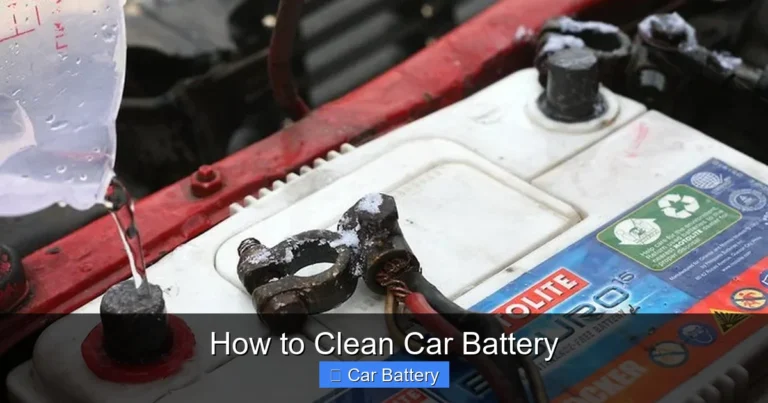
- Clean the terminals: Use a wire brush to remove corrosion (white or green buildup) from the terminals. This ensures a good connection.
- Connect the charger: Attach the red (positive) clamp to the positive terminal and the black (negative) clamp to the negative terminal. Double-check the connections.
- Set the charger: Choose the appropriate amperage and voltage (usually 12V for cars). If using a smart charger, it will auto-select settings.
- Start charging: Turn on the charger and let it run. Most chargers have indicator lights showing charging progress.
- Monitor the process: Check periodically. Avoid leaving a high-amp charger unattended for long periods.
- Disconnect when done: Once fully charged (usually indicated by a green light or voltage reading of 12.6V+), turn off the charger and remove the clamps in reverse order: black first, then red.
- Reconnect the battery: Reattach the terminals securely, starting with the positive, then the negative.
Pro Tip: Use a smart charger with automatic shutoff. These detect when the battery is full and switch to maintenance mode, preventing overcharging.
Jump-Starting (Quick Fix, Not a Full Charge)
Jump-starting uses another vehicle’s battery or a portable jump starter to give your dead battery enough power to start the engine. It’s a temporary solution—not a full recharge.
Here’s how to jump-start safely:
- Position the working vehicle close (but not touching) your car.
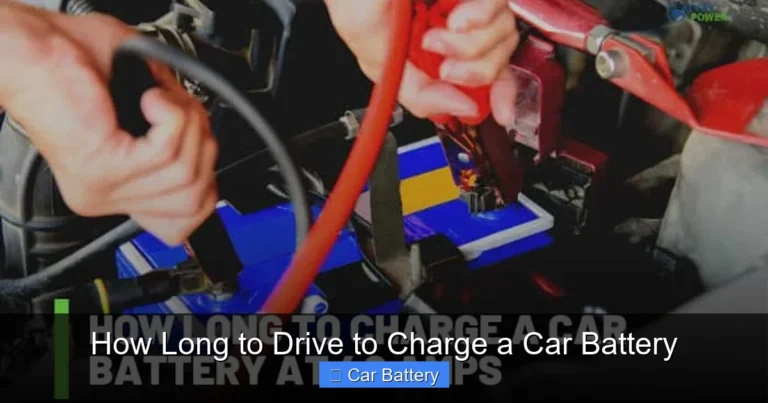
- Connect red clamps: positive to positive.
- Connect black clamps: negative to negative on the good battery, then negative to an unpainted metal surface on your car (grounding).
- Start the working vehicle and let it run for 5 minutes.
- Try starting your car. If it starts, let it run for at least 20–30 minutes to allow the alternator to recharge the battery.
- Disconnect cables in reverse order.
Important: Jump-starting gives you enough power to start the engine, but it doesn’t fully recharge the battery. You’ll still need to drive for a long time or use a charger to restore full capacity.
Using a Trickle Charger (Slow but Safe)
A trickle charger delivers a low, steady current (usually 1–3 amps) over a long period. It’s perfect for maintaining a battery or charging a deeply discharged one without risk of overheating.
Trickle charging can take 24 hours or more, but it’s gentle on the battery and ideal for overnight charging. Many trickle chargers are “float” chargers, meaning they switch to maintenance mode once the battery is full.
This method is great for seasonal vehicles (like classic cars or motorcycles) or if you’re not in a rush.
How Long Does It Take to Charge a Dead Car Battery?
Now for the big question: how long does it actually take? Let’s break it down by charger type and battery condition.
Estimated Charging Times
- 2-amp charger: 24–48 hours for a full charge. Best for maintenance or very slow charging.
- 6-amp charger: 8–12 hours. A good balance for most home users.
- 10-amp charger: 4–6 hours. Ideal for quick recharges when you’re in a hurry.
- 20-amp charger: 2–3 hours. Fast but risky—only use for short periods and monitor closely.
These times assume a completely dead battery (0% charge). If the battery still has some charge (e.g., 50%), charging will be faster.
Real-World Example
Let’s say you have a 60Ah battery that’s fully dead. Using a 10-amp charger, the theoretical charging time is 6 hours (60 ÷ 10 = 6). But in practice, it might take 7–8 hours due to inefficiencies and the need to top off the final 20% more slowly.
Smart chargers often take longer because they charge in stages: bulk, absorption, and float. This protects the battery but adds time.
Signs the Battery Is Fully Charged
You’ll know the battery is charged when:
- The charger’s indicator light turns green or shows “full.”
- A voltmeter reads 12.6V or higher (with the engine off).
- The battery feels warm (not hot) and doesn’t bubble excessively.
Never overcharge. Overcharging can cause the battery to overheat, leak, or even explode.
Safety Tips When Charging a Car Battery
Charging a car battery involves electricity and potentially flammable gases, so safety is critical. Follow these tips to avoid accidents:
- Work in a well-ventilated area: Hydrogen gas can build up during charging and is highly flammable.
- Wear safety gear: Use gloves and safety glasses to protect against acid and sparks.
- No smoking or open flames: Keep matches, lighters, and cigarettes far away.
- Check for damage: Don’t charge a cracked, leaking, or swollen battery—replace it instead.
- Use the right charger: Match the charger to your battery type (e.g., lead-acid, AGM).
- Avoid sparks: Connect clamps to the charger first, then to the battery. Disconnect in reverse.
- Don’t charge a frozen battery: If the battery is below 32°F (0°C), let it warm up first. Charging a frozen battery can cause it to explode.
When in doubt, consult the charger’s manual or a professional mechanic.
When to Replace Instead of Recharge
Not all dead batteries can—or should—be recharged. Sometimes, replacement is the better option.
Signs You Need a New Battery
- The battery is more than 5 years old.
- It won’t hold a charge after multiple attempts.
- It swells, leaks, or smells like rotten eggs (sulfur).
- The voltage stays below 12V even after a full charge.
- You frequently need jump-starts.
If your battery fails a load test (performed at an auto shop), it’s time for a new one. Replacing it early prevents breakdowns and saves money in the long run.
Choosing a New Battery
When buying a new battery, consider:
- Group size: Must match your car’s specifications.
- CCA (Cold Cranking Amps): Higher is better for cold climates.
- Reserve capacity: How long it can run essentials if the alternator fails.
- Type: Standard lead-acid, AGM, or lithium (for performance vehicles).
Many auto parts stores offer free installation and recycling of old batteries.
Preventing Future Battery Problems
The best way to avoid a dead battery is to prevent it from happening in the first place. Here are some proactive tips:
- Drive regularly: Short trips don’t recharge the battery fully. Take longer drives weekly.
- Turn off accessories: Always check that lights, radio, and chargers are off when parked.
- Use a battery maintainer: For infrequently used vehicles, a trickle charger or maintainer keeps the battery topped up.
- Check terminals: Clean corrosion every 6 months.
- Test the battery: Have it tested annually, especially before winter.
- Inspect the charging system: A faulty alternator can prevent proper recharging.
Regular maintenance can extend your battery’s life by years and save you from unexpected breakdowns.
Conclusion
So, if your car battery is dead, how long to charge it? The answer depends on your charger, battery size, and condition—but most dead batteries take 4 to 24 hours to fully recharge. A 10-amp charger typically does the job in 4–6 hours, while a 2-amp trickle charger may take a full day or more.
Jump-starting gets you going fast, but it’s not a full solution. For a complete recharge, use a proper battery charger in a safe, well-ventilated area. Always prioritize safety, monitor the process, and know when it’s time to replace an old battery.
By understanding how car batteries work and how to charge them properly, you’ll spend less time stranded and more time on the road. Keep a charger in your garage, maintain your battery, and you’ll rarely face the frustration of a dead battery again.
Frequently Asked Questions
Can I charge a dead car battery overnight?
Yes, you can charge a dead car battery overnight, especially with a 2-amp or 6-amp charger. Just ensure the charger is safe and automatic, so it doesn’t overcharge. Always charge in a ventilated area.
Is it safe to charge a car battery while it’s still connected?
It’s possible, but not recommended. Disconnecting the battery reduces the risk of electrical damage or sparks. If you must charge it in the car, use a smart charger and follow safety precautions.
How do I know if my battery is completely dead?
A completely dead battery typically reads below 11.8 volts on a multimeter and won’t crank the engine. If lights are very dim or don’t turn on, the battery is likely dead or severely discharged.
Can a car battery explode while charging?
Yes, if hydrogen gas builds up and ignites. This is rare but possible. Always charge in a well-ventilated area, avoid sparks, and never charge a damaged or frozen battery.
How long should I drive after jump-starting?
Drive for at least 20–30 minutes after jump-starting to allow the alternator to recharge the battery. For a full charge, use a battery charger or take a longer drive (1+ hours).
Can I use a phone charger to charge a car battery?
No, phone chargers don’t provide enough voltage or current. You need a proper 12V car battery charger designed for lead-acid batteries.