How to Winterize a Washing Machine

Contents
- 1 Key Takeaways
- 2 📑 Table of Contents
- 3 Why Winterizing Your Washing Machine Matters
- 4 When Should You Winterize Your Washing Machine?
- 5 Step-by-Step Guide to Winterizing Your Washing Machine
- 6 Common Mistakes to Avoid When Winterizing
- 7 How to Reverse the Process in Spring
- 8 Additional Tips for Long-Term Protection
- 9 Conclusion
- 10 Frequently Asked Questions

Car Shampoo Concentrate

Car Window Tint Film

Liquid Car Polish

Carburetor Cleaner
Winterizing your washing machine is crucial if you live in a cold climate or store your appliance in an unheated space like a garage or basement. By taking a few simple steps before winter hits, you can prevent frozen pipes, cracked hoses, and internal damage that could leave your machine out of commission when you need it most.
Key Takeaways
- Drain all water from the machine: Remaining water can freeze and expand, damaging internal components and hoses.
- Disconnect and store hoses properly: Remove inlet hoses and drain them completely to avoid ice buildup and cracks.
- Use a washing machine antifreeze solution: In extreme cold, adding non-toxic antifreeze can protect internal plumbing.
- Keep the door and detergent drawer open: This prevents mold and mildew by allowing airflow and drying out moisture.
- Insulate the machine and surrounding area: Use blankets or insulation panels to shield the washer from freezing temperatures.
- Run a cleaning cycle before storage: A vinegar or washing machine cleaner cycle removes residue that could cause odors or clogs.
- Check your location’s climate risks: Even mild winters can pose risks if temperatures drop unexpectedly overnight.
📑 Table of Contents
Why Winterizing Your Washing Machine Matters
If you’ve ever turned on your washing machine in the middle of winter only to find it won’t start, leaking water, or making strange noises, you’ve likely experienced the aftermath of freezing damage. While many people think of cars, pipes, and outdoor faucets when it comes to winter prep, the washing machine is often overlooked—even though it’s just as vulnerable. Whether your washer sits in a chilly garage, an unheated basement, or a shed, cold temperatures can wreak havoc on its internal systems.
Water expands when it freezes. That simple scientific fact is the root of most winter-related appliance failures. Even a small amount of trapped water in the pump, hoses, or drum can turn to ice and cause cracks, bursts, or warped components. The cost to repair or replace a damaged washing machine can run into hundreds of dollars—money that could have been saved with a little preventive care. Winterizing your washing machine isn’t just about protecting your investment; it’s about ensuring your laundry routine stays uninterrupted when you need it most.
When Should You Winterize Your Washing Machine?
Visual guide about How to Winterize a Washing Machine
Image source: amarcoplumbing.com
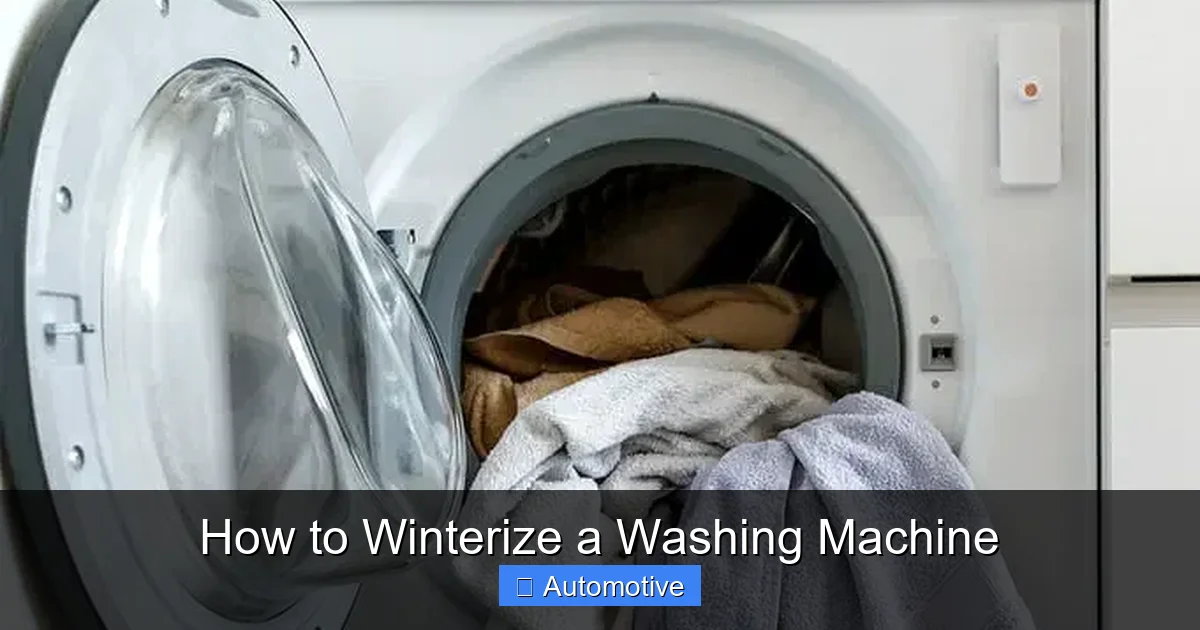
Timing is everything when it comes to winterizing. You don’t want to wait until the first frost hits—by then, it might be too late. Ideally, you should begin the winterization process before temperatures consistently drop below 32°F (0°C). For most regions, this means starting in late fall, around October or November, depending on your local climate.
If your washing machine is located in a heated indoor space—like a utility room inside your home—you may not need to winterize it at all. However, if it’s in a garage, basement, porch, or any area that isn’t climate-controlled, winterization is essential. Even spaces that stay above freezing during the day can dip below freezing at night, especially during cold snaps.
One practical tip: check your local weather forecasts and historical temperature data. If your area has experienced unexpected freezes in the past, it’s better to be safe than sorry. Also, consider how often you use the machine. If you’re planning to store it for the entire winter (common for seasonal homes or vacation properties), winterizing is non-negotiable.
Step-by-Step Guide to Winterizing Your Washing Machine
Visual guide about How to Winterize a Washing Machine
Image source: nimvo.com
Winterizing your washing machine doesn’t have to be complicated. With a few basic tools and about 30 to 60 minutes of your time, you can protect your appliance from winter damage. Here’s a clear, step-by-step process to follow.
Step 1: Turn Off the Water Supply
Start by locating the water supply valves behind your washing machine. These are usually two knobs—one for hot water and one for cold—connected to the wall. Turn both valves clockwise to shut off the water flow. This prevents any new water from entering the machine during the winterization process.
Once the valves are off, open the inlet hoses slightly to release any pressure. You might hear a small hiss as air enters the lines. This step ensures that no water remains under pressure in the hoses, which could freeze and burst.
Step 2: Drain All Water from the Machine
Even with the water supply off, there’s likely still water inside the washing machine—in the drum, pump, and hoses. To remove it, you’ll need to perform a complete drain.
First, run a short drain cycle. Most machines have a “drain” or “spin” setting that empties the drum. If your machine doesn’t have this feature, you can manually remove water using a sponge or towel, but this is less effective.
Next, locate the drain pump filter, usually found behind a small access panel at the front bottom of the machine. Place a shallow pan or towel underneath to catch any remaining water. Carefully unscrew the filter and let the water drain out completely. This step is crucial—trapped water in the pump is a common cause of winter damage.
Step 3: Disconnect and Drain the Inlet Hoses
Now it’s time to remove the inlet hoses—the ones that connect your machine to the water supply valves. Use a wrench to loosen the connections, but be gentle to avoid damaging the threads.
Once disconnected, hold each hose upright and let any remaining water drain out. You can also blow into the hose gently to push out residual water. After draining, inspect the hoses for cracks, bulges, or wear. If they’re old or damaged, consider replacing them before reattaching them in the spring.
Store the hoses in a dry, warm place—like a closet or garage shelf—away from freezing temperatures. Coil them loosely to prevent kinks, which can weaken the material over time.
Step 4: Clean the Machine Thoroughly
Before storing your washing machine for the winter, give it a deep clean. Residual detergent, fabric softener, and dirt can lead to mold, mildew, and unpleasant odors if left inside during storage.
Start by wiping down the exterior with a damp cloth and mild cleaner. Pay special attention to the control panel and door seal, where grime tends to accumulate.
Next, clean the detergent dispenser drawer. Remove it completely and soak it in warm, soapy water. Use an old toothbrush to scrub away any buildup, then rinse and dry thoroughly.
Finally, run a cleaning cycle. Use a washing machine cleaner (available at most hardware or grocery stores) or a mixture of 1 cup of white vinegar and 1 cup of baking soda. Run a hot water cycle with no clothes to flush out residue and sanitize the drum.
Step 5: Use Antifreeze (If Necessary)
In extremely cold climates—where temperatures regularly drop below 20°F (-7°C)—you may want to add a non-toxic antifreeze solution to your washing machine. This is especially important if your machine has internal water valves or a recirculation pump that’s hard to drain completely.
Use only RV or plumbing antifreeze labeled as safe for potable water systems. Never use automotive antifreeze, as it’s toxic and can damage your machine.
To apply, pour about 1–2 cups of antifreeze into the drum and run a short rinse cycle. This coats the internal components and prevents freezing. Be sure to flush the machine thoroughly in the spring before using it again.
Step 6: Leave the Door and Drawer Open
After cleaning and draining, leave the washing machine door and detergent drawer slightly open. This allows air to circulate inside the drum and prevents moisture buildup, which can lead to mold and mildew.
If your machine has a rubber door seal, gently prop it open with a clean cloth or sponge to ensure airflow. Avoid using anything sharp that could tear the seal.
Step 7: Insulate the Machine and Area
If your washing machine is in an unheated space, consider insulating it for extra protection. You can use a heavy-duty appliance cover or wrap the machine in moving blankets secured with tape or straps.
For added warmth, place a small space heater nearby—but only if it’s safe and approved for indoor use. Never leave a space heater unattended or place it too close to flammable materials.
You can also insulate the walls and ceiling of the room if possible. Foam board insulation or weather stripping around doors and windows can help maintain a more stable temperature.
Common Mistakes to Avoid When Winterizing

Visual guide about How to Winterize a Washing Machine
Image source: sosappliancerepairs.com
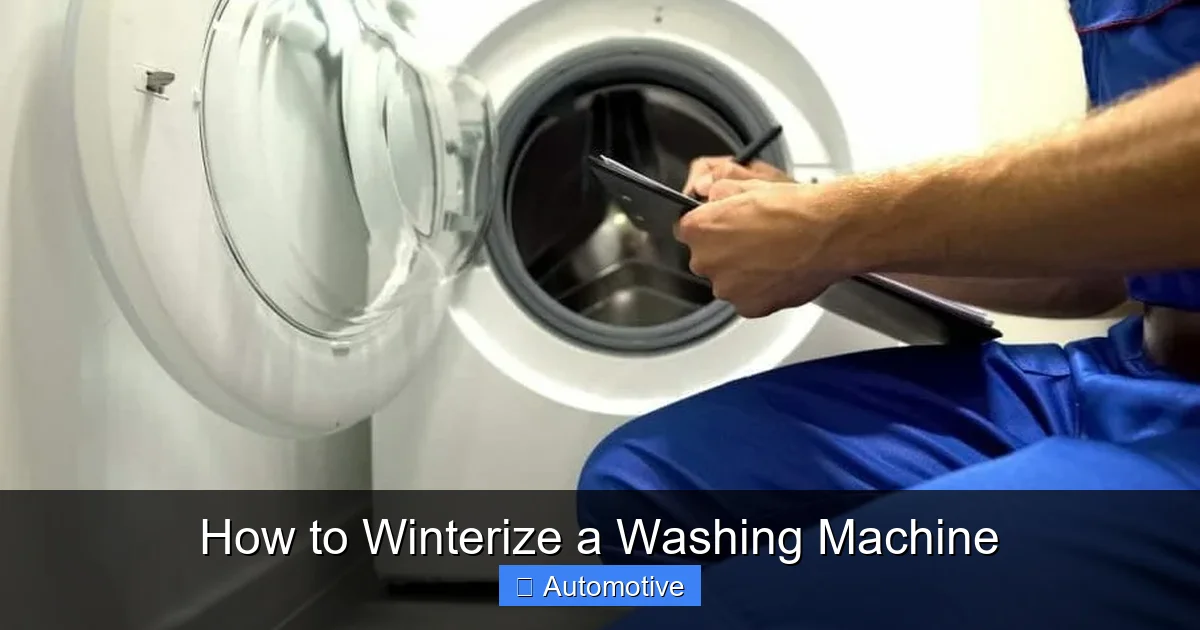
Even with the best intentions, it’s easy to make mistakes during the winterization process. Here are some common pitfalls and how to avoid them.
Forgetting to Drain the Pump
One of the most overlooked steps is draining the pump filter. Many people assume that running a drain cycle is enough, but water can still remain trapped in the pump housing. Always remove and clean the filter to ensure complete drainage.
Using the Wrong Antifreeze
As mentioned earlier, only use non-toxic, plumbing-safe antifreeze. Automotive antifreeze contains ethylene glycol, which is poisonous and can damage your machine’s internal parts. Always read the label carefully.
Storing Hoses in the Cold
Even if you drain the hoses, storing them in a freezing environment can cause them to become brittle and crack. Keep them indoors in a climate-controlled space until spring.
Skipping the Cleaning Step
A dirty machine is more likely to develop odors and mold during storage. Skipping the cleaning cycle might save time now, but it could lead to bigger problems later.
Not Checking the Location’s Temperature
Just because your garage feels warm during the day doesn’t mean it’s safe at night. Use a thermometer to monitor overnight lows. If temperatures dip below freezing, winterization is necessary.
How to Reverse the Process in Spring
When warmer weather arrives, it’s time to get your washing machine ready for use again. Reversing the winterization process is just as important as doing it correctly in the first place.
Start by inspecting the machine for any signs of damage—cracks, leaks, or mold. Check the hoses for wear and replace them if needed.
Reconnect the inlet hoses to the water supply valves, making sure the connections are tight but not over-tightened. Turn the water supply back on and check for leaks.
Run a test cycle with no clothes to flush out any remaining antifreeze or debris. Add a cup of vinegar to the drum to help neutralize any residual chemicals.
Finally, wipe down the exterior and interior, and make sure the door and drawer are clean and dry before resuming regular use.
Additional Tips for Long-Term Protection
Winterizing your washing machine once a year is important, but there are other steps you can take to extend its lifespan and improve performance.
Elevate the Machine
If your washing machine is on the ground in a damp basement or garage, consider placing it on a raised platform or pallet. This reduces exposure to moisture and potential flooding.
Use a Surge Protector
Power surges can damage electronic components, especially in older machines. Plug your washer into a high-quality surge protector to safeguard against electrical issues.
Schedule Regular Maintenance
In addition to winterizing, clean your machine monthly with vinegar or a commercial cleaner. Check hoses annually for wear and replace them every 3–5 years, even if they look fine.
Monitor Humidity Levels
High humidity can promote mold growth, even in heated spaces. Use a dehumidifier in your laundry area to keep moisture levels in check.
Conclusion
Winterizing your washing machine might not be the most exciting chore on your seasonal to-do list, but it’s one of the most important. A little effort now can save you from expensive repairs, frustrating breakdowns, and the hassle of being without laundry service in the middle of winter. Whether your machine lives in a chilly garage or a drafty basement, taking the time to drain, clean, and protect it ensures it will be ready to go when spring arrives.
Remember, winterization isn’t just for extreme climates. Even mild winters can bring unexpected freezes, and a single night below freezing can cause irreversible damage. By following the steps outlined in this guide—draining all water, disconnecting hoses, cleaning thoroughly, and insulating when necessary—you’ll give your washing machine the best chance to survive the cold months unharmed.
So grab your tools, set aside an hour, and give your washer the winter care it deserves. Your future self—and your laundry routine—will thank you.
Frequently Asked Questions
Do I need to winterize my washing machine if it’s inside my house?
No, if your washing machine is located in a heated, indoor space like a utility room or laundry closet, winterization is usually unnecessary. However, if the room gets very cold or is near an exterior wall, consider monitoring the temperature.
Can I use regular antifreeze in my washing machine?
No, never use automotive antifreeze. Only use non-toxic, RV or plumbing antifreeze that’s labeled safe for potable water systems. Automotive antifreeze is toxic and can damage your machine.
How often should I clean my washing machine?
It’s recommended to clean your washing machine once a month using vinegar or a commercial cleaner. This prevents buildup, odors, and mold, especially during storage.
What should I do if my washing machine freezes?
Turn off the water supply immediately and allow the machine to thaw slowly at room temperature. Do not use heat sources like hair dryers or heaters, as this can cause further damage. Once thawed, inspect for leaks or cracks before using.
Can I leave my washing machine unplugged during winter?
Yes, you can unplug it, but make sure all water is drained first. Leaving it plugged in won’t harm the machine, but unplugging reduces energy use and eliminates the risk of electrical issues during storms.
How do I know if my washing machine hoses need replacing?
Check for cracks, bulges, soft spots, or leaks. If the hoses are more than 3–5 years old or show any signs of wear, replace them before winter to prevent bursts.