
How to Turn on the Heater in a Toyota Corolla

Turning on the heater in a Toyota Corolla is simple once you understand how the climate control system works. Whether you’re driving an older model or a newer Corolla with advanced features, this guide walks you through every step to get warm air flowing quickly and efficiently.
Key Takeaways
- Start the engine first: The heater only works when the engine is running and has had time to warm up.
- Use the climate control dials or touchscreen: Most Corollas use physical knobs or a touchscreen interface to control heat settings.
- Set the temperature to warm or hot: Turn the temperature dial to the red zone or select a higher temperature on digital displays.
- Choose the correct airflow direction: Direct warm air to your feet, windshield, or face depending on comfort and defrosting needs.
- Turn off A/C when heating: The air conditioning compressor isn’t needed for heat and can reduce efficiency.
- Allow time for the engine to warm up: Heated air won’t come out immediately—wait a few minutes after starting the car.
- Check coolant levels regularly: Low coolant can prevent the heater from working properly.
📑 Table of Contents
- Introduction: Staying Warm in Your Toyota Corolla
- How the Toyota Corolla Heating System Works
- Step-by-Step Guide: How to Turn On the Heater in a Toyota Corolla
- Model-Specific Instructions for Different Corolla Years
- Common Mistakes and How to Avoid Them
- Troubleshooting: What to Do If the Heater Isn’t Working
- Maintenance Tips to Keep Your Heater Running Smoothly
- Conclusion: Stay Warm and Safe All Winter Long
Introduction: Staying Warm in Your Toyota Corolla
Winter driving can be tough, especially when your car’s heater isn’t working as it should. If you’ve ever sat in a cold Toyota Corolla on a frosty morning, shivering while waiting for warmth that never comes, you’re not alone. The good news? Turning on the heater in a Toyota Corolla is usually straightforward—once you know what to do.
Many drivers assume that flipping a switch or pressing a button will instantly blast hot air. But car heaters don’t work like home heaters. They rely on the engine’s coolant system to generate warmth, which means you need to let the engine warm up first. This process can take a few minutes, especially on colder days. Understanding how your Corolla’s heating system operates will help you stay comfortable and safe during winter drives.
Whether you drive a 2005 Corolla with manual controls or a 2023 model with a touchscreen climate system, the basics remain the same. This guide will walk you through every step, from starting the engine to adjusting airflow and temperature. We’ll also cover common mistakes, troubleshooting tips, and maintenance advice to keep your heater running smoothly all season long.
How the Toyota Corolla Heating System Works
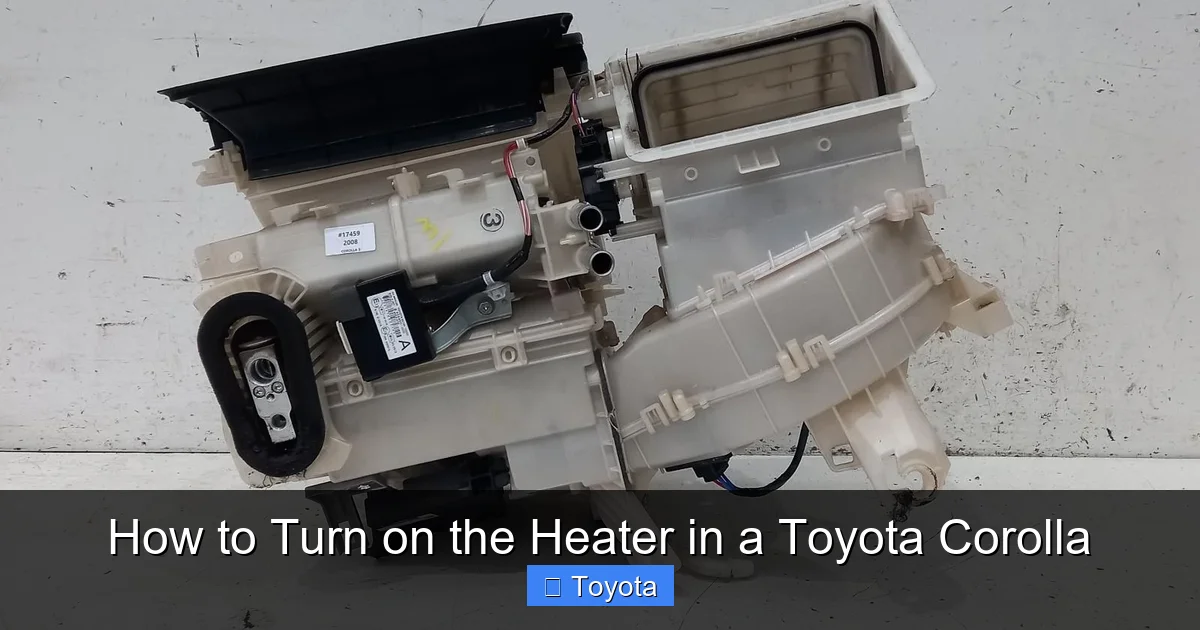
Visual guide about How to Turn on the Heater in a Toyota Corolla
Image source: s3-ap-southeast-2.amazonaws.com
Before you can effectively turn on the heater, it helps to understand how it actually works. The heating system in your Toyota Corolla isn’t powered by electricity or a separate heating element. Instead, it uses heat from the engine’s coolant—a mixture of water and antifreeze that circulates through the engine block.
As the engine runs, it generates heat. This heat is absorbed by the coolant, which then flows through a small radiator-like component inside the dashboard called the heater core. When you turn on the heater, a fan blows air over the hot heater core, warming the air before it enters the cabin. This is why you won’t feel warm air right away—your engine needs time to heat up the coolant.
Different Corolla models may have slightly different control interfaces, but the underlying system is consistent across most years. Older models (2000s to early 2010s) typically use manual dials for temperature and fan speed, while newer models (2014 and later) often feature digital displays, touchscreens, or automatic climate control. Regardless of the interface, the principle remains the same: warm coolant heats the air that blows into your car.
Key Components of the Heating System
- Heater Core: A small radiator located behind the dashboard that transfers heat from coolant to air.
- Blower Motor: The fan that pushes air through the heater core and into the cabin.
- Temperature Control Valve or Blend Door: Regulates how much hot coolant flows into the heater core or how much air passes over it.
- Coolant: The fluid that carries heat from the engine to the heater core.
- Climate Control Panel: The dashboard interface where you adjust temperature, fan speed, and airflow direction.
Understanding these parts helps explain why certain steps are necessary. For example, if your coolant level is low, there may not be enough hot fluid reaching the heater core—resulting in weak or no heat. Similarly, a malfunctioning blower motor means air won’t circulate, even if the heater core is hot.
Step-by-Step Guide: How to Turn On the Heater in a Toyota Corolla
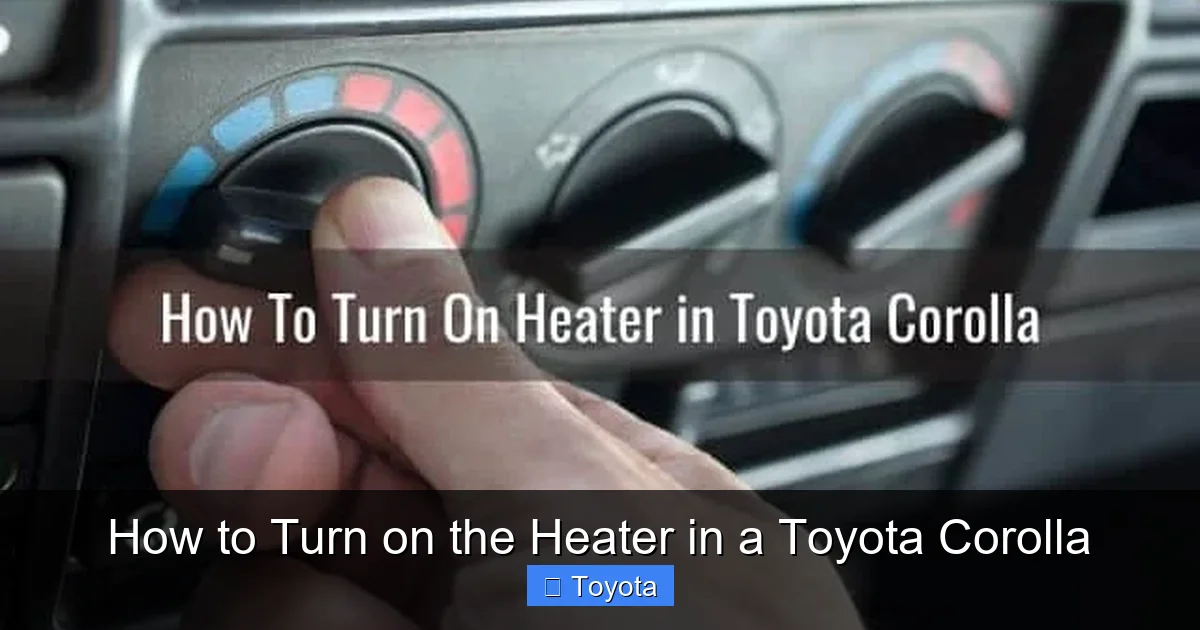
Visual guide about How to Turn on the Heater in a Toyota Corolla
Image source: knowmyauto.b-cdn.net
Now that you know how the system works, let’s walk through the actual process of turning on the heater. These steps apply to most Toyota Corolla models from 2000 to 2024, with slight variations depending on your car’s year and trim level.
Step 1: Start the Engine
The first and most important step is to start your car. The heater cannot produce warm air unless the engine is running. This is because the engine generates the heat needed to warm the coolant. Simply turning the key to the “on” position or pressing the start button without engaging the engine won’t activate the heating system.
Once you start the engine, allow it to idle for at least 2–3 minutes. This gives the engine time to warm up and the coolant to begin circulating. On very cold days, it may take 5–10 minutes before you feel noticeably warm air. Avoid revving the engine aggressively during this time—gentle idling is sufficient.
Step 2: Locate the Climate Control Panel
Next, find the climate control panel on your dashboard. In most Corollas, this is located in the center of the dashboard, between the radio and the glove compartment. Older models have physical knobs and buttons, while newer ones may have a touchscreen or digital display.
Look for labels like “A/C,” “Heat,” “Fan,” “Temperature,” or symbols such as a sun (for heat) or a snowflake (for air conditioning). Some models also have an “Auto” button for automatic climate control.
Step 3: Set the Temperature to Warm or Hot
Now it’s time to adjust the temperature. Turn the temperature dial to the right, toward the red zone. This indicates warmer settings. On digital systems, you may see a temperature readout (e.g., 72°F or 22°C). Increase this number to raise the heat level.
Avoid setting the temperature too high right away. Start moderately and increase it gradually as the engine warms up. This prevents overheating the cabin and reduces strain on the system.
Step 4: Turn Off the A/C (If It’s On)
Many drivers don’t realize that the air conditioning (A/C) system can interfere with heating. When the A/C is on, it activates the compressor, which cools the air before it reaches the heater core. This can make the air feel cooler, even if the heater is working.
To maximize heat output, make sure the A/C is turned off. Look for an “A/C” button—if it’s lit or engaged, press it to turn it off. On some models, the A/C may turn on automatically when you select certain modes (like defrost). If that happens, manually disable it after selecting your desired airflow direction.
Step 5: Adjust the Fan Speed
Use the fan speed control to increase airflow. Turn the fan dial or press the “+” button to raise the speed. Higher fan speeds deliver more air, which can help distribute heat faster—especially once the engine is warm.
However, avoid setting the fan to maximum immediately after starting the car. Cold air blowing at high speed can be uncomfortable. Start with a low or medium setting and increase it as the air warms up.
Step 6: Choose the Airflow Direction
Your Corolla allows you to direct airflow to different areas: feet, face, windshield, or a combination. Use the mode selector (usually a dial or button with icons) to choose where the air should go.
For general comfort, select “Bi-Level” (air to face and feet) or “Feet” mode. If you’re trying to defrost the windshield, choose “Defrost” or “Windshield” mode. This directs warm air to the glass, helping to clear fog or ice.
Step 7: Wait for Warm Air
Be patient. Even after completing all the steps, it may take several minutes before you feel warm air. This is normal. The engine needs time to heat the coolant, and the heater core needs time to transfer that heat to the air.
If you’re in a hurry, you can minimize warm-up time by:
- Driving gently for the first few minutes instead of idling.
- Using the recirculation mode to reuse already-warmed cabin air.
- Parking in a garage or sheltered area to reduce cold exposure.
Model-Specific Instructions for Different Corolla Years
Visual guide about How to Turn on the Heater in a Toyota Corolla
Image source: shop.jacksonstoyota.com
While the basic process is similar across models, the exact controls can vary. Here’s how to turn on the heater in some popular Corolla generations.
2003–2008 Toyota Corolla (Manual Controls)
These models feature three main knobs:
- Left Knob: Fan speed (0 to 4 or 5).
- Middle Knob: Airflow direction (face, feet, windshield, etc.).
- Right Knob: Temperature (blue for cold, red for hot).
To turn on the heater:
- Start the engine and wait 2–3 minutes.
- Turn the right knob to the red zone.
- Turn the left knob to increase fan speed.
- Set the middle knob to “Feet” or “Bi-Level.”
- Make sure the A/C button (if present) is off.
2014–2018 Toyota Corolla (Touchscreen or Digital Display)
These models often have a 6.1-inch or 7-inch touchscreen with climate controls. Some trims also have physical buttons below the screen.
To activate the heater:
- Start the engine.
- Tap the “Climate” or “A/C” button on the screen.
- Use the on-screen temperature slider to increase heat.
- Adjust fan speed using the “Fan” button or slider.
- Select airflow direction via the mode icons.
- Ensure “A/C” is off unless dehumidifying is needed.
2019–2024 Toyota Corolla (Automatic Climate Control)
Newer Corollas come with advanced systems, including dual-zone climate control and “Auto” mode.
To use the heater:
- Start the engine.
- Press the “Auto” button to let the system regulate temperature automatically.
- Set your desired temperature using the “+” and “–” buttons.
- The system will adjust fan speed, airflow, and A/C as needed.
- For manual control, press “Mode” to change airflow direction.
Even in “Auto” mode, it’s still important to turn off the A/C if you only want heat. Some systems may engage A/C to reduce humidity, but you can usually override this.
Common Mistakes and How to Avoid Them
Even experienced drivers make mistakes when using their car’s heater. Here are some common pitfalls and how to avoid them.
Starting the Car and Immediately Cranking the Heat
Many people turn the temperature dial to maximum the second they start the car. This doesn’t speed up warming—it just blows cold air at high speed. Instead, start with a moderate fan setting and increase it as the engine warms up.
Leaving the A/C On
As mentioned earlier, the A/C compressor cools the air, which counteracts the heater. Always check that the A/C is off when you want maximum heat. Look for a light or indicator on the A/C button.
Using Recirculation Mode in Cold Weather
Recirculation mode reuses cabin air, which can help warm the interior faster. However, in very cold conditions, it may trap moisture and cause fogging. Use it briefly after starting, then switch to fresh air mode to ventilate the cabin.
Ignoring Coolant Levels
Low coolant is a leading cause of heater failure. If your heater isn’t working, check the coolant reservoir under the hood. If it’s low, top it up with the correct type of coolant (usually Toyota Super Long Life Coolant). Never open the radiator cap when the engine is hot.
Assuming the Heater Should Work Instantly
Remember: car heaters rely on engine heat. In winter, it can take 5–10 minutes for the engine to reach operating temperature. Be patient and avoid assuming there’s a problem if warm air doesn’t come immediately.
Troubleshooting: What to Do If the Heater Isn’t Working
If you’ve followed all the steps and still aren’t getting heat, there may be an underlying issue. Here’s how to diagnose and fix common problems.
No Heat After 10 Minutes
If the engine is warm but no heat is coming out:
- Check the coolant level. Low coolant means less heat transfer.
- Inspect the thermostat. A stuck-open thermostat prevents the engine from reaching proper temperature.
- Look for coolant leaks under the car or a sweet smell inside the cabin (signs of a leaking heater core).
Blower Fan Not Working
If you don’t hear the fan running:
- Check the fan speed setting—make sure it’s not on “0.”
- Test different speeds. If only some speeds work, the blower motor resistor may be faulty.
- Listen for unusual noises, which could indicate a failing motor.
Weak or Lukewarm Air
If the air is only slightly warm:
- The heater core may be clogged with debris or sediment.
- The blend door (which directs air over the heater core) might be stuck.
- The coolant mixture may be incorrect—too much water reduces heat capacity.
Unusual Smells or Fogging
A sweet, syrupy smell inside the car often indicates a coolant leak, possibly from the heater core. Fogging on the inside of the windshield can result from moisture buildup, especially if recirculation mode is overused.
If you suspect a mechanical issue, it’s best to visit a Toyota service center or trusted mechanic. Heater problems can sometimes signal larger issues with the engine or cooling system.
Maintenance Tips to Keep Your Heater Running Smoothly
Preventative maintenance is the best way to ensure your heater works when you need it most. Here are some simple tips to keep your Corolla’s heating system in top shape.
Check Coolant Levels Monthly
Open the hood and locate the coolant reservoir (usually a translucent plastic tank near the radiator). The fluid level should be between the “Min” and “Max” marks. If it’s low, add the correct coolant mixture. Never mix different types of coolant.
Flush the Cooling System Every 5 Years
Over time, coolant can become contaminated with rust and debris. A professional flush removes old fluid and replaces it with fresh coolant, improving heat transfer and preventing clogs.
Replace the Cabin Air Filter Annually
A dirty cabin air filter restricts airflow, reducing the effectiveness of both heating and cooling. Most Corollas have a filter behind the glove compartment. Check your owner’s manual for replacement instructions.
Test the Heater Before Winter
Don’t wait for the first cold snap to test your heater. In late fall, start your car and run the heater for 10–15 minutes to ensure it’s working properly. This gives you time to address any issues before they become emergencies.
Inspect Hoses and Belts
Cracked or loose hoses can lead to coolant leaks. Worn belts may prevent the water pump from circulating coolant. Have these inspected during routine maintenance.
Conclusion: Stay Warm and Safe All Winter Long
Turning on the heater in a Toyota Corolla is a simple process once you understand how the system works. Start the engine, adjust the temperature and fan settings, direct airflow where needed, and allow time for the engine to warm up. Avoid common mistakes like leaving the A/C on or expecting instant heat, and perform regular maintenance to keep everything running smoothly.
Whether you drive an older Corolla with manual knobs or a modern model with touchscreen controls, the principles remain the same. By following this guide, you’ll stay comfortable, safe, and warm during even the coldest winter drives. And if you ever run into issues, remember: most heater problems are fixable with a little troubleshooting or professional help.
Your Toyota Corolla is designed to keep you comfortable in all seasons. With a little knowledge and care, your heater will be ready to go whenever the temperature drops.
Frequently Asked Questions
How long should I wait for the heater to warm up?
It typically takes 3–5 minutes after starting the engine for warm air to begin flowing. On very cold days, it may take up to 10 minutes. The engine must reach operating temperature before the heater core can produce significant heat.
Can I use the heater without turning on the engine?
No, the heater requires the engine to be running. The heating system relies on engine coolant to generate warmth, so idling or driving is necessary for heat production.
Why is my Toyota Corolla blowing cold air even with the heat on?
This could be due to low coolant, a faulty thermostat, a clogged heater core, or the A/C being accidentally left on. Check coolant levels first, then inspect the A/C setting and consider professional diagnosis if the issue persists.
Is it bad to run the heater in summer?
It’s not harmful, but unnecessary. Running the heater in warm weather won’t damage the system, but it may reduce fuel efficiency slightly. Use it only if needed for comfort or defrosting.
Can I drive with a broken heater?
Yes, but it’s not ideal. A non-working heater may indicate a coolant or engine issue that could worsen. Additionally, you’ll lack defrosting capability, which is essential for safe winter driving.
How often should I replace the cabin air filter?
Most manufacturers recommend replacing the cabin air filter every 12,000 to 15,000 miles or once a year. A clean filter ensures proper airflow and helps the heater work efficiently.