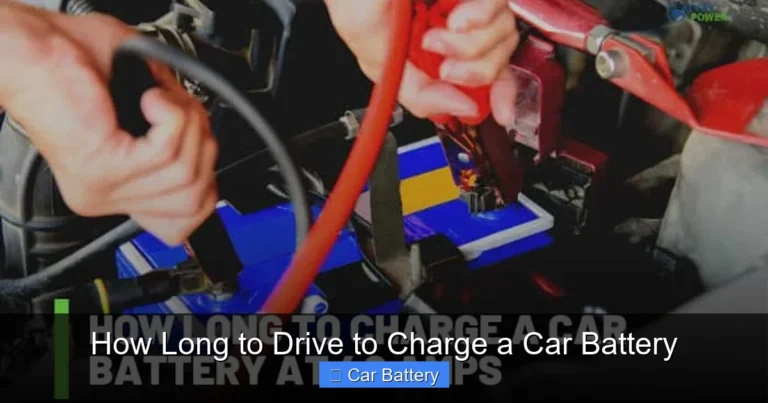
How to Tell If a Car Battery Is Dying
Knowing how to tell if a car battery is dying can save you from unexpected breakdowns and costly repairs. From slow engine cranks to dim headlights, your car gives clear signals when the battery is weakening. Acting early helps you avoid being stranded and extends the life of your vehicle’s electrical system.
In This Article
- 1 Key Takeaways
- 2 📑 Table of Contents
- 3 How to Tell If a Car Battery Is Dying: Spot the Warning Signs Before It’s Too Late
- 4 1. Slow Engine Crank: The Most Common Sign
- 5 2. Dim Headlights and Electrical Problems
- 6 3. Warning Lights on the Dashboard
- 7 4. Swollen or Bloated Battery Case
- 8 5. Corroded Battery Terminals
- 9 6. Old Age and Regular Maintenance
- 10 7. Unusual Smells or Leaking Fluid
- 11 Conclusion: Stay Ahead of Battery Failure
- 12 Frequently Asked Questions
Key Takeaways
- Slow engine crank is a major red flag: If your engine takes longer than usual to start, especially in cold weather, it may signal a weak battery.
- Dim headlights and electrical issues indicate low power: Flickering lights or sluggish power windows suggest the battery isn’t delivering enough voltage.
- Check engine or battery warning light on the dashboard: Modern cars have sensors that detect battery problems and alert you with warning lights.
- Swollen battery case means overheating or overcharging: A bloated battery case is a sign of internal damage and potential failure.
- Old age matters—most batteries last 3–5 years: Even if it seems fine, a battery older than five years should be tested regularly.
- Corroded terminals reduce connection efficiency: White or blue crust around the terminals can block power flow and mimic a dead battery.
- Unusual smells or leaking fluid are serious signs: A rotten egg smell or visible leaks mean the battery is damaged and needs immediate replacement.
📑 Table of Contents
- How to Tell If a Car Battery Is Dying: Spot the Warning Signs Before It’s Too Late
- 1. Slow Engine Crank: The Most Common Sign
- 2. Dim Headlights and Electrical Problems
- 3. Warning Lights on the Dashboard
- 4. Swollen or Bloated Battery Case
- 5. Corroded Battery Terminals
- 6. Old Age and Regular Maintenance
- 7. Unusual Smells or Leaking Fluid
- Conclusion: Stay Ahead of Battery Failure
How to Tell If a Car Battery Is Dying: Spot the Warning Signs Before It’s Too Late
We’ve all been there—turning the key in the ignition, only to hear a slow, groaning crank or worse, nothing at all. That sinking feeling when your car won’t start is frustrating, especially when you’re already running late. But here’s the good news: most car battery failures don’t happen out of the blue. Your vehicle often gives subtle (and sometimes not-so-subtle) clues that the battery is on its last legs.
Understanding how to tell if a car battery is dying isn’t just about avoiding inconvenience—it’s about safety, reliability, and saving money. A failing battery can leave you stranded in bad weather, disrupt your daily routine, and even damage other parts of your car’s electrical system if left unchecked. The good news? Most of these warning signs are easy to spot if you know what to look for.
In this guide, we’ll walk you through the most common symptoms of a dying car battery, explain why they happen, and give you practical tips to test and maintain your battery. Whether you’re a seasoned driver or just learning the basics of car care, this information will help you stay one step ahead of battery trouble.
1. Slow Engine Crank: The Most Common Sign
Visual guide about How to Tell If a Car Battery Is Dying
Image source: i.ytimg.com
One of the earliest and most obvious signs that your car battery is dying is a slow engine crank. When you turn the key or press the start button, the engine should fire up quickly—usually within a second or two. But if it sounds like the engine is struggling, taking longer to turn over, or making a “clicking” sound without starting, your battery may not have enough power to get the job done.
This happens because the starter motor needs a strong burst of electricity to spin the engine. As the battery weakens, it can’t deliver that initial surge. You might notice this most in the morning or after the car has been sitting for a while. Cold weather makes it worse because batteries lose efficiency in low temperatures.
For example, imagine you’re heading to work on a chilly Monday morning. You get in, turn the key, and instead of a smooth start, you hear a sluggish “rrrrrrr” sound. The engine eventually turns over, but it takes three or four seconds. That’s a classic sign of a weak battery. If this keeps happening, don’t ignore it—get your battery tested.
What to Do If You Notice a Slow Crank
First, try jump-starting the car. If it starts right up with a jump, the battery is likely the culprit. But don’t assume a jump means everything is fine. Use a multimeter to check the voltage. A healthy battery should read around 12.6 volts when the car is off and 13.7 to 14.7 volts when the engine is running. If it’s below 12.4 volts, the battery is undercharged or dying.
Also, consider the age of your battery. Most car batteries last between three and five years. If yours is pushing five years or more, a slow crank could mean it’s time for a replacement—even if it still works.
2. Dim Headlights and Electrical Problems
Visual guide about How to Tell If a Car Battery Is Dying
Image source: familyhandyman.com
Your car’s electrical system relies entirely on the battery when the engine is off, and even when it’s running, the battery helps stabilize voltage. So when the battery starts to fail, you’ll often notice changes in how your lights and electronics behave.
Dim headlights are one of the easiest signs to spot. If your headlights seem noticeably weaker than usual—especially when idling or when you turn them on with the engine off—it could mean the battery isn’t holding a charge. You might also notice that interior lights flicker or dim when you press the accelerator or use other electrical components.
Other electrical issues can include:
– Power windows moving slowly
– Radio or infotainment system resetting unexpectedly
– Dashboard lights flickering
– Air conditioning or heater fans running weakly
These problems occur because a dying battery can’t maintain a steady voltage. Modern cars have complex electrical systems that demand consistent power. When the battery weakens, it struggles to meet those demands, leading to performance drops across multiple systems.
Real-Life Example: The Flickering Dashboard
Let’s say you’re driving at night and notice your dashboard lights dimming every time you brake or turn on the turn signal. At first, you might think it’s just a loose wire. But if the problem persists and you also notice the radio cutting out, it’s likely a battery issue. This kind of intermittent power loss is a red flag that shouldn’t be ignored.
How to Test Electrical Performance
To check if your battery is causing electrical problems, turn on the headlights with the engine off. Let them run for about 15 minutes, then try starting the car. If the engine cranks slowly or doesn’t start at all, the battery is likely too weak to hold a charge.
You can also use a multimeter to test voltage at the battery terminals. A reading below 12.4 volts indicates a problem. If the voltage drops significantly when you turn on lights or accessories, the battery isn’t delivering enough power.
3. Warning Lights on the Dashboard
Visual guide about How to Tell If a Car Battery Is Dying
Image source: lifewire.com
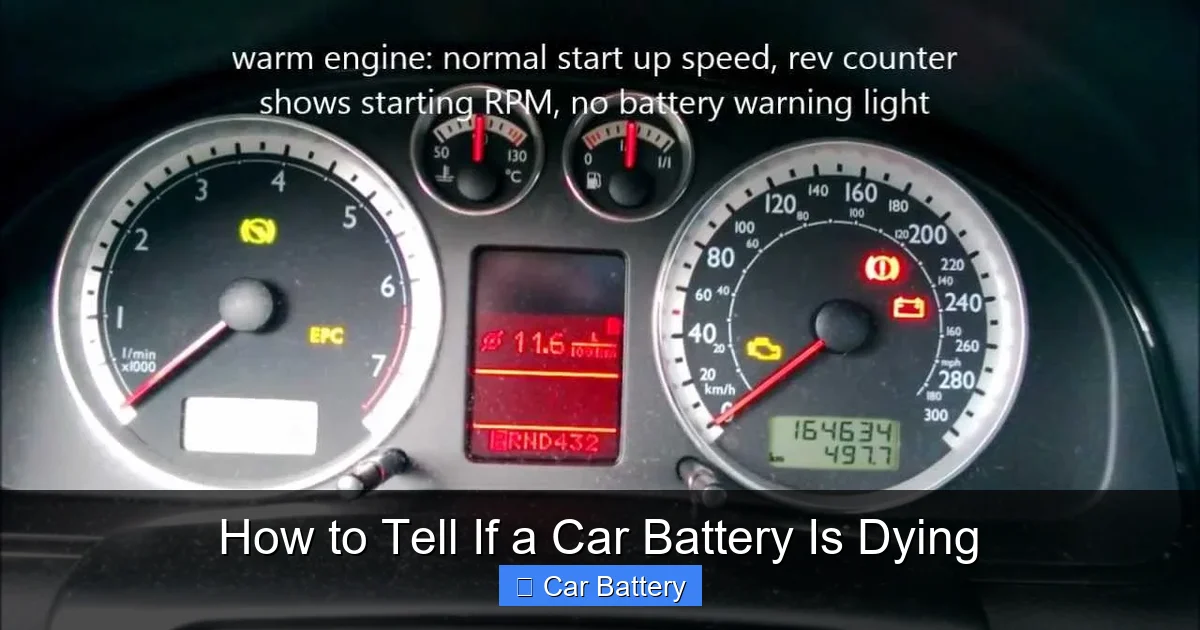
Modern vehicles are equipped with sophisticated onboard diagnostics that monitor the health of your battery and charging system. One of the most direct ways your car tells you something’s wrong is through warning lights on the dashboard.
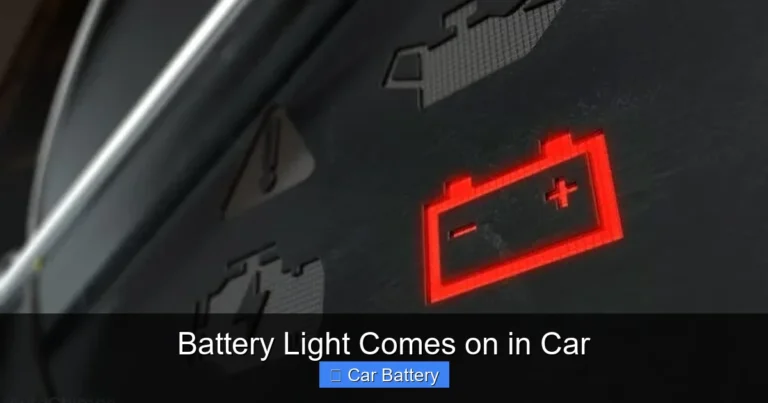
The most common indicator is the battery warning light—it usually looks like a battery symbol or says “ALT” or “CHG.” When this light comes on, it means the alternator isn’t charging the battery properly, or the battery itself is failing.
Don’t confuse this with the check engine light. While the check engine light can indicate a wide range of issues, the battery or charging system warning is more specific. If it stays on while driving, it’s a serious sign that your battery or alternator needs attention.
Why the Warning Light Comes On
The alternator charges the battery while the engine runs. If the battery is old or damaged, it may not accept a charge, causing the alternator to work harder. This can trigger the warning light. Alternatively, a faulty alternator might not be charging the battery at all, leading to a rapid drain.
In some cases, the light may flicker or come on briefly when you use high-power accessories like heated seats or the defroster. This suggests the system is under strain and the battery can’t keep up.
What to Do When the Light Appears
If the battery warning light comes on, don’t wait. Drive to a mechanic or auto parts store as soon as possible. Many stores offer free battery and charging system tests. Continuing to drive with a faulty charging system can leave you stranded and may damage the alternator or other components.
4. Swollen or Bloated Battery Case
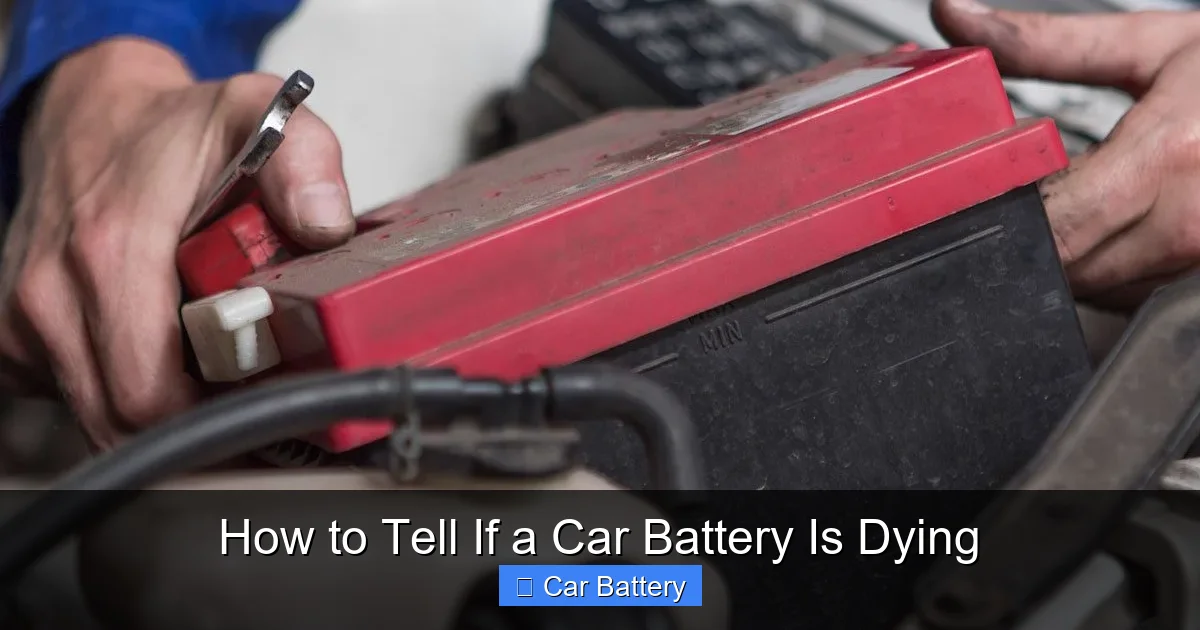
A healthy car battery should have a smooth, rectangular case with no bulges or distortions. If you pop the hood and notice that the battery case looks swollen or bloated—especially on the sides—it’s a clear sign of internal damage.
This swelling usually happens because the battery has overheated or been overcharged. When the internal components overheat, gases build up inside the sealed case, causing it to expand. This can happen due to a faulty voltage regulator, extreme weather, or leaving the car in direct sunlight for long periods.
A swollen battery is not just a performance issue—it’s a safety hazard. The pressure buildup can cause the case to crack, leading to acid leaks or even an explosion in rare cases.
How to Spot a Swollen Battery
Look closely at the battery from different angles. If the sides are bulging outward or the top is warped, it’s likely swollen. You might also notice that the battery doesn’t sit flat in its tray.
Don’t touch a swollen battery with bare hands. Battery acid is corrosive and can cause burns. If you suspect swelling, have the battery inspected and replaced immediately.
Preventing Battery Swelling
To avoid overheating, park in the shade or use a car cover in hot climates. Also, have your charging system checked regularly—especially if you notice the battery warning light or electrical issues. A properly functioning alternator and voltage regulator will prevent overcharging.
5. Corroded Battery Terminals
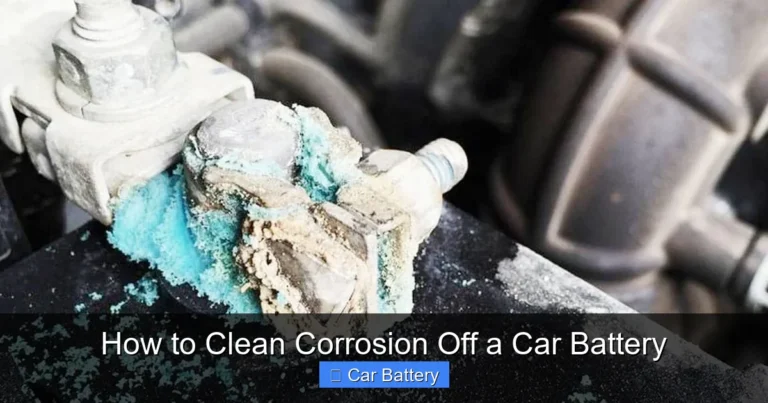
Corrosion around the battery terminals is another common sign of battery trouble. You’ll usually see a white, blue, or greenish powdery substance on the metal connectors. This buildup is caused by chemical reactions between the battery acid and the metal terminals.
While corrosion itself doesn’t mean the battery is dead, it can prevent the battery from delivering power efficiently. The crusty buildup acts as an insulator, blocking the flow of electricity to the starter and other components. This can mimic the symptoms of a dead battery—slow cranking, dim lights, and electrical glitches.
How to Clean Corroded Terminals
Cleaning corrosion is simple and can often restore normal function. Here’s how:
1. Turn off the engine and disconnect the negative terminal first (usually black), then the positive (red).
2. Mix a tablespoon of baking soda with a cup of water.
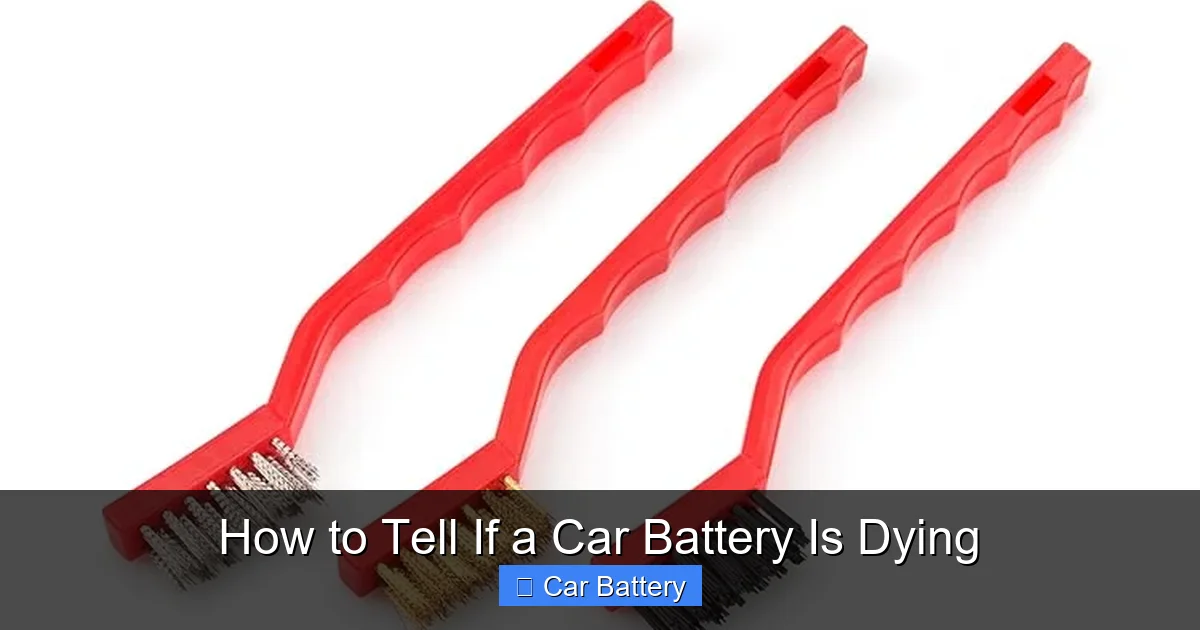
3. Use an old toothbrush or wire brush to scrub the terminals and cable ends.
4. Rinse with clean water and dry thoroughly.
5. Reconnect the terminals, starting with the positive, then the negative.
6. Apply a thin layer of petroleum jelly or terminal protector to prevent future corrosion.
When Corrosion Means More Than Dirt
If corrosion returns quickly—within days or weeks—it could indicate a more serious problem, such as a leaking battery or overcharging. In that case, have the battery and charging system tested by a professional.
6. Old Age and Regular Maintenance
Even if your battery shows no obvious signs of failure, age is a critical factor. Most car batteries are designed to last between three and five years. After that, their performance declines rapidly, and the risk of failure increases.
Think of it like a phone battery—over time, it holds less charge and needs to be recharged more often. The same principle applies to car batteries. Heat, cold, short trips, and frequent use of electronics all contribute to wear and tear.
How to Check Your Battery’s Age
Look for a date code on the battery. Most manufacturers stamp a code like “A123” or “3/22,” where the letter represents the month (A=January, B=February, etc.) and the number is the year. For example, “D21” means April 2021.
If your battery is more than four years old, start testing it regularly—especially before winter. Many auto parts stores offer free battery tests using professional equipment that measures voltage, cranking power, and overall health.
Tips for Extending Battery Life
– Avoid short trips that don’t allow the battery to fully recharge.
– Turn off lights and accessories when the engine is off.
– Use a battery maintainer if you don’t drive often.
– Keep the battery clean and terminals tight.
– Park in a garage during extreme temperatures.
7. Unusual Smells or Leaking Fluid
A healthy car battery should be sealed and leak-free. But if you notice a strong, sulfur-like smell—similar to rotten eggs—it could mean the battery is leaking acid or has overheated.
This smell comes from hydrogen sulfide gas, which is released when the battery’s internal components break down. It’s not only unpleasant—it’s also dangerous. In high concentrations, the gas is flammable and toxic.
Visible leaks or wet spots around the battery are even more concerning. Battery acid is highly corrosive and can damage your car’s engine bay, paint, and electrical components. If you see fluid, don’t touch it. Wear gloves and safety glasses, and have the battery replaced immediately.
What Causes Leaks and Smells?
Leaks often result from:
– Overcharging due to a faulty alternator
– Physical damage from vibration or impact
– Extreme heat causing internal pressure buildup
– Old age and degraded seals
If you detect a foul odor or see fluid, stop driving the car and call a mechanic. Continuing to use a leaking battery can lead to serious damage or safety risks.
Conclusion: Stay Ahead of Battery Failure
Knowing how to tell if a car battery is dying is one of the most valuable skills a driver can have. By paying attention to warning signs like slow cranking, dim lights, warning lights, swelling, corrosion, age, and unusual smells, you can catch problems early and avoid being stranded.
Regular maintenance—like cleaning terminals, checking voltage, and testing the battery—can extend its life and keep your car running smoothly. And remember, even if your battery seems fine, it’s wise to have it tested once a year, especially if it’s over three years old.
Your car’s battery is the heart of its electrical system. Treat it with care, and it will keep you moving reliably for years to come.
Frequently Asked Questions
How long do car batteries typically last?
Most car batteries last between three and five years, depending on driving habits, climate, and maintenance. Extreme temperatures and frequent short trips can shorten their lifespan.
Can a bad alternator mimic a dying battery?
Yes, a faulty alternator can cause symptoms similar to a dying battery, such as dim lights and slow cranking. That’s why it’s important to test both the battery and charging system.
Is it safe to jump-start a car with a dying battery?
Yes, jump-starting is generally safe if done correctly. Use jumper cables and follow the proper sequence: connect red to positive, black to negative, and avoid sparks near the battery.
Should I replace my battery if it’s over five years old?
It’s a good idea to test it regularly. Even if it still works, a battery over five years old is more likely to fail unexpectedly, especially in cold weather.
Can I clean battery corrosion myself?
Yes, you can clean corrosion with baking soda and water. Always disconnect the battery first and wear gloves and eye protection to avoid contact with acid.
Why does my battery die in cold weather?
Cold temperatures reduce a battery’s chemical reaction speed, lowering its ability to deliver power. A weak battery that works in summer may fail in winter.