How to Sell Your Car in Maryland
Selling your car in Maryland doesn’t have to be stressful. With the right preparation, clear documentation, and smart marketing, you can sell your vehicle quickly and legally. This guide walks you through every step—from pricing to paperwork—so you can get top dollar and avoid common pitfalls.
Thinking about selling your car in Maryland? Whether you’re upgrading to a newer model, downsizing, or just ready for a change, selling your vehicle can be a smooth and profitable process—if you do it right. The key is preparation. From understanding Maryland’s specific legal requirements to pricing your car accurately, every step matters. And while it might seem overwhelming at first, breaking it down into manageable tasks makes it much easier.
Maryland has its own set of rules when it comes to vehicle sales, especially around titles, emissions testing, and registration transfers. Unlike some states, Maryland requires certain documentation that must be completed correctly to avoid delays or legal issues. But don’t worry—this guide will walk you through everything you need to know. We’ll cover how to value your car, prepare it for sale, advertise effectively, handle negotiations, and finalize the transaction safely and legally.
By the end of this article, you’ll feel confident and ready to sell your car in Maryland with ease. Whether you’re selling privately or trading in at a dealership, these tips will help you get the best possible outcome. Let’s dive in.
In This Article
- 1 Key Takeaways
- 2 📑 Table of Contents
- 3 Step 1: Determine Your Car’s Value
- 4 Step 2: Gather Required Documents
- 5 Step 3: Prepare Your Car for Sale
- 6 Step 4: Advertise Your Car Effectively
- 7 Step 5: Handle the Sale Safely and Legally
- 8 Step 6: Notify the MVA and Protect Yourself
- 9 Alternative: Trade-In or Sell to a Dealer
- 10 Final Tips for a Smooth Sale
- 11 Frequently Asked Questions
- 11.1 Do I need a bill of sale to sell my car in Maryland?
- 11.2 Can I sell my car in Maryland without a title?
- 11.3 Is an emissions test required when selling a car in Maryland?
- 11.4 How long do I have to notify the MVA after selling my car?
- 11.5 Can I sell my car if it has a lien?
- 11.6 What’s the best way to get paid when selling my car?
Key Takeaways
- Know your car’s value: Use tools like Kelley Blue Book or Edmunds to price your vehicle competitively based on condition, mileage, and market trends.
- Gather all required documents: You’ll need the title, bill of sale, odometer disclosure, and emissions inspection certificate (if applicable).
- Prepare your car for sale: Clean it thoroughly, fix minor issues, and take high-quality photos to attract buyers.
- Advertise effectively: List your car on trusted platforms like Craigslist, Facebook Marketplace, or Autotrader with a clear, honest description.
- Complete the sale legally: Sign over the title correctly, provide a bill of sale, and notify the Maryland MVA within 30 days.
- Choose safe payment methods: Use cash, cashier’s checks, or secure bank transfers—avoid personal checks or wire transfers from strangers.
- Cancel insurance after transfer: Once the sale is complete and the buyer has registered the car, cancel your policy to avoid unnecessary charges.
📑 Table of Contents
Step 1: Determine Your Car’s Value
Before you list your car for sale, you need to know how much it’s worth. Pricing it too high can scare off buyers, while pricing it too low means leaving money on the table. The goal is to find that sweet spot—fair market value.
Use Online Valuation Tools
Start by using trusted online resources like Kelley Blue Book (KBB), Edmunds, or NADA Guides. These tools let you input your car’s make, model, year, mileage, condition, and features to get an estimated value. For example, a 2018 Honda Civic with 60,000 miles in good condition might be valued between $14,000 and $16,000 in the Maryland market.
Keep in mind that these are estimates. The actual sale price may vary based on local demand, seasonality, and how well you present your vehicle. Also, private party sales typically fetch more than trade-in offers from dealerships.
Check Local Listings
Look at similar cars for sale in your area on platforms like Craigslist, Facebook Marketplace, or Autotrader. Compare prices for vehicles with similar mileage, condition, and features. This gives you a real-world sense of what buyers are willing to pay.
For instance, if you see three 2019 Toyota Camrys listed in Baltimore for $17,500, $18,000, and $18,500, you’ll know your asking price should fall within that range—unless your car has unique upgrades or exceptionally low mileage.
Adjust for Condition and Extras
Be honest about your car’s condition. If it has dents, scratches, or mechanical issues, adjust your price accordingly. On the flip side, if it has new tires, a recent service, or premium features like a sunroof or leather seats, you can justify a higher price.
A well-maintained car with service records can often command a premium. Buyers appreciate transparency and are more likely to pay top dollar when they know the vehicle has been cared for.
Step 2: Gather Required Documents
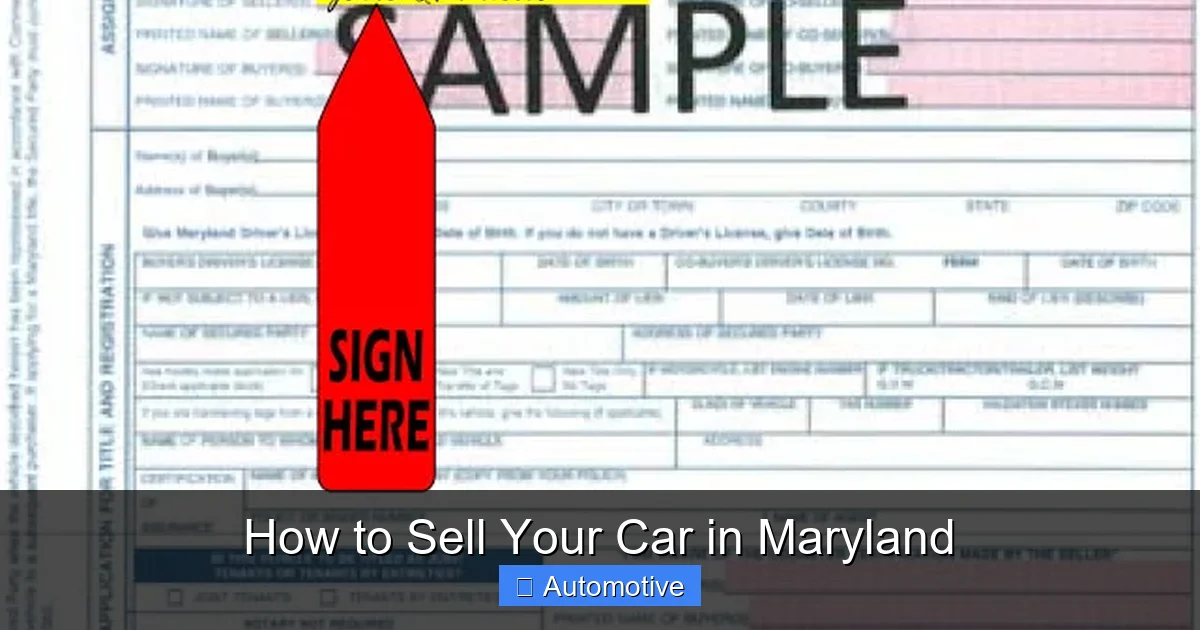
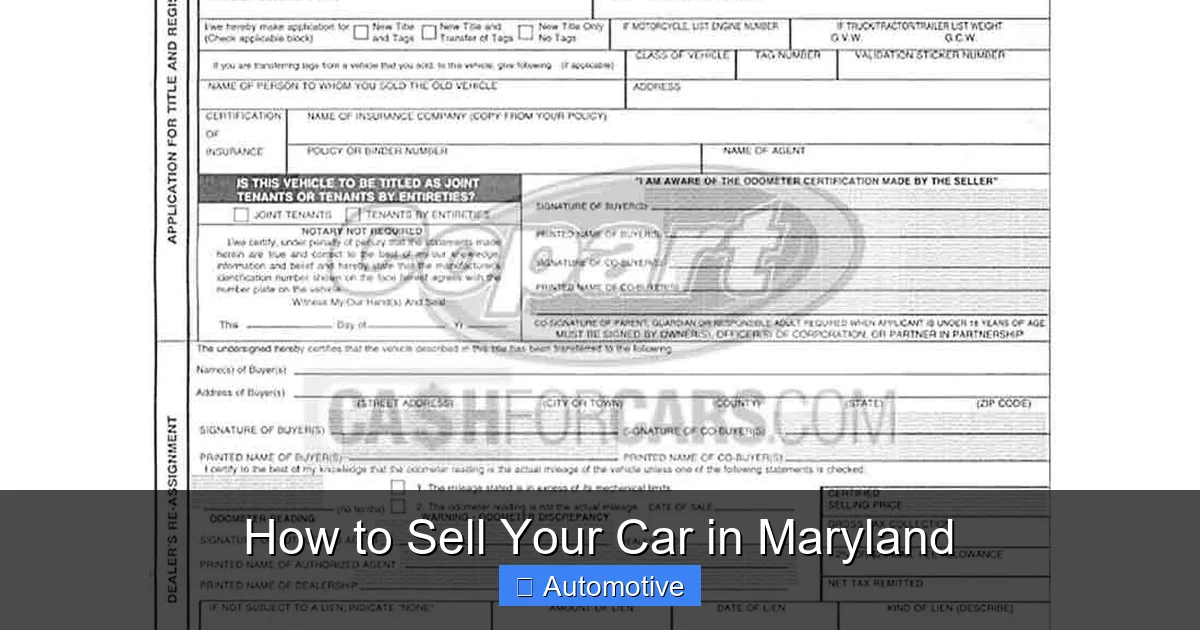
Visual guide about How to Sell Your Car in Maryland
Image source: mytitle.org
Maryland law requires specific paperwork when selling a car. Having everything ready upfront speeds up the process and builds trust with buyers.
Title Transfer
The most important document is the vehicle title. You must sign over the title to the buyer. Make sure your name is correctly listed as the seller and that there are no liens on the vehicle. If there is a lien, you’ll need to pay it off before selling.
If you’ve lost your title, you can request a duplicate from the Maryland Motor Vehicle Administration (MVA). This process takes a few weeks, so plan ahead.
Bill of Sale
Maryland doesn’t legally require a bill of sale, but it’s highly recommended. This document records the sale details, including the buyer’s and seller’s names, addresses, vehicle information, sale price, and date.
You can download a free Maryland bill of sale template from the MVA website or create your own. Both parties should sign it and keep a copy for their records.
Odometer Disclosure
Federal law requires an odometer disclosure for vehicles under 10 years old. This confirms the mileage at the time of sale. The disclosure must be completed on the title or a separate form.
If your car is older than 10 years, this step isn’t required—but it’s still a good idea to include it for transparency.
Emissions Inspection Certificate
Maryland requires emissions testing for most vehicles in certain counties, including Baltimore, Montgomery, and Prince George’s. If your car is registered in one of these areas, it must pass an emissions test within 90 days before the sale.
The inspection certificate must be provided to the buyer. If your car hasn’t been tested recently, schedule an appointment at an approved testing station. The cost is usually around $20–$30.
Release of Liability
After the sale, you must notify the MVA that you’re no longer responsible for the vehicle. This is done by submitting a Release of Liability form online or by mail within 30 days of the sale.
This step protects you from fines, tolls, or parking tickets incurred by the new owner. It’s a simple but crucial part of selling your car in Maryland.
Step 3: Prepare Your Car for Sale
First impressions matter. A clean, well-maintained car sells faster and for more money. Take the time to make your vehicle look its best.
Clean Inside and Out
Start with a thorough wash and wax. Clean the windows, tires, and wheels. Inside, vacuum the carpets, wipe down surfaces, and remove any personal items. Consider using an odor eliminator if there are lingering smells from pets or smoking.
A professional detailing service can cost $100–$200, but it’s often worth it. A spotless car signals that it’s been well cared for.
Fix Minor Issues
You don’t need to rebuild the engine, but addressing small problems can boost your sale price. Replace burnt-out light bulbs, fix cracked windshields, or patch small dents. Even something as simple as replacing worn wiper blades makes a difference.
If your car needs major repairs, consider whether fixing it is worth the investment. Sometimes, it’s better to lower the price and let the buyer handle the repairs.
Take High-Quality Photos
Photos are your car’s first impression online. Take pictures in natural daylight, from multiple angles. Include shots of the exterior, interior, engine bay, and trunk. Highlight any special features or recent upgrades.
Avoid cluttered backgrounds. A clean, neutral setting makes your car stand out. Use a smartphone with good lighting—no fancy equipment needed.
Compile Maintenance Records
Gather receipts for oil changes, tire rotations, brake work, and other services. Organized records show buyers that the car has been maintained properly. You can present them in a folder or binder during test drives.
Even if you don’t have every receipt, having some documentation builds credibility.
Step 4: Advertise Your Car Effectively
Now that your car is ready, it’s time to find a buyer. The right advertising strategy can make all the difference.
Choose the Right Platforms
Popular options include Craigslist, Facebook Marketplace, Autotrader, and Cars.com. Each has its pros and cons.
Craigslist is free and widely used, but it attracts scammers. Facebook Marketplace is convenient and allows you to message buyers directly. Autotrader and Cars.com reach serious buyers but may charge listing fees.
Consider using multiple platforms to maximize exposure.
Write a Clear, Honest Description
Your listing should include key details: make, model, year, mileage, condition, features, and reason for selling. Be upfront about any flaws.
For example:
“2017 Ford Escape SE, 78,000 miles, clean title, no accidents. Recently serviced with new brakes and tires. Great fuel economy, perfect for commuting. Selling because I’m upgrading to an SUV.”
Avoid exaggerations or misleading claims. Honesty builds trust and reduces the chance of disputes later.
Set a Competitive Price
Use your research to set a fair price. You can start slightly higher to leave room for negotiation, but don’t overprice. Buyers often filter searches by price, so an unrealistic listing may be ignored.
Consider offering a “firm” price if you’re not open to offers, or say “negotiable” if you’re flexible.
Respond Promptly to Inquiries
When buyers contact you, reply quickly and professionally. Answer questions honestly and schedule test drives at safe, public locations.
Be cautious of red flags: requests to wire money, buyers who want to ship the car, or those who refuse to meet in person. These are common scam tactics.
Step 5: Handle the Sale Safely and Legally
Once you’ve found a serious buyer, it’s time to close the deal. Safety and legality are top priorities.
Meet in a Safe Location
Always meet in a public place during daylight hours. Police stations often have designated “safe exchange zones” with cameras and lighting. Avoid meeting at your home or isolated areas.
Bring a friend or family member if possible. Let someone know where you’re going and when you expect to return.
Verify the Buyer’s Identity
Ask to see the buyer’s driver’s license. Make sure the name matches the one they’ll use on the title and registration. This helps prevent fraud.
Complete the Paperwork
At the meeting, sign over the title, complete the bill of sale, and provide the emissions certificate (if required). Make sure all signatures are legible and match the names on the documents.
Double-check that the odometer reading is accurate. Mistakes here can cause problems during registration.
Accept Secure Payment
Cash is the safest option for private sales. If the amount is large, meet at a bank to verify the funds.
Cashier’s checks are also secure, but only accept them from the issuing bank—not from the buyer. Avoid personal checks, wire transfers, or money orders from unknown sources.
Never release the car until payment is confirmed.
Remove License Plates and Cancel Insurance
In Maryland, license plates stay with the vehicle. However, you should remove any personal items and disable your insurance once the sale is complete.
Contact your insurance company to cancel or transfer coverage. You may be eligible for a refund on unused premiums.
Step 6: Notify the MVA and Protect Yourself
After the sale, take a few final steps to protect yourself and comply with Maryland law.
Submit the Release of Liability
Within 30 days of the sale, submit a Release of Liability form to the MVA. This can be done online at the MVA website or by mailing Form VR-20.
This form tells the state that you’re no longer responsible for the vehicle. Keep a copy for your records.
Keep Copies of All Documents
Save copies of the bill of sale, title transfer, and odometer disclosure. These may be needed if there are any disputes or issues with registration.
Store them in a safe place, like a filing cabinet or digital cloud storage.
Monitor for Issues
For the next few weeks, keep an eye on your mail and online accounts. If you receive any traffic tickets or registration notices for the car, contact the MVA immediately and provide proof of sale.
This rarely happens, but it’s better to be proactive.
Alternative: Trade-In or Sell to a Dealer
If you’d rather skip the hassle of a private sale, consider trading in your car or selling it directly to a dealership.
Trade-In at a Dealership
Trading in is convenient, especially if you’re buying a new car. The dealer handles all the paperwork, and you can apply the trade-in value toward your purchase.
However, trade-in offers are typically lower than private sale prices. Dealers need to make a profit when they resell the vehicle.
Sell Directly to a Dealer
Some dealerships buy cars outright, even if you’re not purchasing another vehicle. This can be a good option if you want a quick sale.
Get quotes from multiple dealers to compare offers. Be prepared to negotiate.
Sell to an Online Car Buyer
Companies like CarMax, Carvana, or Vroom offer instant online quotes and will buy your car sight unseen. They often provide free pickup and handle the paperwork.
While convenient, these services may offer less than private buyers. Still, they’re a solid option if speed and simplicity are your priorities.
Final Tips for a Smooth Sale
Selling your car in Maryland doesn’t have to be complicated. With the right approach, you can sell quickly, safely, and for a fair price.
– Be honest about your car’s condition. Transparency builds trust.
– Price competitively based on research, not emotion.
– Prepare your car to look its best—cleanliness sells.
– Use secure payment methods and meet in safe locations.
– Complete all paperwork correctly and notify the MVA.
– Consider your options: private sale, trade-in, or dealer purchase.
Remember, the goal is not just to sell your car, but to do it in a way that protects you legally and financially. Take your time, follow the steps, and you’ll be driving away with cash in hand and peace of mind.
Frequently Asked Questions
Do I need a bill of sale to sell my car in Maryland?
While not legally required, a bill of sale is highly recommended. It documents the sale details and protects both buyer and seller in case of disputes.
Can I sell my car in Maryland without a title?
No, you must have a signed title to transfer ownership. If you’ve lost it, request a duplicate from the MVA before listing your car.
Is an emissions test required when selling a car in Maryland?
Yes, if your car is registered in certain counties (like Baltimore or Montgomery), it must pass an emissions test within 90 days of the sale. The certificate must be provided to the buyer.
How long do I have to notify the MVA after selling my car?
You must submit a Release of Liability form to the MVA within 30 days of the sale to avoid responsibility for future violations.
Can I sell my car if it has a lien?
No, you must pay off the lien and obtain a lien release before selling. The title must be clear of any encumbrances.
What’s the best way to get paid when selling my car?
Cash or cashier’s checks from the issuing bank are the safest options. Avoid personal checks or wire transfers from strangers to prevent fraud.