
How to Sell My Car

Selling your car doesn’t have to be stressful or confusing. With the right preparation, pricing, and marketing, you can attract serious buyers and close a fair deal fast. This guide walks you through every step—from cleaning your car to signing over the title—so you can sell your car with confidence.
So, you’ve decided it’s time to sell your car. Maybe you’re upgrading to something newer, downsizing, or just ready for a change. Whatever the reason, selling a car can feel overwhelming—especially if you’ve never done it before. But here’s the good news: with a little planning and the right approach, you can sell your car quickly, safely, and for a fair price.
The key is to treat the process like a mini-project. Think of it as preparing your car for its next owner, just like you’d stage a house before putting it on the market. From cleaning and repairs to pricing and paperwork, every step matters. And while it might seem like a lot, breaking it down into manageable tasks makes it much easier.
In this guide, we’ll walk you through everything you need to know about how to sell your car—whether you’re selling privately, trading it in, or using an online car-buying service. We’ll cover how to get your car ready, how to price it correctly, where to list it, how to handle test drives and negotiations, and what paperwork you’ll need to complete the sale. By the end, you’ll feel confident and ready to hand over the keys.
Key Takeaways
- Prepare your car thoroughly: Clean it inside and out, fix minor issues, and gather maintenance records to boost buyer confidence.
- Price it right: Research market value using tools like Kelley Blue Book or Edmunds to set a competitive and realistic price.
- Choose the right selling method: Decide between private sale, trade-in, or selling to a dealer based on speed, convenience, and profit.
- Market effectively: Take high-quality photos, write a clear ad, and list on popular platforms like Craigslist, Facebook Marketplace, or Autotrader.
- Stay safe during showings: Meet in public places, bring a friend, and avoid sharing personal information until you’re ready to close.
- Complete the paperwork correctly: Transfer the title, provide a bill of sale, and notify your DMV to avoid future liability.
- Negotiate wisely: Be ready to discuss price but know your bottom line to avoid underselling.
📑 Table of Contents
Step 1: Get Your Car Ready to Sell
Before you even think about listing your car, you need to make sure it’s in the best possible condition. First impressions matter—especially when buyers are scrolling through dozens of listings. A clean, well-maintained car not only looks more appealing but also suggests that it’s been cared for, which can justify a higher price.
Deep Clean Inside and Out
Start with a thorough wash and wax. Dirt, grime, and bird droppings can make even a nice car look neglected. Use a high-pressure hose to clean the wheels and undercarriage, and don’t forget the windows—both inside and out. A sparkling exterior shows pride of ownership.
Next, tackle the interior. Vacuum every nook and cranny, including under the seats and in the trunk. Wipe down all surfaces—dashboard, door panels, center console—with a gentle cleaner. If your car has fabric seats, consider using a fabric cleaner or renting a carpet extractor. For leather seats, use a leather conditioner to restore shine and prevent cracking.
Don’t ignore small details. Clean the cup holders, air vents, and seatbelt buckles. Remove any personal items like old receipts, sunglasses, or air fresheners (unless they’re part of the sale). A clutter-free interior makes the car feel newer and more spacious.
Fix Minor Issues
You don’t need to spend thousands on repairs, but addressing small problems can make a big difference. Replace burnt-out light bulbs, fix wiper blades, and top off fluids like windshield washer and coolant. If the tires are worn or unevenly treaded, consider replacing them—especially if they’re close to the legal limit.
Check for dings, scratches, or rust spots. A few hundred dollars at a detail shop or paintless dent repair service can dramatically improve your car’s appearance. Even a simple touch-up paint job on a scratch can prevent buyers from lowballing you.
Gather Maintenance Records
Buyers love transparency. If you’ve kept records of oil changes, tire rotations, brake jobs, or major repairs, gather them in a folder or binder. This shows that the car has been well-maintained and can help justify your asking price. If you don’t have paper records, check if your mechanic uses a digital system—many now offer online access to service history.
Also, locate your owner’s manual, spare key, and any accessories like floor mats, roof racks, or a car cover. Including these extras can be a selling point, especially for buyers looking for a complete package.
Step 2: Research and Set the Right Price
Visual guide about How to Sell My Car
Image source: api.crazycarcorner.com
Pricing your car correctly is one of the most important steps in how to sell your car. Overprice it, and you’ll scare off buyers. Underprice it, and you’ll leave money on the table. The goal is to find that sweet spot where your car is competitively priced but still reflects its value.
Use Online Valuation Tools
Start by checking your car’s market value using trusted sources like Kelley Blue Book (KBB), Edmunds, or NADA Guides. These tools ask for details like make, model, year, mileage, condition, and location to give you a price range.
For example, a 2018 Honda Civic with 60,000 miles in good condition might be valued between $14,000 and $16,000 in a private sale. But remember—these are estimates. The final price will depend on your car’s specific condition, features, and local demand.
Compare Similar Listings
Next, look at active listings for similar cars in your area. Search platforms like Craigslist, Facebook Marketplace, Autotrader, and Cars.com. Pay attention to cars with similar mileage, trim level, and condition.
Let’s say you find three 2018 Honda Civics for sale:
– One with 55,000 miles, clean title, and new tires listed at $15,500
– Another with 70,000 miles, minor paint scratches, listed at $13,900
– A third with 60,000 miles, excellent condition, and a full service history at $15,200
Based on this, pricing your car at $15,000 would be reasonable—especially if it’s in good shape and you’ve included maintenance records.
Adjust for Condition and Extras
If your car has upgrades like a premium sound system, navigation, or alloy wheels, you can justify a slightly higher price. On the other hand, if it has high mileage, cosmetic flaws, or needs repairs, you may need to lower your asking price.
Also, consider the time of year. Convertibles sell better in spring and summer, while SUVs and trucks are more popular in fall and winter. Adjust your price accordingly to match seasonal demand.
Step 3: Choose the Best Way to Sell Your Car
Visual guide about How to Sell My Car
Image source: spyne.ai
There’s no one-size-fits-all answer to how to sell your car. The best method depends on your priorities: speed, convenience, or maximum profit. Here are the three main options:
Sell Privately
Selling directly to another person usually gets you the highest price. You avoid dealer markups and can negotiate directly with the buyer. However, it takes more time and effort—you’ll need to create ads, respond to inquiries, and handle test drives.
Private sales are ideal if:
– You want the most money possible
– You’re not in a rush
– You’re comfortable meeting strangers and handling paperwork
Trade It In at a Dealership
Trading in your car is the easiest option. You drive in, get an offer, and apply the value toward a new purchase—all in one visit. But convenience comes at a cost. Dealers typically offer less than private sale value because they need to resell the car for a profit.
Trade-ins are best if:
– You’re buying a new car
– You value speed and simplicity
– You don’t want to deal with ads or test drives
Sell to a Dealer or Online Buyer
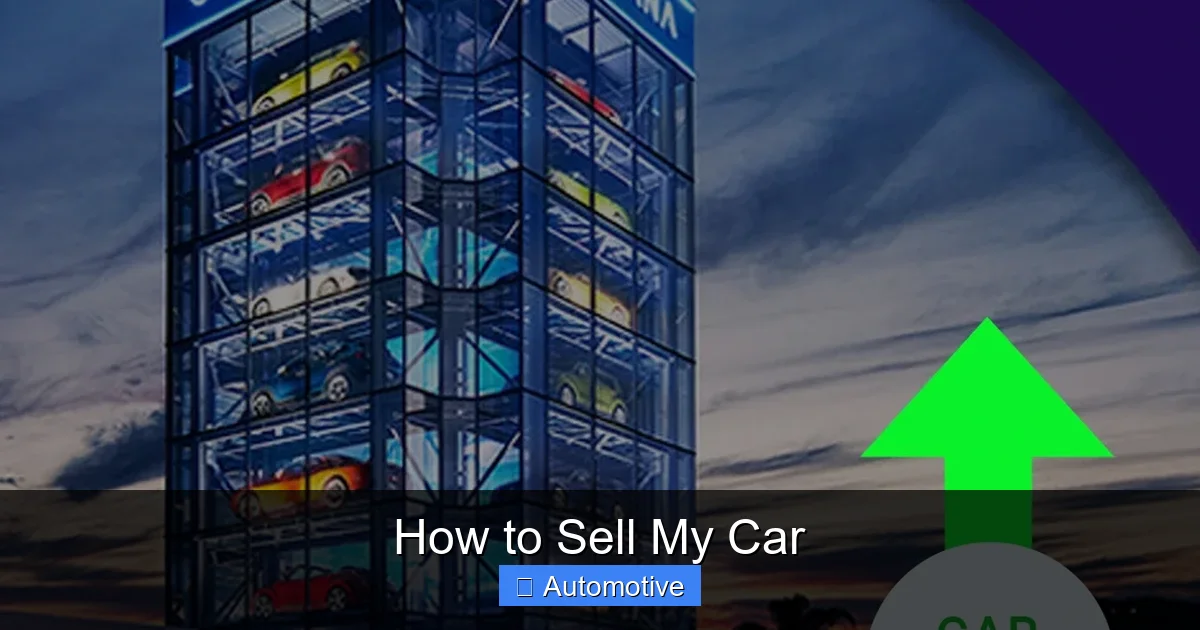
Many dealerships and online services (like CarMax, Carvana, or Vroom) will buy your car outright—no trade-in required. They inspect your vehicle, make an offer, and handle the paperwork. While you might get slightly less than a private sale, it’s still faster and safer than dealing with strangers.
This option works well if:
– You want a quick sale
– You don’t want to meet buyers in person
– Your car is in decent condition but not showroom-ready
Step 4: Create a Winning Listing
Visual guide about How to Sell My Car
Image source: spyne.ai
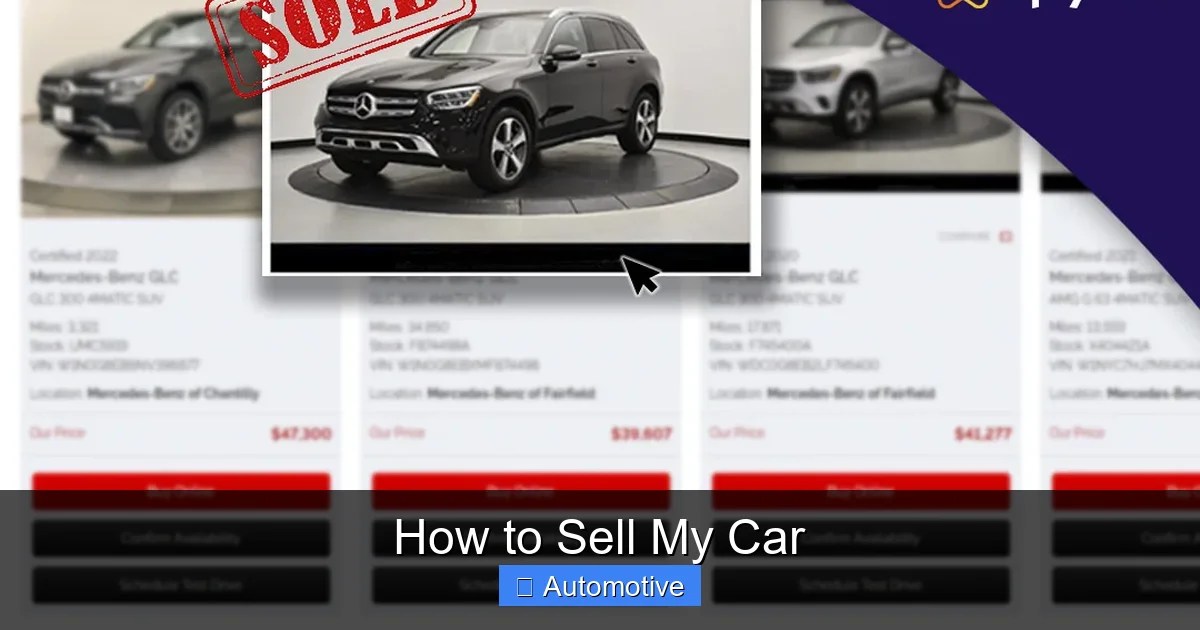
Once your car is ready and priced, it’s time to create a listing that grabs attention. A great ad can make the difference between a quick sale and a car that sits for weeks.
Write a Clear, Honest Description
Start with a strong headline that includes key details: year, make, model, mileage, and a standout feature (e.g., “2019 Toyota Camry – 45K Miles – One Owner – Excellent Condition”).
In the description, be honest and detailed. Mention:
– Mileage and condition
– Recent maintenance or repairs
– Features (e.g., backup camera, heated seats, Bluetooth)
– Reason for selling
– Any known issues (e.g., “small scratch on rear bumper”)
Avoid exaggerations like “perfect condition” if there are flaws. Buyers appreciate transparency, and honesty builds trust.
Take High-Quality Photos
Photos are the first thing buyers see. Take them in good lighting—early morning or late afternoon works best. Shoot from multiple angles:
– Front, back, and both sides
– Interior (seats, dashboard, trunk)
– Engine bay (if clean)
– Close-ups of tires, wheels, and any unique features
Use a clean background—avoid cluttered driveways or busy streets. If possible, take photos in a shaded area to avoid harsh shadows.
Choose the Right Platforms
List your car on multiple sites to reach more buyers. Popular options include:
– **Craigslist:** Free and widely used, but requires caution
– **Facebook Marketplace:** Easy to use and integrates with your profile
– **Autotrader or Cars.com:** Great for serious buyers, but may charge a fee
– **OfferUp or Letgo:** Mobile-friendly apps with local reach
Include your phone number and respond quickly to messages. The faster you reply, the more likely you are to close the sale.
Step 5: Handle Test Drives and Negotiations
Once you start getting inquiries, it’s time to meet potential buyers. This step requires both preparation and caution.
Stay Safe During Showings
Always meet in a public place—like a shopping center parking lot or police station. Bring a friend or family member, and let someone know where you’re going and when you’ll return.
Ask to see the buyer’s driver’s license and verify it matches their name. Never let a stranger take your car for a solo test drive unless you’re in the passenger seat.
Prepare for the Test Drive
Before the drive, make sure your car has enough gas and that all systems are working. Have your insurance and registration ready in case the buyer asks.
During the drive, point out key features and answer questions honestly. If the buyer wants to inspect under the hood or take it to a mechanic, that’s usually a good sign—they’re serious.
Negotiate the Price
Most buyers will try to negotiate. Be ready, but don’t feel pressured to accept the first offer. Know your bottom line—the lowest price you’re willing to accept—and stick to it.
If the buyer lowballs you, stay calm. Say something like, “I appreciate the offer, but I’ve priced the car based on its condition and market value. I’m open to reasonable discussions.”
Sometimes, offering to include extras (like winter tires or a full tank of gas) can sweeten the deal without lowering the price.
Step 6: Complete the Sale and Transfer Ownership
Once you’ve agreed on a price, it’s time to finalize the sale. This step is crucial to protect yourself legally and financially.
Accept Secure Payment
Avoid cash for large amounts—it’s risky and hard to trace. Use a cashier’s check, bank transfer, or escrow service. If you accept a personal check, wait for it to clear before handing over the keys.
Never release the car until payment is confirmed.
Sign Over the Title
The title is the legal document that proves ownership. Sign it over to the buyer, filling in their name, address, sale price, and date. Some states require a notarized signature—check your local DMV rules.
Remove your license plates (in most states) and destroy any old registration stickers.
Provide a Bill of Sale
A bill of sale is a simple document that records the transaction. Include:
– Buyer and seller names and addresses
– Vehicle details (VIN, make, model, year)
– Sale price and date
– Odometer reading
You can find free templates online or use your state’s official form.
Notify the DMV
After the sale, notify your state’s Department of Motor Vehicles (DMV) that you’ve sold the car. This protects you from liability if the buyer gets a ticket or causes an accident before transferring the title.
In many states, you can file a “Notice of Sale” online or by mail. Keep a copy for your records.
Final Tips for a Smooth Sale
Selling your car doesn’t have to be a headache. With the right approach, you can make the process smooth, safe, and profitable.
– **Be patient:** The right buyer may take a few weeks to find.
– **Stay organized:** Keep all documents in one place.
– **Be honest:** Transparency builds trust and avoids disputes.
– **Trust your instincts:** If something feels off, walk away.
By following these steps, you’ll not only sell your car but also feel good about the experience. After all, you’re passing on a reliable vehicle to someone who needs it—and getting fair value in return.
Frequently Asked Questions
How long does it take to sell a car privately?
It typically takes 2 to 6 weeks to sell a car privately, depending on demand, pricing, and how well you market it. Cars in high-demand categories (like fuel-efficient sedans or SUVs) often sell faster.
Should I fix my car before selling it?
Yes, but focus on cost-effective repairs. Fixing minor issues like burnt-out lights, wiper blades, or small dents can increase your car’s appeal and value without breaking the bank.
Can I sell my car if I still owe money on it?
Yes, but you’ll need to pay off the loan first. Contact your lender to get the payoff amount, then use the sale proceeds to settle the debt. Some buyers may agree to pay the lender directly.
What documents do I need to sell my car?
You’ll need the car’s title, registration, bill of sale, maintenance records, and a valid ID. Some states also require a smog check or safety inspection—check your local DMV requirements.
Is it safe to sell my car online?
Yes, if you take precautions. Meet in public places, bring a friend, verify the buyer’s ID, and avoid sharing personal information. Use secure payment methods and never release the car until payment clears.
What’s the best way to price my used car?
Use online tools like Kelley Blue Book or Edmunds to get a baseline, then compare similar listings in your area. Adjust for your car’s condition, mileage, and features to set a fair and competitive price.