How to Sell Car in Arizona
Selling your car in Arizona doesn’t have to be stressful. With the right preparation, paperwork, and pricing strategy, you can complete the sale quickly and legally. This guide walks you through every step—from cleaning your car to signing over the title—so you can sell with confidence.
In This Article
- 1 Key Takeaways
- 2 📑 Table of Contents
- 3 How to Sell Your Car in Arizona: A Complete Step-by-Step Guide
- 4 Step 1: Prepare Your Vehicle for Sale
- 5 Step 2: Determine the Right Price
- 6 Step 3: Gather Required Documents
- 7 Step 4: Advertise Your Car Effectively
- 8 Step 5: Complete the Sale Safely
- 9 Step 6: Handle Post-Sale Responsibilities
- 10 Special Considerations for Selling in Arizona
- 11 Conclusion
- 12 Frequently Asked Questions
- 12.1 Do I need a smog check to sell my car in Arizona?
- 12.2 Can I sell my car without a title in Arizona?
- 12.3 How long do I have to submit a Notice of Sale in Arizona?
- 12.4 Can I sell my car to someone from another state?
- 12.5 What payment methods are safest when selling a car?
- 12.6 Do I need to provide a warranty when selling my car privately?
Key Takeaways
- Prepare your vehicle: Clean it inside and out, fix minor issues, and gather maintenance records to boost value and appeal.
- Research fair market value: Use tools like Kelley Blue Book or Edmunds to price your car competitively based on condition, mileage, and local demand.
- Gather required documents: You’ll need the title, vehicle history report, emissions test (if applicable), and a bill of sale.
- Complete the title transfer correctly: Sign the title over to the buyer and submit a Notice of Sale to the MVD to avoid liability.
- Advertise effectively: Use high-quality photos, write a clear description, and list on trusted platforms like Craigslist, Facebook Marketplace, or Autotrader.
- Ensure a safe transaction: Meet in public, accept secure payment methods, and verify the buyer’s identity to prevent scams.
- Understand Arizona-specific rules: Know when emissions testing is required and how to handle out-of-state buyers.
📑 Table of Contents
- How to Sell Your Car in Arizona: A Complete Step-by-Step Guide
- Step 1: Prepare Your Vehicle for Sale
- Step 2: Determine the Right Price
- Step 3: Gather Required Documents
- Step 4: Advertise Your Car Effectively
- Step 5: Complete the Sale Safely
- Step 6: Handle Post-Sale Responsibilities
- Special Considerations for Selling in Arizona
- Conclusion
How to Sell Your Car in Arizona: A Complete Step-by-Step Guide
So, you’re ready to sell your car in Arizona. Whether you’re upgrading to a newer model, downsizing, or just ready for a change, selling a vehicle can feel overwhelming—especially if it’s your first time. But don’t worry. With a little planning and the right know-how, the process can be smooth, safe, and even profitable.
Arizona is a great state to sell a car. With its growing population, strong demand for used vehicles, and relatively straightforward DMV procedures, you’re in a good position to get a fair price. But like any state, Arizona has specific rules and requirements you need to follow to complete the sale legally and avoid future headaches. From preparing your car to transferring the title, every step matters.
This guide will walk you through the entire process of how to sell a car in Arizona—no fluff, no confusion. We’ll cover everything from pricing your vehicle to closing the deal safely. Whether you’re selling privately or trading in, these tips will help you maximize your return and minimize stress. Let’s get started.
Step 1: Prepare Your Vehicle for Sale
Visual guide about How to Sell Car in Arizona
Image source: cashforcars.com
Before you even think about listing your car, take time to get it in the best possible shape. First impressions matter—especially when selling a used car. A clean, well-maintained vehicle not only attracts more buyers but can also increase your selling price.
Clean Inside and Out
Start with a thorough cleaning. Wash the exterior, wax it if possible, and clean the windows inside and out. Don’t forget the wheels and tires—grime and brake dust can make a car look neglected. Use a tire shine product to give them a fresh, polished look.
Inside, vacuum every corner, including under the seats and in the trunk. Wipe down all surfaces—dashboard, door panels, cup holders—with a gentle cleaner. Remove any personal items, trash, or clutter. If your car has odors, consider using an odor eliminator or placing an open box of baking soda in the cabin overnight.
Address Minor Repairs and Maintenance
You don’t need to overhaul the engine, but fixing small issues can make a big difference. Replace burnt-out light bulbs, fix cracked windshield wipers, and top off fluids like oil, coolant, and windshield washer fluid. If your tires are worn or uneven, consider replacing them—safety is a top concern for buyers.
Check the air filter and replace it if it’s dirty. A clean engine bay can also impress buyers who peek under the hood. If you’re handy, you might even replace spark plugs or belts if they’re due. These small investments can pay off in a higher sale price.
Gather Maintenance and Repair Records
Buyers love transparency. Having a folder or digital copy of your car’s maintenance history shows you’ve taken good care of it. Include receipts for oil changes, brake work, tire replacements, and any major repairs. If you’ve had the car serviced at a dealership or reputable shop, mention that in your listing.
If your car has a clean title and no accident history, highlight that. A vehicle history report from Carfax or AutoCheck can add credibility. You can purchase one for around $40 and include it with your listing—many buyers will appreciate the extra effort.
Step 2: Determine the Right Price
Visual guide about How to Sell Car in Arizona
Image source: thumbs.dreamstime.com
Pricing your car correctly is one of the most important steps in how to sell a car in Arizona. Overprice it, and it’ll sit on the market for months. Underprice it, and you’ll lose money. The goal is to find that sweet spot where your car is competitive but still reflects its true value.
Research Market Value
Start by checking pricing guides like Kelley Blue Book (KBB), Edmunds, or NADA Guides. Enter your car’s make, model, year, mileage, condition, and ZIP code. These tools will give you a range—typically “trade-in,” “private party,” and “dealer retail” values.
For private sales, aim for the “private party” value. This is what individual buyers are likely to pay. Keep in mind that KBB and Edmunds values are estimates. Local market conditions, demand for your car type, and seasonal trends can affect pricing.
For example, if you’re selling a fuel-efficient sedan in Phoenix during summer, you might get less than if you sold it in winter when people are looking for reliable commuting cars. Conversely, SUVs and trucks often sell faster in Arizona due to the state’s outdoor lifestyle and long driving distances.
Compare Similar Listings
Search online marketplaces like Craigslist, Facebook Marketplace, Autotrader, and Cars.com for similar vehicles in your area. Look for cars with similar mileage, condition, and features. Note the asking prices and how long they’ve been listed.
If a car has been on the market for weeks, it might be overpriced. If several similar cars are selling quickly, you might have room to price slightly higher. Use this data to adjust your asking price accordingly.
Factor in Condition and Extras
Be honest about your car’s condition. If it’s in excellent shape with low mileage and recent upgrades (like new tires or a premium sound system), you can justify a higher price. But if it has dents, scratches, or mechanical issues, price it lower to reflect that.
Consider offering extras to sweeten the deal. Include floor mats, a spare tire, or a set of winter tires if applicable. These small perks can make your listing stand out without significantly increasing your costs.
Step 3: Gather Required Documents
Visual guide about How to Sell Car in Arizona
Image source: m.media-amazon.com
Selling a car in Arizona requires more than just handing over the keys. You’ll need several important documents to complete the sale legally and protect yourself from future liability.
Vehicle Title
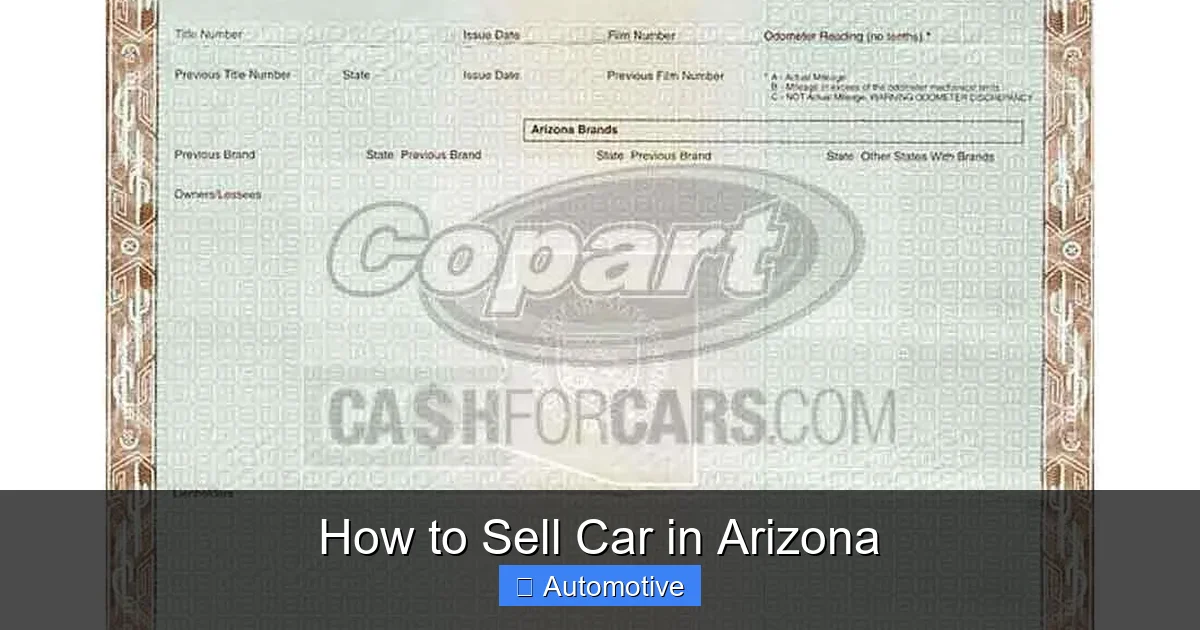
The title is the most critical document. It proves you own the car and have the right to sell it. Make sure the title is signed correctly and that there are no liens (loans) against the vehicle. If there is a lien, you’ll need to pay it off before selling or arrange for the buyer to pay it directly to the lender.
If you’ve lost your title, you can request a duplicate from the Arizona Motor Vehicle Division (MVD). You’ll need to fill out Form 96-0236, provide ID, and pay a small fee. It’s best to do this before listing your car to avoid delays.
Bill of Sale
While not always required, a bill of sale is highly recommended. It serves as a legal record of the transaction and includes details like the sale price, date, and both parties’ information. Arizona provides a free bill of sale template on the MVD website.
Include the vehicle identification number (VIN), odometer reading, and a statement that the car is sold “as-is” unless you’re offering a warranty. Both you and the buyer should sign it.
Emissions Test (If Required)
Arizona requires emissions testing for most vehicles in certain counties, including Maricopa (Phoenix area) and Pima (Tucson area). If your car is more than five years old and registered in one of these counties, it must pass an emissions test before it can be sold.
You can get the test done at an authorized inspection station. The cost is usually around $25–$35. Once passed, you’ll receive a Vehicle Inspection Report (VIR), which you must provide to the buyer.
If your car fails, you’ll need to repair it and retest. Some buyers may be willing to purchase a car that hasn’t passed emissions, but they’ll expect a lower price and will need to handle the test themselves.
Vehicle History Report
As mentioned earlier, providing a vehicle history report builds trust. It shows the car’s accident history, title status, and service records. You can purchase one from Carfax or AutoCheck and include it in your listing or share it during negotiations.
Step 4: Advertise Your Car Effectively
Once your car is ready and priced, it’s time to find a buyer. Effective advertising can make the difference between a quick sale and a long wait.
Choose the Right Platforms
Start with popular online marketplaces:
– **Craigslist**: Great for local buyers, but be cautious of scams.
– **Facebook Marketplace**: Easy to use and integrates with your social network.
– **Autotrader and Cars.com**: Ideal for serious buyers, though they may charge listing fees.
– **OfferUp and Letgo**: Mobile-friendly apps with local reach.
You can also post flyers at local coffee shops, community centers, or workplaces—just make sure it’s allowed.
Write a Compelling Listing
Your listing should be clear, honest, and detailed. Start with a strong headline that includes the year, make, model, and key selling points (e.g., “2018 Honda Civic – Low Miles, Clean Title, Excellent Condition”).
In the description, include:
– Mileage
– Condition (exterior, interior, mechanical)
– Recent repairs or maintenance
– Features (sunroof, backup camera, Bluetooth, etc.)
– Reason for selling
– Whether emissions testing is complete
Be upfront about any flaws. Hiding issues can lead to disputes or the buyer backing out.
Take High-Quality Photos
Photos are crucial. Take pictures in good lighting, preferably during the day. Capture the exterior from multiple angles, the interior (front and back seats), the engine bay, and the trunk. Include close-ups of any damage or special features.
Avoid cluttered backgrounds. A clean, neutral setting makes your car look more appealing. If possible, take photos in a driveway or empty parking lot.
Respond Promptly to Inquiries
When buyers reach out, reply quickly and professionally. Answer questions honestly and be prepared to schedule test drives. If you’re not available, let them know when you can meet.
Avoid sharing personal information like your home address until you’re ready to meet. Use a public location for the first meeting.
Step 5: Complete the Sale Safely
Once you’ve found a serious buyer, it’s time to close the deal. Safety and legality should be your top priorities.
Meet in a Safe, Public Location
Always meet in a well-lit, public place like a police station parking lot, mall, or busy shopping center. Many police departments offer “safe exchange zones” specifically for online transactions.
Bring a friend or family member if possible. Let someone know where you’re going and when you expect to return.
Verify the Buyer’s Identity
Ask to see the buyer’s driver’s license and make sure the name matches the one they’ve provided. You can also ask for a second form of ID if you’re unsure.
Avoid selling to someone who seems evasive, insists on paying with a cashier’s check, or wants to complete the transaction quickly without a test drive.
Accept Secure Payment
Cash is the safest and most common payment method for private car sales. Count it in front of the buyer to ensure the amount is correct.
If the buyer wants to pay by cashier’s check or money order, verify it with the issuing bank before handing over the keys. Personal checks are risky—they can bounce.
Avoid wire transfers or online payment apps unless you’re certain they’re secure. Scammers often use fake payment confirmations.
Complete the Title Transfer
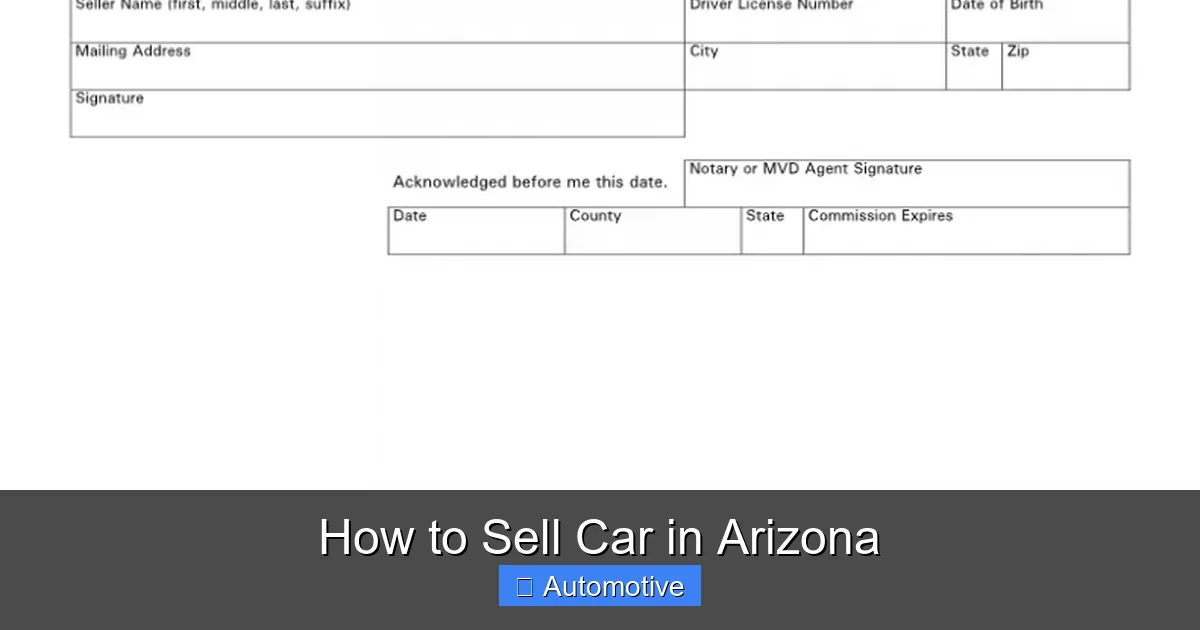
Once payment is received, sign the title over to the buyer. In Arizona, the seller must sign in the “Assignment of Title by Registered Owner” section. The buyer will need to sign their part later when registering the car.
Make sure the odometer reading is accurate and filled in. If the car is less than 10 years old, you must complete the odometer disclosure section.
Submit a Notice of Sale
After the sale, you must submit a Notice of Sale to the Arizona MVD within 10 days. This protects you from liability if the buyer gets a ticket or is involved in an accident before registering the car.
You can submit the form online, by mail, or in person at an MVD office. There’s no fee, and it only takes a few minutes.
Step 6: Handle Post-Sale Responsibilities
Your job isn’t quite done after the sale. There are a few final steps to ensure everything is wrapped up properly.
Cancel Your Insurance
Once the car is sold, contact your insurance company to cancel or adjust your policy. You don’t want to keep paying for a vehicle you no longer own.
If you’re buying a new car, you can often transfer your policy or get a new quote quickly.
Remove License Plates
In Arizona, license plates stay with the owner, not the vehicle. Remove your plates before handing over the car. You can reuse them on your next vehicle or return them to the MVD.
Keep Records
Save copies of the bill of sale, title transfer, and Notice of Sale for your records. You may need them if there’s a dispute or if the MVD contacts you later.
Special Considerations for Selling in Arizona
Arizona has a few unique rules that can affect how you sell your car.
Emissions Testing Requirements
As mentioned, emissions testing is required in Maricopa and Pima counties for most vehicles over five years old. If you’re selling a car registered in one of these areas, make sure it passes the test before listing.
If you’re selling to an out-of-state buyer, they may still need to meet Arizona’s emissions standards if they plan to register the car here. Check with the MVD for specific rules.
Selling to an Out-of-State Buyer
If the buyer is from another state, the process is similar, but they’ll need to register the car in their home state. You’ll still need to sign over the title and submit a Notice of Sale.
Make sure the buyer understands their state’s registration and emissions requirements. Some states have stricter rules than Arizona.
Dealing with Scams
Unfortunately, car scams are common. Be wary of buyers who:
– Offer to pay more than the asking price
– Ask you to ship the car
– Send a fake cashier’s check
– Pressure you to act quickly
If something feels off, trust your instincts and walk away.
Conclusion
Selling your car in Arizona doesn’t have to be complicated. By following these steps—preparing your vehicle, pricing it right, gathering the right documents, advertising effectively, and completing the sale safely—you can turn your old car into cash with confidence.
Remember, the key to a successful sale is transparency and preparation. A clean, well-documented car with a fair price will attract serious buyers and help you close the deal quickly. And by following Arizona’s legal requirements, you’ll protect yourself from future liability.
Whether you’re upgrading to a new ride or just ready to move on, selling your car can be a smooth and rewarding experience. Take your time, stay safe, and don’t rush the process. With the right approach, you’ll be driving away in your next vehicle before you know it.
Frequently Asked Questions
Do I need a smog check to sell my car in Arizona?
Yes, if your car is registered in Maricopa or Pima counties and is more than five years old, it must pass an emissions test before it can be sold. You’ll need to provide the Vehicle Inspection Report to the buyer.
Can I sell my car without a title in Arizona?
No, you must have a valid title to sell your car. If you’ve lost it, request a duplicate from the Arizona MVD using Form 96-0236 before listing the vehicle.
How long do I have to submit a Notice of Sale in Arizona?
You must submit the Notice of Sale to the MVD within 10 days of the sale. This protects you from liability for any incidents involving the vehicle after the transfer.
Can I sell my car to someone from another state?
Yes, you can sell to an out-of-state buyer. They’ll need to register the car in their home state, but you’ll still need to sign over the title and submit a Notice of Sale in Arizona.
What payment methods are safest when selling a car?
Cash is the safest option. If using a cashier’s check or money order, verify it with the issuing bank before completing the sale. Avoid personal checks and wire transfers.
Do I need to provide a warranty when selling my car privately?
No, private sales in Arizona are typically “as-is,” meaning the buyer accepts the car in its current condition. However, you must disclose any known issues to avoid legal problems.