How to Sell a Rebuilt Title Car
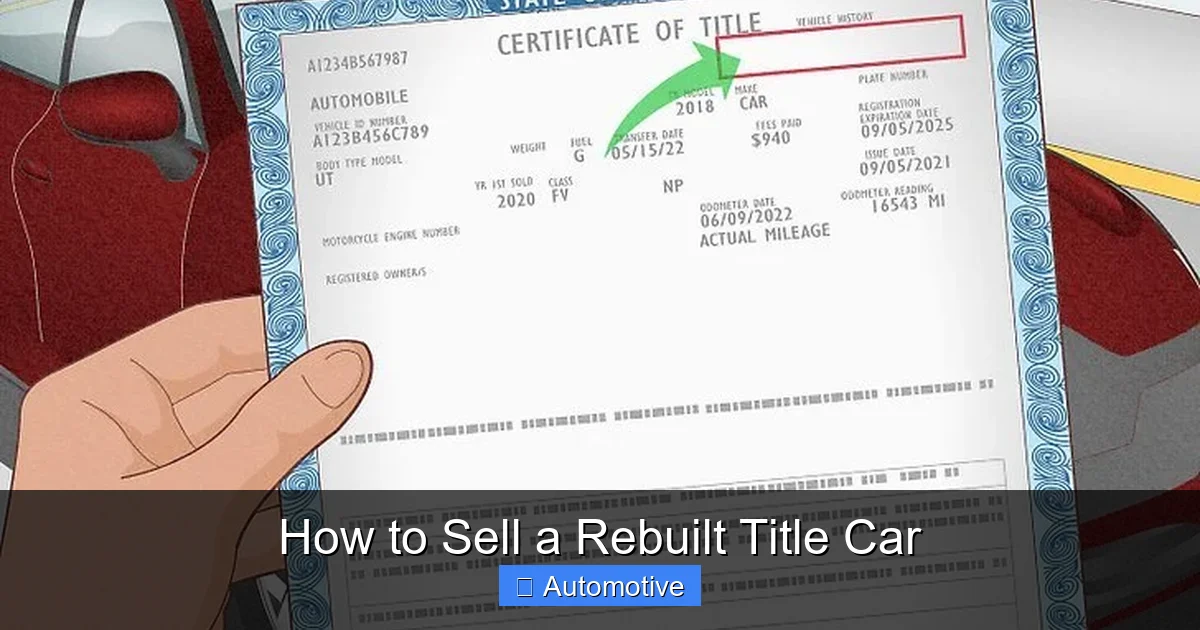
Selling a rebuilt title car can be tricky, but with the right approach, you can attract serious buyers and get a fair price. Transparency, proper documentation, and smart marketing are key to a smooth and legal sale.
In This Article
- 1 Key Takeaways
- 2 📑 Table of Contents
- 3 Understanding Rebuilt Title Cars
- 4 Preparing Your Rebuilt Title Car for Sale
- 5 Creating a Compelling Listing
- 6 Handling Inquiries and Showings
- 7 Closing the Sale
- 8 Alternative Selling Options
- 9 Final Tips for a Successful Sale
- 10 Frequently Asked Questions
- 10.1 Can I sell a rebuilt title car privately?
- 10.2 Will a rebuilt title affect the resale value?
- 10.3 Do I need a special inspection to sell a rebuilt title car?
- 10.4 Can I get financing for a rebuilt title car?
- 10.5 Is it legal to drive a rebuilt title car?
- 10.6 Should I disclose the rebuilt title in the listing?
Key Takeaways
- Disclose the rebuilt title upfront: Honesty builds trust and prevents legal issues down the road.
- Gather all repair and inspection records: Proof of quality repairs increases buyer confidence and value.
- Price the car competitively: Rebuilt title vehicles typically sell for 20-40% less than clean title equivalents.
- Choose the right sales platform: Use niche sites like Craigslist, Facebook Marketplace, or rebuilt-title-specific forums.
- Prepare for extra paperwork: Be ready to provide title history, inspection certificates, and a bill of sale.
- Consider selling to a dealer or wholesaler: Faster sale, though at a lower price—ideal if you need quick cash.
- Highlight safety and reliability: Emphasize that the car passed state inspections and is roadworthy.
📑 Table of Contents
Understanding Rebuilt Title Cars
So, you’ve got a car with a rebuilt title, and you’re thinking about selling it. First off—don’t panic. A rebuilt title doesn’t mean your car is a lemon or unsafe. In fact, many rebuilt title vehicles are perfectly reliable and safe to drive. But selling one does come with its own set of challenges. The key is understanding what a rebuilt title means and how it affects your sale.
A rebuilt title is issued when a car that was previously declared a total loss—usually by an insurance company—has been repaired and inspected to meet state safety and roadworthiness standards. This typically happens after a major accident, flood, or fire. Once the repairs are complete and the vehicle passes a state inspection, the title is rebranded from “salvage” to “rebuilt.” While this means the car is legally drivable, it also signals to buyers that it has a significant history.
Why Buyers Are Cautious
Most buyers are wary of rebuilt titles because they associate them with hidden damage or future problems. Some worry about insurance, financing, or resale value. Others simply don’t understand the process and assume the car is unsafe. As a seller, your job is to educate potential buyers and ease their concerns with facts, not fear.
For example, imagine you’re selling a 2018 Honda Accord with a rebuilt title. It was rear-ended in an accident, the bumper and trunk were replaced, and it passed a state inspection six months ago. You’ve driven it daily since, and it runs smoothly. That’s valuable information—and it’s exactly what a smart buyer wants to know.
Legal and Safety Considerations
Before you list your car, make sure it’s fully compliant with your state’s rebuilt title laws. Some states require a VIN inspection, emissions test, or structural integrity check before issuing a rebuilt title. If your car hasn’t gone through this process, you may not be able to sell it legally—or at all.
Also, keep in mind that not all insurance companies will cover rebuilt title vehicles, or they may offer limited coverage. This can be a dealbreaker for some buyers, so be upfront about it. You don’t want someone to back out after they’ve already fallen in love with the car.
Preparing Your Rebuilt Title Car for Sale
First impressions matter—even with a rebuilt title. A clean, well-maintained car will always attract more interest than one that looks neglected. Start by giving your vehicle a thorough cleaning, both inside and out. Wash the exterior, vacuum the interior, and remove any personal items. Consider detailing it professionally if the budget allows. A shiny car says, “I’ve taken care of this vehicle,” which builds trust.
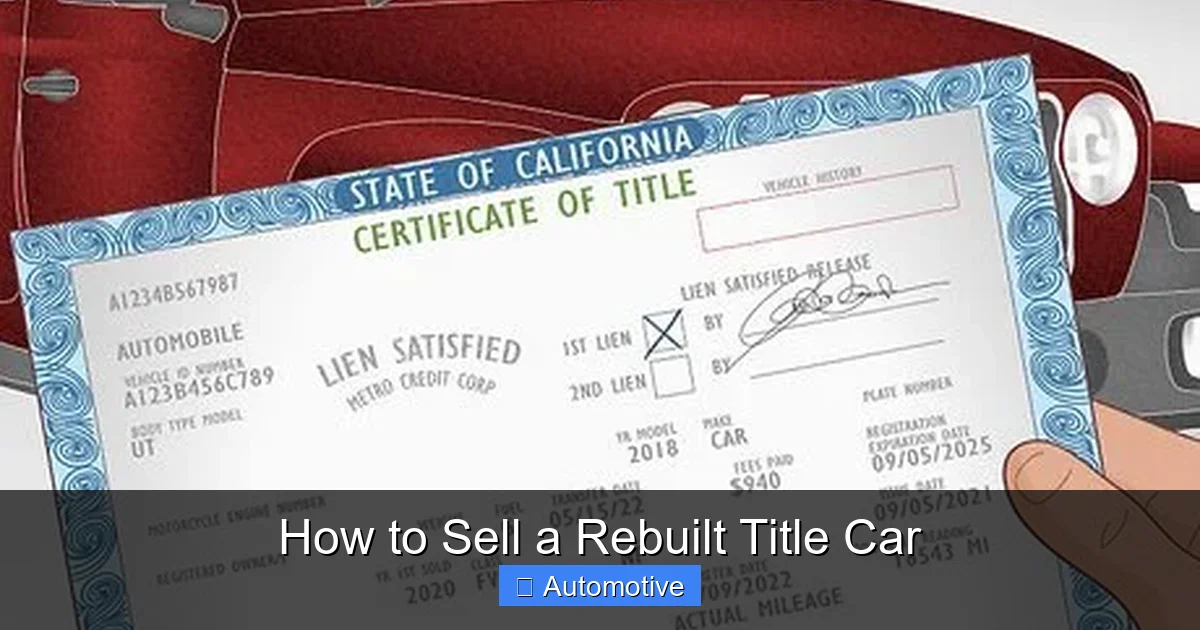
Visual guide about How to Sell a Rebuilt Title Car
Image source: wikihow.com
Gather All Documentation
One of the most important steps in selling a rebuilt title car is collecting every piece of paperwork related to its history and repairs. This includes:
- The original salvage title
- Proof of repairs (invoices, receipts, work orders)
- State inspection certificate
- VIN inspection report (if required)
- Photos of the damage and repairs (before and after)
- Maintenance records since the rebuild
Having this documentation ready shows buyers that you’re transparent and that the car has been properly restored. It also helps justify your asking price.
Get a Pre-Sale Inspection
Even though your car already passed a state inspection, consider getting a second opinion from a trusted mechanic. A pre-sale inspection can uncover any hidden issues and give you a chance to fix them before listing. Plus, you can include the inspection report in your listing to reassure buyers.
For instance, if the mechanic finds that the brakes need replacing, you can either fix them or adjust your price accordingly. Either way, you’re being honest—and that goes a long way.
Determine the Right Price
Pricing a rebuilt title car isn’t as simple as checking Kelley Blue Book. These vehicles typically sell for 20% to 40% less than their clean title counterparts, depending on the extent of the damage, the quality of repairs, and market demand.
Start by researching similar vehicles in your area. Look at listings for the same make, model, year, and mileage—both with clean titles and rebuilt titles. Then, factor in the condition of your car. If it’s in excellent shape and has low mileage, you might price it closer to the higher end of the range. If it has high mileage or minor cosmetic flaws, aim lower.
For example, a 2019 Toyota Camry with 50,000 miles and a clean title might sell for $18,000. The same car with a rebuilt title could go for $12,000 to $14,000. Be realistic—overpricing will scare off buyers.
Creating a Compelling Listing
Your listing is your first chance to make a good impression. A well-written, honest, and detailed ad can attract serious buyers and reduce back-and-forth questions. Start with a clear, descriptive title that includes the year, make, model, and “rebuilt title” so buyers know what they’re getting.
Write a Transparent Description
In the description, be upfront about the car’s history. Explain what happened (e.g., “rear-end collision in 2022”), what was repaired, and how it was inspected. Use bullet points to make it easy to read. Highlight the positives: “All repairs completed by certified body shop,” “Passed state inspection in March 2024,” or “New tires and brakes installed last month.”
Avoid vague statements like “needs some work” or “as-is.” These raise red flags. Instead, say something like, “Minor paint mismatch on rear bumper—cosmetic only, no structural issues.”
Use High-Quality Photos
Photos are just as important as words. Take pictures from multiple angles—front, back, sides, interior, engine bay, and trunk. Include close-ups of any imperfections, but also show the areas that were repaired. A photo of the replaced bumper next to a receipt from the body shop adds credibility.
Shoot in natural light and avoid cluttered backgrounds. A clean, well-lit photo of a clean car makes a huge difference.
Choose the Right Platform
Not all sales platforms are created equal when it comes to rebuilt title cars. Here are a few options:
- Facebook Marketplace: Great for local buyers and easy to use. You can join groups for car enthusiasts or rebuilt title buyers.
- Craigslist: Still popular for private sales. Be cautious of scams and meet in public places.
- OfferUp: Similar to Craigslist but with a more modern interface and built-in messaging.
- Specialty forums: Sites like Bimmerpost, Honda-Tech, or rebuilt title-specific Facebook groups attract knowledgeable buyers who understand the value.
- CarGurus or Autotrader: These sites allow rebuilt title listings, but they may charge a fee and attract more casual buyers.
Consider listing on multiple platforms to reach a wider audience. Just be sure to update or remove listings once the car sells.
Handling Inquiries and Showings
Once your listing goes live, you’ll start getting messages. Respond promptly and professionally. Be prepared to answer questions about the car’s history, repairs, and condition. Some buyers will ask for a Carfax or AutoCheck report—if you have one, share it. If not, explain that you can provide repair receipts and inspection records instead.
Screen Potential Buyers
Not everyone who messages is serious. Some are just curious, while others might be scammers. Ask questions like, “Are you looking to buy soon?” or “Do you have financing arranged?” This helps filter out tire-kickers.
Be wary of buyers who offer to pay with a cashier’s check or wire transfer without seeing the car. These are common scam tactics. Stick to local, in-person transactions.
Schedule Safe Showings
When it’s time for a showing, meet in a public place during daylight hours—like a parking lot or shopping center. Bring a friend or family member for safety. Let someone know where you’re going and when you expect to return.
During the showing, walk the buyer through the car. Point out the repairs, show the inspection certificate, and let them take it for a test drive if they’re serious. Stay nearby during the drive, and consider riding along to answer questions.
If the buyer is interested, have them bring a mechanic for a pre-purchase inspection. This shows you have nothing to hide and can speed up the sale.
Closing the Sale
When a buyer is ready to purchase, it’s time to finalize the deal. Make sure you have all the necessary paperwork ready, including the title, bill of sale, and any inspection reports.
Complete the Paperwork Correctly
The bill of sale should include the buyer’s and seller’s names, addresses, vehicle details (VIN, make, model, year), sale price, and date. Some states have specific forms you must use—check your DMV website.
Sign the title over to the buyer, but don’t fill in the buyer’s information until you’re ready to hand over the keys. Keep a copy of the signed title and bill of sale for your records.
Handle Payment Safely
Cash is the safest option for private sales. If the buyer wants to pay by check, make sure it’s a cashier’s check from a local bank—and wait for it to clear before handing over the car. Avoid personal checks or wire transfers.
Once payment is confirmed, give the buyer the keys, title, and any extra documentation. Remove your license plates (in most states) and cancel your insurance.
Notify the DMV
In many states, you’re required to notify the DMV within a certain number of days after selling a vehicle. This protects you from liability if the buyer gets a ticket or is involved in an accident. Check your state’s requirements and file the necessary forms.
Alternative Selling Options
If you’re not getting much interest or need to sell quickly, consider alternative options.
Sell to a Dealer or Wholesaler
Many dealerships and wholesalers buy rebuilt title cars, especially if they’re in good condition. The trade-off is a lower price—dealers need to make a profit when they resell. But it’s fast, hassle-free, and you don’t have to deal with private buyers.
Call around to local dealers or search online for “we buy rebuilt title cars” services. Get quotes from at least three places before deciding.
Trade-In at a Dealership
Some dealerships accept rebuilt title cars as trade-ins, though the value will be low. This can be a good option if you’re buying a new car and want to simplify the process.
Auction the Car
Online auction sites like Copart or IAAI allow private sellers to list rebuilt title vehicles. These platforms attract dealers and rebuilders, so you might get a competitive bid. However, there are fees involved, and the process can take time.
Final Tips for a Successful Sale
Selling a rebuilt title car takes patience and preparation, but it’s absolutely doable. The most important thing is to be honest and thorough. Buyers appreciate transparency, and a little extra effort can go a long way in building trust.
Remember: a rebuilt title doesn’t define the car’s value—its condition, history, and how you present it do. With the right approach, you can sell your car quickly, legally, and for a fair price.
Frequently Asked Questions
Can I sell a rebuilt title car privately?
Yes, you can sell a rebuilt title car privately in most states. However, you must disclose the title status to the buyer and provide all relevant repair and inspection documents.
Will a rebuilt title affect the resale value?
Yes, rebuilt title cars typically sell for 20% to 40% less than clean title vehicles due to perceived risk and limited financing options.
Do I need a special inspection to sell a rebuilt title car?
It depends on your state. Some require a rebuilt title inspection before the sale, while others only require it when transferring ownership. Check with your local DMV.
Can I get financing for a rebuilt title car?
Most traditional lenders won’t finance rebuilt title cars. Buyers usually need to pay cash or secure private financing.
Is it legal to drive a rebuilt title car?
Yes, as long as it has passed a state inspection and has a valid rebuilt title, the car is legal to drive on public roads.
Should I disclose the rebuilt title in the listing?
Absolutely. Failing to disclose a rebuilt title can lead to legal issues and damage your reputation. Honesty builds trust and attracts serious buyers.