How to Sell a Car in Pa Privately
Selling a car in Pennsylvania privately can be simple and profitable if you follow the right steps. From preparing your vehicle to handling legal paperwork and ensuring a safe transaction, this guide walks you through everything you need to know to sell your car quickly and securely—without a dealer.
So, you’ve decided to sell your car in Pennsylvania—privately. Maybe you’re upgrading to something newer, downsizing, or just ready to part ways with your current ride. Whatever the reason, selling a car on your own can be a smart financial move. You avoid dealer markups and keep more of the profit. But it also means you’re responsible for everything: pricing, advertising, meeting buyers, and handling the paperwork.
The good news? It’s totally doable—and many people do it successfully every day. Pennsylvania has clear rules for private car sales, and with a little preparation, you can sell your car quickly, safely, and for a fair price. This guide will walk you through the entire process, from cleaning your car to handing over the keys. We’ll cover everything you need to know, including legal requirements, safety tips, and how to avoid common pitfalls. Whether you’re selling a sedan, SUV, truck, or even a classic car, these steps apply.
Let’s get started.
In This Article
- 1 Key Takeaways
- 2 📑 Table of Contents
- 3 Step 1: Prepare Your Car for Sale
- 4 Step 2: Determine the Right Price
- 5 Step 3: Gather the Required Paperwork
- 6 Step 4: Advertise Your Car Effectively
- 7 Step 5: Safely Meet and Test Drive with Buyers
- 8 Step 6: Complete the Sale and Transfer Ownership
- 9 Final Tips for a Smooth Sale
- 10 Frequently Asked Questions
- 10.1 Do I need a safety inspection to sell a car in Pennsylvania?
- 10.2 Can I sell my car if I still owe money on it?
- 10.3 What happens if I don’t file a release of liability?
- 10.4 Can I sell my car without a title in PA?
- 10.5 Is it safe to sell a car online in Pennsylvania?
- 10.6 How long does it take to sell a car privately in PA?
Key Takeaways
- Clean and detail your car: A well-maintained vehicle attracts more buyers and can increase your sale price.
- Research fair market value: Use tools like Kelley Blue Book or Edmunds to price your car competitively.
- Gather all required documents: Title, bill of sale, odometer disclosure, and emissions inspection are essential in PA.
- Advertise effectively: Use high-quality photos and detailed descriptions on trusted platforms like Craigslist, Facebook Marketplace, or Autotrader.
- Prioritize safety during showings: Meet in public places, bring a friend, and verify buyer identity before test drives.
- Complete the transfer correctly: Sign the title properly, submit the release of liability, and keep records for your protection.
- Avoid common scams: Be cautious of overpayment checks, wire transfers, and buyers who refuse to meet in person.
📑 Table of Contents
Step 1: Prepare Your Car for Sale
Before you even think about listing your car, you need to make it look its best. First impressions matter—especially when buyers are scrolling through dozens of listings online. A clean, well-maintained car not only sells faster but can also command a higher price.
Clean Inside and Out
Start with a thorough wash. Use a good car shampoo, wax the exterior, and clean the windows inside and out. Don’t forget the tires—dress them with a tire shine product to give your car a polished look. Inside, vacuum every corner, wipe down surfaces, and remove any trash or personal items. Consider using an odor eliminator if there are lingering smells from pets, smoke, or food.
If your car has minor scratches or dings, consider getting them touched up. A small investment in paint correction can make a big difference in how buyers perceive the vehicle’s condition.
Address Minor Repairs
You don’t need to rebuild the engine, but fixing small issues can boost buyer confidence. Replace burnt-out bulbs, fix wiper blades, and top off fluids. If the check engine light is on, get it diagnosed—even if it’s a minor sensor issue. Buyers will appreciate transparency, and it shows you’ve taken care of the car.
Gather Maintenance Records
Keep all service records, receipts, and repair logs in a folder. This proves your car has been well-maintained and can justify a higher asking price. If you’ve done regular oil changes, brake work, or transmission service, highlight that in your listing.
Take High-Quality Photos
Photos are your first chance to grab a buyer’s attention. Take pictures in natural daylight, from multiple angles: front, back, sides, interior, trunk, and engine bay. Clean the car first—no one wants to see a dirty interior or muddy wheels. Use a smartphone with good resolution, and avoid filters that distort the color.
Pro tip: Take a photo of the car in a clean, well-lit area like a driveway or empty parking lot. Avoid cluttered backgrounds.
Step 2: Determine the Right Price
Visual guide about How to Sell a Car in Pa Privately
Image source: carxplorer.com
Pricing your car correctly is crucial. Too high, and it sits on the market for weeks. Too low, and you lose money. The goal is to find that sweet spot where your car is competitive but still reflects its true value.
Use Online Valuation Tools
Start by checking pricing guides like Kelley Blue Book (KBB), Edmunds, or NADA Guides. Enter your car’s make, model, year, mileage, condition, and features. These tools give you a range—private party value, trade-in value, and suggested retail.
For a private sale in PA, focus on the “private party” value. This is what similar cars are selling for between individuals, not dealers.
Check Local Listings
Look at similar cars for sale in your area on sites like Craigslist, Facebook Marketplace, and Autotrader. Compare mileage, condition, and features. If your car has low mileage and is in excellent shape, you can price it at the higher end. If it’s high-mileage or needs work, price it lower.
Example: If a 2018 Honda Civic with 60,000 miles is listed for $16,500, and yours has 55,000 miles and new tires, you might price yours at $17,000.
Adjust for Condition and Extras
Be honest about your car’s condition. If it has aftermarket upgrades like a premium sound system, alloy wheels, or a sunroof, mention them—they can add value. But don’t overprice based on mods unless they’re highly desirable.
Also, consider seasonal demand. Convertibles sell better in spring and summer, while SUVs and trucks may move faster in fall and winter.
Leave Room for Negotiation
Most buyers will try to negotiate, so price your car slightly above your target. If you want $15,000, list it at $15,500. That gives you room to come down without going below your minimum.
Step 3: Gather the Required Paperwork
Visual guide about How to Sell a Car in Pa Privately
Image source: thefrisky.com
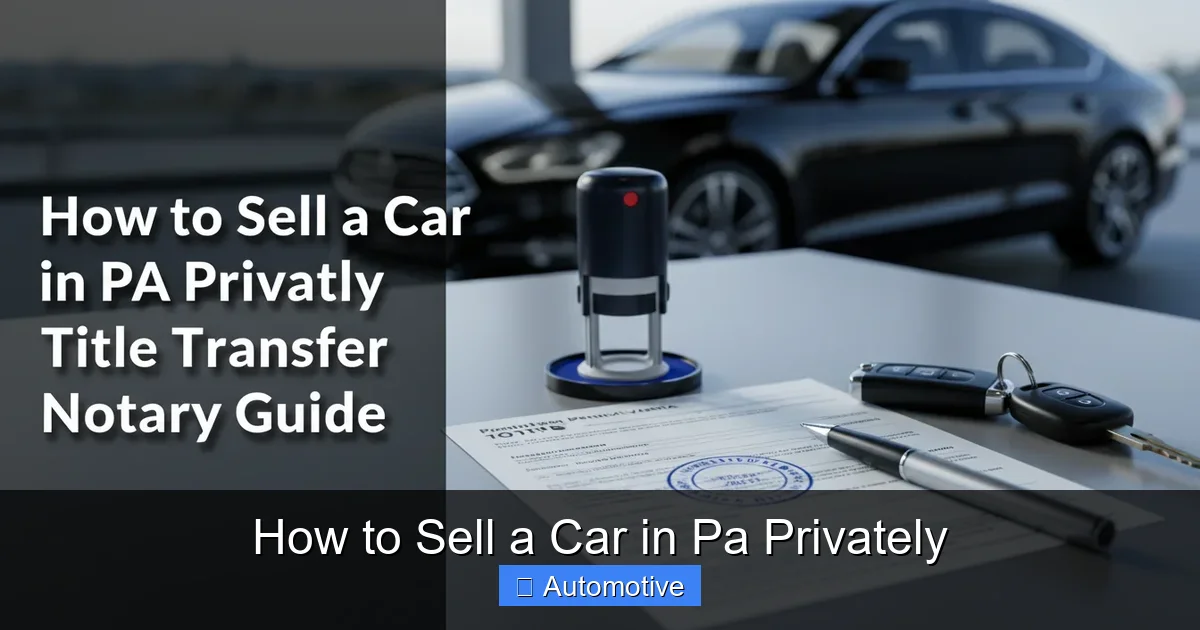
Pennsylvania has specific requirements for private car sales. Having the right documents ready will make the process smooth and legal. Missing paperwork can delay the sale or even lead to liability issues.
Vehicle Title
The title is the most important document. It proves you own the car and have the right to sell it. Make sure your name is on the title and there are no liens (loans) against it. If there’s a lien, you’ll need to pay it off before selling.
If you’ve lost the title, contact the Pennsylvania Department of Transportation (PennDOT) to get a duplicate. You can apply online, by mail, or in person at a PennDOT office.
Bill of Sale
While not always required, a bill of sale is highly recommended. It records the sale details: buyer and seller names, addresses, vehicle info, sale price, and date. You can find free templates online or use PennDOT’s form MV-4ST.
Keep a copy for your records. It protects both parties and can be useful if there’s a dispute later.
Odometer Disclosure
Federal law requires you to disclose the vehicle’s mileage at the time of sale. This goes on the title or a separate form. If the odometer is broken or has been replaced, note that clearly.
Emissions and Safety Inspections
In Pennsylvania, most vehicles must pass emissions and safety inspections every year. However, for private sales, the inspection requirement depends on the vehicle’s age and location.
– Vehicles less than 8 model years old must have a valid emissions inspection.
– Vehicles less than 10 model years old must have a valid safety inspection.
– These inspections must be current at the time of sale.
Check your inspection stickers. If they’re expired, get the car inspected before listing it. Some buyers may refuse to purchase a car without valid inspections.
Release of Liability
After the sale, you must notify PennDOT that you’re no longer responsible for the vehicle. This is called a “release of liability.” You can file it online through the PennDOT website or by mailing form MV-38.
This protects you if the buyer gets a ticket, parks illegally, or causes an accident before registering the car.
Step 4: Advertise Your Car Effectively
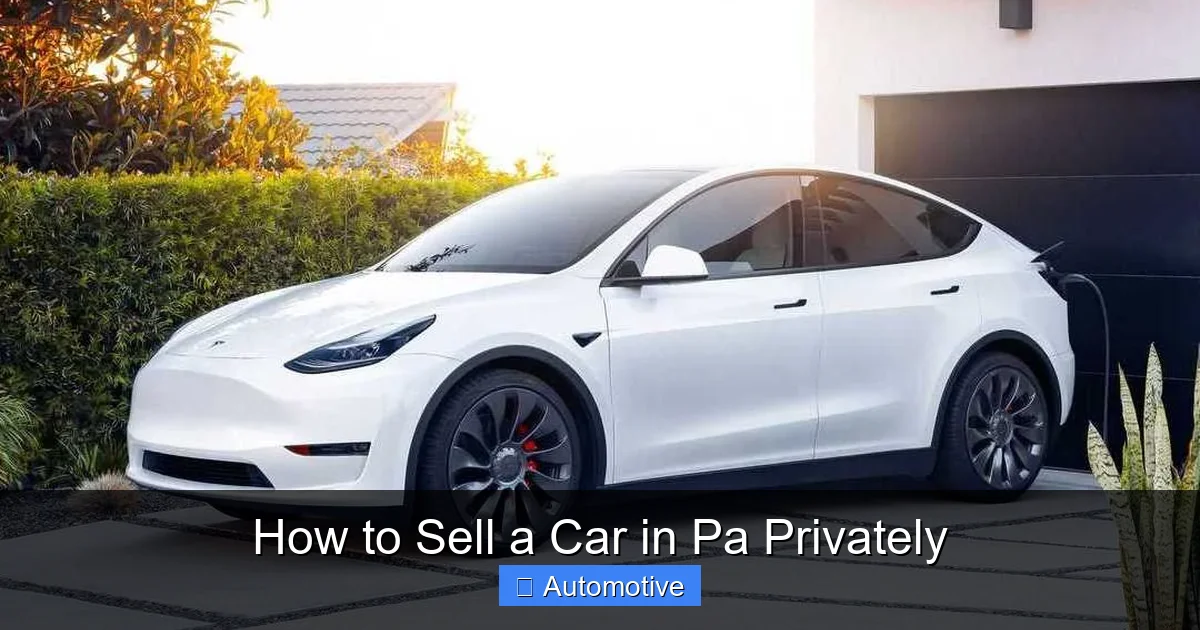
Visual guide about How to Sell a Car in Pa Privately
Image source: exoticcarlist.com
Now that your car is ready and priced, it’s time to find a buyer. The way you advertise can make or break your sale.
Choose the Right Platforms
Popular options include:
– **Craigslist**: Free, widely used, but requires caution due to scams.
– **Facebook Marketplace**: Easy to use, integrates with your profile, and allows messaging.
– **Autotrader**: Great for serious buyers, but may charge a fee.
– **Cars.com**: Another trusted site with a large audience.
– **Local classifieds**: Check community boards or local newspapers.
Use multiple platforms to increase visibility. But avoid posting the same ad everywhere with identical wording—customize each one slightly.
Write a Compelling Ad
Your ad should be clear, honest, and detailed. Include:
– Year, make, model, and trim
– Mileage
– Condition (excellent, good, fair)
– Key features (sunroof, navigation, backup camera, etc.)
– Recent repairs or maintenance
– Reason for selling
– Asking price
Example: “2017 Toyota Camry LE – 45,000 miles – Excellent condition – One owner – Regular oil changes – New tires – Backup camera – Clean title – $16,900 OBO.”
Avoid vague terms like “runs great” or “must see.” Be specific.
Use High-Quality Photos
As mentioned earlier, photos are critical. Include at least 8–10 clear images:
– Exterior (all four sides)
– Interior (front and back seats, dashboard, trunk)
– Engine bay
– Tires and wheels
– Any damage (be honest—this builds trust)
Avoid dark, blurry, or cluttered photos. A well-lit, clean car stands out.
Respond Promptly to Inquiries
When buyers message you, reply quickly—within a few hours if possible. Answer questions honestly and provide additional photos if requested. If someone seems serious, suggest a meeting.
Be Prepared for Negotiations
Most buyers will try to negotiate. Know your bottom line and stick to it. If a buyer offers $14,000 and you want $15,000, counter with $14,800. Be polite but firm.
Avoid lowball offers from the start. If someone offers half your asking price, they’re likely not serious.
Step 5: Safely Meet and Test Drive with Buyers
Meeting strangers to sell your car can feel risky—and it is. But with the right precautions, you can stay safe and still close the deal.
Choose a Safe Location
Always meet in a public, well-lit place. Good options include:
– Police station parking lots (many have designated “safe exchange zones”)
– Shopping mall parking lots
– Busy gas stations
– Libraries or community centers
Avoid meeting at your home or in remote areas.
Bring a Friend
Never meet a buyer alone. Bring a family member or friend for support. They can help inspect the car, take notes, or just be there in case something feels off.
Verify the Buyer’s Identity
Ask to see a driver’s license. Make sure the name matches the person you’re meeting. You can also ask for a phone number and call it to confirm it’s real.
Supervise the Test Drive
If the buyer wants to test drive the car, go with them. Sit in the passenger seat and guide them. This protects you if there’s an accident—your insurance should cover it, but it’s better to be present.
Alternatively, some sellers ask for a copy of the buyer’s license and proof of insurance before allowing a solo test drive. But this can scare off buyers, so use your judgment.
Be Wary of Scams
Common scams include:
– **Overpayment checks**: Buyer sends a check for more than the price and asks for the difference back. The check later bounces.
– **Wire transfers**: Requests to send money via wire transfer or gift cards. Never do this.
– **Buyers who refuse to meet**: They claim to be out of town and want to ship the car or send a courier. Red flag.
– **Fake escrow services**: They suggest using a “secure” third party that turns out to be fake.
If something feels off, trust your gut. Walk away.
Step 6: Complete the Sale and Transfer Ownership
Once you’ve found a serious buyer and agreed on a price, it’s time to finalize the sale. This step is critical to protect yourself legally.
Sign the Title Correctly
On the back of the title, fill in:
– Buyer’s name and address
– Sale price
– Date of sale
– Odometer reading
Sign your name in the seller section. Make sure the buyer signs too. Use blue or black ink—no pencil.
If there are two owners on the title, both must sign.
Complete the Bill of Sale
Fill out the bill of sale with all required details. Both parties should sign and keep a copy.
Accept Secure Payment
Safe payment methods include:
– **Cash**: The safest option. Count it in front of the buyer.
– **Cashier’s check**: Get it from a bank and verify it’s real before handing over the car.
– **Bank transfer**: Direct deposit from the buyer’s bank to yours.
Avoid personal checks—they can bounce.
Never accept payment in advance without meeting the buyer.
Hand Over the Keys and Documents
Give the buyer:
– The signed title
– Bill of sale
– Odometer disclosure (if not on the title)
– Keys (including spare and key fobs)
– Owner’s manual and maintenance records (if available)
Make sure the buyer understands they need to register the car with PennDOT within 24 hours of purchase.
File the Release of Liability
Within 5 days of the sale, submit the release of liability to PennDOT. This can be done online at the PennDOT website. You’ll need the vehicle’s VIN, sale date, and buyer’s info.
This step is crucial—it removes your responsibility for the car after the sale.
Cancel Your Insurance
Once the car is sold, contact your insurance company to cancel or adjust your policy. You don’t want to pay for coverage on a car you no longer own.
Final Tips for a Smooth Sale
Selling a car privately takes time and effort, but the payoff is worth it. Here are a few final tips to ensure success:
– **Be patient**: It may take a few weeks to find the right buyer.
– **Be honest**: Disclose any known issues. Honesty builds trust and avoids disputes.
– **Keep records**: Save copies of all documents, messages, and receipts.
– **Stay calm during negotiations**: Don’t let emotions drive your decisions.
– **Celebrate**: Once the sale is complete, take a moment to enjoy your success!
Selling a car in PA privately doesn’t have to be stressful. With the right preparation, you can sell your car quickly, safely, and for a fair price. Follow these steps, stay alert, and you’ll be handing over the keys with confidence.
Frequently Asked Questions
Do I need a safety inspection to sell a car in Pennsylvania?
In Pennsylvania, vehicles less than 10 model years old must have a valid safety inspection at the time of sale. If your car is older than 10 years, it may not require one, but it’s still a good idea to have it inspected to attract buyers.
Can I sell my car if I still owe money on it?
You can sell a car with a loan, but the lienholder must be paid off first. Use the sale proceeds to pay the remaining balance. If the sale price is less than what you owe, you’ll need to cover the difference.
What happens if I don’t file a release of liability?
If you don’t file a release of liability with PennDOT, you could still be held responsible for tickets, accidents, or parking violations caused by the new owner. Always submit the form within 5 days of the sale.
Can I sell my car without a title in PA?
No, you must have a valid title to sell a car in Pennsylvania. If you’ve lost it, apply for a duplicate through PennDOT before listing the vehicle.
Is it safe to sell a car online in Pennsylvania?
Yes, as long as you take precautions. Meet in public places, bring a friend, verify the buyer’s identity, and avoid scams like overpayment checks or wire transfers.
How long does it take to sell a car privately in PA?
It varies, but most cars sell within 2–6 weeks if priced correctly and advertised well. Clean, popular models in good condition tend to sell faster.