How to Sell a Car in Ma
Selling a car in MA requires more than just finding a buyer—you need to handle titles, inspections, and DMV paperwork correctly. This guide walks you through every step, from pricing to closing the deal, so you can sell your car with confidence in Massachusetts.
In This Article
- 1 Key Takeaways
- 2 📑 Table of Contents
- 3 How to Sell a Car in MA: A Step-by-Step Guide for Massachusetts Sellers
- 4 Step 1: Get Your Paperwork in Order
- 5 Step 2: Price Your Car Competitively
- 6 Step 3: Prepare Your Car for Sale
- 7 Step 4: Advertise and Find a Buyer
- 8 Step 5: Complete the Sale and Transfer Ownership
- 9 Step 6: Post-Sale Responsibilities and Tips
- 10 Common Mistakes to Avoid When Selling a Car in MA
- 11 Conclusion: Sell Your Car in MA with Confidence
- 12 Frequently Asked Questions
- 12.1 Do I need a bill of sale to sell a car in Massachusetts?
- 12.2 Can I sell a car in MA without a valid inspection?
- 12.3 What happens if I don’t submit a Release of Liability?
- 12.4 Can I sell a car if I still owe money on it?
- 12.5 Do I have to leave the license plates on the car?
- 12.6 How long does it take to sell a car in Massachusetts?
Key Takeaways
- Prepare your paperwork: You’ll need the car title, bill of sale, and current inspection sticker to legally sell a car in MA.
- Price your car fairly: Use tools like Kelley Blue Book or Edmunds to set a competitive price based on condition, mileage, and market trends.
- Disclose known issues: Massachusetts law requires honesty about mechanical problems or damage—failure to do so can lead to legal trouble.
- Complete the title transfer correctly: Sign the title over to the buyer and submit a Release of Liability to the RMV to avoid future responsibility.
- Meet safety and emissions standards: The car must pass a recent safety and emissions inspection (within 6 months) before sale.
- Choose safe payment and meetup methods: Use cash, certified checks, or secure digital payments, and meet in public places for safety.
- Cancel insurance after the sale: Once the buyer takes possession, contact your insurer to remove the vehicle from your policy.
📑 Table of Contents
- How to Sell a Car in MA: A Step-by-Step Guide for Massachusetts Sellers
- Step 1: Get Your Paperwork in Order
- Step 2: Price Your Car Competitively
- Step 3: Prepare Your Car for Sale
- Step 4: Advertise and Find a Buyer
- Step 5: Complete the Sale and Transfer Ownership
- Step 6: Post-Sale Responsibilities and Tips
- Common Mistakes to Avoid When Selling a Car in MA
- Conclusion: Sell Your Car in MA with Confidence
How to Sell a Car in MA: A Step-by-Step Guide for Massachusetts Sellers
So, you’ve decided it’s time to sell your car in Massachusetts. Whether you’re upgrading to a newer model, downsizing, or just ready for a change, selling a vehicle in the Bay State comes with its own set of rules and responsibilities. Unlike some states where the process is more relaxed, Massachusetts has specific legal requirements that every seller must follow to avoid fines, liability, or headaches down the road.
The good news? Selling a car in MA doesn’t have to be stressful. With the right preparation, clear communication, and attention to detail, you can complete the sale smoothly and legally. This guide will walk you through every step—from getting your car ready to handing over the keys—so you can sell with confidence. We’ll cover everything from pricing and advertising to paperwork and post-sale responsibilities. Whether you’re selling privately or trading in, understanding the Massachusetts-specific rules will save you time, money, and potential legal trouble.
Step 1: Get Your Paperwork in Order

Visual guide about How to Sell a Car in Ma
Image source: media.ouest-france.fr
Before you even think about listing your car, make sure you have all the necessary documents. In Massachusetts, the DMV (called the RMV—Registry of Motor Vehicles) requires specific paperwork to complete a legal sale. Missing or incorrect documents can delay the transfer and even void the sale.
Gather Essential Documents
Start by collecting the following:
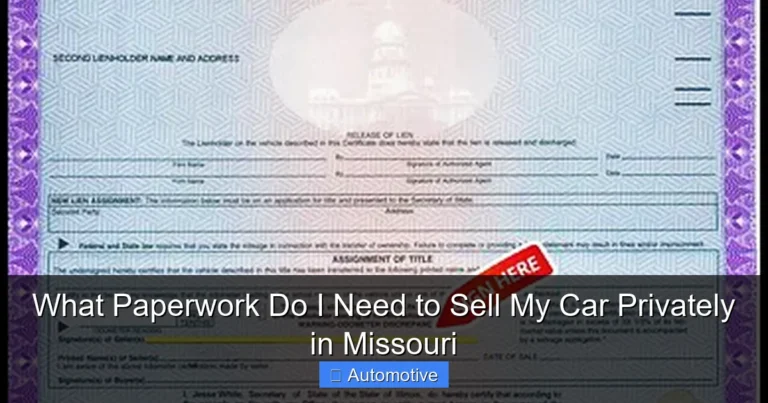
- The car title: This is the most important document. It proves you own the vehicle and must be signed over to the buyer. If the title is lost, you’ll need to apply for a duplicate through the RMV before selling.
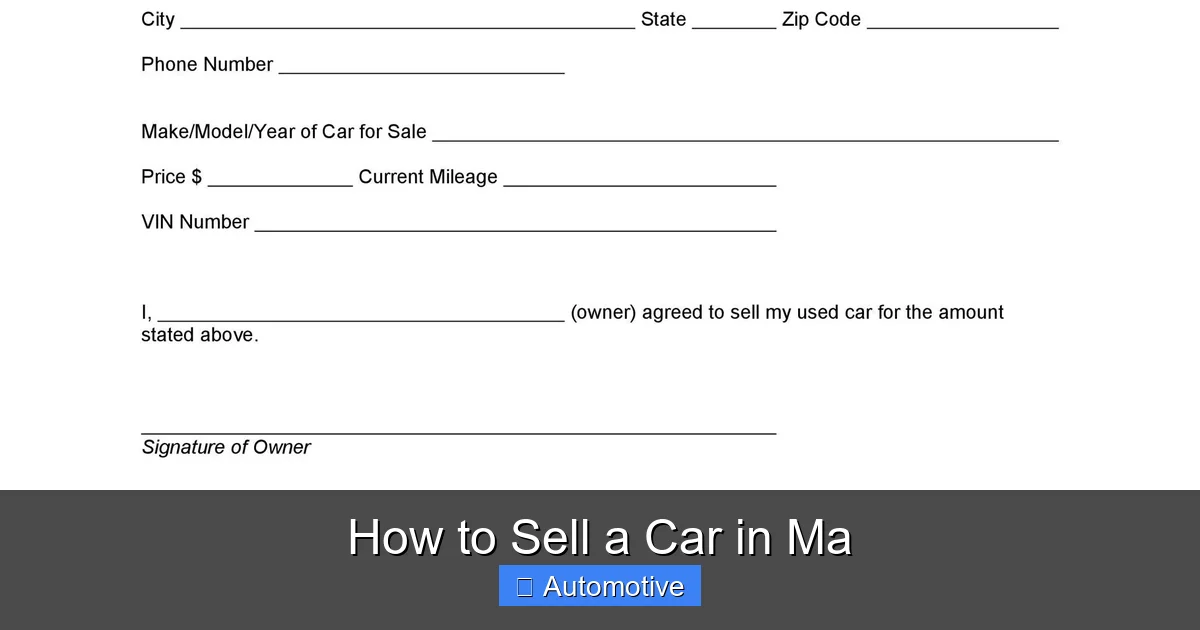
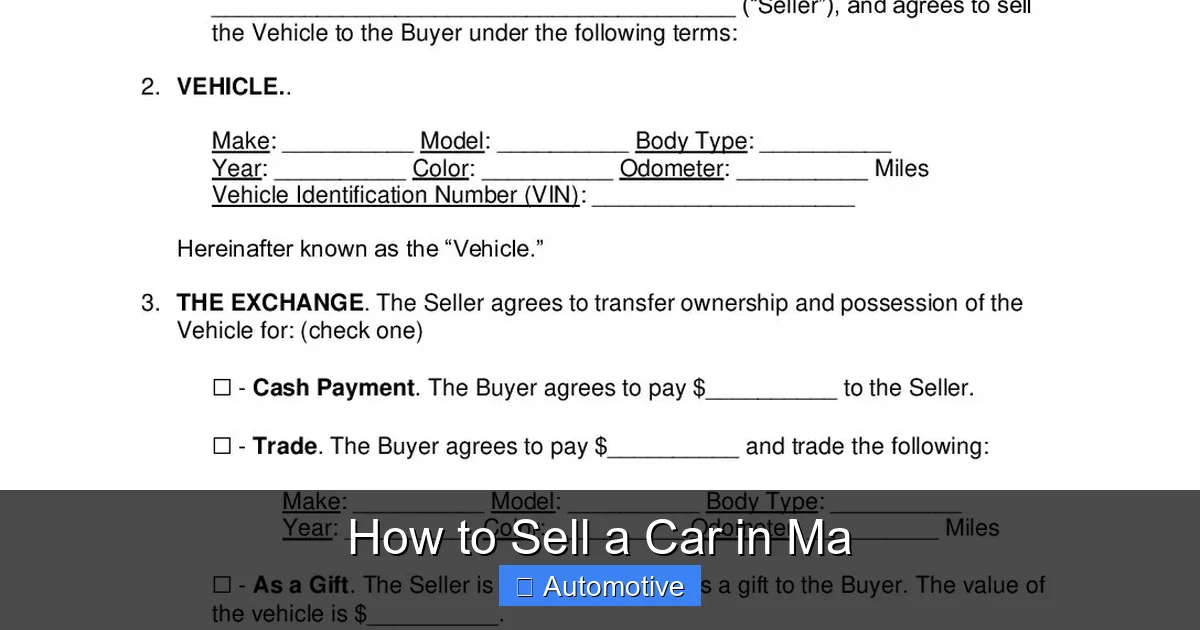
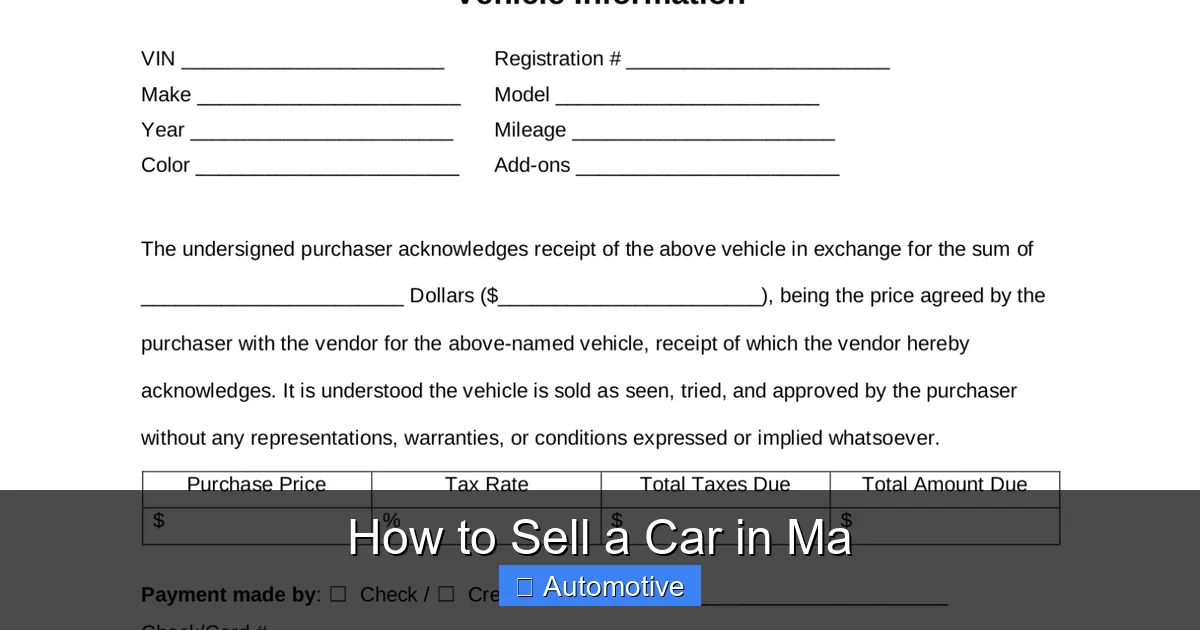
- Bill of Sale: While not always required by law, a bill of sale is highly recommended. It records the sale price, date, and both parties’ information. You can download a free Massachusetts Bill of Sale form from the RMV website.
- Current inspection sticker: Massachusetts law requires that any vehicle being sold must have a valid safety and emissions inspection sticker that’s less than 6 months old. If your sticker is expired, get the car inspected before listing it.
- Odometer disclosure: Federal law requires you to disclose the vehicle’s mileage at the time of sale. This is usually done on the back of the title or on a separate form.
- Maintenance records (optional but helpful): While not required, providing service history can increase buyer confidence and justify a higher price.
Check for Liens
If you still owe money on the car (e.g., you have an auto loan), the title will show a lienholder—usually your bank or credit union. You cannot legally transfer ownership until the loan is paid off and the lien is released. Contact your lender to pay off the balance and request a lien release. Once received, the RMV will issue a clear title, which you can then sign over to the buyer.
Apply for a Duplicate Title (If Needed)
Lost your title? Don’t panic. You can apply for a duplicate title online, by mail, or in person at an RMV service center. The fee is $25, and processing takes about 7–10 business days. You’ll need your driver’s license, vehicle registration, and VIN. If you’re selling quickly, consider visiting an RMV center in person to expedite the process.
Step 2: Price Your Car Competitively
Visual guide about How to Sell a Car in Ma
Image source: simpleforms.com
Setting the right price is crucial. Overprice your car, and it may sit on the market for months. Underprice it, and you lose money. The goal is to find a fair market value that attracts buyers while giving you a reasonable return.
Use Online Valuation Tools
Start by researching your car’s value using trusted sources:
- Kelley Blue Book (KBB): Enter your car’s make, model, year, mileage, condition, and features. KBB provides a “Private Party Value” specifically for individuals selling to other individuals.
- Edmunds True Market Value (TMV): This tool considers local market conditions and recent sales data to give a realistic estimate.
- NADA Guides: Popular among dealerships, NADA also offers private seller values and can be useful for older or classic cars.
For example, a 2018 Honda CR-V with 60,000 miles in good condition might be valued at $18,500 privately in the Boston area, but only $16,000 if it has high mileage or needs repairs.
Adjust for Condition and Extras
Be honest about your car’s condition. If it has new tires, a recent brake job, or a clean interior, you can justify a higher price. Conversely, if there’s body damage, mechanical issues, or high mileage, adjust downward. Buyers will inspect the car, so overstating condition can lead to lost sales or disputes.
Check Local Listings
Look at similar cars for sale in your area on platforms like Craigslist, Facebook Marketplace, Autotrader, or Cars.com. Note the prices, descriptions, and how long they’ve been listed. If similar cars are priced at $17,000–$19,000, pricing yours at $20,500 may scare off buyers.
Consider Timing and Demand
Certain times of year are better for selling. Convertibles sell better in spring, SUVs in winter. Also, consider local demand—hybrids and fuel-efficient cars may sell faster in urban areas like Cambridge or Somerville, while trucks and SUVs are more popular in rural parts of Western MA.
Step 3: Prepare Your Car for Sale
Visual guide about How to Sell a Car in Ma
Image source: codonfx.com
First impressions matter. A clean, well-maintained car sells faster and for more money. Even if your car isn’t brand new, a little effort can go a long way.
Clean Inside and Out
Start with a thorough wash and wax. Clean the windows, tires, and rims. Inside, vacuum the seats, floor mats, and trunk. Wipe down surfaces, remove trash, and consider using an odor eliminator if there are lingering smells (like pets or smoke). A $50 detailing job can add hundreds to your sale price.
Address Minor Repairs
Fix small issues that buyers might use as negotiation tools:
- Replace burnt-out bulbs
- Top off fluids (oil, coolant, windshield washer)
- Patch small dents or scratches (touch-up paint works well)
- Replace worn wiper blades
Avoid major repairs unless necessary. For example, if the transmission is failing, it’s better to disclose it and lower the price than to spend $2,000 fixing it.
Take High-Quality Photos
Good photos are essential for online listings. Take pictures in natural daylight, from multiple angles:
- Front, back, and both sides
- Interior (dashboard, seats, trunk)
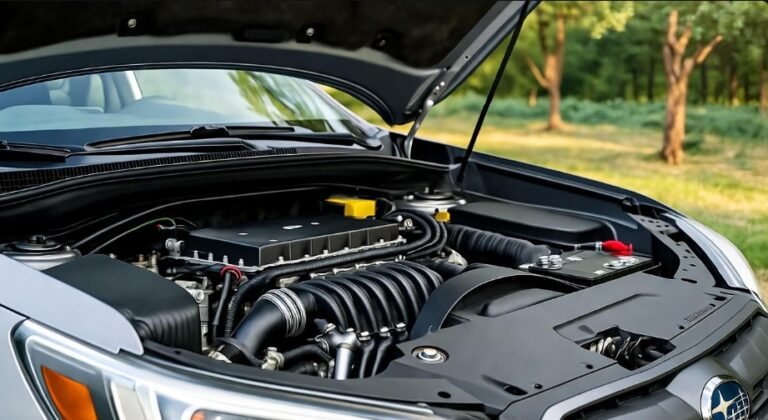
- Engine bay (clean it first)
- Close-ups of any damage or unique features
Avoid filters or heavy editing. Buyers want to see the real condition of the car.
Write a Clear, Honest Description
Your listing should include:
- Year, make, model, and trim
- Mileage and engine size
- Transmission type (automatic/manual)
- Fuel economy
- Features (sunroof, navigation, backup camera, etc.)
- Recent maintenance or repairs
- Reason for selling
- Any known issues (be transparent!)
Example: “2016 Toyota Camry LE, 85,000 miles, automatic, 30 MPG, clean title, no accidents. New brakes and tires in 2023. Selling because I’m moving out of state. Minor scratch on rear bumper (see photo).”
Step 4: Advertise and Find a Buyer
Now that your car is ready, it’s time to find a buyer. You have several options, each with pros and cons.
Sell Privately
Selling directly to another individual usually gets you the highest price. Use these platforms:
- Facebook Marketplace: Free, easy to use, and widely viewed. You can target local buyers and message directly.
- Craigslist: Still popular in MA, especially in cities like Worcester and Springfield. Be cautious of scams.
- Cars.com or Autotrader: More professional, but may charge a listing fee. Great for reaching serious buyers.
- Local classifieds or community boards: Libraries, coffee shops, and town websites often have free posting options.
When listing, include your price, contact info, and availability for test drives. Respond promptly to inquiries.
Trade-In at a Dealership
If you’re buying a new car, trading in your old one is convenient. Dealerships handle the paperwork and apply the trade-in value toward your purchase. However, you’ll typically get less money than a private sale—often 10–20% less.
For example, if your car is worth $15,000 privately, a dealer might offer $12,500 as a trade-in. But you save time, avoid advertising, and skip the hassle of meeting strangers.
Sell to a Car Buying Service
Companies like CarMax, Carvana, or Vroom will buy your car outright, often with an online quote. They offer fast payments and handle the transfer, but again, you’ll likely get less than a private sale. These services are best if you need to sell quickly or don’t want to deal with buyers.
Be Wary of Scams
Unfortunately, car scams are common. Watch out for:
- Buyers who want to pay with a cashier’s check and ask for a refund (the check is fake)
- Requests to ship the car or meet in a remote location
- Overpayment and requests to send back the difference
- Buyers who refuse to see the car in person
Always meet in a public place, like a police station parking lot, and bring a friend. Never release the car until payment is secure.
Step 5: Complete the Sale and Transfer Ownership
Once you’ve found a buyer, it’s time to finalize the sale. This step is critical—improper transfers can leave you liable for tickets, accidents, or taxes after the sale.
Sign the Title Correctly
On the back of the title, fill in:
- Buyer’s name and address
- Sale price
- Date of sale
- Odometer reading
- Your signature
Both you and the buyer should sign. If the buyer is financing the car, they may need to sign with a co-signer. Make sure the information matches their ID.
Complete a Bill of Sale
While not always required, a bill of sale protects both parties. Include:
- Vehicle details (VIN, make, model, year)
- Seller and buyer names and addresses
- Sale price and date
- Statement that the car is sold “as-is” (if applicable)
- Signatures
You can find a free Massachusetts Bill of Sale template on the RMV website.
Submit a Release of Liability
This is one of the most important steps. Within 5 days of the sale, you must notify the RMV that you’re no longer responsible for the vehicle. You can do this online at the Massachusetts RMV website by submitting a Release of Liability form. Include the buyer’s name, address, sale date, and VIN.
This protects you if the buyer gets a ticket, parks illegally, or is involved in an accident before registering the car.
Remove License Plates
In Massachusetts, license plates stay with the seller—not the car. Remove the plates before handing over the vehicle. You can reuse them on another car or return them to the RMV. Do not leave them on the car, as the buyer cannot legally drive it without registering it first.
Cancel Your Insurance
Once the car is sold, contact your insurance company to remove it from your policy. You may be eligible for a refund on unused premiums. Don’t wait—driving without insurance is illegal, and you don’t want to pay for a car you no longer own.
Step 6: Post-Sale Responsibilities and Tips
After the sale, your job isn’t quite done. There are a few final steps to ensure everything is wrapped up properly.
Keep Records
Save copies of the signed title, bill of sale, and Release of Liability confirmation for at least 3–5 years. These documents can protect you if the buyer claims you misrepresented the car or if there’s a dispute.
Notify Your Lender (If Applicable)
If you had a loan, confirm with your lender that the lien has been released. They should send a lien release letter to the RMV. You can check the status online through the RMV’s title search tool.
Help the Buyer Register the Car
While it’s not your responsibility, offering to help the buyer with the registration process can make the sale smoother. They’ll need to:
- Visit an RMV service center
- Bring the signed title, bill of sale, and proof of insurance
- Pay sales tax (6.25% of the purchase price)
- Get a new registration and plates
Note: The buyer must register the car within 30 days of purchase.
Consider a “Sold As-Is” Agreement
If your car has known issues or is older, consider selling it “as-is.” This means the buyer accepts the car in its current condition, with no warranty. Include this in the bill of sale to avoid future complaints. However, you must still disclose any major problems—lying about defects can lead to legal action.
Common Mistakes to Avoid When Selling a Car in MA
Even experienced sellers make mistakes. Here are some common pitfalls to watch out for:
Not Getting the Car Inspected
Massachusetts requires a valid inspection sticker (safety and emissions) within 6 months of sale. If your sticker is expired, the buyer cannot legally drive the car until it’s inspected. Get it done before listing.
Forgetting to Remove Plates
Leaving plates on the car can confuse the buyer and delay registration. Always remove them and keep them for future use or return.
Not Submitting the Release of Liability
This is a big one. Failing to notify the RMV can leave you liable for fines, tolls, or accidents caused by the new owner. Do it within 5 days.
Accepting Risky Payment Methods
Avoid personal checks or wire transfers from unknown sources. Use cash, certified checks, or secure apps like Zelle (with caution). Meet at a bank to verify funds if possible.
Overlooking Small Details
A missing owner’s manual, spare key, or floor mats can annoy buyers and lead to price negotiations. Gather all accessories before the sale.
Conclusion: Sell Your Car in MA with Confidence
Selling a car in Massachusetts doesn’t have to be complicated. By following the right steps—preparing your paperwork, pricing fairly, cleaning the car, advertising wisely, and completing the transfer correctly—you can sell your vehicle quickly, legally, and for a fair price. The key is attention to detail and understanding the state’s specific requirements, like the inspection sticker, title transfer, and Release of Liability.
Whether you’re selling a compact sedan in Boston or a pickup truck in the Berkshires, the process is the same. Take your time, be honest, and protect yourself with proper documentation. And remember: the extra effort you put in upfront will pay off in a smoother sale and peace of mind.
So go ahead—list that car, meet your buyer, and drive away knowing you did it the right way. Happy selling!
Frequently Asked Questions
Do I need a bill of sale to sell a car in Massachusetts?
While not legally required, a bill of sale is highly recommended. It protects both you and the buyer by documenting the sale price, date, and vehicle details. You can download a free form from the Massachusetts RMV website.
Can I sell a car in MA without a valid inspection?
No. Massachusetts law requires that any vehicle being sold must have a valid safety and emissions inspection sticker that is less than 6 months old. The buyer cannot legally drive the car without it.
What happens if I don’t submit a Release of Liability?
If you fail to notify the RMV within 5 days of the sale, you may remain liable for tickets, tolls, or accidents caused by the new owner. Always submit the form online to protect yourself.
Can I sell a car if I still owe money on it?
No. You must pay off the loan and receive a lien release from your lender before you can transfer ownership. The title must be clear of any liens.
Do I have to leave the license plates on the car?
No. In Massachusetts, license plates belong to the owner, not the vehicle. Remove them before the sale and reuse them or return them to the RMV.
How long does it take to sell a car in Massachusetts?
It depends on the price, condition, and demand. Well-priced, clean cars in popular models can sell in a few days. Older or high-mileage vehicles may take weeks or months.