How to Sell a Bmw

Contents
- 1 Key Takeaways
- 2 📑 Table of Contents
- 3 Why Selling a BMW is Different (And How That Benefits You)
- 4 Phase 1: The Pre-Sale Preparation – Making Your BMW Irresistible
- 5 Phase 2: Pricing Your BMW – The Art and Science of the Number
- 6 Phase 3: Choosing Your Sales Channel – Private, Dealer, or Online
- 7 Phase 4: Crafting the Perfect Listing – Your 24/7 Salesperson
- 8 Phase 5: The Sale Process – From Inquiry to Cash in Hand
- 9 Phase 6: The Paperwork – Finalizing the Transaction Legally
- 10 Conclusion: You Are Now a BMW Selling Expert
- 11 Frequently Asked Questions
Car Neck Pillow

Radiator Coolant

Pressure Washer for Car

Car MP3 Player
Selling a BMW requires a strategic approach to maximize your return. Unlike selling a standard economy car, you must highlight its engineering, maintenance history, and desirable features to attract the right buyer. Proper preparation, accurate pricing based on market data, and choosing the right sales channel are the non-negotiable pillars of a successful sale. This guide walks you through every step, from getting your BMW showroom-ready to navigating the final paperwork, ensuring you sell your BMW confidently and profitably.
Key Takeaways
- Preparation is Everything: A meticulously clean, fully serviced BMW with a complete service record will sell faster and for more money than a neglected one.
- Price It Right from Day One: Research comparable models (make, model, year, mileage, options) aggressively. Overpricing is the #1 reason BMWs sit on the market.
- Your Sales Channel Matters: Choose between private party, dealer consignment, or online marketplace based on your priority: maximum profit (private), convenience (dealer), or balance (online).
- Documentation is Your Best Sales Tool: A thick folder of service records, the original window sticker (if available), and a vehicle history report builds immense buyer trust.
- BMW-Specific Knowledge Wins: Be prepared to discuss the car’s maintenance history, common issues for its model year, and the value of its optional equipment.
- Negotiation Starts with Your Ad: Your listing description and photos set the expectation. Be factual, enthusiastic, and transparent to justify your asking price.
- Paperwork Cannot Be Rushed: Ensure the title is clear, understand your state’s bill of sale requirements, and file the release of liability promptly to protect yourself.
📑 Table of Contents
- Why Selling a BMW is Different (And How That Benefits You)
- Phase 1: The Pre-Sale Preparation – Making Your BMW Irresistible
- Phase 2: Pricing Your BMW – The Art and Science of the Number
- Phase 3: Choosing Your Sales Channel – Private, Dealer, or Online
- Phase 4: Crafting the Perfect Listing – Your 24/7 Salesperson
- Phase 5: The Sale Process – From Inquiry to Cash in Hand
- Phase 6: The Paperwork – Finalizing the Transaction Legally
- Conclusion: You Are Now a BMW Selling Expert
Why Selling a BMW is Different (And How That Benefits You)
Selling any car has its steps, but selling a BMW is a unique endeavor. BMWs aren’t just transportation; they’re engineered driving machines with a passionate following. This creates a two-sided market. On one side, you have enthusiasts and connoisseurs who specifically seek out BMWs for their driving dynamics, build quality, and brand prestige. On the other side, you have cautious buyers aware of the reputation for higher maintenance and repair costs compared to Japanese rivals. Your job as the seller is to speak directly to that enthusiast while proactively addressing the concerns of the cautious buyer.
The good news? A well-presented BMW with a known history commands respect and a premium. Buyers in this segment are often better informed and willing to pay for proven quality. The key is to shift the conversation from “used car” to “well-maintained, desirable performance/luxury sedan or coupe.” This guide will transform you from someone who just wants to get rid of a car into a confident seller who understands their asset’s true value.
Phase 1: The Pre-Sale Preparation – Making Your BMW Irresistible
Before you ever take a photo or write a word, you must invest time and a little money into your BMW’s presentation. This phase separates the sellers who get top dollar from those who wonder why their ad gets no calls. Think of it as staging a house for sale.

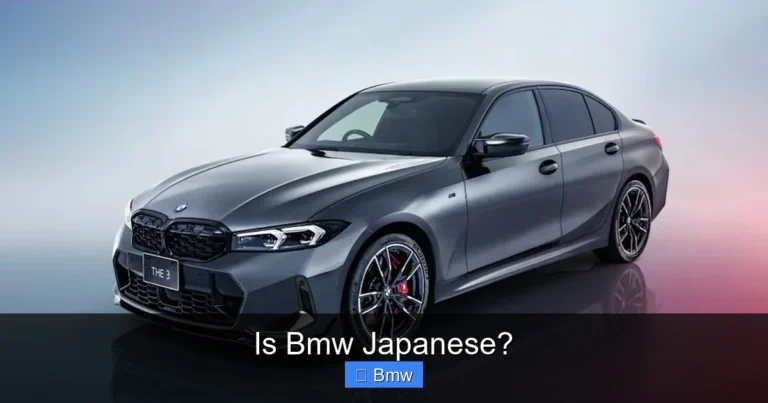
Visual guide about How to Sell a Bmw
Image source: webuyposhcars.co.uk
Deep Clean and Detailing: Beyond the Quick Wash
Interior perfection is paramount for a luxury car buyer. This is not a weekend vacuum job.
- Exterior: Wash, clay bar, and apply a quality wax or ceramic coating. Pay obsessive attention to wheels, wheel wells, and tire sidewalls. Remove any brake dust. Ensure all lights are clear and lenses are not hazed.
- Interior: Remove every single item from the car. Clean every nook, cranny, vent, and cup holder. Use appropriate cleaners for leather, vinyl, plastic, and cloth. Condition leather seats. Shampoo carpets and floor mats. The goal is a showroom-fresh, odor-free interior. Any lingering smells (smoke, pets, food) must be eliminated.
- Engine Bay: A clean engine bay is a powerful signal of an owner who cares. Carefully degrease and rinse (avoiding sensitive electronics). It doesn’t need to be concours-ready, but it should be free of excessive grime and leaks.
Address Known Issues and Gather All Service Records
This is the most critical step for a BMW. Transparency is rewarded with trust and higher offers.
- Service History: Collect every single receipt, invoice, and maintenance log. Organize them chronologically in a folder. If you have a BMW-branded service book, fill it in. Missing records will be a red flag. If you have had major services done (like timing chain work on certain models, water pump, thermostat, oil housing gasket), highlight these. Proactively addressing known problem areas for your specific engine (e.g., N54/N55 turbocharger issues, VANOS, oil consumption) by having them repaired is a huge selling point. You can reference common repair costs in your ad to show you’ve invested in the car’s reliability, such as the cost to replace a BMW windshield or fix a coolant leak, to demonstrate your commitment to maintenance.
- Minor Repairs: Fix any small things: burnt-out bulbs, chipped windshield (consider replacement if near the driver’s line of sight), worn wipers, mismatched tires, or minor dents/scratches. The cost of these fixes will be recouped in a higher sale price and faster sale.
Phase 2: Pricing Your BMW – The Art and Science of the Number
Setting the right price is the single most important factor in how quickly your BMW sells and for how much. Emotion has no place here. You must be a data analyst.
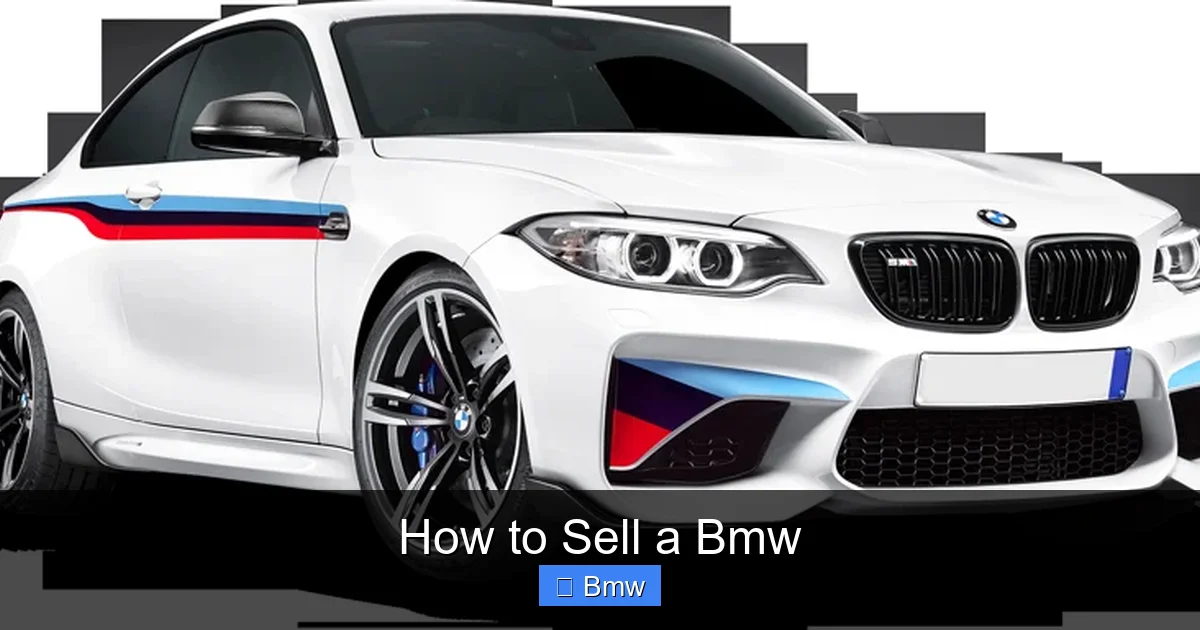
Visual guide about How to Sell a Bmw
Image source: suncitymotors.net
Conducting Exhaustive Market Research
Do not rely on KBB or NADA alone. These are starting points, not endpoints.
- Search Broadly: Look at listings for your exact BMW: same year, model (e.g., 328i vs. 335i), body style, transmission, and most importantly, option packages. A car with the M Sport package, Premium package, or Driver Assistance package is worth significantly more than a base model. Use filters on eBay Motors, Cars.com, Autotrader, and even Facebook Marketplace.
- Adjust for Reality: Sort by “Sold” listings on eBay to see what people actually paid. Note the condition and mileage. Create a spreadsheet comparing 5-10 closest competitors. Where does your car stack up? Is it cleaner? Does it have more service records? Does it have rare or desirable options? Price it 5-10% above your target to leave room for negotiation, but be realistic. An overpriced BMW will sit for months, and “old” listings scare away buyers.
- Factor in Depreciation Curves: BMWs depreciate rapidly in the first 3-4 years. A 5-year-old 5 Series is a vastly different value proposition than a 2-year-old. Your pricing must reflect this steep initial drop-off.
Understanding the BMW Value Multipliers and Penalties
Certain factors add or subtract thousands from your price.
- Multipliers: Factory warranty remaining (if transferable), recent major service (e.g., transmission fluid, differential fluid, spark plugs, coils), low mileage for the year, desirable colors (usually non-metallic whites, blues, or classic colors like Estoril Blue), manual transmission (for certain enthusiast models), and a complete lack of accidents on the Carfax/AutoCheck report.
- Penalties: High mileage (especially over 100k for a V8 or high-performance model), accident history (even if repaired), deferred maintenance, aftermarket modifications (unless done by a premier tuner like Dinan and you have all receipts), and non-factory wheels/tires. Be honest about these and price accordingly.
Phase 3: Choosing Your Sales Channel – Private, Dealer, or Online
Where you sell your BMW dramatically impacts your profit, effort, and timeline. There is no single “best” option for everyone.
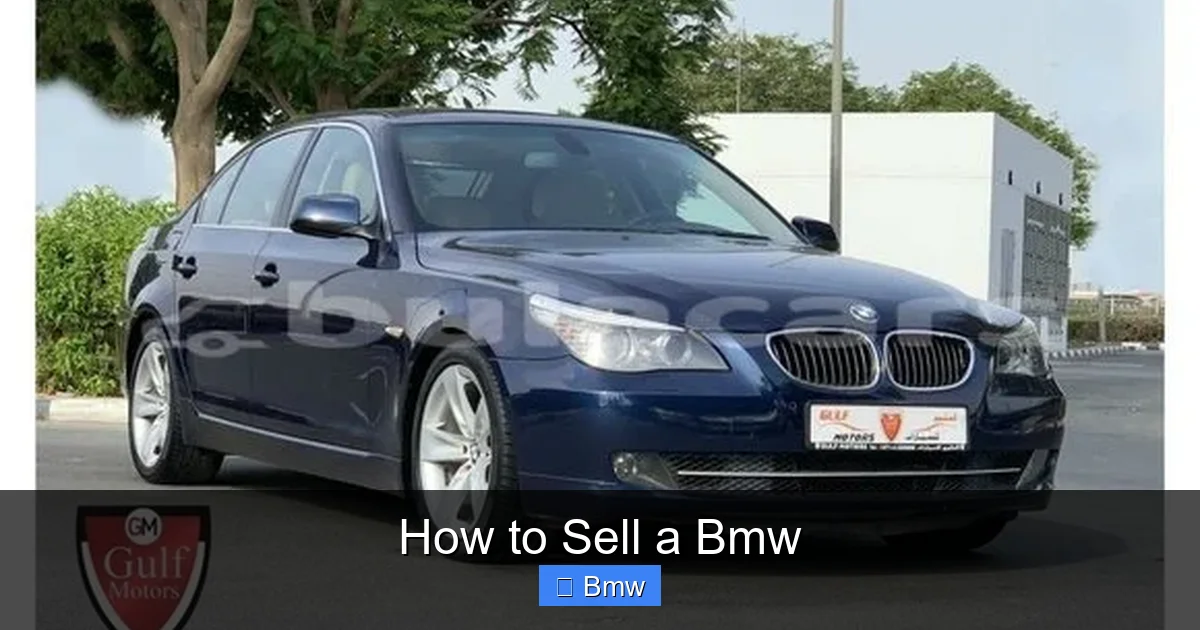
Visual guide about How to Sell a Bmw
Image source: bulacars.s3.amazonaws.com
The Private Party Sale: Maximum Profit, Maximum Effort
This is the classic “For Sale By Owner” (FSBO) route. You will get the highest price, as there is no dealer markup. However, you are the salesperson, marketing department, and transaction coordinator.
- Pros: Highest potential sale price. Direct control over the process and buyer.
- Cons: You must handle all inquiries, test drives (which carry risk), payment verification, and title transfer. You will deal with lowballers, tire-kickers, and scammers. Time-consuming.
- Best For: Sellers with a clean, well-documented car who have the time and patience to manage the process and want to maximize their return. You’ll need to be prepared to answer detailed technical questions from knowledgeable BMW buyers.
Dealer Trade-In or Consignment: Convenience at a Cost
Driving into a dealership is the easiest path. You get an offer (often lower than private) and the deal is done in hours. Consignment (where a dealer sells the car on your lot for a fee) can sometimes yield a better price than a straight trade-in but less than private.
- Pros: Incredibly fast, no advertising, no stranger test drives, no paperwork hassle (the dealer handles it). Often you can apply the value toward a new/used car from that dealer.
- Cons: You will receive 15-30% less than private party value. The dealer must make a profit. They will wholesale your car or recondition it for their lot.
- Best For: Sellers who prioritize speed and convenience over every last dollar, or those who need to roll equity into a new vehicle purchase immediately.
Online Marketplaces & Auctions: The Modern Middle Ground
Platforms like Cars.com, Autotrader, and eBay Motors offer a blend of reach and structure. They attract serious buyers and provide tools for secure transactions.
- Pros: Massive audience, built-in listing templates, some transaction security (eBay Motors). You still control the price and process.
- Cons: Listing fees (eBay has a final value fee, others charge for listing duration). You still manage test drives and payment for private sales on some sites. eBay’s auction format can be risky if the reserve isn’t met.
- Best For: Sellers who want wide exposure without the pure chaos of Facebook Marketplace. eBay Motors is excellent for rare or high-performance BMWs where a national audience makes sense. For standard models, a paid listing on a major site often yields better results than free classifieds.
For those looking for a truly national reach and are comfortable with an auction format, understanding how to sell a car on eBay Motors is a valuable skill. The fees are structured, but the potential buyer pool is enormous.
Phase 4: Crafting the Perfect Listing – Your 24/7 Salesperson
Your online listing is your car’s salesperson. It works while you sleep. A bad listing gets ignored. A great listing generates calls and serious offers.
Photography: Show, Don’t Just Tell
Take 30-50 high-quality photos. Use a smartphone in good daylight. Clean the car thoroughly first.
- Shots to Include: Front 3/4, rear 3/4, both sides, front grille close-up, rear badge, all four wheels, full interior (front and rear), dashboard (odometer), engine bay, trunk, any special features (iDrive screen, M badges, sport seats), and any imperfections (a small scratch you disclosed). Use a plain background if possible.
- Quality: No blurry pics. No night shots with flash glare. Show the car in the best light, literally and figuratively.
Writing a Compelling, Honest Description
Structure your description for scanners.
- Headline: “2015 BMW 3 Series 335i xDrive M Sport – 1-Owner, Full Service History, Excellent Condition”
- Opening Paragraph: Hook them. “This is a fantastic, well-maintained example of the beloved F30-generation 335i, equipped with the powerful N55 turbocharged engine and the comprehensive M Sport package. It has been garaged its entire life and has a complete, unbroken service history at the BMW dealership and my trusted independent specialist.”
- Bullet Points: List key features: Engine, transmission, drivetrain, major packages (Premium, Driver Assistance, Navigation), recent services (new brakes at 70k, transmission service at 80k), accident-free history (Carfax attached), tire condition, etc.
- Honest Disclosure: “The driver’s seat has normal wear for the mileage. The previous owner installed aftermarket wheels, which I have replaced with the original BMW Style 397 wheels in excellent condition.” Transparency here prevents wasted time and builds trust.
- Call to Action: “Serious inquiries only. Please email through this listing or call [Your Number] between 9 AM and 8 PM. Test drives are welcome with a valid driver’s license. Cash or bank check only.”
Phase 5: The Sale Process – From Inquiry to Cash in Hand
You’ve got calls. Now you need to convert interest into a signed deal and a cleared check.
Screening Buyers and Managing Test Drives
Not all inquiries are equal. A quick phone call can filter out 80% of time-wasters.
- Initial Call: “Is the car still available?” is the first question. Answer yes. Then ask, “Are you looking for a project car, or one in ready-to-drive condition?” and “Do you have a trade-in you’re considering?” This gauges seriousness. Explain your price is firm/negotiable based on the ad.
- Test Drive Protocol: Meet in a safe, public, well-lit place during daylight hours (a shopping center parking lot). Always accompany the driver. Have them leave a valid driver’s license with you (take a photo of it). Start the car together. Go for a 15-20 minute drive that includes highway and city roads. Be prepared to answer technical questions about the car’s behavior.
- Safety First: Trust your gut. If a buyer seems off, reschedule or cancel. Never let them test drive alone. Never meet at your home.
Negotiation and Closing the Deal
If the test drive goes well, the buyer will likely make an offer. This is where your research pays off.
- Justify Your Price: Reiterate the car’s strengths: “As you saw, the service history is impeccable. I just spent $1,200 on the inspection II and new front pads. Compared to the other 335is I showed you in my research, this one is priced fairly for its condition.”
- Know Your Walk-Away Number: Before you start, decide the absolute lowest price you will accept. If the buyer’s final offer is below it, be polite and firm. “I appreciate your offer, but based on my research, I can’t go below $X,XXX. It’s a great car and I’m confident it will sell.”
- The Deposit: For a serious buyer, taking a refundable deposit to hold the car for 24-48 hours (while they secure financing or get a pre-purchase inspection) is reasonable. Get a signed, simple deposit receipt.
Phase 6: The Paperwork – Finalizing the Transaction Legally
Do this wrong, and you could face liability or legal trouble. Do it right, and the transaction is complete.
- Bill of Sale: Use a state-specific bill of sale form (available online or from an office supply store). It must include: buyer/seller names/addresses, VIN, make/model/year, sale price, odometer reading, and both signatures with date. Have two copies—one for each of you. Some states require notarization.
- Title Transfer: This is the most important document. You (the seller) sign the title over to the buyer in the designated area. **Do not sign until you are certain of the buyer’s name and have the payment in hand.** Fill in the sale price and odometer reading accurately. Give the signed title to the buyer.
- Release of Liability: Immediately after the sale, file a release of liability (or similar document) with your state’s DMV/DOT. This document states you are no longer responsible for the vehicle. This is crucial protection if the new owner gets tickets or gets into an accident before they title the car in their name. You can often do this online. Keep a copy.
- Cancel Insurance: Call your insurance company to cancel or transfer the policy effective the date of sale. Do not cancel before you have the new owner’s information.
- Keep Copies: Make copies of the signed title, bill of sale, and release of liability for your records. Store them with your tax documents for at least 7 years.
For sellers in specific states, the exact process can vary slightly. For example, understanding the specific requirements to sell a car privately in Washington State involves particular steps for title notarization and license plate surrender that you must follow to avoid future fines.
Conclusion: You Are Now a BMW Selling Expert
Selling your BMW doesn’t have to be a stressful, confusing experience. By following this structured, step-by-step approach, you take control of the process. Remember the core pillars: prepare your car to an exceptional standard, price it with hard data, choose the sales channel that fits your goals, create a transparent and appealing listing, manage interactions professionally, and complete the paperwork flawlessly. You are not just selling a car; you are transferring ownership of a piece of BMW history to a new enthusiast. Treat the process with that level of care, and you will be rewarded with a smooth transaction and a price that reflects the true value of your well-maintained BMW. Now, go get your car detailed, gather those service records, and start your successful sale.
Frequently Asked Questions
How long does it typically take to sell a BMW privately?
With a good price, excellent photos, and full service records, a well-maintained BMW can sell in 2-4 weeks. Overpriced or poorly documented cars can sit for 3-6 months or more. The preparation you do upfront directly correlates to the speed of the sale.
Should I fix minor cosmetic damage before selling?
Absolutely. Small door dings, minor bumper scratches, and chipped windshields are negotiable points that buyers will use to lower their offer. Fixing these items yourself or through a reputable shop for a few hundred dollars will typically net you a thousand more in the sale price and make your car look cared for.
Is it worth getting a pre-purchase inspection (PPI) for my buyer?
Yes, highly recommend it. Offering a recent, favorable PPI from a reputable independent BMW specialist (not a chain brake shop) is a powerful trust-builder. It shows you have nothing to hide. You can say, “Here’s a report from [Shop Name] from last month; they found it in excellent condition.” This can justify your asking price and speed up the buyer’s decision.
Can I sell a BMW with an existing lien (loan)?
Yes, but it’s more complex. You must pay off the lien before a clear title can be transferred to the buyer. The most common method is to sell for a price higher than the loan payoff amount. The buyer’s funds (via bank check) go first to the lender to pay off the loan, and any remaining funds go to you. Your lender will provide a payoff quote and instructions. The transaction often happens at the lienholder’s office or a bank.
What’s the biggest mistake sellers make when pricing their BMW?
Pricing it based on what they paid or what they *think* it’s worth, not on current market data. The market dictates value. You must look at what identical or nearly identical cars are *actually selling for* (not just asking price) in your region. An extra $1,000 over market can add 30+ days to your sale time.
How should I handle test drives to protect myself?
Always accompany the driver. Always meet in a safe, public place. Ask to see and photograph their driver’s license before handing over the keys. Have a clear route planned (10-15 minutes). Do not leave valuables in the car. Listen for any concerning noises during the drive. After the drive, inspect the car together before they leave to ensure nothing was damaged.