How to Save Money on Auto Window Tint

Contents
- 1 Key Takeaways
- 2 📑 Table of Contents
- 3 1. The Non-Negotiable First Step: Decoding Your Local Tint Laws
- 4 2. DIY vs. Professional Installation: Where the Real Savings Lie
- 5 3. Material Matters: Choosing the Right Film for Your Budget and Goals
- 6 4. Strategic Timing: When to Buy for the Best Auto Window Tint Deals
- 7 5. Protecting Your Investment: Long-Term Care for Maximum Value
- 8 6. Bonus Savings: Bundling and the Power of Referrals
- 9 Frequently Asked Questions

Car Fog Light Bulb

Car Armrest Cushion

Portable Work Light

Car Back Support Cushion
Saving money on auto window tint for your BMW isn’t about buying the cheapest product—it’s about making smart, informed choices. You must first understand your local tint laws to avoid costly fines and re-dos. While DIY seems cheaper upfront, professional installation often saves money long-term by preventing damage to your BMW’s sensitive window regulators and sensors. Choosing the right material—like balancing dyed and ceramic films—matches your budget to your needs for heat rejection and longevity. Finally, timing your purchase for off-season deals and protecting your investment with proper care maximizes every dollar spent on your auto window tint.
So, you’ve got a beautiful BMW. The precision engineering, the driving dynamics—it’s a joy. But that big windshield and those large windows? They turn your cockpit into a greenhouse on sunny days, glare makes driving uncomfortable, and privacy can be a concern. Auto window tint is the obvious solution. It blocks harsh UV rays, reduces interior heat, cuts down on glare, and gives your sleek machine a more finished, private look. It’s one of the most popular upgrades for a reason.
Then you get the quote. And your stomach drops. A quality tint job for a BMW can easily run from $300 to over $1,000. Suddenly, that great idea feels like a luxury you can’t afford. But what if I told you that saving significant money on auto window tint is absolutely possible, without resorting to a cheap, bubbling film from an online marketplace? It’s all about strategy, knowledge, and playing the long game. This guide isn’t about cutting corners; it’s about cutting *waste*. We’ll walk through every step, from legal pitfalls to material science, so you can invest wisely in your BMW’s comfort and protection.
Key Takeaways
- Know Your Local Tint Laws First: Illegal tint leads to fines and forced removal, wiping out any savings. Always verify your state’s VLT (Visible Light Transmission) limits for front, rear, and windshield windows before purchasing any auto window tint.
- Professional Installation Usually Saves Money Long-Term: DIY errors can damage BMW window regulators or electronics, leading to expensive repairs. A pro’s warranty on both product and labor protects your investment in auto window tint.
- Material Choice Directly Impacts Cost and Performance: Dyed film is cheapest but fades; ceramic is pricier but offers superior heat rejection and longevity. Match the auto window tint type to your primary goal (privacy vs. heat) to avoid overpaying for features you don’t need.
- Shop at the Right Time for Discounts: Installers often run off-season (winter) specials on auto window tint. Getting quotes from 3-5 shops creates competition, driving down prices for your BMW.
- Proper Care Protects Your Auto Window Tint Investment: Using ammonia-free cleaners and avoiding abrasive tools prevents premature scratching or peeling. This maintenance saves you from the significant cost of re-tinting your vehicle.
- Bundling Services Can Yield Savings: Ask about package deals that combine auto window tint with other services like paint protection film or headlight restoration for your BMW, often at a discounted rate.
📑 Table of Contents
- 1. The Non-Negotiable First Step: Decoding Your Local Tint Laws
- 2. DIY vs. Professional Installation: Where the Real Savings Lie
- 3. Material Matters: Choosing the Right Film for Your Budget and Goals
- 4. Strategic Timing: When to Buy for the Best Auto Window Tint Deals
- 5. Protecting Your Investment: Long-Term Care for Maximum Value
- 6. Bonus Savings: Bundling and the Power of Referrals
1. The Non-Negotiable First Step: Decoding Your Local Tint Laws
Before you spend a single dime on auto window tint, this is your homework. Ignoring window tint laws is the fastest way to throw money away. You could buy and install the perfect film, only to get a ticket, be forced to remove it, and have to start over. In many states, the fines for illegal tint are steep, and you’ll often be given a “fix-it” ticket that requires proof of removal or correction.
For BMW owners, this is especially critical. Many modern BMWs come from the factory with a slight tint on the rear and side windows (often around 20% VLT). If you add aftermarket tint on top of that, you must calculate the *combined* VLT. A 20% factory tint plus a 20% aftermarket film does NOT equal 40% total light transmission—it equals a much darker, likely illegal, result. Understanding this calculation is key to avoiding a very expensive mistake with your auto window tint.
Why BMWs Need Special Attention with Tint Laws
Your BMW likely has advanced driver-assistance systems (ADAS). Cameras and sensors for lane departure warnings, adaptive cruise control, and parking assist are often housed in the windshield, rearview mirror area, and sometimes the rear glass. Some metallic or even certain ceramic auto window tint films can interfere with these sensor signals. While high-quality films are designed to be “sensor-safe,” it’s not a universal guarantee. You must verify with the tint shop that the film they recommend is explicitly compatible with your BMW model’s ADAS. A malfunctioning system due to tint can be a costly headache to diagnose and fix.
Additionally, BMW’s rain and light sensors, typically located near the rearview mirror on the windshield, must have a clear, unobstructed view. Any tint applied above the AS-1 line (the top edge of the windshield, usually marked) on the front windshield is almost universally illegal in the U.S., with few exceptions for medical sun visors. Never let anyone convince you to tint the front windshield for “UV protection” unless you have a specific, legal medical exemption. The risk and cost of a ticket are not worth it.
How to Find and Verify Your Legal Limits
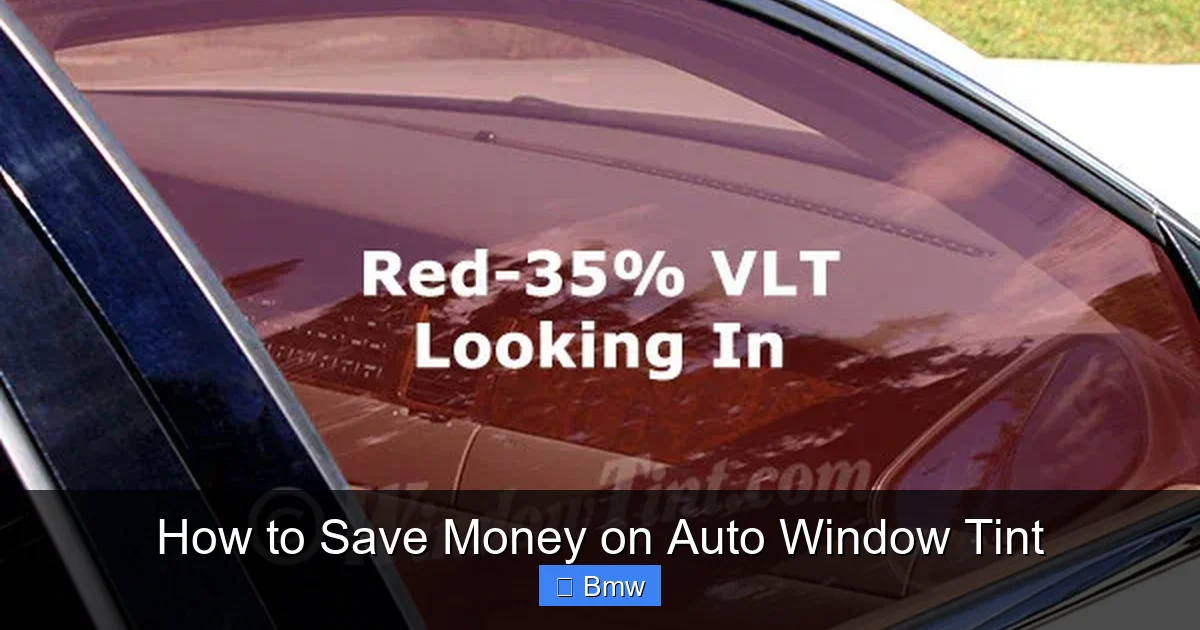
Finding your state’s laws is easy. A quick search for “[Your State] window tint law” will lead you to official DMV or state police websites. Bookmark this page. Pay close attention to three numbers: the VLT percentage allowed for the front side windows, rear side windows, and rear window. Also, note if there is a “reflectivity” limit (how shiny the film can be) and whether any tint is allowed on the front windshield (usually only a non-reflective strip at the top).
Once you know the numbers, do the math for your BMW. If your factory tint is 20% and your state allows a minimum of 35% for rear windows, you cannot add any *darker* film. You might only be able to add a very light, clear UV-blocking film. If you want darker privacy, your only legal option might be to replace the factory glass with a lighter option, which is extremely expensive. Knowing this upfront saves you from researching and pricing auto window tint options that are dead on arrival.
2. DIY vs. Professional Installation: Where the Real Savings Lie
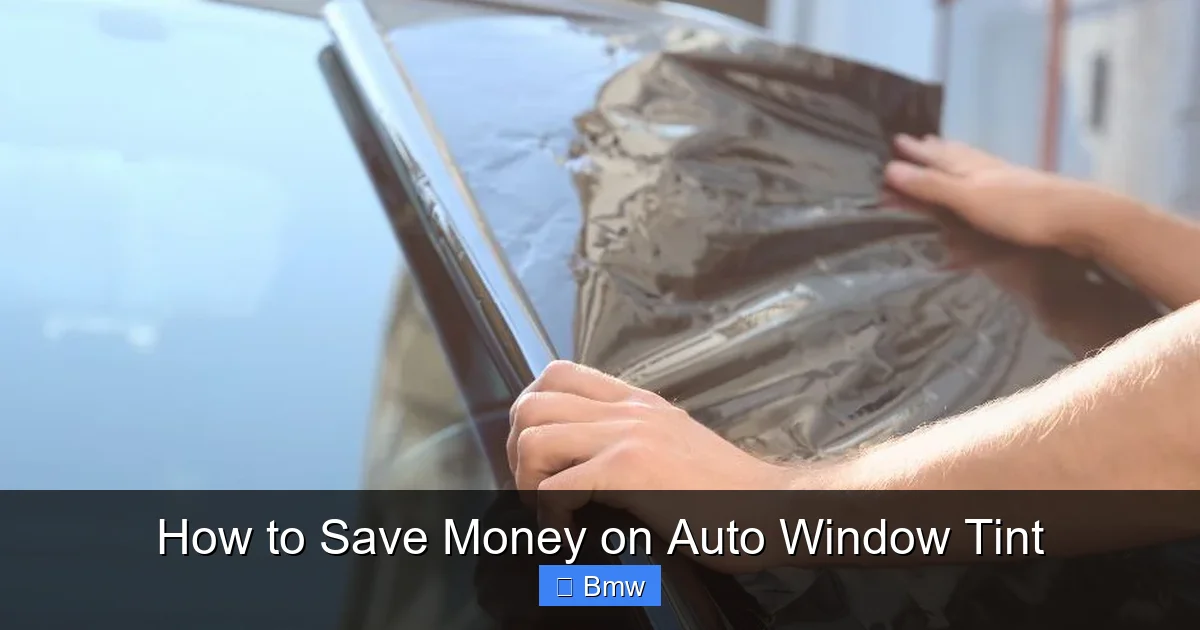
This is the biggest fork in the road. The allure of saving $200-$400 by doing it yourself is powerful. You watch a few YouTube videos, buy a $100 DIY kit, and think you’re set. Let’s be brutally honest: auto window tint is a skilled craft. A professional installer does this every single day. They have the climate-controlled, dust-free environment. They have the precise tools—specialized heat guns, squeegees, and spray bottles. They understand the nuances of your BMW’s specific window curvature, the location of defroster lines, and the delicate electronics in the door panels.
Visual guide about How to Save Money on Auto Window Tint
Image source: cdn.shopify.com
The Hidden (and Massive) Costs of a DIY Disaster
A DIY mistake on your BMW isn’t just an ugly bubble. It’s a cascade of potential costs:
- Damaged Window Regulators: The felt clips that hold the window in place inside the door are fragile. Prying the window down incorrectly or using too much force during installation can break these clips or the regulator mechanism itself. Replacing a BMW window regulator can cost $500-$1,000+ in parts and labor.
- Scratched Glass: Using the wrong blade or technique can permanently scratch the glass. A BMW dealership will charge a fortune to replace a scratched window, and aftermarket glass may not match the optical quality of the original.
- Torn or Damaged Defroster Lines: The thin, black lines across the rear glass are for defrosting. A slip of the blade can cut through them, rendering your rear defroster useless. Repairing these lines is possible but finicky and often not perfect.
- Wasted Material: Tint film is unforgiving. One large crease, one piece of dust under the film, one miscalculation, and you’ve ruined a $100+ sheet. Pros buy extra for this reason; a beginner rarely does.
When you add up the cost of a ruined film kit, the potential for a $1,000 regulator repair, and the value of your own time (and frustration), the “savings” of a DIY auto window tint vanish overnight. You might end up spending more to fix your mistakes than you would have paid a pro in the first place. For complex systems like those in a BMW, professional installation is almost always the financially smarter path.
When Professional Installation Makes Pure Financial Sense
A reputable auto window tint shop offers two things that save you money: expertise and a warranty. Their expertise means the job is done right the first time, in 2-3 hours, with no risk to your car’s components. Their warranty—typically 5-10 years on the film and a lifetime on the installation—means if it bubbles, peels, or fades prematurely, they fix it for free. That’s a financial safety net you simply don’t get with a DIY kit.
To find a good pro, don’t just call the first shop on Google. Get three specific quotes for the exact same film (brand and series) from three different, highly-rated shops. Look at their portfolio of BMW work. A good installer knows the quirks of different models—how the rear window on an X5 has a complex antenna, or the door card on an M3 needs careful disassembly. Paying a premium for this expertise is an investment, not an expense. It’s the difference between a job that lasts a decade and one that needs redoing in two years.
3. Material Matters: Choosing the Right Film for Your Budget and Goals
Not all auto window tint is created equal, and the price difference reflects massive gaps in technology and lifespan. Understanding the three main types is crucial to getting the best value for your BMW.

Visual guide about How to Save Money on Auto Window Tint
Image source: carglassadvisor.com
Dyed Film: The Budget Option (With Caveats)
This is the most affordable auto window tint. It uses a dye to absorb solar heat and provide darkness. Pros: It’s cheap, provides good initial privacy, and is widely available. Cons: The dye degrades and fades over time, especially in intense sun, turning purple or bubbly. It offers minimal heat rejection compared to other types. Its lifespan is often 3-5 years. For a BMW, where you may want to keep the car for years and value a premium look, dyed film is a false economy. The money you save upfront is lost when it looks terrible in a few seasons, hurting your car’s aesthetic and resale value. It’s only a considerate saving if you plan to sell the car within a couple of years and want a temporary, cheap darkening.
Metallic (or Hybrid) Film: The Middle Ground
This film uses tiny metallic particles (like nickel or chrome) to reflect heat away. It’s more durable than dyed film and offers significantly better heat and UV rejection. It’s also often more affordable than full ceramic. The major drawback? It can interfere with radio, GPS, and keyless entry signals—a serious consideration for a tech-packed BMW. It also has a higher reflectivity (shininess), which some people find less attractive. If your BMW has a factory-installed antenna in the rear window (common in many models), metallic film can severely degrade radio and navigation signal strength. This is a deal-breaker for most BMW owners seeking a seamless experience.
Ceramic Film: The Premium, Long-Term Saver
This is the top-tier auto window tint. It uses non-conductive, non-metallic ceramic particles. Pros: Excellent heat rejection (often the best), outstanding UV protection (blocks 99%+), no signal interference (radio, cell, GPS, keyless entry work perfectly), and a very stable, non-fading, non-purpling appearance that lasts 10+ years. Cons: It’s the most expensive. However, for a BMW owner, ceramic is often the smartest financial play. You pay more upfront, but you get a product that will look perfect and perform powerfully for the life of the car. It protects your expensive interior from sun cracking and fading, which is a huge cost saver. The lack of signal interference means you don’t have to buy and install annoying aftermarket antenna repeaters. When you factor in longevity, performance, and preservation of your BMW’s value, ceramic film offers the best total cost of ownership.
Practical Tip: You don’t need ceramic on every window. Many owners put a high-quality ceramic on the front two windows (for maximum heat/glare rejection where the driver and passenger sit) and a slightly less expensive hybrid or high-end dyed on the rear and hatch, where privacy is the main goal. This “mixed-material” approach can save $100-$200 on your total auto window tint cost while still getting the critical performance where you need it most.
4. Strategic Timing: When to Buy for the Best Auto Window Tint Deals
The price of auto window tint isn’t static. Shops have slow periods and busy periods. Your timing can directly impact your bill.

Visual guide about How to Save Money on Auto Window Tint
Image source: excellenceautodetail.com
Off-Season Discounts (Winter is Your Friend)
In colder climates, auto window tint business plummets from November through March. Why? Because it’s harder to install perfectly in cold weather (the film is less pliable), and customers aren’t thinking about sun protection. Smart installers need to keep their bays full and their technicians paid. This is your golden opportunity. Call shops in late fall and offer to schedule an installation for a January or February weekday. You will often get a 15-25% discount just for being flexible and helping them through their slowest months. They may also throw in free upgrades to a better film series just to make the sale. This is one of the easiest ways to save serious money on a premium auto window tint for your BMW.
Shop the Competition and Clearance Stock
Always, always get multiple quotes. Not just for price, but for exactly what’s included. Is the price per window? Is the rear windshield included? Are there extra charges for the third brake light or antenna removal/reinstallation? A $250 quote that excludes the rear window is more expensive than a $300 all-inclusive quote.
Also, ask about “overrun” or “clearance” film. Tint manufacturers produce rolls of film in standard widths. If a shop ordered a roll that was slightly too narrow for common vehicles, they might have leftover pieces. They will often sell these remnants at a steep discount for small cars or just for the front two windows. If you drive a compact BMW like a 2 Series, you might score amazing ceramic film for half price because it’s a leftover piece from a larger vehicle order. It’s the exact same quality, just a different size.
5. Protecting Your Investment: Long-Term Care for Maximum Value
You’ve spent good money on a professional auto window tint. Now, protect that investment so you never have to spend that money again for the life of your BMW.
The 30-Day Rule and Curing Process
Newly installed tint has a liquid layer between the film and glass that needs to evaporate and cure. This takes 2-4 weeks in ideal conditions (warmer weather helps). During this critical period:
- DO NOT roll down your windows. The film isn’t fully adhered and will peel.
- DO NOT clean the inside of the windows. Any moisture or cleaner can get behind the film.
- Expect small water bubbles or a hazy, “orange peel” look. This is normal and will disappear as the moisture evaporates. Do not try to pop or squeegee them.
Following this simple rule prevents the #1 cause of new tint failure and saves you from a warranty claim that might be denied due to “user error.”
Ongoing Cleaning: The Right Way
Once cured, clean your tinted windows with a soft microfiber cloth and an ammonia-free (ammonia-free) glass cleaner. Ammonia is the enemy of tint film; it will dry out the adhesive and cause premature peeling and discoloration. Many reputable auto detailers sell specific tint-safe cleaners. A simple mix of water and a drop of baby shampoo in a spray bottle also works perfectly and is incredibly cheap. Never use abrasive pads, paper towels (which can scratch), or harsh household cleaners like Windex.
For the exterior glass, use your normal cleaner—the film is only on the interior. However, be mindful of your windshield wipers. Worn-out wiper blades with exposed metal parts can scratch the glass over time, and that scratch will be visible through the tint. Replacing your wiper blades annually is a small cost that protects the clarity of your entire auto window tint package.
6. Bonus Savings: Bundling and the Power of Referrals
Don’t look at your auto window tint as a standalone purchase. Think of it as part of your overall BMW care and enhancement budget.
Package Deals with Complementary Services
Many reputable shops that do tint also do paint protection film (PPF), ceramic coating, and headlight restoration. If you’ve been considering any of these, now is the time to bundle. Getting your windows tinted, your front bumper covered with PPF, and your headlights restored in one go will almost certainly get you a 10-20% package discount versus buying each service separately. It also saves you multiple trips and multiple inspections. Ask the shop: “What’s the best package you can offer if I do tint plus [other service]?” The answer might surprise you and lead to substantial overall savings on maintaining your BMW’s appearance.
Leverage Loyalty and Referrals
If you’ve used a good shop before for another service (like an oil change or tire rotation), tell them! Many shops have loyalty programs or will offer a “returning customer” discount. Similarly, ask about their referral program. If you have a friend with a BMW or any car who needs tint, referring them could get you a $50-$100 credit toward your next service. These small discounts add up and are easy money you’ve earned just by being a smart, repeat customer.
In the end, saving money on auto window tint for your BMW is a holistic process. It starts with knowledge—knowing the law and your material options. It’s executed with strategy—choosing the right pro at the right time. And it’s protected with care—treating the tint right so it lasts. By following this guide, you transform your tint purchase from a daunting cost into a smart, long-term investment in your driving pleasure and your car’s value. You get the privacy, comfort, and style you want, and your wallet stays happier. Now, go get those quotes—and remember to ask about those winter discounts!
Frequently Asked Questions
Is it illegal to tint my BMW’s front windshield?
In almost all U.S. states, any aftermarket tint on the front windshield below the AS-1 line (the top tinted band) is illegal. A few states allow a non-reflective strip at the very top (usually 5-6 inches), but for the vast majority of the windshield, you cannot apply auto window tint. Attempting to do so will result in a ticket and a mandatory removal.
How long does professional auto window tint last on a BMW?
A high-quality ceramic film, professionally installed, should last 10-15 years or the lifetime of the vehicle, with no significant fading, peeling, or discoloration. Lower-quality dyed films may only last 3-5 years before turning purple or developing bubbles. The lifespan is heavily dependent on the film quality and the skill of the installation.
Will window tint interfere with my BMW’s sensors and keyless entry?
It depends entirely on the film type. Metallic films can block radio frequency signals, which will interfere with keyless entry, remote start, and GPS/radio reception. Ceramic films are non-metallic and are specifically engineered to be “sensor-safe” and allow all RF signals to pass through unimpeded. Always confirm with your installer that the film they are using is guaranteed not to interfere with your specific BMW model’s electronics.
Can I just tint the front two windows of my BMW for savings?
Yes, absolutely. This is a common and effective cost-saving strategy. You get the maximum benefit of heat and glare reduction where you need it most—the driver and passenger windows—while leaving the rear windows with their factory tint or a less expensive film. This “two-front” job can save you $100-$200 compared to tinting all side and rear glass with the highest-end ceramic film.
What happens if I get a ticket for illegal tint on my BMW?
You will receive a “fix-it” or equipment violation ticket. You will be required to have the illegal tint removed and provide proof of correction (usually a signed inspection form from a law enforcement officer or licensed repair shop) to the court. You will still have to pay the ticket fine and any associated court costs, and you will have wasted the money you spent on the tint itself. In some states, repeat offenses can lead to higher fines.
How should I wash my BMW after getting new window tint?
Wait at least 30 days after installation before cleaning the interior of the tinted windows to allow full curing. After that, use only a soft microfiber cloth and an ammonia-free glass cleaner. Never use abrasive scrubbers, paper towels, or harsh chemicals like Windex. For the exterior, your normal car wash soap is fine, but ensure your wiper blades are in good condition to avoid scratching the glass.