
How to Remove Scratches from Car Glass

Scratches on car glass don’t have to be permanent. With the right tools and techniques, you can restore clarity and improve safety. This guide covers everything from assessing damage to choosing the best repair method—whether DIY or professional.
Key Takeaways
- Not all scratches can be removed: Deep structural damage or cracks may require professional replacement, but minor surface scratches are often fixable.
- Assess the scratch depth first: Use the fingernail test—if your nail catches, it’s likely too deep for DIY repair.
- Use the right tools and materials: Glass polish, microfiber cloths, and UV resin kits are essential for safe, effective scratch removal.
- Work in a clean, shaded area: Dust and direct sunlight can interfere with the repair process and reduce effectiveness.
- Prevention is better than repair: Regular cleaning, avoiding abrasive materials, and using windshield covers help prevent future scratches.
- Know when to call a pro: If the scratch is in your line of sight or affects structural integrity, consult a certified technician.
- DIY kits work best on small, shallow scratches: For best results, follow instructions carefully and avoid over-polishing.
📑 Table of Contents
- Introduction: Why Scratched Car Glass Is More Than Just an Eyesore
- Understanding Car Glass and Why It Gets Scratched
- Assessing the Damage: When Can You Fix It Yourself?
- DIY Methods: How to Remove Scratches from Car Glass at Home
- Professional Repair Options: When DIY Isn’t Enough
- Preventing Future Scratches: Tips for Maintaining Clear Car Glass
- Conclusion: Clear Vision, Safer Driving
Introduction: Why Scratched Car Glass Is More Than Just an Eyesore
Imagine you’re driving down the highway on a sunny afternoon, and suddenly, a pebble kicks up from the road ahead and hits your windshield. You hear that familiar ping, and when you look up, there it is—a tiny chip or scratch staring back at you like a permanent reminder of bad luck. While it might seem minor at first, that scratch can quickly become a bigger problem. Over time, it can spread, distort your view, or even compromise the strength of your glass. And let’s be honest—no one wants to drive around with a cloudy, damaged windshield that makes every trip feel unsafe.
But here’s the good news: not all scratches are created equal, and many can be fixed without replacing the entire windshield. Whether it’s from road debris, wiper blades, or accidental cleaning with the wrong tools, surface-level scratches on car glass are surprisingly common—and often treatable. The key is knowing how to assess the damage, choose the right method, and apply it safely. In this guide, we’ll walk you through everything you need to know about how to Remove Scratches from car glass, from simple DIY fixes to when it’s time to call in the experts. By the end, you’ll have the confidence and knowledge to restore your glass to near-perfect condition.
Understanding Car Glass and Why It Gets Scratched
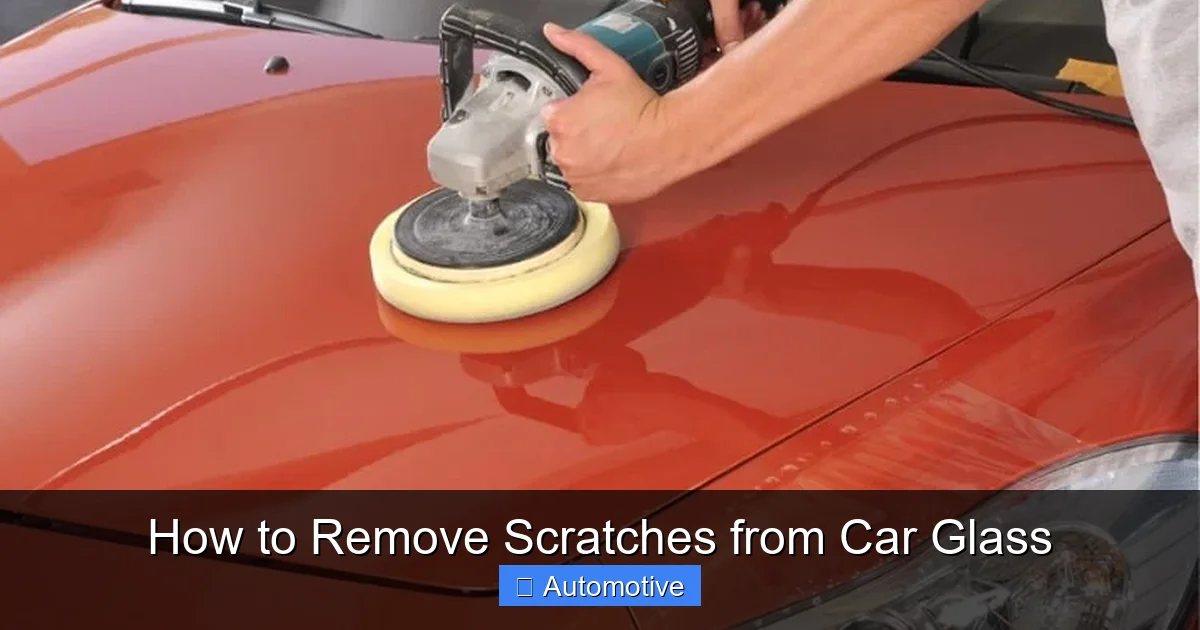
Before diving into repair techniques, it’s important to understand what car glass is made of and why it’s prone to scratching. Most modern vehicles use laminated safety glass for windshields, which consists of two layers of glass with a thin layer of polyvinyl butyral (PVB) sandwiched in between. This design helps the glass stay intact during impact, reducing the risk of shattering. Side and rear windows, on the other hand, are typically made of tempered glass, which is stronger but breaks into small, dull pieces when damaged.
Visual guide about How to Remove Scratches from Car Glass
Image source: goldeagle.com
Common Causes of Scratches on Car Glass
Scratches can happen in a variety of ways, and understanding the cause can help you prevent future damage. Here are some of the most common culprits:
- Road debris: Gravel, sand, and small rocks kicked up by other vehicles are frequent offenders. Even tiny particles can leave fine scratches over time, especially at high speeds.
- Improper cleaning: Using dirty rags, paper towels, or abrasive sponges can grind dirt into the glass surface, creating micro-scratches that accumulate and reduce clarity.
- Wiper blade issues: Worn-out or damaged wiper blades can drag debris across the windshield, especially if the rubber is cracked or hardened.
- Automatic car washes: While convenient, some automated washes use stiff brushes or harsh chemicals that can scratch glass, particularly if there’s grit trapped in the machinery.
- Accidental contact: Brushing against bushes, leaning on the glass, or using metal tools near the windshield can also cause scratches.
Types of Scratches: Surface vs. Structural Damage
Not all scratches are the same, and identifying the type of damage is crucial before attempting any repair. There are generally three categories:
- Surface scratches: These are the most common and easiest to fix. They only affect the top layer of the glass and don’t penetrate deeply. You can often feel them with your fingernail, but they don’t catch or drag.
- Deep scratches: These go beyond the surface and may catch your fingernail when you run it over them. While some deep scratches can be polished out, others may require more advanced techniques or professional help.
- Cracks and chips: These are structural damages that compromise the integrity of the glass. While small chips can sometimes be repaired, cracks—especially those longer than a few inches—usually require replacement.
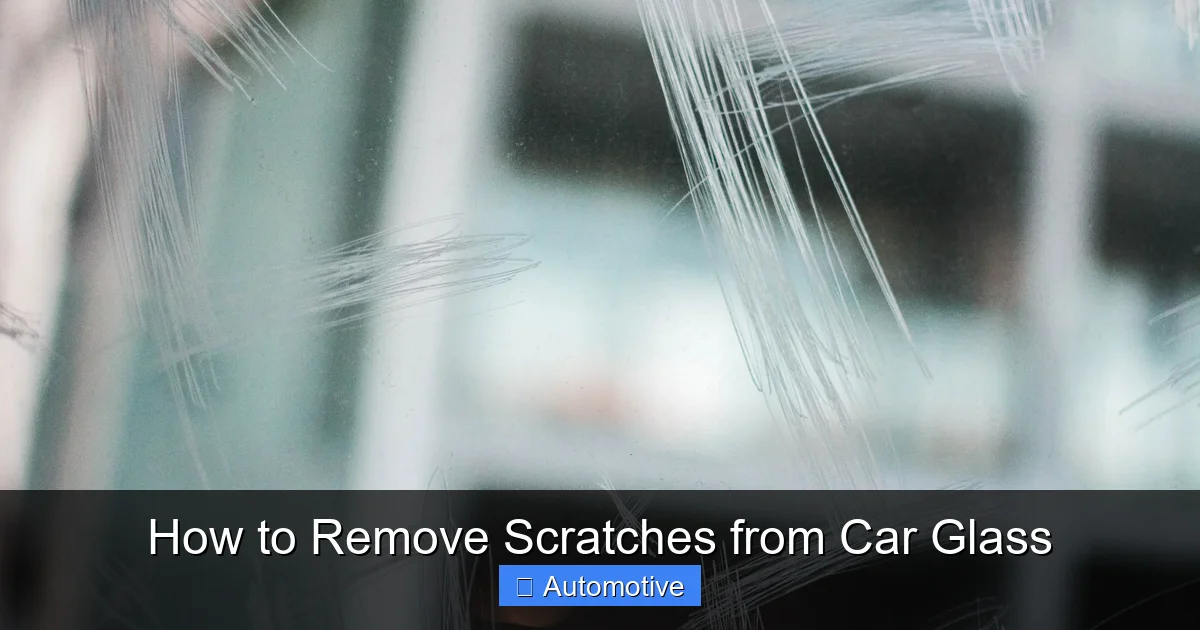
To test the depth of a scratch, gently run your fingernail across it. If it catches, the scratch is likely too deep for simple polishing. If it glides smoothly, you’re probably dealing with a surface-level issue that can be treated at home.
Assessing the Damage: When Can You Fix It Yourself?
One of the biggest mistakes people make is assuming all scratches can be fixed with a quick polish. While many can, it’s essential to evaluate the damage properly before starting any repair. Attempting to fix a deep crack or structural flaw with DIY methods can make the problem worse—or even dangerous.
Visual guide about How to Remove Scratches from Car Glass
Image source: kayvex.co.uk
The Fingernail Test: A Simple Way to Check Scratch Depth
The fingernail test is a quick and effective way to determine whether a scratch is surface-level or deeper. Here’s how to do it:
- Clean the glass thoroughly with glass cleaner and a microfiber cloth to remove dirt and debris.
- Run your fingernail slowly and gently across the scratch.
- If your nail catches or drags, the scratch is likely deep and may require professional attention.
- If your nail glides smoothly over the scratch, it’s probably a surface issue that can be polished out.
This test works because surface scratches don’t have sharp edges or ridges, while deeper ones create a noticeable groove.
Location Matters: Visibility and Safety Concerns
Even if a scratch is shallow, its location can determine whether it’s safe to repair it yourself. Scratches directly in your line of sight—especially on the driver’s side of the windshield—can distort vision, especially at night or in bright sunlight. In such cases, even a small scratch can be distracting or hazardous.
Additionally, scratches near the edges of the windshield are more concerning because the glass is under tension in those areas. Polishing near the edges can weaken the structure and lead to cracks. If the scratch is within two inches of the edge, it’s best to consult a professional.
When to Call a Professional
While DIY methods are great for minor issues, there are times when you should leave it to the experts. Consider professional help if:
- The scratch is deeper than 1/8 inch or catches your fingernail.
- It’s located in your direct line of vision.
- The glass has multiple scratches or a combination of chips and cracks.
- You’re unsure about the type of glass or repair method.
- The vehicle is under warranty, and DIY repairs could void it.
Professional glass repair technicians have specialized tools, resins, and training to handle complex damage safely and effectively. They can also assess whether the glass needs replacement rather than repair.
DIY Methods: How to Remove Scratches from Car Glass at Home
If your scratch passes the fingernail test and isn’t in a critical location, you can likely fix it yourself with a few simple tools. DIY scratch removal is cost-effective, convenient, and can yield impressive results—especially for light to moderate surface scratches. Below are the most effective methods, step by step.
Visual guide about How to Remove Scratches from Car Glass
Image source: surfnshine.com
Method 1: Glass Polish and Microfiber Cloth
This is the most common and accessible DIY method. Glass polish contains fine abrasives that gently wear down the scratched surface, smoothing it out and restoring clarity. Here’s how to do it:
- Clean the area: Use a high-quality glass cleaner and a microfiber cloth to remove all dirt, grease, and debris. Any particles left behind can cause new scratches during polishing.
- Apply polish: Put a small amount of glass polish (such as Cerium Oxide or a commercial brand like Novus or Rain-X) onto a clean, dry microfiber cloth or applicator pad.
- Polish in circular motions: Work the polish into the scratch using small, overlapping circles. Apply moderate pressure and continue for 2–3 minutes per section.
- Wipe and inspect: Use a second clean microfiber cloth to wipe away the residue. Check the scratch under good lighting. If it’s still visible, repeat the process.
- Finish with glass cleaner: Once the scratch is gone or significantly reduced, clean the area again with glass cleaner to remove any leftover polish.
Tip: Always work in a shaded area. Sunlight can dry the polish too quickly, making it less effective and harder to wipe off.
Method 2: Toothpaste (Yes, Really!)
Toothpaste might seem like an odd choice, but certain types—especially non-gel, whitening formulas—contain mild abrasives that can polish glass. This method works best for very light surface scratches.
- Clean the glass thoroughly.
- Apply a pea-sized amount of toothpaste to a soft cloth.
- Rub the toothpaste over the scratch in small circular motions for 1–2 minutes.
- Wipe off with a damp cloth, then dry with a clean microfiber towel.
- Inspect and repeat if necessary.
Note: Avoid gel toothpaste or those with whitening beads, as they may not have the right abrasive properties and could leave residue.
Method 3: Baking Soda and Water Paste
Baking soda is another household item that can double as a gentle abrasive. Mix it with water to create a paste for light scratch removal.
- Mix 2 parts baking soda with 1 part water to form a thick paste.
- Apply the paste to the scratch using a soft cloth.
- Rub gently in circular motions for 1–2 minutes.
- Rinse thoroughly with water and dry with a microfiber cloth.
- Check the results and repeat if needed.
This method is eco-friendly and inexpensive, but it’s best suited for very fine scratches. Overuse can dull the glass, so use sparingly.
Method 4: UV Resin Repair Kits
For slightly deeper scratches that don’t quite catch your fingernail, UV resin kits are a great option. These kits use a liquid resin that fills in the scratch and hardens under UV light, creating a smooth, clear surface.
- Clean the glass and let it dry completely.
- Apply the resin directly into the scratch using the provided applicator.
- Place the UV lamp over the area and expose it to UV light for the recommended time (usually 2–5 minutes).
- Once hardened, use a razor blade (at a 45-degree angle) to carefully scrape off excess resin.
- Polish the area with glass cleaner and a microfiber cloth.
These kits are widely available online and at auto parts stores. They’re more effective than polish alone for deeper imperfections and can last for years if applied correctly.
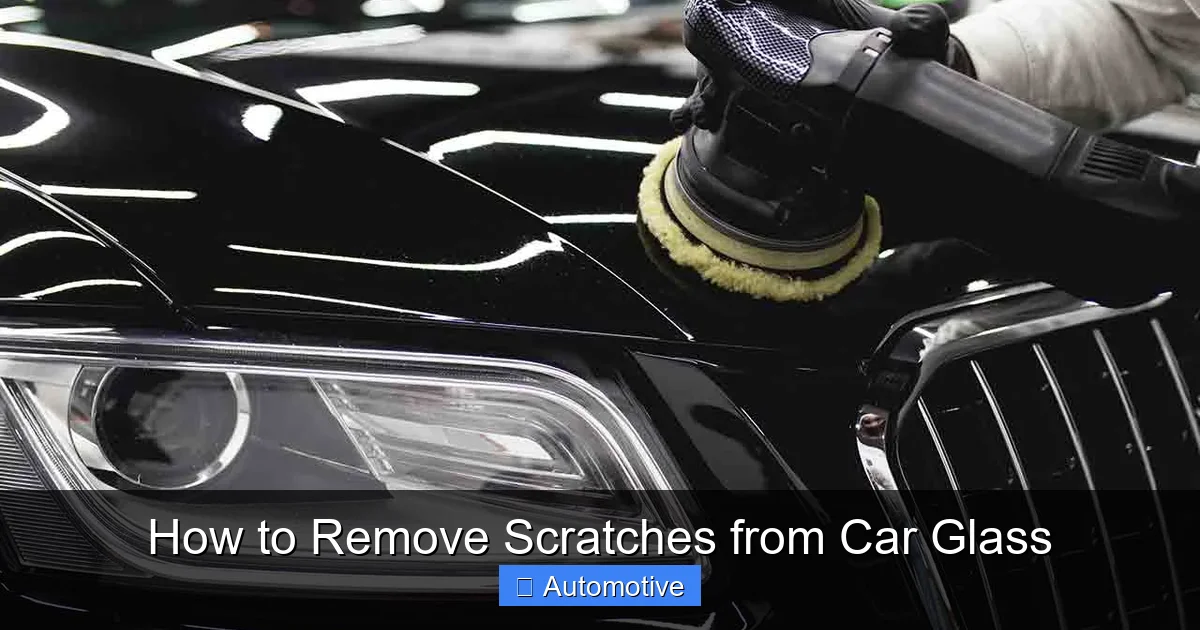
Method 5: Electric Polishing Tools
For larger areas or multiple scratches, an electric polishing tool with a foam pad can speed up the process. These tools are available at hardware stores and online, often with adjustable speed settings.
- Attach a soft foam polishing pad to the tool.
- Apply glass polish to the pad or directly to the glass.
- Work in small sections, moving the tool in slow, overlapping circles.
- Keep the tool flat against the glass to avoid creating swirl marks.
- Wipe away residue and inspect frequently.
Caution: Electric tools generate heat and friction, which can damage glass if used incorrectly. Always start at a low speed and avoid staying in one spot too long.
Professional Repair Options: When DIY Isn’t Enough
While DIY methods are great for minor issues, some scratches require professional intervention. Professional glass repair offers higher precision, stronger materials, and long-lasting results—especially for deeper or more complex damage.
Glass Resurfacing and Professional Polishing
Certified technicians use industrial-grade polishes and multi-step grinding processes to remove deeper scratches. This method involves progressively finer abrasives, starting with coarse compounds and finishing with ultra-fine polishes. The result is a smooth, optically clear surface.
Professional resurfacing can remove scratches up to 1/16 inch deep and is often used on classic cars or high-end vehicles where appearance is critical. However, it’s more expensive than DIY and may require multiple visits.
Windshield Replacement
In cases where the scratch is too deep, widespread, or affects structural integrity, replacement may be the only safe option. Modern windshields are designed to support the roof in a rollover and contribute to airbag deployment, so compromised glass can be dangerous.
Replacement involves removing the old windshield, cleaning the frame, applying new adhesive, and installing a factory-grade replacement. Most repairs take 1–2 hours and come with warranties.
Mobile Repair Services
Many glass repair companies offer mobile services, where a technician comes to your home or workplace. This is convenient and often covered by insurance. Mobile technicians can handle chip repairs, scratch polishing, and even full replacements in some cases.
Preventing Future Scratches: Tips for Maintaining Clear Car Glass
Once you’ve removed a scratch, the last thing you want is for it to happen again. Prevention is key to keeping your car glass clear and safe. Here are some practical tips:
- Use proper cleaning tools: Always use microfiber cloths and dedicated glass cleaners. Avoid paper towels, rags with grit, or household cleaners that contain ammonia or alcohol.
- Replace wiper blades regularly: Worn blades can scratch glass and reduce visibility. Inspect them every 6 months and replace if cracked or streaking.
- Wash your car by hand: If possible, avoid automatic car washes with brushes. Hand washing gives you more control and reduces the risk of debris scratching the glass.
- Use a windshield cover: In winter, a cover prevents ice buildup and reduces the need for scraping, which can scratch the surface.
- Drive carefully in gravel areas: If you frequently drive on unpaved roads, consider installing mud flaps or driving slower to reduce debris kick-up.
- Inspect glass regularly: Check your windshield and windows monthly for new scratches, chips, or cracks. Early detection makes repair easier and cheaper.
Conclusion: Clear Vision, Safer Driving
Scratches on car glass are frustrating, but they don’t have to be permanent. With the right approach, many can be removed safely and effectively—either at home or with professional help. The key is to assess the damage honestly, choose the appropriate method, and take steps to prevent future issues. Whether you’re using toothpaste, glass polish, or a UV resin kit, the goal is the same: restoring clarity, improving safety, and keeping your vehicle looking its best.
Remember, not every scratch can—or should—be DIY’d. When in doubt, consult a professional. Your vision and safety are worth the investment. By following the tips in this guide, you’ll not only learn how to remove scratches from car glass but also develop habits that keep your windows crystal clear for miles to come.
Frequently Asked Questions
Can all scratches on car glass be removed?
No, not all scratches can be removed. Surface-level scratches are often fixable with polishing or resin, but deep structural damage or cracks usually require professional repair or replacement.
Will removing a scratch weaken the glass?
When done correctly, scratch removal does not weaken the glass. However, aggressive polishing or using the wrong tools can thin the surface or create stress points, so it’s important to follow proper techniques.
How long do DIY scratch repairs last?
DIY repairs can last for months to years, depending on the method and driving conditions. UV resin repairs tend to be more durable than polish alone, especially when sealed properly.
Can I use sandpaper to remove glass scratches?
Sandpaper is not recommended for car glass. It’s too abrasive and can create more scratches or cloud the surface. Use specialized glass polish or resin instead.
Is it safe to drive with a scratched windshield?
Small surface scratches are generally safe, but deep or vision-obstructing scratches can distort light and reduce visibility, especially at night. Always prioritize safety and consider repair if the scratch affects your view.
Does insurance cover scratch removal?
Some auto insurance policies cover windshield repair or replacement, especially if the damage is due to a covered incident like a collision or falling object. Check your policy or contact your provider for details.