
How to Remove Oil Stains from Car Glass

Oil stains on car glass can impair visibility and compromise safety. This guide walks you through proven, step-by-step methods to remove oil stains using everyday products like dish soap, vinegar, and baking soda—plus professional-grade solutions for stubborn buildup.
Key Takeaways
- Act quickly: The sooner you treat an oil stain, the easier it is to remove before it bonds with the glass surface.
- Use the right cleaners: Dish soap, white vinegar, and isopropyl alcohol are effective, non-abrasive options for breaking down oil.
- Avoid harsh chemicals: Ammonia-based or abrasive cleaners can damage glass coatings or scratch surfaces over time.
- Microfiber cloths are essential: They lift residue without leaving streaks or lint behind, ensuring a clear finish.
- Prevent future stains: Regular cleaning and using windshield treatments can repel oil and grime buildup.
- Check for underlying issues: Recurring oil stains may signal engine leaks that need mechanical attention.
- Professional help may be needed: For deeply etched or aged stains, consider a glass restoration service.
📑 Table of Contents
Why Oil Stains on Car Glass Are a Problem
You’re driving down the highway, the sun is shining, and suddenly you notice a greasy, rainbow-colored smear across your windshield. It looks like oil—and it probably is. Oil stains on car glass aren’t just unsightly; they’re a serious safety hazard. These slick films scatter light, create glare, and reduce visibility, especially during rain or at night. What starts as a minor annoyance can quickly become a dangerous distraction if left untreated.
But where does this oil even come from? It might be road spray from passing trucks, drips from your own engine, or residue from nearby vehicles. Sometimes, it’s from parking under trees where sap or bird droppings mix with oily pollutants. Regardless of the source, oil bonds tightly to glass, especially when exposed to heat and sunlight. Over time, it hardens and becomes resistant to regular windshield wipers and water. That’s why a quick wipe with a damp cloth usually isn’t enough—you need the right tools and techniques to fully restore clarity.
Common Causes of Oil Stains on Car Glass
Understanding the source of oil stains helps prevent them in the future. While it’s easy to blame “someone else’s car,” the truth is that oil can come from multiple places—some within your control, others not. Let’s break down the most common culprits so you can stay one step ahead.
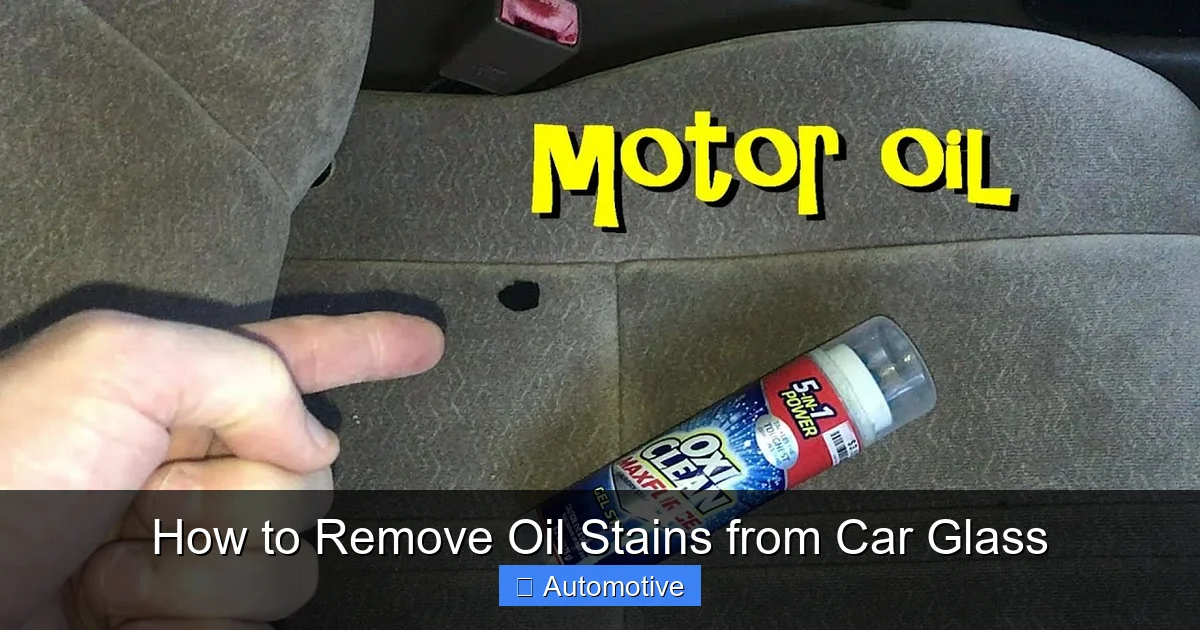
Visual guide about How to Remove Oil Stains from Car Glass
Image source: i.ytimg.com
Road Spray and Traffic Residue
One of the biggest offenders is road spray. When large vehicles like trucks or buses drive through puddles or wet roads, they kick up a fine mist that coats nearby cars. This mist often contains a mix of water, dirt, and engine oil from other vehicles. Over time, this oily film accumulates on windshields and side windows, especially during rainy seasons or in high-traffic areas.
Engine Leaks or Drips
If you park your car in the same spot regularly, check the ground beneath it. Dark, slick patches could mean your vehicle is leaking oil, coolant, or transmission fluid. Even a small drip can travel up the hood and onto the windshield when the engine heats up or during windy conditions. This is especially common in older cars or those with worn gaskets and seals.
Tree Sap and Organic Residues
Parking under trees might seem convenient, but it comes with risks. Pine sap, oak resin, and other tree secretions often contain oily compounds that mix with dust and pollution. When rain falls, these residues run down onto your car’s glass, leaving behind stubborn, waxy stains that look like oil but behave similarly.
Nearby Construction or Industrial Areas
Living near construction zones, factories, or busy highways increases your exposure to airborne oils and hydrocarbons. Machinery exhaust, diesel fumes, and industrial lubricants can settle on your car’s exterior, including the glass. These pollutants don’t just sit on the surface—they react with sunlight and moisture to form a hard, sticky layer.
Improper Car Wash Products
Believe it or not, some car wash soaps and waxes contain petroleum-based ingredients that can leave oily residues on glass. While they may make paint shine, they often create a hazy film on windshields that mimics oil stains. Always check product labels and opt for glass-safe formulas.
Tools and Materials You’ll Need
Before you start scrubbing, gather the right supplies. Using the wrong tools can scratch your glass or spread the oil further. The good news? Most of what you need is already in your kitchen or garage. Here’s a simple checklist to get you started.
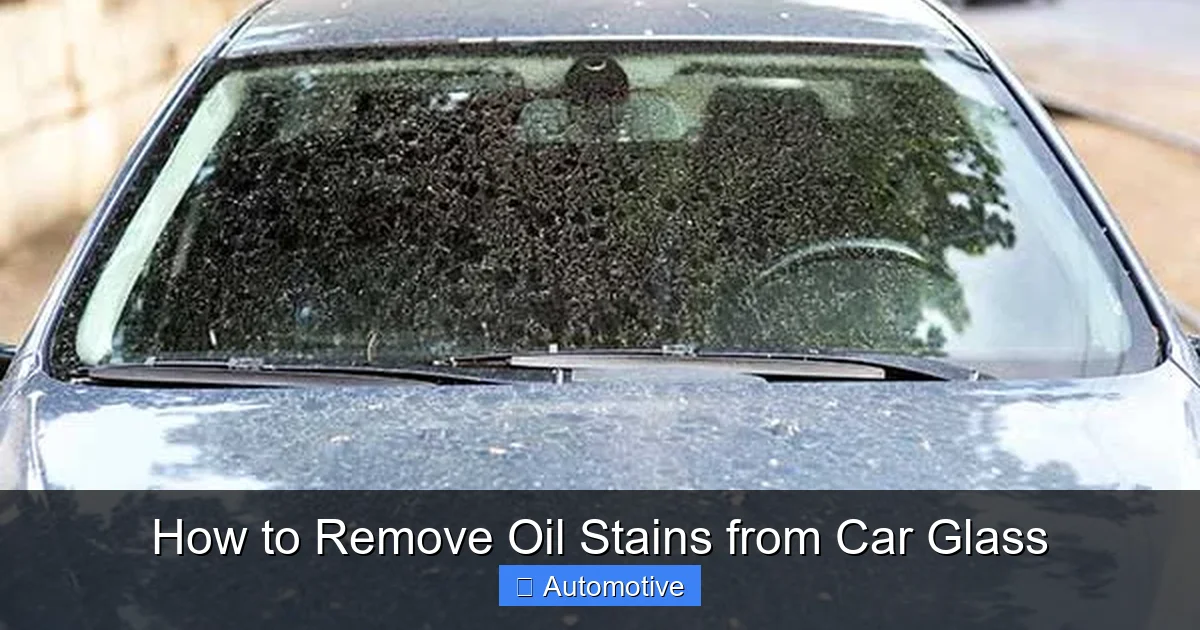
Visual guide about How to Remove Oil Stains from Car Glass
Image source: torquewrenchcenter.com
Household Cleaners
- Dish soap: Look for a grease-cutting formula like Dawn. It’s designed to break down oils and is safe for glass.
- White vinegar: A natural degreaser and disinfectant. Mix with water for a streak-free clean.
- Baking soda: Acts as a gentle abrasive for scrubbing without scratching.
- Isopropyl alcohol (70% or higher): Excellent for dissolving oily residues and evaporating quickly.
- Rubbing alcohol or glass cleaner: Use as a final rinse to remove any leftover film.
Cleaning Tools
- Microfiber cloths: These are a must. They’re soft, absorbent, and won’t leave lint or scratches. Use separate cloths for cleaning and drying.
- Soft-bristle brush or sponge: For gently agitating stubborn spots without damaging the glass.
- Squeegee: Helps remove cleaning solutions quickly and prevents streaking.
- Spray bottle: For mixing and applying homemade cleaning solutions.
- Gloves: Protect your hands, especially if using stronger cleaners.
Optional but Helpful
- Clay bar kit: Automotive clay removes embedded contaminants from glass surfaces.
- Glass polish: For deep cleaning and restoring clarity on older windshields.
- UV protectant spray: Helps prevent future oil and grime buildup.
Pro tip: Avoid using paper towels, old rags, or abrasive scrubbers like steel wool. These can leave micro-scratches that scatter light and make your windshield look worse over time.
Step-by-Step Guide to Remove Oil Stains from Car Glass
Now that you’ve got your supplies ready, it’s time to get to work. Follow these steps carefully to safely and effectively remove oil stains from your car glass. Whether it’s a fresh smear or an old, baked-on film, this method works for most situations.
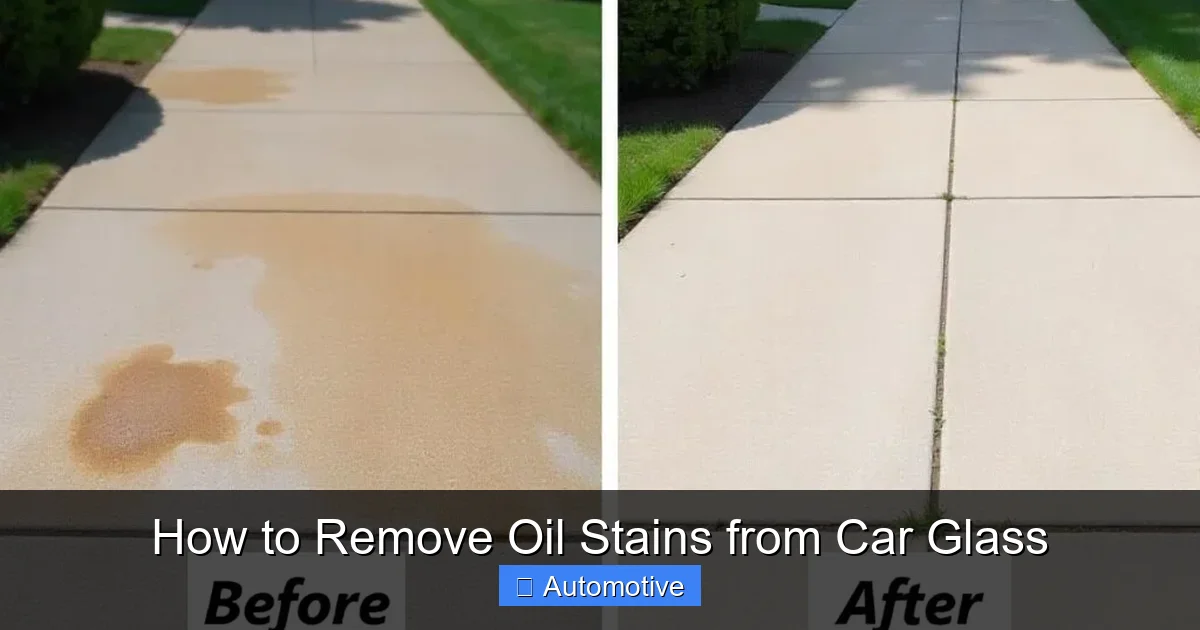
Visual guide about How to Remove Oil Stains from Car Glass
Image source: yellowbrics.com
Step 1: Rinse the Glass
Start by rinsing the affected area with clean water. Use a hose or a bucket of water to remove loose dirt, dust, and debris. This prevents scratching when you start scrubbing. Don’t skip this step—even small particles can act like sandpaper on glass.
Step 2: Apply a Degreasing Solution
Mix one tablespoon of dish soap with two cups of warm water in a spray bottle. Shake gently and spray generously over the oily areas. Let it sit for 2–3 minutes to penetrate the oil. For tougher stains, use a 50/50 mix of white vinegar and water. Vinegar’s acidity helps break down grease and mineral deposits.
Step 3: Gently Scrub the Surface
Dip a soft sponge or microfiber cloth into the solution and gently scrub the stained areas using circular motions. Focus on one section at a time. For stubborn spots, make a paste with baking soda and a few drops of water. Apply it directly to the stain and scrub lightly with a soft brush. The mild abrasion helps lift embedded oil without damaging the glass.
Step 4: Rinse Thoroughly
Once you’ve scrubbed the entire surface, rinse the glass again with clean water. Make sure all soap, vinegar, or baking soda residue is washed away. Leftover cleaner can dry into streaks or attract more dirt.
Step 5: Use Alcohol for Final Cleaning
Spray isopropyl alcohol directly onto the glass or apply it with a clean microfiber cloth. Alcohol evaporates quickly and removes any remaining oily film. It also helps prevent water spots. Wipe in one direction—top to bottom or side to side—to avoid swirl marks.
Step 6: Dry with a Clean Microfiber Cloth
Use a dry, lint-free microfiber cloth to buff the glass until it’s completely clear. Avoid using multiple cloths that may have absorbed oil from previous uses. If streaks remain, repeat the alcohol step and dry again.
Step 7: Inspect and Repeat if Necessary
Step back and check your work under good lighting. If you still see haze or rainbow-colored smears, repeat the process. Some deeply embedded stains may require two or three treatments.
Example: Imagine you’re cleaning your windshield after a long road trip. You notice a greasy patch near the driver’s side wiper. You follow the steps above, and after the second round, the stain is completely gone. Your visibility improves instantly, and the glass looks like new.
Advanced Methods for Stubborn or Old Oil Stains
Sometimes, basic cleaning isn’t enough—especially if the oil has been sitting for weeks or months. Heat, UV exposure, and environmental pollutants can cause oil to bond tightly with glass, forming a hard, almost waxy layer. In these cases, you’ll need stronger techniques.
Using an Automotive Clay Bar
Clay bars are designed to remove embedded contaminants from car surfaces, including glass. They work like an eraser, lifting oil, tar, and industrial fallout without scratching. To use:
- Wash and dry the glass thoroughly.
- Knead the clay bar until it’s soft and pliable.
- Lubricate the surface with a clay lubricant or soapy water.
- Glide the clay back and forth over the stained area using light pressure.
- Wipe away residue with a microfiber cloth.
Clay bars are especially effective for removing oily films that resist regular cleaners. You’ll notice the glass feels smoother and looks clearer after use.
Glass Polishing with a Rotary Buffer
For severely etched or stained glass, a glass polish and rotary buffer can restore clarity. These products contain fine abrasives that gently remove a microscopic layer of glass, eliminating stains and scratches. However, this method requires caution:
- Only use on windshields without existing chips or cracks.
- Work in small sections and avoid overheating the glass.
- Follow up with a glass sealant to protect the surface.
This is best left to experienced users or professionals, as improper use can damage the glass.
Professional Glass Restoration Services
If home remedies fail, consider hiring a professional. Mobile auto detailers often offer glass restoration services using specialized equipment and compounds. They can remove deep oil stains, restore clarity, and apply protective coatings. While more expensive, it’s a worthwhile investment for older vehicles or classic cars with delicate glass.
Preventing Future Oil Stains on Car Glass
Cleaning oil stains is one thing—keeping them off is another. Prevention is always easier (and cheaper) than treatment. With a few simple habits, you can minimize the risk of oil buildup and keep your car glass crystal clear.
Wash Your Car Regularly
Aim to wash your car every two weeks, especially during rainy or high-pollen seasons. Use a pH-balanced car wash soap and focus on the windshield and side windows. Regular cleaning prevents oil and grime from hardening.
Use a Windshield Treatment
Apply a hydrophobic glass treatment like Rain-X or Aquapel. These products repel water, oil, and dirt, making it harder for stains to stick. Reapply every few months or after heavy rain.
Inspect for Leaks
Check under your car weekly for oil or fluid leaks. If you spot a drip, have it inspected by a mechanic. Fixing a small leak now can save you from costly repairs and recurring stains later.
Park Smart
Avoid parking under trees, near construction sites, or behind large vehicles that may drip fluids. If possible, use a car cover or park in a garage to protect your vehicle from environmental contaminants.
Use Glass-Safe Products
Always read labels on car care products. Avoid waxes, polishes, or cleaners that contain petroleum distillates or silicones—these can leave oily residues on glass.
When to Call a Professional
Most oil stains can be removed at home, but there are times when expert help is the best option. If you’ve tried multiple methods and the stain persists, or if the glass has deep etching, cracks, or chips, it’s time to consult a professional.
Auto glass specialists have access to industrial-grade cleaners, polishing tools, and restoration techniques that go beyond DIY solutions. They can also assess whether the stain has compromised the structural integrity of the glass. For classic cars or high-end vehicles, professional care ensures the finish remains flawless.
Additionally, if you notice recurring oil stains despite regular cleaning, it could indicate a mechanical issue like a leaking valve cover gasket or PCV valve. A mechanic can diagnose and fix the root cause, preventing future problems.
Conclusion
Oil stains on car glass are more than just a cosmetic issue—they’re a safety concern that demands attention. Fortunately, with the right approach, you can remove them effectively using simple household items and a bit of elbow grease. From dish soap and vinegar to clay bars and glass polish, there’s a solution for every level of staining.
The key is to act quickly, use the right tools, and avoid harsh chemicals that can do more harm than good. Regular maintenance, smart parking, and protective treatments go a long way in keeping your windshield clear and your drives safe. And when in doubt, don’t hesitate to seek professional help.
Remember: a clean windshield isn’t just about looks—it’s about seeing the road ahead with confidence. So the next time you spot that telltale rainbow smear, grab your microfiber cloth and get to work. Your safety—and your sanity—will thank you.
Frequently Asked Questions
Can I use Windex to remove oil stains from car glass?
Windex can help with light grease, but it’s not strong enough for heavy oil stains. It contains ammonia, which may damage tinted windows or protective coatings. For best results, use a dedicated degreaser like dish soap or vinegar.
Will oil stains damage my windshield over time?
Yes, if left untreated, oil can bond with glass and cause permanent hazing or etching, especially when exposed to heat and sunlight. This reduces clarity and may require professional restoration.
Can I use steel wool to scrub oil off glass?
No. Steel wool is too abrasive and will scratch the glass, creating permanent swirl marks that scatter light. Always use soft cloths, sponges, or clay bars instead.
How often should I clean my car’s glass to prevent oil buildup?
Clean your windshield and windows every 1–2 weeks, or more often if you drive in rainy, dusty, or high-traffic areas. Regular cleaning prevents oil and grime from hardening.
Are there eco-friendly ways to remove oil stains?
Yes. White vinegar, baking soda, and castile soap are natural, biodegradable options that effectively cut through oil without harsh chemicals. They’re safe for glass and the environment.
Can oil stains come from my own car’s engine?
Absolutely. Leaks from the valve cover, oil pan, or PCV system can drip onto the hood and windshield. If you notice recurring stains, have your engine inspected for leaks.