
How to Remove Cigarette Smoke from Inside a Car Windshield

Removing cigarette smoke from inside a car windshield isn’t just about wiping it down—it’s about eliminating stubborn odors, residue, and stains that cling to glass and surrounding surfaces. With the right tools, techniques, and a bit of patience, you can restore clarity and freshness to your vehicle’s interior, making every drive more enjoyable.
Key Takeaways
- Smoke residue bonds tightly to glass and plastics: Cigarette smoke leaves behind oily tar and nicotine that seep into surfaces, requiring more than just surface wiping.
- Ventilation is the first step: Always air out your car before cleaning to reduce lingering fumes and improve effectiveness.
- Vinegar and baking soda are powerful natural cleaners: These household items break down smoke residue without harsh chemicals.
- Use microfiber cloths to prevent streaks: They trap dirt and absorb liquids better than paper towels or rags.
- Don’t forget the dashboard and trim: Smoke clings to all interior surfaces, so clean surrounding areas for full odor removal.
- Prevention is easier than cleanup: Use air purifiers or no-smoking rules to avoid future buildup.
- Professional detailing may be needed for severe cases: If DIY methods fail, experts have specialized tools and solutions.
📑 Table of Contents
- Why Cigarette Smoke Sticks to Your Car Windshield
- Preparing Your Car for Deep Cleaning
- Step-by-Step Guide to Cleaning the Windshield
- Natural vs. Commercial Cleaners: Which Works Best?
- Eliminating Lingering Odors from the Entire Interior
- Preventing Future Smoke Buildup
- When to Call a Professional Detailer
- Conclusion
Why Cigarette Smoke Sticks to Your Car Windshield
If you’ve ever ridden in a car where someone smoked, you know that smell—it’s not just in the air. It clings to everything: seats, carpets, vents, and especially the windshield. But why does cigarette smoke seem to embed itself so deeply into your car’s interior, particularly the glass?
Cigarette smoke contains thousands of chemicals, including tar, nicotine, and volatile organic compounds (VOCs). When smoke is inhaled or exhaled inside a vehicle, these particles settle on every surface. The windshield, being the largest piece of glass in the car, acts like a magnet for this residue. Over time, heat from the sun accelerates the bonding process, causing the oily film to harden and become nearly invisible—yet still smelly.
What makes this problem worse is that many people assume a quick wipe with glass cleaner will do the trick. But standard cleaners often just spread the residue around or leave streaks, failing to break down the sticky, acidic film left behind by smoke. This residue doesn’t just look dirty—it traps odors and can even impair visibility over time, especially when driving at night or in the rain.
Understanding the science behind smoke adhesion is the first step to effective removal. The oily nature of tar means it repels water-based cleaners, making it resistant to typical glass sprays. That’s why you need cleaners with solvents or natural acids that can dissolve the film. Additionally, the porous nature of interior plastics and fabrics nearby means odors can linger long after the glass looks clean.
So, if you’re dealing with a smoky car, don’t be discouraged. With the right approach, you can restore your windshield—and your entire car—to a fresh, clean state. The key is targeting not just the visible film, but the hidden layers of residue and odor that have built up over time.
Preparing Your Car for Deep Cleaning
Visual guide about How to Remove Cigarette Smoke from Inside a Car Windshield
Image source: o2cure.in
Before you grab your cleaning supplies, it’s important to set the stage for success. Proper preparation ensures that your efforts aren’t wasted and that you get the best possible results. Think of it like prepping a wall before painting—you wouldn’t skip sanding and priming, right? The same logic applies here.
Start by parking your car in a shaded, well-ventilated area. Direct sunlight can cause cleaning solutions to dry too quickly, leaving streaks or residue. A garage or carport works best. If you’re cleaning outdoors, aim for a cool, overcast day.
Next, open all the doors and windows to air out the vehicle. Let it sit for at least 15–20 minutes. This step is crucial because it helps dissipate lingering smoke fumes and reduces the concentration of odors. You might even notice the smell lessens just from this simple act. If possible, leave the car open for an hour or two, especially if it’s been smoked in heavily.
While the car is airing out, gather your cleaning supplies. You’ll need:
– Microfiber cloths (at least 3–4)
– A spray bottle
– White vinegar
– Baking soda
– Dish soap (preferably grease-cutting)
– Rubbing alcohol (70% or higher)
– A soft-bristle brush or old toothbrush
– A vacuum with a crevice tool
– Glass cleaner (optional, for final polish)
Remove any loose items from the dashboard and windshield area—sunglasses, phone mounts, air fresheners, etc. This gives you full access and prevents accidental spills or damage. If your car has a built-in sun visor or rearview mirror cover, gently wipe those down too, as they collect smoke residue just like the glass.
Now, vacuum the dashboard, vents, and surrounding areas. Smoke particles settle into tiny crevices, and a quick vacuum removes surface dust and debris that could interfere with cleaning. Use the crevice tool to get into tight spots around the windshield frame and defroster vents.
Finally, do a quick visual inspection. Look for yellowing on the glass edges, sticky patches, or areas where the film seems thicker. These spots will need extra attention. Mark them mentally so you don’t miss them during cleaning.
Taking these steps might seem like overkill, but they make a huge difference. A well-prepared car means less rework, fewer streaks, and a deeper clean. Plus, you’ll feel more confident knowing you’re tackling the problem systematically.
Step-by-Step Guide to Cleaning the Windshield
Visual guide about How to Remove Cigarette Smoke from Inside a Car Windshield
Image source: acko-cms.ackoassets.com
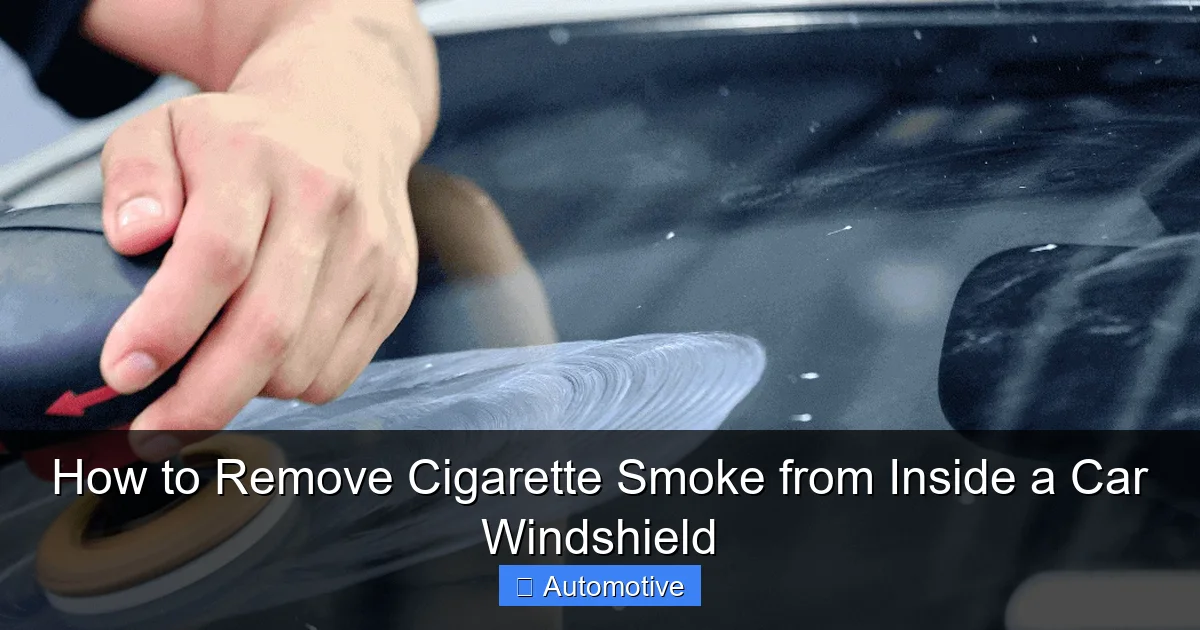
Now that your car is prepped, it’s time to get down to business. Cleaning a smoke-stained windshield requires a layered approach—starting with the toughest residue and finishing with a streak-free shine. Follow these steps for best results.
Step 1: Apply a Vinegar Solution
Mix equal parts white vinegar and water in a spray bottle. Vinegar is a natural acid that breaks down nicotine and tar without harsh chemicals. Shake gently to combine.
Spray the solution generously across the entire inside of the windshield. Don’t worry about overspray—vinegar is safe for most interior surfaces. Let it sit for 3–5 minutes. This dwell time allows the acid to penetrate the oily film.
Step 2: Scrub with a Microfiber Cloth
Take a clean microfiber cloth and wipe the windshield in circular motions. Start from the top and work your way down. Microfiber is ideal because it lifts dirt without scratching and absorbs liquid efficiently.
For stubborn spots—like where the rearview mirror mounts or along the edges—use a soft-bristle brush or an old toothbrush dipped in the vinegar solution. Gently scrub these areas to dislodge hardened residue.
Step 3: Use a Baking Soda Paste for Tough Stains
If you notice yellow or brown discoloration, especially near the top of the windshield, mix baking soda with a few drops of water to form a thick paste. Apply the paste directly to the stained areas using your fingers or a cloth.
Let it sit for 5–10 minutes. Baking soda is mildly abrasive and helps lift deep-set stains. Afterward, wipe it away with a damp microfiber cloth. You may need to repeat this step for heavily affected areas.
Step 4: Rinse and Wipe Again
Spray the windshield with clean water to rinse off any remaining vinegar or baking soda residue. Use a second microfiber cloth to wipe it down. This step prevents streaks and ensures no cleaning agents are left behind.
Step 5: Apply Rubbing Alcohol for Final Degreasing
Pour a small amount of rubbing alcohol onto a fresh microfiber cloth. Wipe the entire windshield again, focusing on areas that still feel sticky or look hazy. Alcohol evaporates quickly and cuts through any remaining grease.
Step 6: Polish with Glass Cleaner (Optional)
For a professional finish, use a high-quality glass cleaner and a final microfiber cloth. Spray lightly and wipe in a zigzag pattern to avoid streaks. This step gives your windshield a crystal-clear shine.
Step 7: Clean Surrounding Surfaces
Don’t stop at the glass. Wipe down the dashboard, steering wheel, and door panels with a vinegar-water solution. Smoke clings to these areas too, and cleaning them helps eliminate lingering odors.
After completing these steps, close the car and let it sit for 30 minutes. Then open the doors again to air it out. You should notice a significant improvement in both clarity and smell.
Natural vs. Commercial Cleaners: Which Works Best?
Visual guide about How to Remove Cigarette Smoke from Inside a Car Windshield
Image source: hammerrestoration.com
When it comes to removing cigarette smoke from your car windshield, you have two main options: natural DIY solutions or commercial cleaning products. Both can be effective, but they differ in cost, safety, and environmental impact.
Natural cleaners like vinegar, baking soda, and lemon juice are affordable, non-toxic, and easy to find. Vinegar, in particular, is a powerhouse for breaking down smoke residue. Its acetic acid content dissolves tar and neutralizes odors without leaving harmful fumes. Baking soda adds mild abrasion, helping to scrub away stains, while lemon juice offers a fresh scent and natural bleaching properties.
These ingredients are also safe for most interior surfaces. Unlike harsh chemicals, they won’t damage plastics, rubber seals, or electronic components. Plus, they’re eco-friendly and safe to use around pets and children.
On the other hand, commercial glass cleaners are formulated specifically for automotive use. Many contain ammonia or alcohol, which evaporate quickly and leave a streak-free finish. Some premium products even include odor-neutralizing agents designed to combat smoke smells.
However, not all commercial cleaners are created equal. Cheap sprays may contain alcohols that dry out rubber seals or leave a sticky residue. Ammonia-based cleaners can be harsh on tinted windows and may release strong fumes, especially in enclosed spaces.
So, which should you choose?
For light to moderate smoke residue, natural cleaners are often sufficient and more cost-effective. A vinegar-water solution can handle most jobs, especially when combined with elbow grease.
For heavy buildup or persistent odors, a commercial cleaner with odor-eliminating technology might be necessary. Look for products labeled “smoke odor remover” or “deep-cleaning glass cleaner.” Brands like Invisible Glass, Stoner, or Meguiar’s offer reliable options.
That said, you don’t have to choose just one. Many people use a hybrid approach: start with vinegar to break down the residue, then finish with a commercial cleaner for shine. This combines the strength of natural acids with the polish of professional formulas.
Ultimately, the best cleaner is the one that works for your situation. If you’re sensitive to chemicals or prefer eco-friendly solutions, go natural. If you want speed and convenience, a trusted commercial product may be the way to go.
Eliminating Lingering Odors from the Entire Interior
Cleaning the windshield is only part of the battle. Cigarette smoke doesn’t just live on glass—it permeates every fabric, vent, and crevice in your car. To truly remove the smell, you need a full interior detox.
Deep Clean Carpets and Upholstery
Start by vacuuming all seats, floor mats, and carpets thoroughly. Use an upholstery attachment to get into seams and folds. If your seats are fabric, sprinkle baking soda liberally over them. Let it sit for at least an hour—overnight is even better. Baking soda absorbs odors naturally. Vacuum it up afterward.
For leather seats, wipe them down with a mixture of water and mild dish soap. Avoid soaking the leather. Follow up with a leather conditioner to prevent drying.
Clean Air Vents and Ducts
Smoke particles settle in the HVAC system, causing odors to recirculate every time you turn on the fan. Use a can of compressed air to blow out loose debris from the vents. Then, spray a mixture of water and white vinegar into the vents using a spray bottle with a narrow nozzle. Let it drip into the ducts—this helps neutralize odors at the source.
For a deeper clean, consider using an HVAC cleaner spray designed for cars. These products are sprayed into the intake vent (usually near the windshield wipers) and circulate through the system.
Use Activated Charcoal or Odor Absorbers
Place activated charcoal bags or odor-absorbing gels in your car. These products work 24/7 to trap smoke molecules and other pollutants. Leave them in place for several days or weeks, depending on the severity of the smell.
Avoid masking odors with air fresheners. While they may smell nice temporarily, they don’t eliminate the source. In fact, combining synthetic fragrances with smoke residue can create an even worse chemical smell.
Replace the Cabin Air Filter
The cabin air filter traps dust, pollen, and smoke particles. If it’s old or clogged, it can’t do its job effectively. Check your owner’s manual for the location and replacement schedule. A new filter can dramatically improve air quality and reduce odors.
Run the Air Conditioner on Recirculate
After cleaning, run your AC on recirculate mode for 15–20 minutes with the fan on high. This helps circulate clean air and flush out any remaining odors. Open the windows afterward to let fresh air in.
Preventing Future Smoke Buildup
Once your car is clean and fresh, the last thing you want is for the smoke smell to return. Prevention is far easier than repeated deep cleans. Here’s how to keep your car smoke-free.
Establish a No-Smoking Policy
The most effective prevention method is simple: no smoking inside the car. Make it a rule for all passengers. If you’re the smoker, consider stepping outside or using a portable ashtray.
Use Air Purifiers
Install a car air purifier with a HEPA filter and activated carbon. These devices continuously clean the air, removing smoke particles and odors. Some models plug into the cigarette lighter and run quietly in the background.
Keep Windows Cracked When Parked
Even a small gap in the window allows air to circulate, preventing moisture and odor buildup. This is especially helpful in humid climates.
Regular Maintenance Cleaning
Wipe down the windshield and dashboard weekly with a vinegar-water solution. This prevents residue from building up and makes deep cleans less frequent.
Use Seat Covers and Floor Mats
Protective covers are easier to clean than original upholstery. If smoke does get on them, you can remove and wash them without damaging your car’s interior.
By combining these habits, you can enjoy a clean, fresh-smelling car for years to come.
When to Call a Professional Detailer
Sometimes, no matter how hard you try, the smoke smell just won’t go away. That’s when it’s time to call in the pros.
Professional detailers have access to industrial-grade equipment and solutions that go beyond what’s available to consumers. They use ozone generators, which produce ozone molecules that break down odor-causing compounds at a molecular level. This process can eliminate even the most stubborn smoke smells.
They also perform steam cleaning, which uses high-temperature steam to sanitize and deodorize fabrics, vents, and hard surfaces. The heat penetrates deep into materials, lifting out embedded residue.
If your car has leather seats, a detailer can apply specialized conditioners that restore moisture and remove smoke stains. They may also use UV light treatments to detect and clean hidden residue.
While professional detailing can be expensive—typically $150–$400 depending on the service—it’s often worth it for severe cases. Plus, many detailers offer warranties on their odor removal services.
Before booking, ask about their experience with smoke removal and request before-and-after photos. A reputable detailer will be transparent about their methods and expected results.
Conclusion
Removing cigarette smoke from inside a car windshield is a multi-step process that requires patience, the right tools, and a thorough approach. It’s not just about making the glass look clean—it’s about eliminating the invisible residue and odors that affect your driving experience.
Start by airing out your car and gathering your supplies. Use natural cleaners like vinegar and baking soda to break down tough residue, then follow up with rubbing alcohol and a quality glass cleaner for a streak-free finish. Don’t forget to clean surrounding surfaces, vents, and fabrics to tackle the odor at its source.
Prevention is key to avoiding future buildup. Establish no-smoking rules, use air purifiers, and maintain regular cleaning habits. And if DIY methods fall short, don’t hesitate to seek professional help.
With these tips, you can restore your car’s interior to a fresh, clean state—making every drive more enjoyable and your vehicle more valuable. Whether you’re preparing to sell your car or just want a healthier environment, tackling cigarette smoke is a worthwhile investment.
Frequently Asked Questions
Can I use Windex to remove cigarette smoke from my windshield?
Windex and similar ammonia-based cleaners can help with light residue, but they often aren’t strong enough for heavy smoke buildup. They may also leave streaks or fail to eliminate odors. For best results, use a vinegar solution first, then finish with Windex for shine.
How long does it take for smoke smell to leave a car?
With proper cleaning, most odors can be reduced within a few days. However, deeply embedded smells may take weeks to fully disappear, especially if the HVAC system or upholstery is affected. Consistent cleaning and ventilation speed up the process.
Will vinegar damage my car’s interior?
Diluted vinegar is generally safe for most interior surfaces, including plastic, glass, and rubber. Avoid using it on untreated leather or sensitive electronics. Always test on a small area first and rinse thoroughly.
Can I use lemon juice instead of vinegar?
Yes, lemon juice has natural acidity and deodorizing properties. Mix it with water (1:1 ratio) and use it the same way as vinegar. It also leaves a fresh scent, but may be less effective on heavy tar buildup.
Do air fresheners really remove smoke smell?
No, air fresheners only mask odors temporarily. They don’t eliminate the source of the smell. For long-term results, you need to clean the residue and use odor absorbers like activated charcoal.
Is it safe to use an ozone generator in my car?
Ozone generators can be effective but must be used with caution. They should only be operated in unoccupied vehicles and for limited times. Overuse can damage rubber and plastic components. Always follow manufacturer instructions and ventilate the car thoroughly afterward.