How to Put Freon in a Kia Forte

Contents
- 1 Key Takeaways
- 2 📑 Table of Contents
- 3 Introduction: Why Your Kia Forte Needs Freon
- 4 Understanding Your Kia Forte’s AC System
- 5 Signs Your Kia Forte Needs a Freon Recharge
- 6 Tools and Materials You’ll Need
- 7 Step-by-Step Guide: How to Put Freon in a Kia Forte
- 8 Safety Precautions and Common Mistakes to Avoid
- 9 When to Call a Professional
- 10 Maintaining Your Kia Forte’s AC System
- 11 Conclusion: Stay Cool and Safe
- 12 Frequently Asked Questions


Recharging the AC system in your Kia Forte with Freon can restore cool air and improve comfort during hot weather. While it may seem daunting, with the right tools and knowledge, it’s a manageable DIY task—but only if done safely and correctly.
Key Takeaways
- Understand your AC system: The Kia Forte uses R-134a refrigerant (Freon), and modern models may use R-1234yf—knowing which one your car uses is critical.
- Safety first: Always wear safety goggles and gloves when handling refrigerant, and work in a well-ventilated area to avoid inhalation risks.
- Use the right tools: A recharge kit with a pressure gauge, hose, and refrigerant can is essential for accurate and safe Freon installation.
- Check for leaks first: Adding Freon won’t fix a leak. Inspect hoses, seals, and the compressor before recharging.
- Follow proper procedure: Connect the recharge kit to the low-pressure port, monitor pressure levels, and avoid overcharging the system.
- Know when to call a pro: If the system won’t hold pressure or the compressor fails, professional diagnosis and repair are necessary.
- Environmental responsibility: Never release refrigerant into the atmosphere—it’s illegal and harmful to the environment.
📑 Table of Contents
- Introduction: Why Your Kia Forte Needs Freon
- Understanding Your Kia Forte’s AC System
- Signs Your Kia Forte Needs a Freon Recharge
- Tools and Materials You’ll Need
- Step-by-Step Guide: How to Put Freon in a Kia Forte
- Safety Precautions and Common Mistakes to Avoid
- When to Call a Professional
- Maintaining Your Kia Forte’s AC System
- Conclusion: Stay Cool and Safe
Introduction: Why Your Kia Forte Needs Freon
There’s nothing worse than climbing into your Kia Forte on a sweltering summer day, turning on the AC, and being met with warm, stale air. If your car’s air conditioning isn’t blowing cold, one of the most common culprits is low refrigerant—commonly referred to as Freon. While the term “Freon” is often used generically, it technically refers to a brand of refrigerant, and today’s vehicles, including the Kia Forte, typically use R-134a or the newer R-1234yf.
Recharging your AC system with the correct refrigerant can restore cooling performance and make your drives much more comfortable. However, it’s not as simple as just spraying a can into a port. Doing it wrong can damage your AC system, harm the environment, or even put your safety at risk. That’s why understanding how to put Freon in a Kia Forte the right way is essential. This guide will walk you through everything you need to know—from identifying the problem to completing the recharge safely and effectively.
Understanding Your Kia Forte’s AC System
Before you even think about adding refrigerant, it’s important to understand how your Kia Forte’s air conditioning system works. The AC system is a closed loop that circulates refrigerant to absorb heat from inside the cabin and release it outside. This process relies on several key components: the compressor, condenser, expansion valve, evaporator, and refrigerant lines.
Visual guide about How to Put Freon in a Kia Forte
Image source: i.ytimg.com
Types of Refrigerant Used in Kia Forte
Most Kia Forte models manufactured between 2004 and 2020 use R-134a refrigerant, which is the standard for many vehicles of that era. However, starting around 2021, Kia began transitioning to R-1234yf, a more environmentally friendly refrigerant with a lower global warming potential. Using the wrong type can damage your system or void your warranty.
To confirm which refrigerant your Forte uses, check the under-hood label near the radiator or compressor. It will specify the type and the recommended charge amount (usually in ounces or grams). You can also consult your owner’s manual or look up your vehicle’s specifications online using the VIN.
How the AC System Works
The compressor pressurizes the refrigerant, turning it into a hot gas. This gas travels to the condenser (located in front of the radiator), where it cools down and becomes a liquid. The liquid refrigerant then passes through the expansion valve, which reduces its pressure and temperature. As it enters the evaporator inside the dashboard, it absorbs heat from the cabin air, cooling it before the blower fan pushes the cool air into the interior.
If any part of this cycle is disrupted—especially low refrigerant levels—the system can’t cool effectively. That’s why recharging with Freon is often the first step in restoring AC performance.
Signs Your Kia Forte Needs a Freon Recharge
Not every AC problem is due to low refrigerant, but there are clear signs that indicate your Kia Forte might be low on Freon. Recognizing these symptoms early can help you address the issue before it worsens.
Visual guide about How to Put Freon in a Kia Forte
Image source: d2n97g4vasjwsk.cloudfront.net
Warm Air Blowing from Vents
The most obvious sign is when the AC blows warm or lukewarm air instead of cold. If you’ve set the temperature to the coldest setting and still feel heat, low refrigerant could be the cause. However, this symptom can also result from a faulty compressor, clogged condenser, or electrical issues, so it’s not definitive on its own.
Reduced Airflow
If the air coming from the vents is weak, it might indicate a problem with the blower motor or cabin air filter. But if the airflow is normal and the air is just not cold, low Freon is a likely suspect.
Hissing or Bubbling Sounds
Unusual noises from under the hood, especially a hissing or bubbling sound when the AC is running, can signal a refrigerant leak. Leaks often occur at connection points, O-rings, or damaged hoses.
AC Compressor Clutch Not Engaging
The compressor clutch should engage (you’ll hear a click) when you turn on the AC. If it doesn’t, it could be due to low pressure in the system—a safety feature that prevents the compressor from running without enough refrigerant.
Visible Oil Stains or Frost
Check around the AC lines and compressor for oily residue or frost buildup. These are common signs of a refrigerant leak. Oil is mixed with the refrigerant to lubricate the compressor, so leaks often leave behind a greasy trail.
Tools and Materials You’ll Need
Recharging your Kia Forte’s AC system isn’t a complicated job, but it does require the right tools and materials. Here’s what you’ll need to get started:
Visual guide about How to Put Freon in a Kia Forte
Image source: i.ytimg.com
Refrigerant Can and Recharge Kit
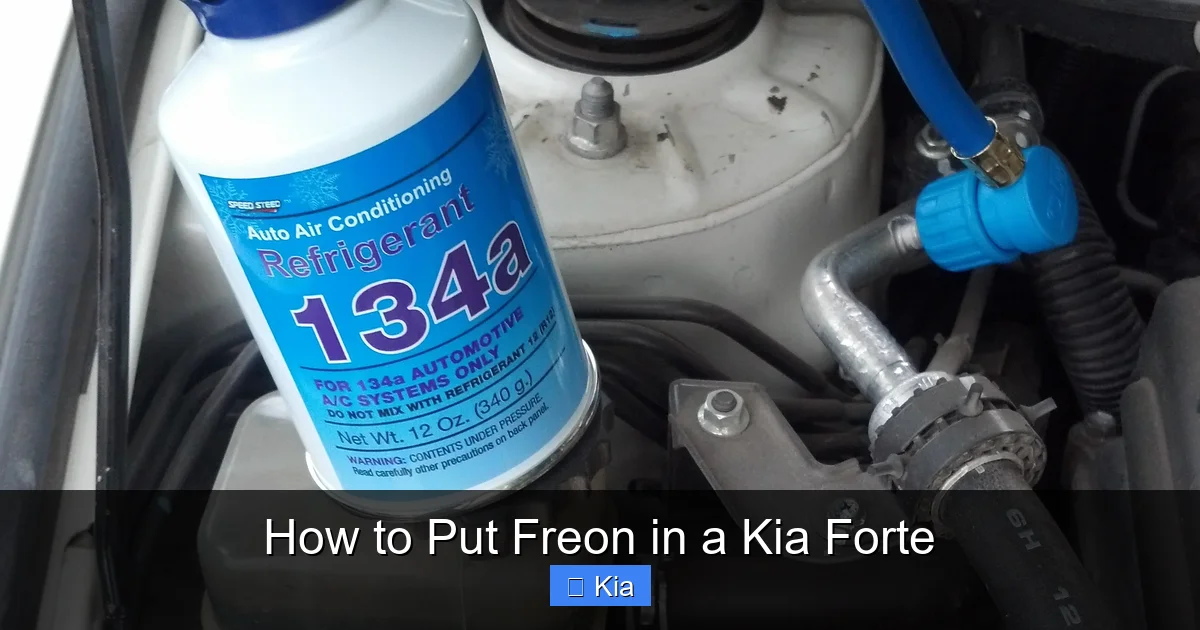
You’ll need a recharge kit that includes a can of the correct refrigerant (R-134a or R-1234yf), a hose with a pressure gauge, and a trigger dispenser. These kits are widely available at auto parts stores and online. Make sure the kit is compatible with your refrigerant type—R-1234yf requires special equipment and is generally not recommended for DIY use due to higher pressure and cost.
Safety Gear
Always wear safety goggles and nitrile gloves when handling refrigerant. The liquid can cause frostbite on contact with skin, and inhaling the fumes can be harmful. Work in a well-ventilated area, preferably outdoors or in a garage with the door open.
Owner’s Manual and VIN Info
Your owner’s manual will provide the recommended refrigerant type and charge amount. If you don’t have the manual, you can usually find it online by searching your VIN. This information is crucial to avoid overcharging.
Leak Detection Kit (Optional but Recommended)
A UV dye kit or electronic leak detector can help you find small leaks before recharging. Adding Freon to a leaking system is a temporary fix—the refrigerant will just escape again.
Basic Hand Tools
You may need a wrench or socket set to access the low-pressure service port, though most recharge kits connect directly without tools.
Step-by-Step Guide: How to Put Freon in a Kia Forte
Now that you’re prepared, let’s walk through the process of safely recharging your Kia Forte’s AC system with Freon. Follow these steps carefully to avoid damage or injury.
Step 1: Park and Prepare Your Vehicle
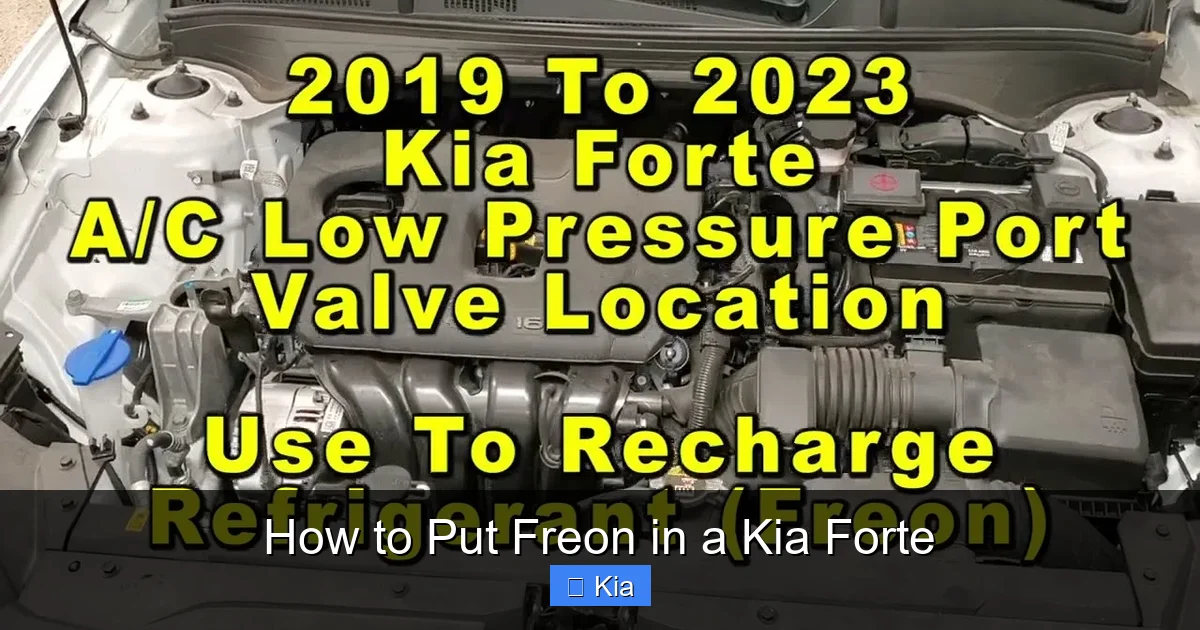
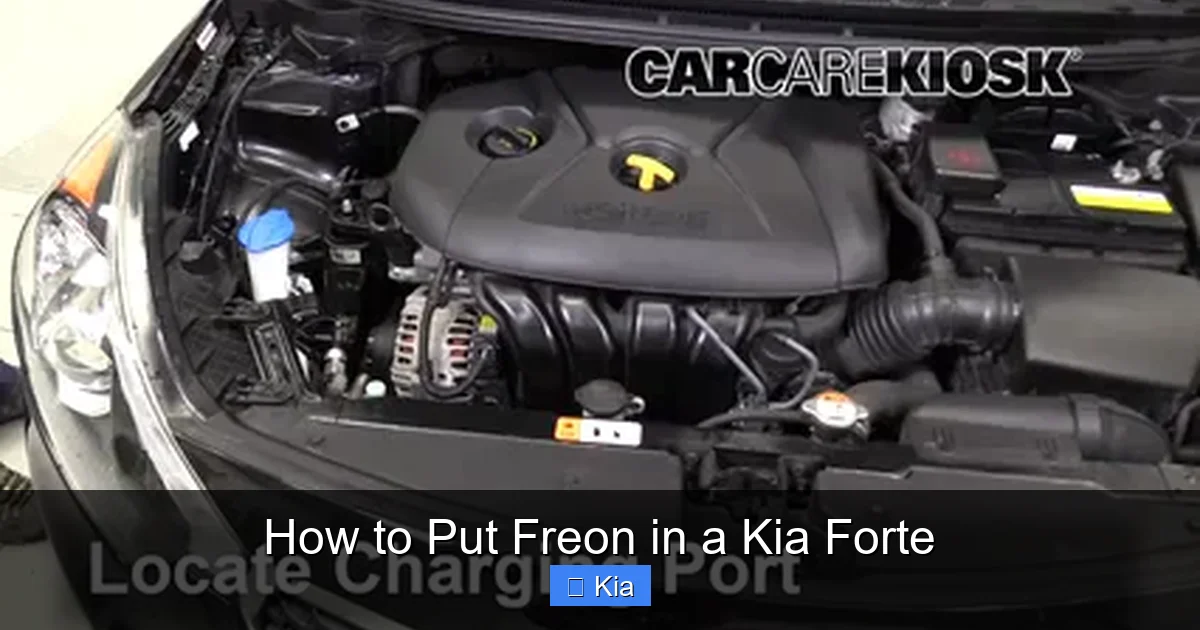
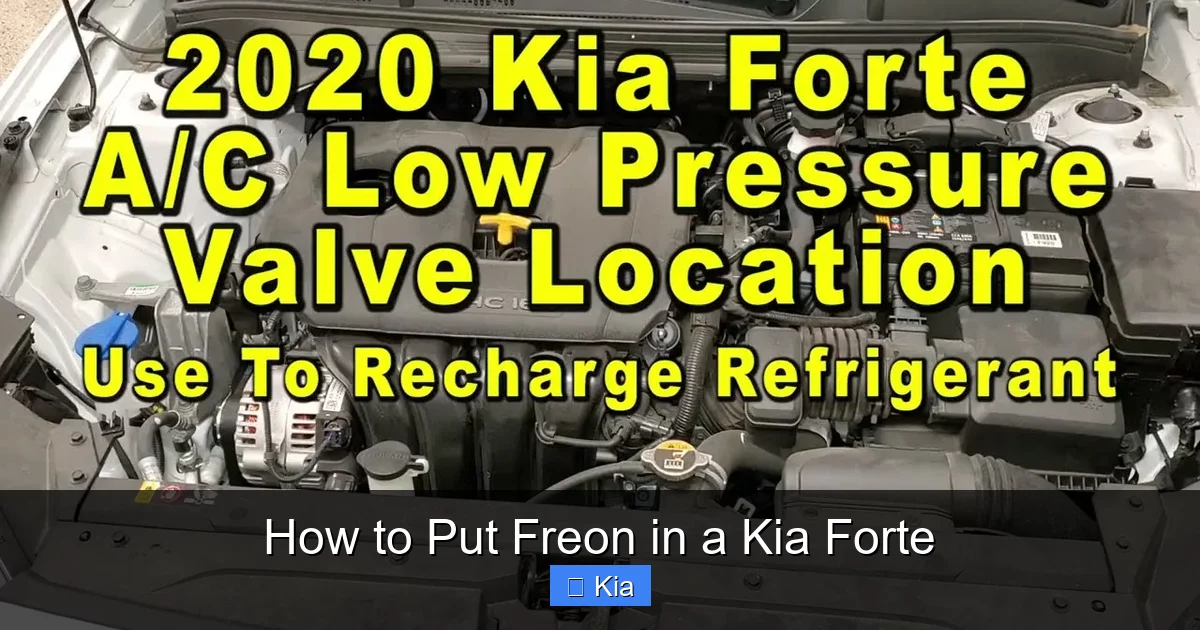
Park your Kia Forte on a level surface and turn off the engine. Let the car sit for at least 15–20 minutes to allow the AC system to stabilize. This ensures accurate pressure readings. Open the hood and locate the low-pressure service port—it’s usually on the larger aluminum AC line near the firewall, labeled “L” or “LOW.”
Step 2: Identify the Correct Port
Never connect to the high-pressure port (marked “H” or “HIGH”)—it’s under much greater pressure and can be dangerous. The low-pressure port is the only one you should use for recharging. It typically has a blue or black cap.
Step 3: Attach the Recharge Kit
Remove the cap from the low-pressure port. Attach the hose from your recharge kit to the port. Make sure it clicks into place securely. The kit’s pressure gauge will show the current system pressure.
Step 4: Start the Engine and Turn On the AC
Start your Kia Forte and set the AC to the coldest setting with the fan on high. This allows the compressor to cycle and draw in refrigerant. Let it run for a few minutes to stabilize.
Step 5: Monitor the Pressure Gauge
Check the pressure reading on the gauge. For R-134a systems, the ideal low-side pressure is typically between 25 and 45 psi when the ambient temperature is around 70–80°F. If the pressure is below 25 psi, your system is low and needs refrigerant.
Step 6: Begin Recharging
Shake the refrigerant can well and attach it to the recharge hose. Open the valve on the can slowly and allow refrigerant to flow into the system. Keep the can upright to avoid releasing liquid refrigerant, which can damage the compressor.
Step 7: Watch the Gauge and Listen
As you add refrigerant, monitor the pressure gauge. Stop adding when the pressure reaches the recommended range. You should also notice the air from the vents getting colder. If the compressor clutch wasn’t engaging before, it should now click on.
Step 8: Disconnect and Test
Once the system is charged, close the valve on the can and disconnect the hose from the low-pressure port. Replace the cap. Let the AC run for a few more minutes to ensure it’s cooling properly. Take a short drive to test performance under real conditions.
Step 9: Dispose of the Can Properly
Never puncture or incinerate refrigerant cans. Most auto parts stores accept empty cans for recycling. Some may even offer a discount on your next purchase if you return the used can.
Safety Precautions and Common Mistakes to Avoid
While recharging your AC is generally safe when done correctly, there are several risks and mistakes to be aware of.
Avoid Overcharging
Adding too much refrigerant can cause high pressure in the system, leading to compressor failure or blown seals. Always follow the recommended charge amount and monitor the gauge closely.
Don’t Ignore Leaks
If your system loses refrigerant quickly after recharging, there’s likely a leak. Continuing to add Freon without fixing the leak is wasteful and harmful to the environment. Use a leak detection kit or consult a mechanic.
Never Use the Wrong Refrigerant
Mixing R-134a and R-1234yf can damage your AC system and is illegal in many areas. Always verify the correct type before purchasing refrigerant.
Don’t Work in Confined Spaces
Refrigerant fumes can displace oxygen in enclosed areas. Always work in a well-ventilated space to avoid dizziness or asphyxiation.
Avoid Skin and Eye Contact
Refrigerant can cause frostbite on contact. If exposed, flush the area with water and seek medical attention if necessary.
When to Call a Professional
While DIY recharging is possible for minor top-offs, some situations require a certified technician.
Persistent Low Pressure After Recharge
If the system loses pressure again within days or weeks, there’s likely a significant leak or a failing component like the compressor or expansion valve.
Compressor Not Engaging
If the compressor clutch still won’t engage after recharging, there may be an electrical issue, a bad relay, or a faulty pressure switch.
Strange Noises or Odors
Grinding, squealing, or burning smells from the AC system indicate mechanical problems that need professional diagnosis.
R-1234yf Systems
Due to higher pressure and specialized equipment requirements, R-1234yf recharges are best left to professionals. Attempting a DIY recharge can be dangerous and may void your warranty.
Maintaining Your Kia Forte’s AC System
To keep your AC running efficiently and reduce the need for future recharges, follow these maintenance tips:
Run the AC Regularly
Even in winter, run your AC for 10–15 minutes every few weeks. This keeps the seals lubricated and prevents leaks.
Replace the Cabin Air Filter
A dirty cabin air filter restricts airflow and reduces cooling efficiency. Replace it every 12,000 to 15,000 miles or as recommended in your owner’s manual.
Inspect for Leaks Annually
Have a technician inspect your AC system during routine maintenance. Early detection of leaks can save you money and prevent major repairs.
Keep the Condenser Clean
Debris like leaves and dirt can block airflow through the condenser. Gently clean it with a garden hose to maintain proper cooling.
Conclusion: Stay Cool and Safe
Knowing how to put Freon in a Kia Forte can save you time and money, especially during hot summer months. With the right tools, safety precautions, and a clear understanding of your AC system, a DIY recharge is a feasible task for many owners. However, always remember that refrigerant is a regulated substance, and improper handling can have serious consequences.
If you’re unsure at any point—especially with newer R-1234yf systems—don’t hesitate to consult a professional. A properly functioning AC system not only keeps you comfortable but also ensures your safety by maintaining clear visibility and reducing driver fatigue. Stay cool, stay safe, and enjoy the ride in your Kia Forte.
Frequently Asked Questions
Can I put Freon in my Kia Forte myself?
Yes, you can recharge your Kia Forte’s AC system yourself if it uses R-134a refrigerant and you follow proper safety procedures. However, R-1234yf systems require specialized equipment and are best handled by professionals.
How much does it cost to recharge Freon in a Kia Forte?
A DIY recharge kit costs between $30 and $60, while a professional service typically charges $100 to $200, depending on labor and refrigerant type.
How often should I recharge the AC in my Kia Forte?
AC systems are sealed and should not need regular recharging. If you’re frequently low on refrigerant, there’s likely a leak that needs repair.
What happens if I overcharge my AC with Freon?
Overcharging can cause high pressure, leading to compressor failure, blown seals, or damage to other components. Always monitor the pressure gauge and follow recommended charge levels.
Is it illegal to release Freon into the air?
Yes, releasing refrigerant into the atmosphere is illegal in most countries, including the U.S., due to environmental regulations. Always use proper recovery equipment or recycle cans responsibly.
Why is my AC still not cold after adding Freon?
If the AC still doesn’t blow cold after recharging, there may be a leak, a faulty compressor, a clogged condenser, or an electrical issue. A professional diagnosis is recommended.