
How to Prevent a Car from Overheating in Summer

Summer heat can push your car’s cooling system to its limits, making overheating a real risk. By following simple maintenance steps and driving smart, you can keep your engine cool and avoid breakdowns.
Key Takeaways
- Check coolant levels regularly: Low or old coolant is a top cause of overheating—inspect and top off as needed.
- Inspect hoses and belts for wear: Cracked or loose components can lead to coolant leaks or fan failure.
- Keep the radiator clean: Debris, bugs, and dirt block airflow—clean it gently to maintain proper cooling.
- Monitor the temperature gauge: Stay alert for rising temps and act quickly if the needle climbs.
- Avoid idling in extreme heat: Prolonged idling strains the cooling system—use A/C wisely and take breaks.
- Use the right coolant mix: A 50/50 antifreeze and water blend works best in most climates.
- Know what to do if overheating occurs: Pull over safely, turn off the engine, and let it cool before checking coolant.
📑 Table of Contents
- Why Summer Puts Your Car at Risk of Overheating
- Understand How Your Car’s Cooling System Works
- Check and Maintain Coolant Levels Regularly
- Inspect Hoses, Belts, and the Radiator for Damage
- Monitor the Temperature Gauge and Know the Warning Signs
- Drive Smart to Reduce Engine Stress in Hot Weather
- Prepare Your Car for Summer with a Pre-Season Checkup
- What to Do If Your Car Overheats
- Conclusion
Why Summer Puts Your Car at Risk of Overheating
Summer isn’t just tough on people—it’s tough on cars too. When temperatures soar, your vehicle’s engine works harder to keep cool, and the cooling system becomes your first line of defense. But if that system isn’t in top shape, even a short drive can turn into a stressful, steam-filled ordeal. Overheating doesn’t just mean an inconvenient stop on the side of the road—it can lead to serious engine damage, costly repairs, and even safety hazards.
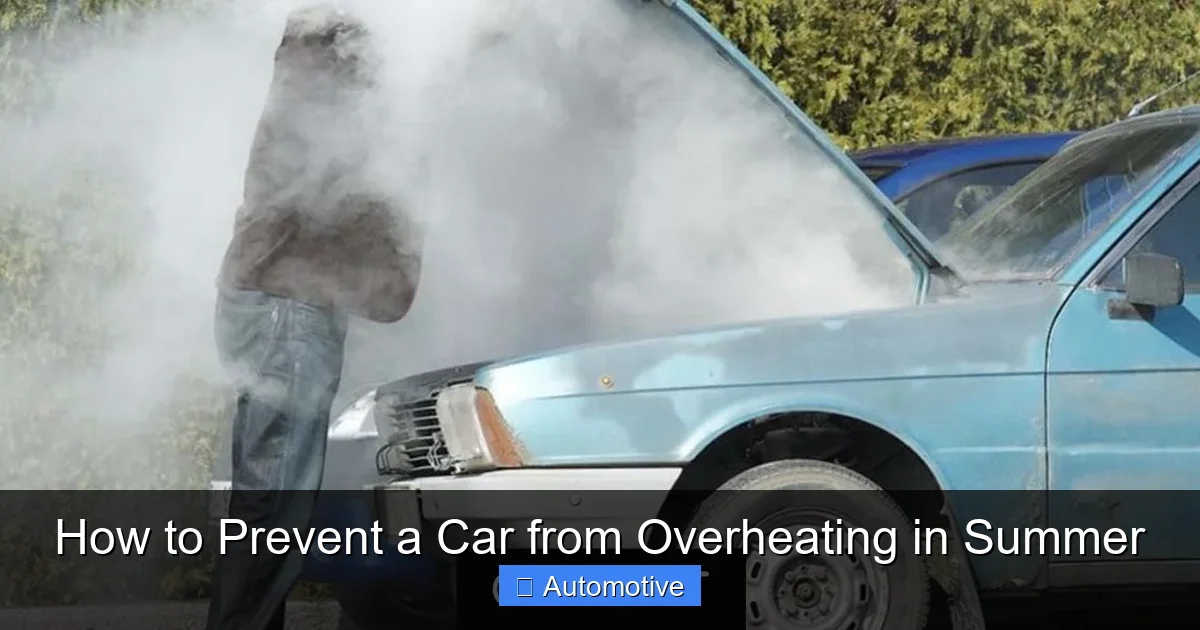
The engine in your car generates a tremendous amount of heat during operation. Under normal conditions, the cooling system—made up of the radiator, water pump, thermostat, coolant, hoses, and fan—keeps everything running at a safe temperature. But in summer, high ambient temperatures, stop-and-go traffic, and increased use of air conditioning all add extra strain. When the cooling system can’t keep up, the engine temperature rises rapidly. Without quick action, this can warp engine components, blow head gaskets, or even cause the engine to seize.
Many drivers don’t realize that overheating often starts small. A minor coolant leak, a worn hose, or a clogged radiator might not seem like a big deal—until you’re stuck in traffic on a 100°F day. That’s why prevention is so important. By understanding how your cooling system works and staying ahead of potential issues, you can keep your car running smoothly all summer long. Think of it like preparing for a marathon: you wouldn’t show up without training, and your car shouldn’t hit the road without a cooling system check.
Understand How Your Car’s Cooling System Works
Visual guide about How to Prevent a Car from Overheating in Summer
Image source: carput.my
Before diving into prevention tips, it helps to know how your car stays cool. The cooling system is a closed loop that circulates coolant—a mix of antifreeze and water—through the engine and radiator. As the engine runs, it heats up, and the coolant absorbs that heat. The hot coolant then flows to the radiator, where air passing through (either from driving or the radiator fan) cools it down. The cooled liquid returns to the engine to repeat the cycle.
Several key components make this possible. The water pump pushes coolant through the system. The thermostat regulates flow, opening when the engine reaches operating temperature. The radiator dissipates heat, and the cooling fan kicks in when needed, especially at low speeds or idle. Hoses connect everything, and the radiator cap maintains pressure, which raises the coolant’s boiling point.
When any part of this system fails, overheating can happen fast. For example, a stuck thermostat might block coolant flow, or a broken water pump could stop circulation entirely. Even a small leak can drop coolant levels enough to cause problems. In summer, when the system is already under stress, these issues become more dangerous.
Knowing how your cooling system works also helps you spot trouble early. If you notice coolant leaks (often green, orange, or pink puddles under your car), steam from the engine, or a sweet smell, it’s time to investigate. These signs often appear before the temperature gauge spikes, giving you a chance to fix the issue before it becomes serious.
Check and Maintain Coolant Levels Regularly

Visual guide about How to Prevent a Car from Overheating in Summer
Image source: wefixcar.ae
One of the simplest and most effective ways to prevent a car from overheating is to keep an eye on your coolant levels. Coolant, also known as antifreeze, is the lifeblood of your cooling system. Without enough of it, your engine can’t shed heat properly, and temperatures rise quickly.
Start by checking the coolant reservoir, usually a translucent plastic tank near the radiator. Most have “MIN” and “MAX” markings. When the engine is cool, the level should be between these lines. If it’s low, top it off with the correct type of coolant—check your owner’s manual for the recommended blend. Most modern cars use a 50/50 mix of antifreeze and distilled water, but some require pre-mixed coolant.
Don’t just pour in any coolant you find. Mixing different types (like green and orange) can cause chemical reactions that clog the system. If you’re unsure, stick with the manufacturer’s recommendation or use a universal coolant labeled as safe for all vehicles.
It’s also important to inspect the coolant itself. Healthy coolant is bright and translucent—green, orange, pink, or blue, depending on the type. If it looks muddy, rusty, or has floating particles, it’s time for a flush. Old coolant loses its protective properties and can corrode internal components.
Flushing the cooling system every 30,000 to 50,000 miles (or as recommended in your manual) removes built-up sludge and refreshes the fluid. While you can do this yourself with a radiator flush kit, many drivers prefer to have it done by a mechanic to ensure it’s thorough.
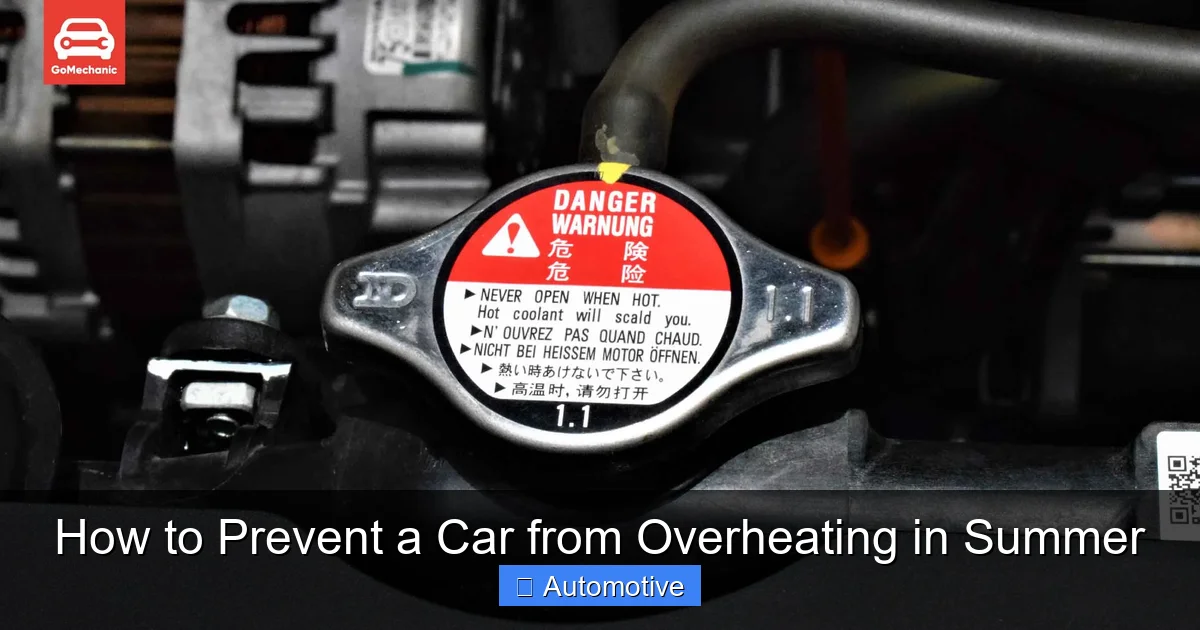
A quick tip: always check coolant when the engine is cool. Opening the radiator cap on a hot engine can release pressurized steam and cause serious burns. If you need to add coolant after driving, wait at least 30 minutes for the engine to cool down.
Inspect Hoses, Belts, and the Radiator for Damage
Visual guide about How to Prevent a Car from Overheating in Summer
Image source: gomechanic.in
Your cooling system relies on a network of hoses and belts to function. Over time, these components wear out, especially in the heat. A cracked hose or a loose belt might not seem urgent, but it can lead to a sudden breakdown—especially in summer.
Start with the hoses. Look for cracks, bulges, soft spots, or leaks around the connections. Squeeze them gently—healthy hoses should feel firm but flexible. If they’re brittle or spongy, they’re due for replacement. Pay special attention to the upper and lower radiator hoses, as they carry hot coolant and are under constant pressure.
Belts, particularly the serpentine belt, drive the water pump and cooling fan. A worn or frayed belt can slip or break, shutting down critical systems. Listen for squealing noises, especially when starting the car or using the A/C. If the belt looks shiny, cracked, or missing pieces, replace it soon.
The radiator itself also needs attention. It’s designed to let air flow through its fins to cool the coolant, but over time, it can get clogged with bugs, dirt, leaves, and road grime. A blocked radiator can’t dissipate heat effectively, leading to overheating.
To clean it, use a soft brush or compressed air to gently remove debris from the front. Avoid using high-pressure water, which can bend the delicate fins. If the radiator is severely clogged or has visible damage (like bent fins or leaks), consider having it professionally cleaned or replaced.
Don’t forget the radiator cap. It’s a small but vital part that maintains system pressure. A faulty cap can’t hold pressure, lowering the coolant’s boiling point and increasing the risk of overheating. Replace it every few years or if it shows signs of wear.
Regular inspections—say, every oil change or before a long summer trip—can catch these issues early. A 10-minute visual check could save you from a costly repair or a stranded car.
Monitor the Temperature Gauge and Know the Warning Signs
Your car’s dashboard is your first warning system. The temperature gauge shows how hot the engine is running. In most vehicles, the needle should stay in the middle or slightly below when the engine is warm. If it starts creeping toward the red zone, take action immediately.
But don’t wait for the gauge to spike. Learn the early signs of overheating. These include:
– Steam or smoke coming from under the hood
– A sweet, syrupy smell (from leaking coolant)
– The A/C blowing warm air
– Reduced engine performance or knocking sounds
– The check engine or temperature warning light coming on
If you notice any of these, pull over safely as soon as possible. Turn off the engine and let it cool for at least 30 minutes. Never open the radiator cap while the engine is hot—pressurized coolant can spray out and cause severe burns.
While waiting, you can turn on the heater to full blast. This draws heat away from the engine and into the cabin, helping to cool things down slightly. It’s uncomfortable, but it can buy you a few extra minutes.
Once the engine is cool, check the coolant level. If it’s low, add the correct type slowly. If you’re on the road and don’t have coolant, use distilled water in a pinch—but replace it with proper coolant as soon as possible.
If the temperature gauge stays high even after adding coolant, or if you see leaks, don’t drive the car. Call for a tow. Continuing to drive with an overheating engine can cause irreversible damage.
Drive Smart to Reduce Engine Stress in Hot Weather
How you drive can make a big difference in preventing overheating. Summer driving often means more idling, traffic jams, and heavy use of the air conditioner—all of which strain the cooling system.
One of the biggest culprits is prolonged idling. When your car is stopped, the radiator fan and airflow through the radiator are reduced, making it harder to cool the engine. If you’re stuck in traffic or waiting in a parking lot, try to turn off the engine if it’s safe to do so. Even a few minutes of shutdown can help.
Using the A/C puts extra load on the engine and cooling system. While it’s tempting to blast the cold air on hot days, consider using it sparingly when the engine is already warm. At low speeds, rolling down the windows might be more efficient. At highway speeds, however, A/C is often better than open windows, which create drag.
Avoid aggressive driving. Rapid acceleration and high RPMs generate more heat. Drive smoothly, maintain a steady speed, and give your engine time to warm up gradually.
If you’re towing a trailer or carrying a heavy load, be extra cautious. Extra weight increases engine workload and heat output. Make sure your cooling system is in top condition before hauling, and take frequent breaks to let the engine cool.
Parking in the shade or using a sunshade can also help. A cooler engine bay means less heat for the cooling system to manage. If shade isn’t available, consider a reflective windshield cover to reduce interior and engine compartment temperatures.
Finally, plan your trips wisely. Avoid driving during the hottest part of the day if possible. Early morning or evening drives are not only cooler but also less likely to involve traffic jams that lead to idling.
Prepare Your Car for Summer with a Pre-Season Checkup
The best time to prevent a car from overheating is before summer even begins. A thorough pre-season checkup can catch issues before they become emergencies.
Start with a professional inspection. A mechanic can test the coolant’s freeze and boil protection, check the radiator cap’s pressure rating, and inspect the water pump for leaks or wear. They can also perform a cooling system pressure test to find hidden leaks.
While you’re at it, have the A/C system checked. A properly functioning A/C reduces the need to drive with windows down at high speeds, which can improve aerodynamics and reduce engine load.
Check the battery too. Heat accelerates battery degradation, and a weak battery can make it harder to start the car, increasing strain on the engine.
Don’t forget the tires. Underinflated tires create more rolling resistance, which generates heat and stresses the engine. Keep them properly inflated according to the manufacturer’s recommendations.
Finally, keep an emergency kit in your car. Include coolant, distilled water, a flashlight, gloves, and a first-aid kit. If you do overheat, you’ll be ready to handle it safely.
What to Do If Your Car Overheats
Even with the best prevention, overheating can still happen. Knowing how to respond can prevent further damage.
First, stay calm. Pull over to a safe location—shoulder, parking lot, or side street—and turn off the engine. Turn on your hazard lights to warn other drivers.
Do not open the hood immediately. Wait at least 30 minutes for the engine to cool. Opening it too soon can release steam and hot coolant.
Once cool, carefully open the hood and check the coolant level. If it’s low, add coolant or distilled water slowly. Replace the cap securely.
If the coolant level is fine, look for obvious leaks, loose hoses, or a broken belt. If you find a problem you can safely fix—like tightening a hose clamp—do so. Otherwise, call for roadside assistance.
Never pour cold water directly onto a hot engine. The sudden temperature change can crack engine components.
If the temperature gauge returns to normal after adding coolant, you may be able to drive carefully to a repair shop. But if it overheats again, stop driving and get help.
Conclusion
Preventing a car from overheating in summer doesn’t require advanced mechanical skills—just regular maintenance and smart driving habits. By checking coolant levels, inspecting hoses and belts, keeping the radiator clean, and monitoring the temperature gauge, you can keep your engine cool and avoid breakdowns. Remember, summer heat puts extra stress on your cooling system, so a little prevention goes a long way. Stay alert, drive wisely, and your car will thank you with reliable performance all season long.
Frequently Asked Questions
How often should I check my coolant level?
Check your coolant level at least once a month, especially during summer. Also inspect it before long trips or after noticing any leaks or temperature warnings.
Can I use water instead of coolant in an emergency?
Yes, but only as a temporary fix. Use distilled water to top off low coolant, but replace it with the proper coolant mix as soon as possible to avoid corrosion and overheating.
Why does my car overheat only in traffic?
This usually happens because the radiator fan isn’t working properly or airflow is reduced at low speeds. Check the fan, fuses, and relays, and ensure the radiator isn’t clogged.
Is it safe to drive with the temperature gauge in the red?
No. Driving with an overheating engine can cause severe damage. Pull over immediately, turn off the engine, and let it cool before assessing the issue.
How do I know if my thermostat is stuck?
If the engine takes a long time to warm up or overheats quickly, the thermostat may be stuck closed. A mechanic can test and replace it if needed.
Can a dirty air filter cause overheating?
Not directly, but a clogged air filter reduces engine efficiency and can increase heat output. Replace it regularly to support overall engine health.