How to Make Car Air Freshener to Sell
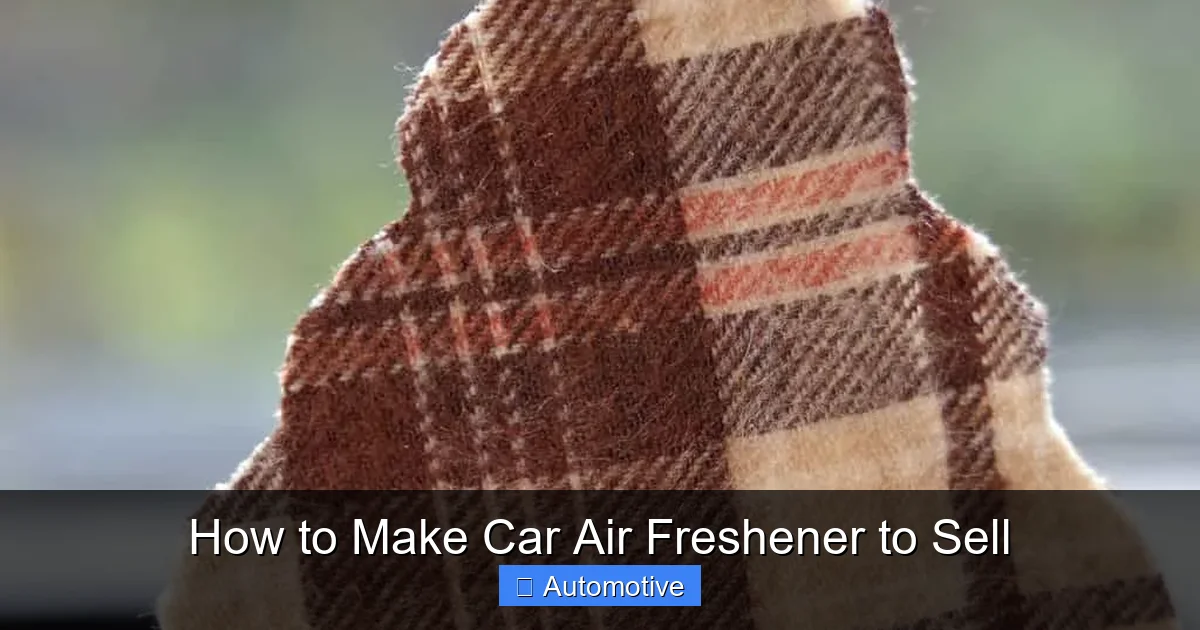
Making car air fresheners to sell is a fun, low-cost business idea with high profit potential. With simple ingredients, creative scents, and smart packaging, you can craft unique products that stand out in the automotive market.
This is a comprehensive guide about how to make car air freshener to sell.
In This Article
- 1 Key Takeaways
- 2 How to Make Car Air Freshener to Sell
- 3 Why Start a Car Air Freshener Business?
- 4 Choosing the Right Ingredients and Materials
- 5 Step-by-Step DIY Car Air Freshener Recipes
- 6 Testing and Quality Control
- 6.1 Longevity Testing
- 6.2 Safety and Allergen Checks
- 6.3 Leak and Mess Prevention Even solid fresheners can leak oil if not sealed properly. Use containers with tight lids or double-bag sachets. For hanging fresheners, make sure the felt or fabric is fully saturated but not dripping. Include a small absorbent pad in the packaging to catch any excess oil. Customer Feedback
- 7 Pricing and Profit Margins
- 8 Branding and Packaging Tips
- 9 Where and How to Sell Your Car Air Fresheners
- 10 Legal and Safety Considerations
- 11 Scaling Your Business
- 12 Conclusion
- 13 Frequently Asked Questions
- 13.1 What are the best essential oils for car air fresheners?
- 13.2 How long do homemade car air fresheners last?
- 13.3 Can I sell car air fresheners without a business license?
- 13.4 Are homemade air fresheners safe for cars?
- 13.5 How much should I charge for my car air fresheners?
- 13.6 Where can I sell my car air fresheners?
Key Takeaways
- Start with simple recipes: Use baking soda, essential oils, and fabric to create effective, natural air fresheners.
- Choose strong, long-lasting scents: Popular options include citrus, lavender, and new car smell to appeal to a wide audience.
- Invest in attractive packaging: Eye-catching labels and resealable bags help your product stand out and look professional.
- Test for longevity and safety: Ensure your fresheners last weeks and don’t damage car interiors or cause allergies.
- Price competitively: Factor in material costs, time, and market rates to set a profitable price point.
- Sell through multiple channels: Use online marketplaces, local car washes, and craft fairs to reach more customers.
- Follow labeling laws: Include ingredient lists and safety info to stay compliant and build trust.
[FEATURED_IMAGE_PLACEHOLDER]
How to Make Car Air Freshener to Sell
Have you ever walked into a car and been greeted by a crisp, clean scent that instantly lifted your mood? That’s the magic of a good car air freshener. Now imagine creating that experience for others—and getting paid for it. Making car air fresheners to sell is not only a creative outlet but also a surprisingly profitable small business idea. Whether you’re looking for a side hustle or a full-time venture, this guide will walk you through everything you need to know to start crafting and selling your own car air fresheners.
The best part? You don’t need a chemistry degree or a huge budget. With a few household items, some essential oils, and a little creativity, you can make high-quality, long-lasting air fresheners that customers will love. From choosing the right scent to packaging your product like a pro, we’ll cover all the steps to help you launch your own brand. Plus, we’ll share tips on pricing, marketing, and scaling your business so you can turn your DIY hobby into a thriving enterprise.
Why Start a Car Air Freshener Business?
The automotive aftermarket is booming, and car care products are in high demand. People spend money on keeping their vehicles clean, comfortable, and smelling fresh. According to industry reports, the global car air freshener market is expected to grow steadily over the next few years, driven by rising car ownership and consumer interest in personalization. This means there’s plenty of room for small businesses and entrepreneurs to enter the space.
What makes car air fresheners such a great product to sell? For starters, they’re inexpensive to make. Most DIY recipes cost less than $1 per unit, yet you can sell them for $5–$10 or more, depending on branding and quality. They’re also lightweight, easy to ship, and have a long shelf life—perfect for online sales. Plus, they make great impulse buys at gas stations, car washes, and auto shops.
Another advantage is the low barrier to entry. You don’t need special equipment or a commercial kitchen. A small workspace, basic supplies, and a passion for scent can get you started. And because scents are highly personal, there’s room for creativity. You can offer seasonal scents, custom blends, or even personalized labels for gifts. This flexibility allows you to stand out in a crowded market and build a loyal customer base.
Choosing the Right Ingredients and Materials
Essential Oils: The Heart of Your Scent
When it comes to making car air fresheners, essential oils are your best friend. They’re natural, concentrated, and come in a wide variety of scents. Popular choices include lemon, peppermint, eucalyptus, lavender, and tea tree oil. For a “new car” smell, try blending birch, cedarwood, and a hint of vanilla. Always use high-quality, pure essential oils—cheap imitations won’t last and may irritate sensitive noses.
Tip: Mix and match oils to create unique blends. For example, a “Morning Drive” scent could combine orange, grapefruit, and a touch of rosemary for an energizing effect. Test your blends in small batches to see how they develop over time.
Base Materials: What Holds the Scent
The base material absorbs and slowly releases the scent. Common options include baking soda, activated charcoal, or unscented clay beads. Baking soda is affordable and effective at neutralizing odors, making it a great choice for a dual-purpose freshener. Activated charcoal is even better at absorbing smells but can be messier to work with.
For a more decorative look, consider using felt pads, wooden discs, or sachet bags filled with scented rice or clay. These options are visually appealing and work well for hanging or placing on dashboards.
Containers and Packaging
The container holds your freshener and protects it during shipping and storage. Small glass jars, tin containers, or resealable fabric sachets are popular choices. Make sure the container allows airflow—without it, the scent won’t disperse properly. For hanging fresheners, use a small pouch with a string or hook.
Packaging is just as important as the product itself. Use clear labels with your brand name, scent description, and ingredients. Include a small instruction card: “Shake gently before use” or “Place on passenger seat for best results.” Professional packaging builds trust and makes your product gift-ready.
Step-by-Step DIY Car Air Freshener Recipes
Recipe 1: Baking Soda & Essential Oil Freshener
This is one of the simplest and most effective recipes. It’s great for neutralizing odors and lasts for weeks.
- Ingredients: 1/2 cup baking soda, 10–15 drops essential oil, small jar or tin with lid
- Instructions: Mix baking soda and essential oil in a bowl. Stir well until the oil is evenly distributed. Pour into a small container with a breathable lid (like a mesh cover or perforated metal lid). Shake gently before placing in the car.
Tip: Use a funnel to avoid spills. Label each jar with the scent name and date made.
Recipe 2: Felt Pad Hanging Freshener
These are stylish, reusable, and perfect for hanging from rearview mirrors.
- Ingredients: Felt circles (2 per freshener), essential oil, string or ribbon, glue
- Instructions: Cut two identical felt circles. Add 5–7 drops of essential oil to one circle. Place the second circle on top and glue the edges together, leaving a small opening to add more oil later. Thread a ribbon through the top and tie a loop for hanging.
Tip: Use a hot glue gun for a secure seal. Offer refill oil bottles for repeat customers.
Recipe 3: Clay Bead Sachet Freshener
These small, decorative sachets are ideal for placing under seats or in cup holders.
- Ingredients: Unscented clay beads, essential oil, small fabric pouch, ribbon
- Instructions: Add 10–15 drops of essential oil to 1/4 cup of clay beads. Let them sit for 10 minutes to absorb the scent. Pour into a fabric pouch and tie with a ribbon.
Tip: Use muslin or cotton pouches for a natural look. Offer different colors to match car interiors.
Recipe 4: Wooden Disc Freshener
Wood naturally absorbs and releases scent, making it a long-lasting option.
- Ingredients: Small wooden discs (available at craft stores), essential oil, string
- Instructions: Add 3–5 drops of essential oil to each disc. Let dry for 10 minutes. Tie a string for hanging. Reapply oil every 1–2 weeks.
Tip: Sand the wood lightly before use to help it absorb oil better. Offer seasonal scents like “Pine Forest” for winter or “Beach Breeze” for summer.
Testing and Quality Control
Before you start selling, it’s crucial to test your products for performance and safety. A great scent isn’t enough—your freshener needs to last, not leak, and be safe for use in a car.
Longevity Testing
Place a sample freshener in your car and check it daily. Note how long the scent lasts. Most quality fresheners should remain noticeable for 2–4 weeks. If the scent fades too quickly, increase the amount of essential oil or switch to a slower-releasing base like clay or wood.
Safety and Allergen Checks
Some essential oils can cause skin irritation or allergic reactions. Avoid using oils like cinnamon or clove in high concentrations. Always include a warning label if your product contains potential allergens. Test your freshener on a small area of your dashboard to ensure it doesn’t stain or damage surfaces.