How to Get Rid of Ants in the Bathroom
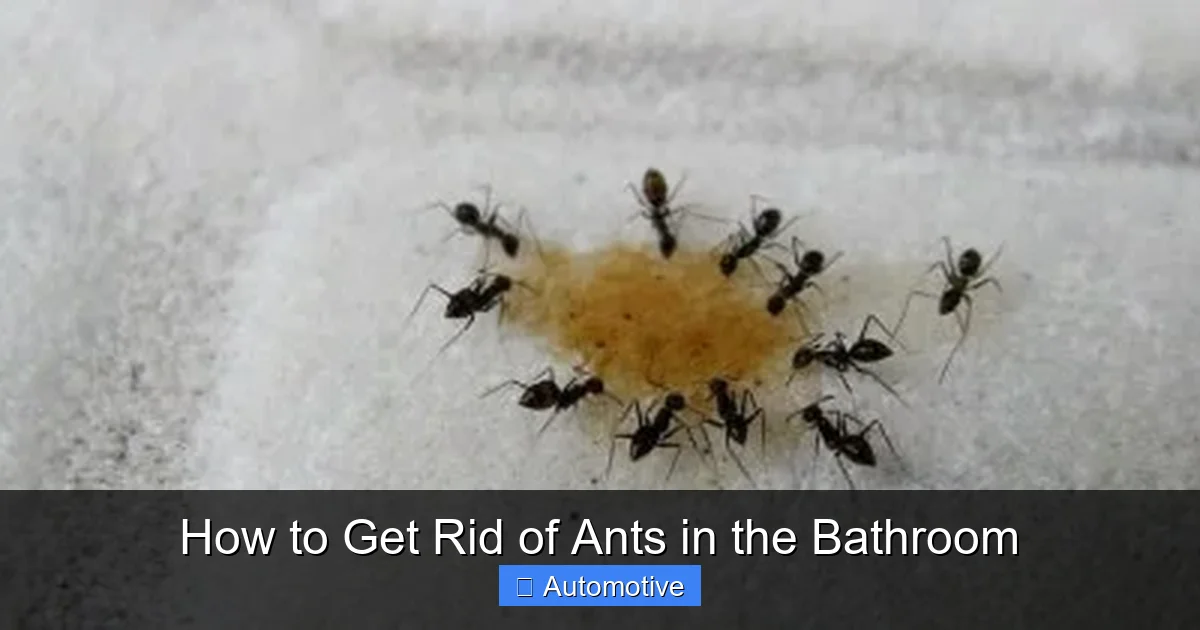
Ants in the bathroom are more than a nuisance—they can signal moisture issues or food sources nearby. This guide walks you through identifying the problem, using safe removal methods, and preventing future infestations with simple, practical steps.
Finding ants in your bathroom can be unsettling. One minute you’re brushing your teeth, the next you notice a trail of tiny black or brown insects marching along the baseboard or near the sink. While ants are usually associated with kitchens or gardens, bathrooms offer surprising appeal—especially if there’s moisture, warmth, or even trace amounts of sugary residues from soaps or shampoos. The good news? Getting rid of ants in the bathroom is entirely possible with the right approach. It starts with understanding why they’re there in the first place.
Ants are relentless scouts. They follow pheromone trails laid by earlier explorers, searching for food, water, or shelter. In the bathroom, common attractants include damp towels, leaky faucets, toothpaste residue, spilled mouthwash, or even hair product buildup. Once one ant finds a resource, it signals the colony, and soon you’ve got a full-blown invasion. But don’t panic—most bathroom ant problems are manageable with household items and a bit of diligence. The key is acting quickly, identifying the source, and combining immediate removal with long-term prevention.
This guide will walk you through every step: from spotting the signs of an infestation to using natural remedies, sealing entry points, and maintaining a clean, dry environment that ants simply won’t want to inhabit. Whether you’re dealing with a few stray ants or a steady stream, these strategies will help you reclaim your bathroom—without harsh chemicals or expensive treatments.
In This Article
- 1 Key Takeaways
- 2 📑 Table of Contents
- 3 Why Are Ants in Your Bathroom?
- 4 Immediate Steps to Remove Ants
- 5 Natural and Eco-Friendly Remedies
- 6 Preventing Future Infestations
- 7 When to Call a Professional
- 8 Common Mistakes to Avoid
- 9 Conclusion
- 10 Frequently Asked Questions
- 10.1 Why are there ants in my bathroom but not other rooms?
- 10.2 Can ants in the bathroom cause health problems?
- 10.3 How long does it take to get rid of ants in the bathroom?
- 10.4 Are natural remedies as effective as chemical pesticides?
- 10.5 Can ants damage my bathroom?
- 10.6 Should I use ant traps or baits in the bathroom?
Key Takeaways
- Identify the ant species: Different ants require different treatments; knowing what you’re dealing with helps target the root cause.
- Eliminate water sources: Fix leaks, dry damp areas, and reduce humidity to make your bathroom less inviting.
- Seal entry points: Caulk cracks, repair screens, and close gaps around pipes to block ant highways.
- Use natural deterrents: Vinegar, cinnamon, and diatomaceous earth are safe, effective options for most households.
- Clean thoroughly: Wipe down surfaces, store toiletries properly, and remove crumbs or spills that attract ants.
- Monitor and maintain: Regular checks and consistent cleaning prevent reinfestation long-term.
- Know when to call a pro: Persistent or large colonies may need professional pest control intervention.
📑 Table of Contents
Why Are Ants in Your Bathroom?
Ants don’t end up in bathrooms by accident. They’re drawn to specific conditions that meet their basic needs: water, food, and shelter. Understanding what’s attracting them is the first step in solving the problem.
Moisture and Humidity
Bathrooms are naturally humid environments. Steam from showers, dripping faucets, or standing water in sinks and tubs create ideal conditions for many ant species, especially moisture-loving types like odorous house ants or pavement ants. Even small leaks under sinks or around toilets can provide a steady water source that ants will exploit. If your bathroom feels damp or you notice condensation on walls or mirrors, you’ve got a prime ant hotspot.
For example, a slow drip from a faucet might seem insignificant to you, but to an ant colony, it’s a reliable drinking fountain. Over time, this constant moisture can also lead to mold or mildew, which some ants feed on or use for nesting. Addressing humidity isn’t just about comfort—it’s a critical part of ant prevention.
Food Sources You Might Overlook
While bathrooms aren’t typically associated with food, ants are opportunistic eaters. They’re attracted to anything sweet, sticky, or greasy—even in tiny amounts. Common culprits include:
– Toothpaste residue on sinks or brushes
– Spilled mouthwash or liquid soap
– Hair products with sugar or glycerin (like some conditioners or gels)
– Crumbs from snacks eaten while getting ready
– Damp, sugary buildup in drains
Even the film left behind by bar soap can contain trace sugars that ants detect. If you’ve ever seen ants near your shower drain, they might be feeding on organic matter trapped in the pipes. This is especially true in older homes where drain buildup is more common.
Shelter and Nesting Opportunities
Ants seek out dark, protected spaces to establish satellite colonies or nesting sites. Bathrooms offer plenty of hiding spots: behind baseboards, under sinks, inside wall voids, or even within damp drywall. Carpenter ants, in particular, are drawn to moist wood and can cause structural damage over time.
Even if you don’t see a nest, the presence of multiple ants suggests they’ve found a suitable place to live nearby. Satellite colonies—smaller groups that branch off from the main nest—often form in bathrooms because they’re warm, humid, and close to resources. These colonies can grow quickly if left unchecked.
Common Ant Species in Bathrooms
Not all ants are the same, and knowing which type you’re dealing with can help you choose the best treatment. Here are the most common bathroom invaders:
– **Odorous House Ants**: Small, dark brown or black ants that smell like rotten coconut when crushed. They love moisture and sweet substances.
– **Pavement Ants**: Brown or black ants often found near cracks in floors or walls. They’re attracted to grease and sugar.
– **Pharaoh Ants**: Tiny yellow or light brown ants that thrive in warm, humid areas. They’re common in multi-unit buildings and can spread bacteria.
– **Carpenter Ants**: Larger black ants that tunnel into wood. If you see sawdust-like debris (frass), you may have a structural issue.
Identifying the species helps determine whether you’re dealing with a simple nuisance or a more serious infestation. For instance, pharaoh ants can be difficult to eliminate without professional help because they form multiple colonies and avoid certain baits.
Immediate Steps to Remove Ants
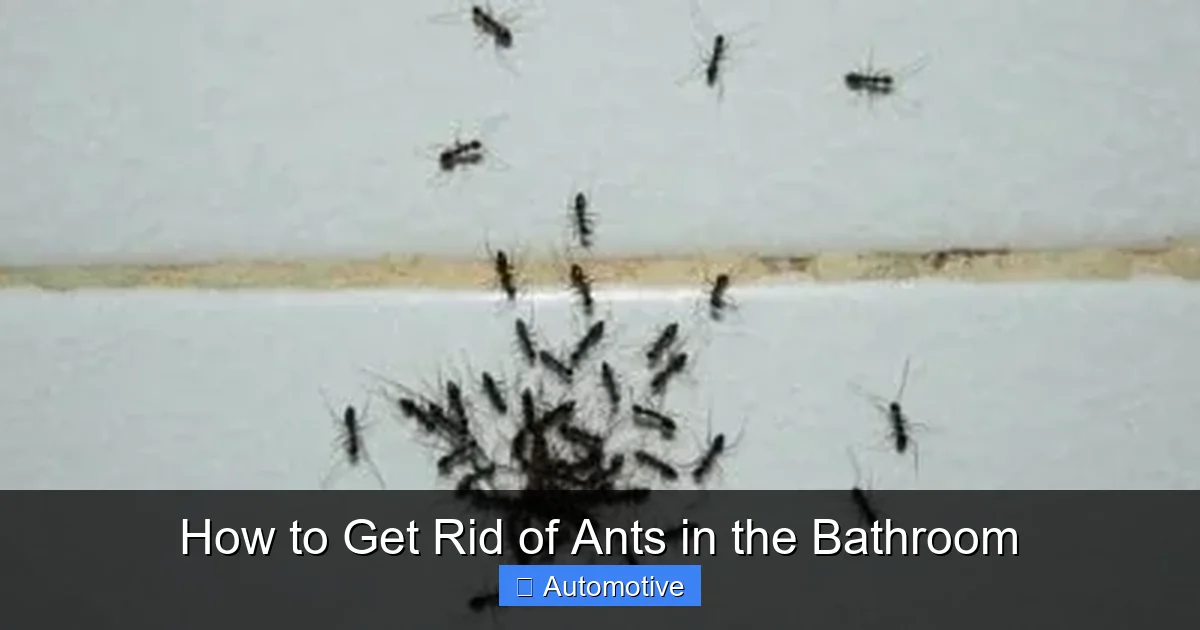
Visual guide about How to Get Rid of Ants in the Bathroom
Image source: pestpush.com
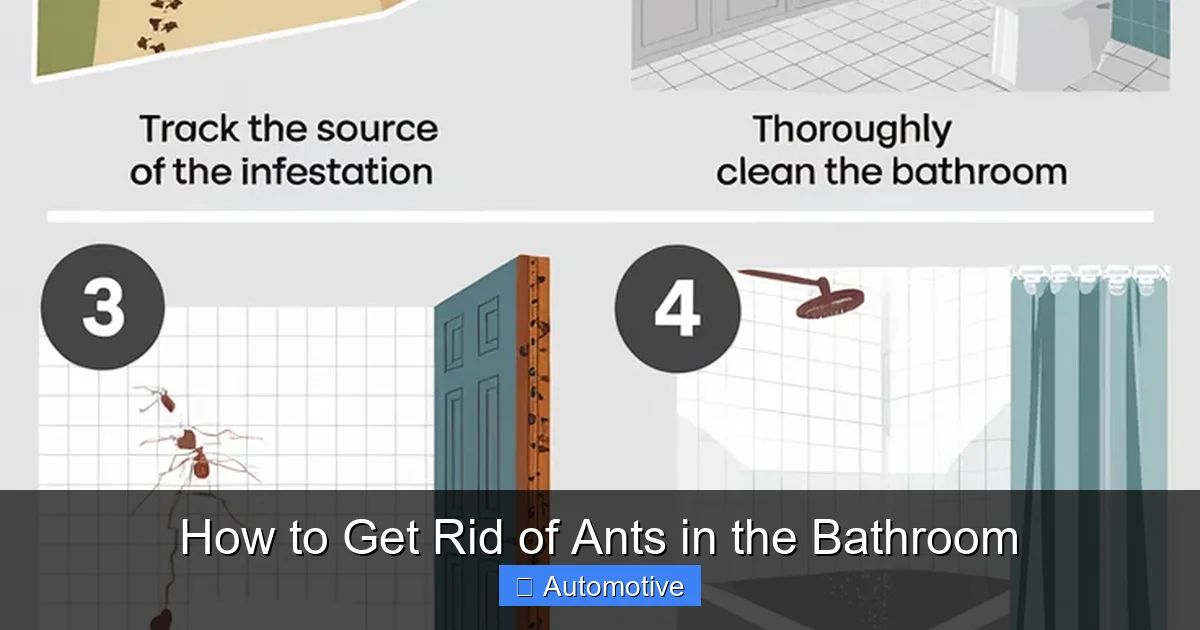
When you first notice ants in your bathroom, quick action can prevent the problem from escalating. The goal is to disrupt their trail, eliminate visible ants, and remove the attractants that drew them in.
Wipe Down All Surfaces
Start by thoroughly cleaning every surface where ants have been seen. Use a mixture of equal parts white vinegar and water in a spray bottle. Vinegar neutralizes the pheromone trails ants use to communicate, making it harder for others to follow the same path. Spray it on countertops, sinks, tubs, and floors, then wipe with a clean cloth.
Avoid using strong chemical cleaners at first—they can mask the scent but won’t eliminate the trail. Vinegar is natural, safe, and effective. For extra cleaning power, add a few drops of dish soap to break down greasy residues.
Vacuum or Sweep Up Visible Ants
If you see a trail of ants, use a vacuum with a hose attachment to suck them up quickly. This removes both the ants and their scent trail. Empty the vacuum bag or canister immediately outside to prevent survivors from returning.
Alternatively, use a damp paper towel to wipe them up and flush them down the toilet. Avoid squishing them—this can release pheromones that attract more ants.
Locate and Clean the Entry Point
Follow the ant trail backward to find where they’re coming from. Common entry points include:
– Cracks in baseboards or walls
– Gaps around pipes entering the wall
– Under sinks or behind toilets
– Window frames or door thresholds
Once you’ve found the entry point, clean it thoroughly with vinegar or soapy water. Then, seal it temporarily with tape or a damp cloth while you prepare a long-term solution.
Use a Natural Ant Killer Spray
For immediate knockdown, make a DIY ant spray using household ingredients:
– 1 cup water
– 1/2 cup white vinegar
– 10–15 drops of peppermint essential oil
– 1 teaspoon dish soap
Mix in a spray bottle and shake well. Spray directly on ants and along their trail. The vinegar disrupts their senses, the soap suffocates them, and the peppermint acts as a natural repellent. Reapply daily until the ants are gone.
Set Up Temporary Baits
If you suspect a larger colony, use a simple sugar-based bait to draw ants out. Mix equal parts borax and powdered sugar (or honey) and place small amounts on bottle caps or pieces of cardboard near the trail. The ants will carry the bait back to the nest, where it can kill the queen and larvae.
⚠️ **Safety Note**: Keep baits away from children and pets. Borax is toxic if ingested in large amounts. Use sparingly and place in hidden areas.
Natural and Eco-Friendly Remedies
Visual guide about How to Get Rid of Ants in the Bathroom
Image source: constructionhow.com
Many people prefer to avoid chemical pesticides, especially in bathrooms where kids and pets may be present. Fortunately, there are several natural, non-toxic methods that are both safe and effective.
Vinegar and Water Solution
As mentioned earlier, vinegar is a powerhouse for ant control. Its strong smell erases pheromone trails, and its acidity can kill ants on contact. Use a 50/50 mix of white vinegar and water in a spray bottle. Apply to surfaces, entry points, and along baseboards. Reapply every few days, especially after cleaning with other products.
For extra effectiveness, add a few drops of lemon juice or essential oils like tea tree or eucalyptus, which also repel ants.
Diatomaceous Earth (Food Grade)
Diatomaceous earth (DE) is a fine powder made from fossilized algae. It’s harmless to humans and pets but deadly to insects. When ants walk through it, the powder sticks to their exoskeletons and dehydrates them.
Sprinkle a thin layer of food-grade DE along ant trails, under sinks, and around entry points. Reapply after cleaning or if it gets wet. Avoid inhaling the powder—use a mask when applying.
Essential Oils as Repellents
Certain essential oils are natural ant deterrents due to their strong scents. The most effective include:
– Peppermint
– Tea tree
– Lemon
– Eucalyptus
– Clove
Mix 10–15 drops of your chosen oil with 1 cup of water in a spray bottle. Shake well and spray around doors, windows, and baseboards. Reapply every few days or after cleaning.
You can also soak cotton balls in undiluted oil and place them in corners or under sinks. Replace weekly.
Cinnamon, Cayenne, and Coffee Grounds
These kitchen staples can also deter ants:
– **Cinnamon**: Sprinkle ground cinnamon or place cinnamon sticks near entry points. Ants avoid the scent.
– **Cayenne Pepper**: A light dusting along trails confuses ants and blocks their path.
– **Used Coffee Grounds**: Place dry grounds in small dishes near problem areas. The smell repels ants, and used grounds are safe for plants if you compost them.
These methods work best as part of a broader strategy—use them alongside cleaning and sealing.
Baking Soda and Sugar Bait
Similar to the borax bait, you can use baking soda and sugar. Mix equal parts and place in small containers. The sugar attracts ants, and the baking soda reacts with their digestive systems, killing them.
This method is less potent than borax but safer for homes with pets. It may take longer to see results, so be patient.
Preventing Future Infestations
Visual guide about How to Get Rid of Ants in the Bathroom
Image source: my-inspo.com
Getting rid of ants is only half the battle. The real win comes from preventing them from returning. A proactive approach saves time, money, and frustration down the line.
Seal All Entry Points
Ants can squeeze through cracks as small as 1/16 of an inch. Inspect your bathroom carefully and seal any gaps with caulk or silicone sealant. Focus on:
– Baseboards and floor joints
– Around pipes and electrical outlets
– Window and door frames
– Cracks in walls or ceilings
Use a flashlight to spot tiny openings. Even if you don’t see ants now, sealing now prevents future invasions.
Fix Leaks and Reduce Moisture
A dry bathroom is an ant-free bathroom. Check for:
– Dripping faucets or showerheads
– Leaky toilet tanks or supply lines
– Condensation on cold surfaces
– Poor ventilation after showers
Install an exhaust fan if you don’t have one, and run it during and after showers. Wipe down wet surfaces promptly. Consider using a dehumidifier in humid climates.
Store Toiletries Properly
Keep soaps, shampoos, and toothpaste in sealed containers or cabinets. Avoid leaving bottles open or caps off. Rinse sinks and tubs after each use to remove residue.
If you use liquid soap, choose unscented or non-sweet varieties. Some “moisturizing” soaps contain glycerin or sugars that attract ants.
Clean Drains Regularly
Organic buildup in drains is a hidden food source. Once a week, pour a mixture of baking soda and vinegar down the drain, followed by hot water. This breaks down gunk and eliminates odors.
For stubborn clogs, use a drain snake or enzyme cleaner. Avoid chemical drain cleaners—they can damage pipes and aren’t safe for regular use.
Maintain a Cleaning Routine
Consistency is key. Add these tasks to your weekly cleaning schedule:
– Wipe down all surfaces with vinegar solution
– Vacuum or mop floors
– Check under sinks for leaks or pests
– Empty and clean soap dishes and trays
A clean bathroom is less appealing to ants—and more pleasant for you.
Monitor High-Risk Areas
Even after treatment, keep an eye on spots where ants were previously active. Place sticky traps (non-toxic ones) in corners or under sinks to catch any new scouts. If you see ants again, act quickly before they establish a new trail.
When to Call a Professional
Most bathroom ant problems can be handled at home. But sometimes, the issue is deeper than it appears.
Signs You Need Professional Help
Call a pest control expert if:
– You see large numbers of ants daily, even after treatment
– You suspect a nest inside the walls or under the floor
– You’re dealing with carpenter ants or pharaoh ants
– The infestation spreads to other rooms
– DIY methods haven’t worked after 2–3 weeks
Professionals have access to stronger baits, insect growth regulators, and tools like moisture meters to locate hidden nests. They can also identify structural issues that may be contributing to the problem.
What to Expect from a Pest Control Visit
A technician will:
– Inspect your home inside and out
– Identify the ant species and nest location
– Apply targeted treatments (baits, sprays, or dusts)
– Recommend prevention steps
– Schedule follow-up visits if needed
Choose a licensed, eco-conscious company that uses integrated pest management (IPM) techniques. Avoid companies that rely solely on chemical sprays.
Cost Considerations
Professional treatment typically costs between $100 and $300, depending on the severity and location. While it’s more expensive than DIY, it can save money in the long run by preventing property damage (especially with carpenter ants) or recurring infestations.
Common Mistakes to Avoid
Even with the best intentions, it’s easy to make errors that worsen the problem.
Using Only Surface Sprays
Killing visible ants with spray doesn’t address the colony. It may even cause the nest to split and spread. Always combine surface treatment with baiting and prevention.
Ignoring the Source
If you don’t fix leaks or clean residues, ants will keep returning. Treat the cause, not just the symptom.
Overusing Chemicals
Harsh pesticides can harm indoor air quality and pose risks to health. Use them only as a last resort and in well-ventilated areas.
Sealing Too Early
If you seal entry points before eliminating the colony, ants may find new ways in—or worse, trap themselves inside walls, leading to die-off and odor issues.
Not Being Patient
Ant control takes time. Baits can take days or weeks to work. Stick with your plan and monitor progress.
Conclusion
Ants in the bathroom are a common but solvable problem. By understanding what attracts them—moisture, food, and shelter—you can take targeted steps to remove them and prevent future visits. Start with immediate cleanup using vinegar and soap, then move to natural deterrents like essential oils and diatomaceous earth. Seal entry points, fix leaks, and maintain a clean, dry environment.
Remember, consistency is key. A few minutes of prevention each week can save hours of frustration later. And if the problem persists, don’t hesitate to call a professional. With the right approach, you can keep your bathroom ant-free—and enjoy a cleaner, more peaceful space.
Frequently Asked Questions
Why are there ants in my bathroom but not other rooms?
Bathrooms often have higher humidity and hidden moisture sources like leaks or condensation, which attract ants. They may also be drawn to residues from soaps, shampoos, or toothpaste that aren’t present in other areas.
Can ants in the bathroom cause health problems?
While most bathroom ants are nuisance pests, some species like pharaoh ants can carry bacteria. They don’t bite or sting, but their presence may indicate unsanitary conditions or moisture issues that could lead to mold.
How long does it take to get rid of ants in the bathroom?
With consistent treatment, most infestations improve within a few days to a week. Baits may take longer to eliminate the entire colony, so patience and follow-up are important.
Are natural remedies as effective as chemical pesticides?
Natural methods can be very effective, especially for small to moderate infestations. They’re safer for homes with kids and pets, though they may require more frequent application than chemical options.
Can ants damage my bathroom?
Most ants don’t cause structural damage, but carpenter ants can tunnel into damp wood. Persistent moisture from ant-attracting leaks may also lead to mold or rot over time.
Should I use ant traps or baits in the bathroom?
Yes, but choose pet-safe options and place them out of reach. Sugar-based baits work well for sweet-loving ants, while protein-based baits may attract other species. Rotate types if one isn’t working.