How to Get a Subaru Out of Brake Maintenance Mode

Contents
- 1 Key Takeaways
- 2 📑 Table of Contents
- 3 What Is Subaru Brake Maintenance Mode?
- 4 Signs Your Subaru Is in Brake Maintenance Mode
- 5 Step-by-Step Guide to Reset Brake Maintenance Mode
- 6 Common Mistakes to Avoid
- 7 When to See a Professional
- 8 Preventing Future Brake Maintenance Mode Activation
- 9 Conclusion
- 10 Frequently Asked Questions



If your Subaru is stuck in brake maintenance mode, don’t panic—this common issue can usually be resolved with a few simple steps. This guide walks you through the causes, reset procedures, and preventive tips to get your vehicle back on the road safely and efficiently.
Key Takeaways
- Understand what brake maintenance mode is: It’s a safety feature that activates when the brake system detects a need for service, such as worn pads or low fluid.
- Check the brake fluid level first: Low fluid is a common trigger; topping it off may resolve the issue immediately.
- Inspect brake pads and sensors: Worn pads or faulty wear sensors can activate the mode—replace them if necessary.
- Use the correct reset procedure: Most Subarus require a specific sequence using the ignition, brake pedal, and OBD2 port.
- Avoid DIY if unsure: If the problem persists, consult a certified Subaru technician to prevent damage or safety risks.
- Prevent future activation: Regular maintenance and timely brake service can keep your Subaru out of maintenance mode.
- Use genuine Subaru parts: Aftermarket components may not communicate properly with the vehicle’s system.
📑 Table of Contents
What Is Subaru Brake Maintenance Mode?
If you’ve ever turned the key in your Subaru and noticed a warning light on the dashboard—especially one related to the brakes—you might have encountered what’s known as “brake maintenance mode.” This isn’t a mechanical failure in the traditional sense, but rather a protective feature built into many modern Subaru models to alert drivers when the braking system needs attention.
Brake maintenance mode is essentially a digital nag. It’s designed to protect you, your passengers, and your vehicle by ensuring that critical safety components like brake pads, rotors, and fluid are in good working order. When the system detects something out of the ordinary—like worn brake pads, low brake fluid, or a malfunctioning sensor—it triggers this mode to prevent you from driving under potentially unsafe conditions.
Think of it like your phone’s low battery warning. It doesn’t mean your phone is broken, but it’s telling you to plug it in before it shuts down. Similarly, brake maintenance mode is your Subaru saying, “Hey, I need a check-up before you hit the road.” Ignoring it could lead to reduced braking performance, longer stopping distances, or even brake failure in extreme cases.
This feature is especially common in Subaru models equipped with electronic parking brakes (EPB), such as the Outback, Forester, Crosstrek, and Legacy. These systems rely heavily on sensors and software to monitor brake health, and they’re more likely to enter maintenance mode than older, purely mechanical systems.
Why Does Brake Maintenance Mode Activate?
There are several reasons your Subaru might enter brake maintenance mode. Understanding these triggers is the first step toward fixing the issue.
One of the most common causes is worn brake pads. Most Subaru models have brake pad wear sensors—small electronic devices that detect when the pads have worn down to a certain thickness. Once the pads reach that threshold, the sensor sends a signal to the vehicle’s computer, which activates the maintenance mode.
Another frequent culprit is low brake fluid. The brake fluid reservoir has a level sensor that monitors how much fluid is present. If the level drops below the recommended mark—often due to worn pads allowing the caliper pistons to extend further—the system interprets this as a potential leak or wear issue and triggers the mode.
Faulty or disconnected sensors can also cause false alarms. Over time, sensors can become corroded, loose, or damaged, especially in areas with harsh weather or road salt. Even a loose connection in the wiring harness near the wheels can send incorrect signals to the vehicle’s computer.
In some cases, the issue isn’t mechanical at all—it’s electronic. Software glitches, low battery voltage, or recent repairs (like replacing the brake pads without resetting the system) can cause the vehicle to误interpret normal conditions as problematic.
Lastly, if you’ve recently had brake work done—especially involving the electronic parking brake—the technician may have manually activated maintenance mode to perform diagnostics or adjustments. If they forgot to deactivate it, your Subaru will remain in this mode until it’s properly reset.
Signs Your Subaru Is in Brake Maintenance Mode

Visual guide about How to Get a Subaru Out of Brake Maintenance Mode
Image source: i.ytimg.com
Recognizing the symptoms of brake maintenance mode is crucial. While the most obvious sign is a warning light on the dashboard, there are other clues that can help you confirm the issue.
The primary indicator is the brake system warning light—usually a yellow or red icon that looks like an exclamation point inside a circle, often labeled “BRAKE” or “EPB.” On some models, you might also see a message on the multi-information display (MID) that says “Brake Maintenance Required” or “Service Brake System.”
Another sign is reduced functionality of the electronic parking brake. If you try to engage or release the parking brake and it doesn’t respond, or if it makes unusual noises, the system may be locked in maintenance mode. In some cases, the parking brake may automatically engage when you shift into park, even if you didn’t activate it.
You might also notice that the vehicle feels different when braking. While the actual braking performance may still be adequate, the system could feel “stiffer” or less responsive due to the EPB being partially engaged or disabled.
Additionally, if you’ve recently had brake work done and the warning light appeared shortly after, it’s likely that the system was placed in maintenance mode during the service and wasn’t properly reset.
It’s important not to confuse brake maintenance mode with a serious brake failure. If you experience spongy brakes, grinding noises, or a brake pedal that sinks to the floor, those are signs of a more urgent problem that requires immediate professional attention.
Step-by-Step Guide to Reset Brake Maintenance Mode
Getting your Subaru out of brake maintenance mode is usually straightforward, but it requires following the correct procedure for your specific model and year. Below is a general step-by-step guide that works for most Subaru vehicles with electronic parking brakes.
Step 1: Check the Brake Fluid Level
Before attempting any reset, open the hood and locate the brake fluid reservoir—it’s usually a small plastic tank near the firewall on the driver’s side. Remove the cap and check the fluid level. It should be between the “MIN” and “MAX” marks.
If the level is low, top it off with DOT 3 or DOT 4 brake fluid (check your owner’s manual for the correct type). Be careful not to overfill. After adding fluid, replace the cap securely.
Low fluid is often the simplest fix. Once the level is restored, the system may automatically exit maintenance mode the next time you start the car.
Step 2: Inspect Brake Pads and Sensors
If the fluid level is fine, inspect the brake pads. You can do this visually by looking through the wheels or removing them for a better view. Worn pads will appear thin—less than 3mm of material is a sign they need replacement.
Also, check the brake pad wear sensors. These are small wires connected to the inner brake pad. If the sensor is broken or disconnected, it can trigger maintenance mode even if the pads are fine.
If you find worn pads or damaged sensors, replace them. Use genuine Subaru parts or high-quality aftermarket equivalents that are compatible with your model.
Step 3: Perform the Reset Procedure
Now it’s time to reset the system. The exact steps vary slightly by model, but here’s a common method for many Subaru vehicles:
1. Turn the ignition to the “ON” position (do not start the engine).
2. Press and hold the brake pedal firmly.
3. While holding the brake, press and hold the electronic parking brake switch (usually located near the gear shifter) for about 10–15 seconds.
4. You should hear a clicking sound or feel a vibration as the system resets.
5. Release both the brake pedal and the parking brake switch.
6. Turn the ignition off, wait 10 seconds, then restart the vehicle.
If the warning light is gone and the parking brake functions normally, the reset was successful.
Step 4: Use an OBD2 Scanner (If Needed)
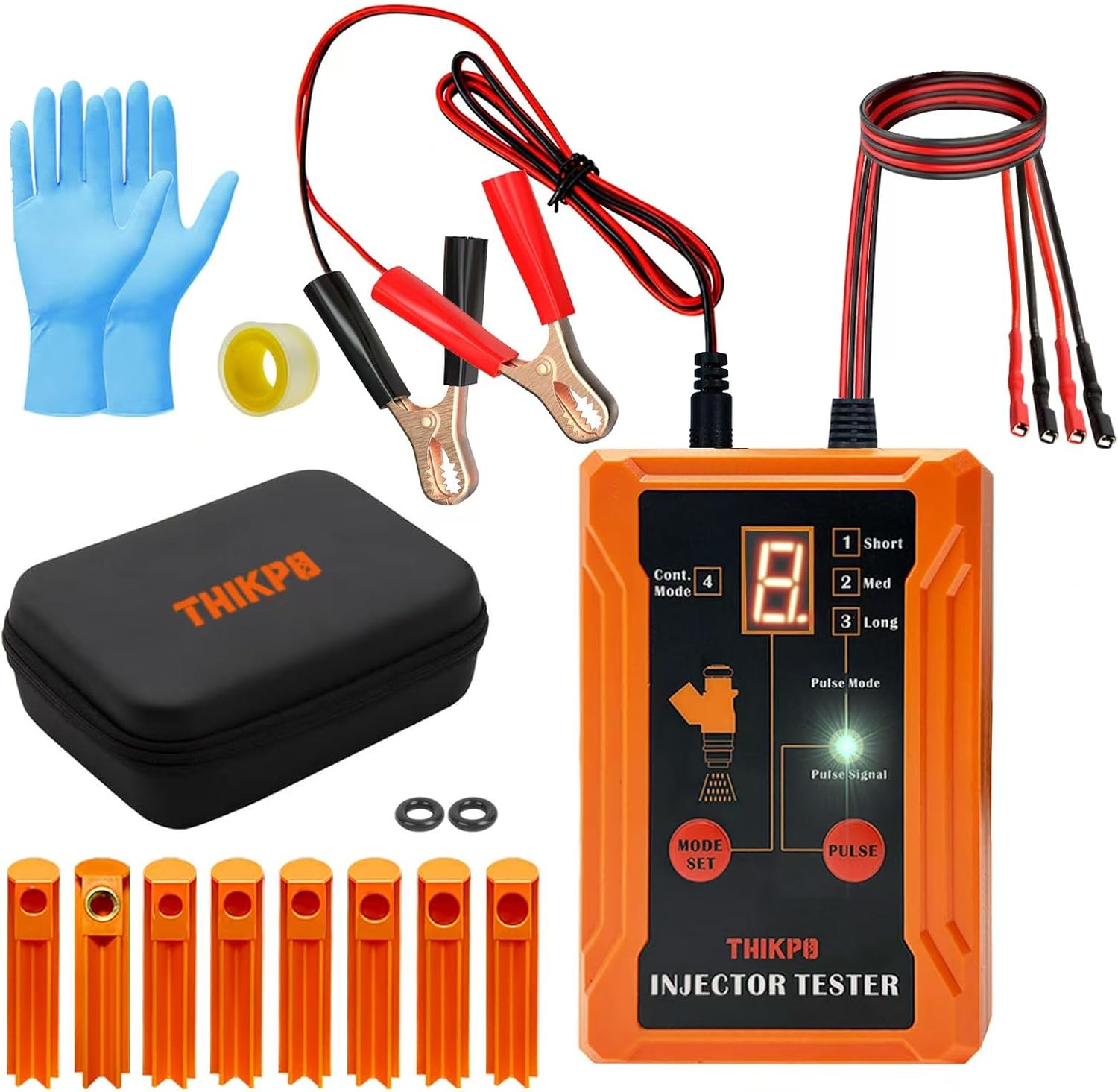
If the manual reset doesn’t work, you may need an OBD2 scanner with Subaru-specific software. Many generic scanners can’t access the EPB system, so look for one that supports Subaru diagnostics (like the Autel MaxiCOM or Foxwell NT510).
Connect the scanner to the OBD2 port (usually under the dashboard), follow the prompts to access the brake system, and select “Reset Brake Maintenance Mode” or “EPB Service Mode Reset.”
This method is especially useful if the issue is software-related or if the vehicle has stored error codes that need clearing.
Step 5: Test Drive and Monitor
After resetting, take your Subaru for a short test drive. Engage and release the parking brake a few times to ensure it’s working smoothly. Monitor the dashboard for any returning warning lights.
If the light comes back on, there may be an underlying issue that requires professional diagnosis.
Common Mistakes to Avoid
Even with the right steps, it’s easy to make mistakes that can prolong the problem or cause new ones. Here are some common pitfalls to avoid.
Skipping the Brake Fluid Check
Many people jump straight to the reset procedure without checking the basics. Low brake fluid is one of the most frequent causes of maintenance mode, and topping it off can solve the issue instantly. Always check the fluid level first.
Using the Wrong Brake Fluid
Using DOT 5 fluid in a system designed for DOT 3 or DOT 4 can cause seal damage and brake failure. Always use the type specified in your owner’s manual. DOT 5 is silicone-based and not compatible with most Subaru systems.
Ignoring Worn Brake Pads
Resetting the system without replacing worn pads is a temporary fix. The sensor will trigger maintenance mode again once the pads wear further. Always inspect and replace pads if necessary.
Forcing the Parking Brake
If the parking brake is stuck, don’t try to manually release it by prying or hammering. This can damage the motor or cables. Use the proper reset procedure or consult a technician.
Using Incompatible Tools
Generic OBD2 scanners often can’t access Subaru’s advanced systems. Investing in a compatible scanner or visiting a Subaru dealer ensures accurate diagnostics and resets.
Ignoring Recurring Warnings
If maintenance mode keeps returning, there’s likely a deeper issue—like a leaking brake line, faulty sensor, or electrical problem. Continuing to drive with unresolved brake issues is dangerous.
When to See a Professional
While many brake maintenance mode issues can be resolved at home, there are times when you should seek professional help.
If you’ve tried the reset procedure multiple times and the warning light persists, it’s time to visit a certified Subaru technician. They have access to factory-level diagnostic tools and can pinpoint issues that aren’t obvious to the average driver.
You should also consult a professional if you’re uncomfortable performing any of the steps, especially those involving brake fluid or electronic systems. Brakes are a critical safety component, and mistakes can have serious consequences.
Additionally, if you notice any of the following, stop driving and get your vehicle inspected immediately:
– Grinding or squealing noises when braking
– A spongy or sinking brake pedal
– Uneven braking or pulling to one side
– Fluid leaks under the car
These symptoms could indicate a more severe problem, such as a failing master cylinder, caliper issue, or hydraulic leak.
Subaru dealerships and certified repair shops are your best bet for accurate diagnosis and repair. They’re trained on Subaru-specific systems and use genuine parts that are guaranteed to work with your vehicle’s electronics.
Preventing Future Brake Maintenance Mode Activation
The best way to deal with brake maintenance mode is to avoid it altogether. Regular maintenance and proactive care can keep your Subaru’s braking system in top shape.
Follow the Maintenance Schedule
Refer to your owner’s manual for the recommended brake service intervals. Most Subarus suggest inspecting the brakes every 12,000 to 15,000 miles and replacing pads and fluid as needed.
Check Brake Fluid Annually
Even if you don’t drive much, brake fluid absorbs moisture over time, which can lower its boiling point and cause corrosion. Have the fluid tested and replaced every two years.
Listen for Warning Signs
Pay attention to changes in braking performance. Squealing, grinding, or a soft pedal are early warnings that shouldn’t be ignored.
Use Quality Parts
When replacing brake components, choose genuine Subaru parts or reputable aftermarket brands. Cheap pads or sensors may not meet OEM specifications and can trigger false alerts.
Keep Sensors Clean
During tire rotations or brake inspections, ask your technician to check and clean the brake pad wear sensors. Dirt, rust, or corrosion can interfere with their function.
Avoid Harsh Driving Conditions
Frequent hard braking, towing, or driving in mountainous areas accelerates brake wear. If you regularly drive in these conditions, inspect your brakes more often.
By staying on top of maintenance, you can reduce the chances of your Subaru entering brake maintenance mode unexpectedly.
Conclusion
Getting your Subaru out of brake maintenance mode doesn’t have to be stressful. In most cases, it’s a simple matter of checking the brake fluid, inspecting the pads and sensors, and performing a proper reset. With the right knowledge and tools, you can resolve the issue quickly and safely.
Remember, brake maintenance mode is there to protect you. It’s not a sign of failure, but a reminder that your vehicle needs attention. By addressing the root cause—whether it’s low fluid, worn pads, or a faulty sensor—you’re not only fixing the warning light but also ensuring your brakes perform reliably when you need them most.
If you’re ever in doubt, don’t hesitate to consult a professional. Your safety is worth the investment. And with regular maintenance, you can keep your Subaru running smoothly and avoid brake maintenance mode altogether.
Frequently Asked Questions
What causes Subaru brake maintenance mode to activate?
Brake maintenance mode typically activates due to low brake fluid, worn brake pads, faulty wear sensors, or recent brake service. It’s a safety feature designed to alert you when the braking system needs inspection or repair.
Can I drive my Subaru while in brake maintenance mode?
You can drive short distances cautiously, but it’s not recommended. The system may limit parking brake functionality, and there could be underlying issues affecting brake performance. Address the problem as soon as possible.
How do I reset brake maintenance mode without a scanner?
Most Subarus can be reset manually by turning the ignition on, holding the brake pedal, and pressing the parking brake switch for 10–15 seconds. Check your owner’s manual for model-specific instructions.
Why does my brake maintenance mode keep coming back?
If the mode returns after resetting, it likely means the underlying issue wasn’t fixed—such as worn pads, low fluid, or a faulty sensor. Have a technician diagnose the problem to prevent recurring alerts.
Do I need special tools to reset brake maintenance mode?
For most models, no special tools are needed—just the correct procedure. However, some newer Subarus may require an OBD2 scanner with Subaru-specific software to fully reset the system.
Can I use aftermarket brake pads without triggering maintenance mode?
Yes, but only if they’re high-quality and compatible with your Subaru’s sensors. Cheap or incompatible pads may not trigger the wear sensor correctly, leading to false alerts or missed warnings.