How to Fix a Flat Tire on a Riding Lawn Mower

Discover how to fix a flat tire on a riding lawn mower quickly and safely. This guide walks you through diagnosing the issue, removing the tire, patching or replacing it, and getting your mower back in action—no mechanic needed.
In This Article
- 1 Key Takeaways
- 2 📑 Table of Contents
- 3 How to Fix a Flat Tire on a Riding Lawn Mower
- 4 Why Riding Lawn Mower Tires Go Flat
- 5 Tools and Materials You’ll Need
- 6 Step-by-Step Guide to Fixing a Flat Tire
- 7 When to Replace Instead of Repair
- 8 Tips to Prevent Future Flats
- 9 Conclusion
- 10 Frequently Asked Questions
- 10.1 Can I drive my riding mower with a flat tire?
- 10.2 How often should I check my lawn mower tire pressure?
- 10.3 Do riding lawn mowers have inner tubes?
- 10.4 Can I use a car tire patch kit on a lawn mower tire?
- 10.5 How much does it cost to replace a riding mower tire?
- 10.6 What PSI should my riding mower tires be?
Key Takeaways
- Safety first: Always disconnect the spark plug and park on level ground before starting any repair.
- Identify the cause: Check for punctures, valve leaks, or bead damage to determine the best fix.
- Use the right tools: A tire iron, jack, and patch kit are essential for most repairs.
- Patch vs. replace: Small punctures can often be patched, but damaged sidewalls usually require a new tire.
- Proper inflation matters: Over- or under-inflating tires can lead to flats and poor mowing performance.
- Prevent future flats: Avoid debris, check tire pressure regularly, and inspect tires before each use.
- Know when to call a pro: If the tire is severely damaged or you’re unsure, seek professional help.
📑 Table of Contents
How to Fix a Flat Tire on a Riding Lawn Mower
There’s nothing more frustrating than heading out to mow the lawn, only to find one of your riding lawn mower’s tires is completely flat. You’re ready to tackle that overgrown grass, but instead, you’re stuck staring at a deflated wheel. Don’t worry—this is a common issue, and the good news is that fixing a flat tire on a riding lawn mower is often something you can do yourself with a few basic tools and a little patience.
Unlike car tires, lawn mower tires are typically smaller, simpler, and more accessible, which makes DIY repairs much more feasible. Whether you’re dealing with a slow leak or a sudden blowout, understanding the root cause and knowing the right steps can save you time, money, and a trip to the repair shop. In this guide, we’ll walk you through everything you need to know—from diagnosing the problem to safely reassembling your mower and getting back to work.
We’ll cover the tools you’ll need, step-by-step repair instructions, tips for preventing future flats, and even advice on when it’s best to replace the tire entirely. By the end, you’ll feel confident handling this common lawn care challenge like a pro.
Why Riding Lawn Mower Tires Go Flat

Visual guide about How to Fix a Flat Tire on a Riding Lawn Mower
Image source: mowersmania.com
Before jumping into the repair process, it’s helpful to understand why your riding lawn mower tire went flat in the first place. Knowing the cause can help you fix it properly and avoid the same issue down the road.
One of the most common reasons is a puncture from sharp objects like nails, screws, thorns, or broken glass. These can easily get embedded in the tread or sidewall while you’re mowing over debris or uneven terrain. Even small punctures can lead to slow leaks that go unnoticed until the tire is completely flat.
Another frequent culprit is a damaged or leaking valve stem. The valve stem is the small protrusion on the tire where you add air. Over time, it can become cracked, corroded, or loose, allowing air to escape gradually. This type of leak often happens without any obvious external damage, making it tricky to spot.
Bead leaks are also common. The bead is the inner edge of the tire that seals against the rim. If dirt, rust, or corrosion builds up between the bead and the rim, it can prevent a proper seal, leading to air loss. This is especially likely if the mower has been sitting unused for a long time or stored in a damp environment.
Underinflation is another factor. Riding lawn mowers often have lower tire pressure requirements than cars—usually between 10 and 15 PSI. If you’re not checking the pressure regularly, the tires can become underinflated, which increases the risk of pinch flats (also called “snake bites”) when the tire compresses too much against the rim over bumps or curbs.
Lastly, age and wear play a role. Tires dry out, crack, and lose flexibility over time, especially if exposed to sunlight, heat, or chemicals. A tire that’s more than 5–7 years old may simply be reaching the end of its lifespan, even if it looks fine on the outside.
Tools and Materials You’ll Need

Visual guide about How to Fix a Flat Tire on a Riding Lawn Mower
Image source: lawninspection.com
Having the right tools on hand makes the repair process much smoother and safer. You don’t need a full mechanic’s garage, but a few essentials will go a long way.
Start with a **tire iron or tire spoon**—these are flat, curved tools designed to pry the tire bead over the rim. You’ll need at least two, and sometimes three, to work the tire off evenly. A **lug wrench or socket set** will help you remove the wheel from the mower. Make sure it fits the lug nuts on your specific model.
A **hydraulic jack or floor jack** is essential for lifting the mower safely. Never rely on a makeshift support like a stack of bricks. A proper jack with a stable base will keep the mower secure while you work. Pair it with **jack stands** for extra safety—especially if you’re working under the mower.
You’ll also need a **tire pressure gauge** to check the current pressure and ensure proper inflation after the repair. A **bucket of soapy water** is handy for detecting leaks—just spray it on the tire and look for bubbles.
For the actual repair, a **tire patch kit** is usually sufficient for small punctures. These kits typically include rubber patches, cement, and a scraper or buffing tool. If the damage is more severe, you may need a **new tire** and possibly a **new inner tube**, especially if your mower uses tubed tires (common on older models).
Don’t forget **work gloves** to protect your hands from sharp edges and dirt, and **safety glasses** to shield your eyes from debris. A **clean rag** and **wire brush** can help clean the rim and bead area before reassembly.
Finally, have a **portable air compressor or bike pump** ready to reinflate the tire once it’s back on. Some mowers have Schrader valves (like car tires), while others use Presta valves, so make sure your pump is compatible.
Step-by-Step Guide to Fixing a Flat Tire

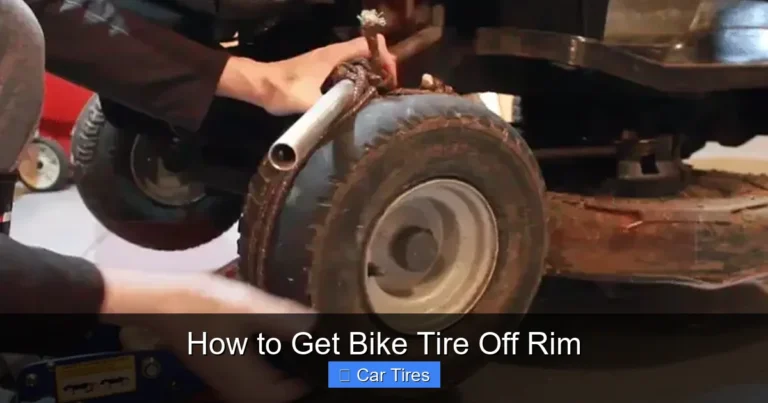
Visual guide about How to Fix a Flat Tire on a Riding Lawn Mower
Image source: eadn-wc01-2912785.nxedge.io
Now that you’re prepared, let’s walk through the actual repair process. Follow these steps carefully to ensure a safe and effective fix.
Step 1: Safety First
Before doing anything, **park your mower on a flat, level surface** like a driveway or garage floor. Engage the parking brake and **disconnect the spark plug wire** to prevent accidental starts. This is a critical safety step—never skip it.
Next, **chock the wheels** that aren’t being worked on. Use bricks, wood blocks, or wheel chocks to keep the mower from rolling. If you’re lifting the front, chock the rear wheels, and vice versa.
Step 2: Lift the Mower
Use your hydraulic jack to lift the side of the mower with the flat tire. Place the jack under a sturdy part of the frame—never under the engine, mower deck, or axle. Lift just high enough to take the weight off the tire, then **place jack stands under the frame** for support. Lower the jack slightly so the stands bear the weight. Never rely solely on the jack.
Step 3: Remove the Wheel
Use your lug wrench to loosen the lug nuts on the flat tire. Turn them counterclockwise. You may need to hold the wheel steady with your foot or a helper. Once loose, remove the nuts completely and set them aside in a safe place.
Carefully pull the wheel straight off the hub. If it’s stuck, gently wiggle it or tap the back with a rubber mallet. Avoid using excessive force, which could damage the hub or spindle.
Step 4: Inspect the Tire and Rim
With the wheel off, inspect the tire thoroughly. Look for punctures, cracks, bulges, or embedded objects. Run your hand over the tread and sidewall to feel for nails or thorns.
Check the **valve stem** for cracks or looseness. If it’s damaged, it may need to be replaced. Also inspect the **rim** for rust, dents, or debris that could prevent a proper seal.
If your mower uses a **tube-type tire**, you’ll need to remove the tire from the rim to access the inner tube. Use your tire irons to pry the bead over the rim edge. Work slowly and evenly around the tire to avoid damaging the bead or tube.
Step 5: Locate and Fix the Leak
If you find a puncture, mark it with chalk or a marker. For tubed tires, remove the tube and inflate it slightly to help locate the leak. Submerge it in a bucket of soapy water—bubbles will form at the leak site.
For small punctures (under 1/4 inch), a patch is usually sufficient. Use the buffing tool from your patch kit to roughen the area around the hole. Apply rubber cement, let it dry slightly, then press the patch firmly over the hole. Hold it in place for 30–60 seconds to ensure a strong bond.
If the puncture is on the sidewall or larger than 1/4 inch, **replace the tube or tire**. Sidewall damage compromises the tire’s structural integrity and can’t be safely patched.
For tubeless tires, clean the puncture area and apply a plug using a tire plug kit. Insert the plug with the insertion tool, leaving the stem exposed. Trim the excess flush with the tread.
Step 6: Reassemble the Tire
If you removed the tire from the rim, carefully reseat the bead. Start by inflating the tire slightly to help the bead seat properly. Listen for a “pop” or “snap” as it locks into place.
Reinstall the wheel onto the hub, hand-tighten the lug nuts, then lower the mower off the jack stands. Use the lug wrench to tighten the nuts in a star pattern to ensure even pressure. Don’t overtighten—this can warp the brake drum or damage the studs.
Step 7: Inflate and Test
Use your air compressor or pump to inflate the tire to the recommended PSI (usually found on the sidewall or in the owner’s manual). Check the pressure with your gauge.
Spray soapy water around the valve stem, bead, and puncture site to confirm there are no leaks. If bubbles appear, recheck your repair.
Reconnect the spark plug wire and take the mower for a short test drive on level ground. Listen for unusual noises and check that the tire holds pressure.
When to Replace Instead of Repair
While many flat tires can be fixed, there are times when replacement is the smarter, safer choice.
If the **sidewall is cracked, bulging, or torn**, the tire is compromised and should be replaced. Sidewall damage can’t be reliably patched and increases the risk of a blowout.
Similarly, if the **tread is severely worn** or the tire is more than 5–7 years old, it’s nearing the end of its life. Even if it holds air now, it may fail unexpectedly.
For **tubeless tires with large punctures** (over 1/4 inch) or multiple leaks, a patch may not hold. In these cases, replacing the tire is more cost-effective and reliable.
Also, if the **rim is bent or corroded**, it may not seal properly with a new tire. A damaged rim can cause recurring flats and should be repaired or replaced.
Finally, if you’ve attempted a repair and the tire still won’t hold air after multiple tries, it’s time to replace it. Continuing to patch a failing tire is unsafe and inefficient.
Tips to Prevent Future Flats
An ounce of prevention is worth a pound of cure—especially when it comes to lawn mower tires.
**Check tire pressure regularly.** Use a gauge every few weeks, especially during seasonal changes. Proper inflation reduces the risk of pinch flats and improves mowing performance.
**Inspect your mowing area.** Clear away debris like nails, glass, and sharp rocks before you start. Mowing over a clean lawn minimizes the chance of punctures.
**Avoid curbs and potholes.** Riding over uneven terrain can pinch the tire against the rim, causing snake bite flats. Stick to smooth, level paths when possible.
**Store your mower properly.** Keep it in a dry, covered area to prevent tire dry rot and rim corrosion. If storing for the winter, consider slightly overinflating the tires to prevent flat spots.
**Rotate tires if possible.** Some mowers allow tire rotation to even out wear. Check your owner’s manual for guidance.
**Use tire sealant.** For tubeless tires, a liquid tire sealant can help plug small leaks automatically. It’s not a permanent fix, but it can buy you time between inspections.
Conclusion
Fixing a flat tire on a riding lawn mower might seem daunting at first, but with the right tools and a little know-how, it’s a manageable task for most homeowners. By understanding the common causes of flats, following safe repair procedures, and knowing when to replace a tire, you can keep your mower running smoothly season after season.
Remember, safety is paramount—always disconnect the spark plug and use proper lifting equipment. Take your time, work methodically, and don’t rush the process. A well-maintained mower not only performs better but also lasts longer.
With the tips and steps in this guide, you’ll be back to mowing in no time. And the next time you spot a flat, you’ll know exactly what to do—no call to the repair shop needed.
Frequently Asked Questions
Can I drive my riding mower with a flat tire?
No, you should not drive your mower with a flat tire. It can damage the rim, cause uneven cutting, and make the mower unstable. Always repair or replace the tire before use.
How often should I check my lawn mower tire pressure?
Check tire pressure every 2–4 weeks during mowing season, and before long periods of storage. Proper inflation ensures safety and optimal performance.
Do riding lawn mowers have inner tubes?
Some older or smaller models use tubed tires, while most modern riding mowers are tubeless. Check your owner’s manual or look for a valve stem without a tube nut to determine which type you have.
Can I use a car tire patch kit on a lawn mower tire?
Not recommended. Lawn mower tires operate at lower pressures and have different rubber compounds. Use a patch kit designed for small tires or lawn equipment for best results.
How much does it cost to replace a riding mower tire?
Replacement tires typically cost between $20 and $60, depending on size and brand. Labor at a repair shop may add $20–$50, but DIY replacement saves money.
What PSI should my riding mower tires be?
Most riding mower tires require 10–15 PSI. Check the sidewall of the tire or your owner’s manual for the exact recommendation. Overinflation can cause bouncy rides and increased wear.