
How to Fix a Car Windshield

Knowing how to fix a car windshield can save you time, money, and stress. Whether it’s a small chip from a pebble or a long crack from temperature changes, acting fast prevents bigger problems. With the right tools and techniques, many windshield issues can be repaired at home—or you’ll know when it’s time to call a pro.
Key Takeaways
- Act quickly on chips and cracks: Small damage can spread fast due to temperature shifts, road vibrations, or pressure changes, so early repair is crucial.
- DIY repairs work for minor damage: Chips smaller than a quarter and cracks under three inches can often be fixed at home with a quality repair kit.
- Use proper tools and resin: A good windshield repair kit includes UV-cured resin, a bridge applicator, and razor blades for clean, lasting results.
- Know when to replace, not repair: Long cracks, damage in the driver’s line of sight, or multiple fractures usually require full windshield replacement.
- Professional help ensures safety: Certified technicians use advanced tools and adhesives to ensure structural integrity and proper sealing.
- Prevent future damage: Maintain safe following distances, avoid extreme temperature changes, and park in shaded or covered areas when possible.
- Insurance may cover repairs: Many auto insurance policies include windshield repair with little or no deductible—check your coverage first.
📑 Table of Contents
- Introduction: Why Your Windshield Matters More Than You Think
- Understanding Windshield Damage: Types and Causes
- When to Repair vs. When to Replace Your Windshield
- How to Fix a Car Windshield: Step-by-Step DIY Repair
- Professional Windshield Repair and Replacement
- Preventing Future Windshield Damage
- Insurance and Cost Considerations
- Conclusion: Take Action to Protect Your Safety
Introduction: Why Your Windshield Matters More Than You Think
Your car’s windshield isn’t just a piece of glass—it’s a critical safety component. It supports the roof in a rollover, helps airbags deploy correctly, and keeps you protected from wind, debris, and weather. When it’s damaged, even slightly, that protection weakens. A small chip might seem harmless, but it can quickly turn into a long crack that compromises your safety and visibility.
That’s why knowing how to fix a car windshield is so important. Whether you’re dealing with a tiny pit from a flying stone or a spiderweb of cracks after a cold night, understanding your options empowers you to act fast. The good news? Many windshield issues can be resolved quickly and affordably—sometimes in under 30 minutes. And with the right approach, you might not even need to visit a repair shop.
Understanding Windshield Damage: Types and Causes
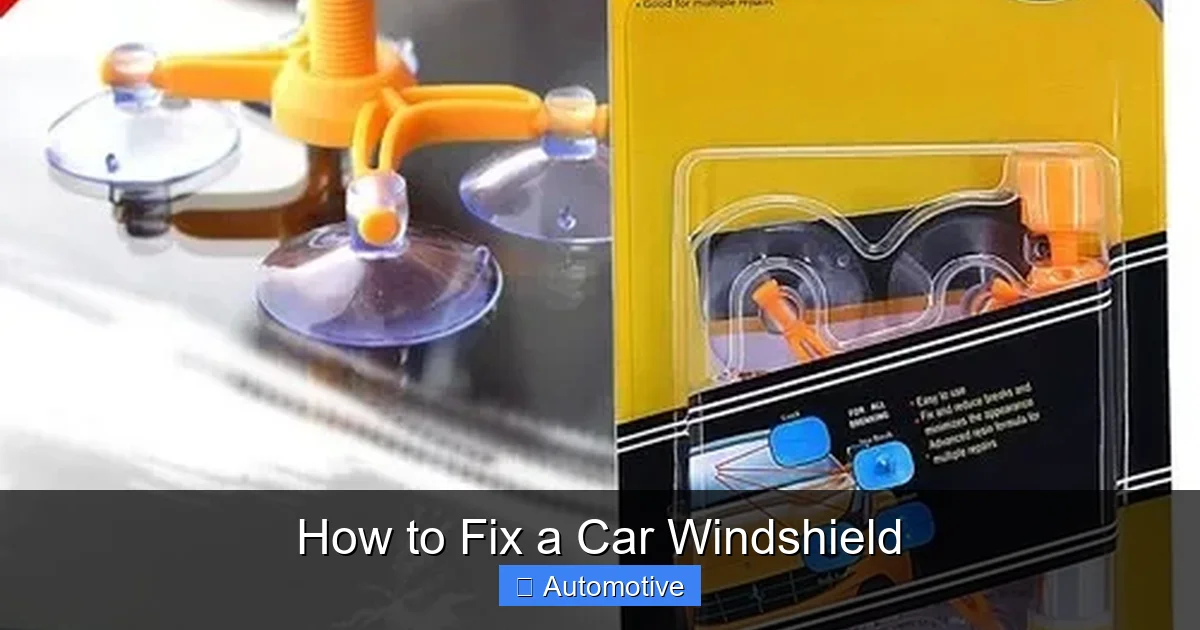
Visual guide about How to Fix a Car Windshield
Image source: 5.imimg.com
Before you can fix a car windshield, you need to know what kind of damage you’re dealing with. Not all cracks and chips are the same, and their location, size, and type determine whether you can repair it yourself or need professional help.
Common Types of Windshield Damage
There are several common types of windshield damage, each with its own characteristics:
– **Bullseye chip:** A circular damage pattern with a dark center and concentric rings. Usually caused by a direct impact from a rock or debris.
– **Star break:** A series of short cracks radiating from a central point, resembling a star. Often results from a sharp, focused impact.
– **Combination break:** A mix of bullseye, star, and crack patterns. These are more complex and may require professional assessment.
– **Crack:** A linear fracture that can range from a few inches to spanning the entire windshield. Can be caused by temperature stress, impact, or structural pressure.
– **Pit or ding:** A small, shallow mark that doesn’t penetrate the inner layer. Often cosmetic but can weaken the glass over time.
What Causes Windshield Damage?
Windshield damage can happen anytime, anywhere. Here are the most common causes:
– **Road debris:** Rocks, gravel, and construction materials kicked up by other vehicles are the leading cause of chips and cracks.
– **Temperature changes:** Rapid heating or cooling (like using hot water on icy glass or blasting AC on a hot day) can cause stress fractures.
– **Poor installation:** If a windshield wasn’t installed correctly, it may not sit properly, leading to stress points and cracks over time.
– **Structural stress:** Hitting a pothole or driving on rough roads can transfer pressure to the glass, especially if it’s already weakened.
– **Vandalism or accidents:** Intentional damage or minor collisions can also crack or shatter windshields.
Understanding the cause helps prevent future damage. For example, if you frequently drive on gravel roads, you might want to add a windshield protection film or drive more slowly to reduce debris impact.
When to Repair vs. When to Replace Your Windshield
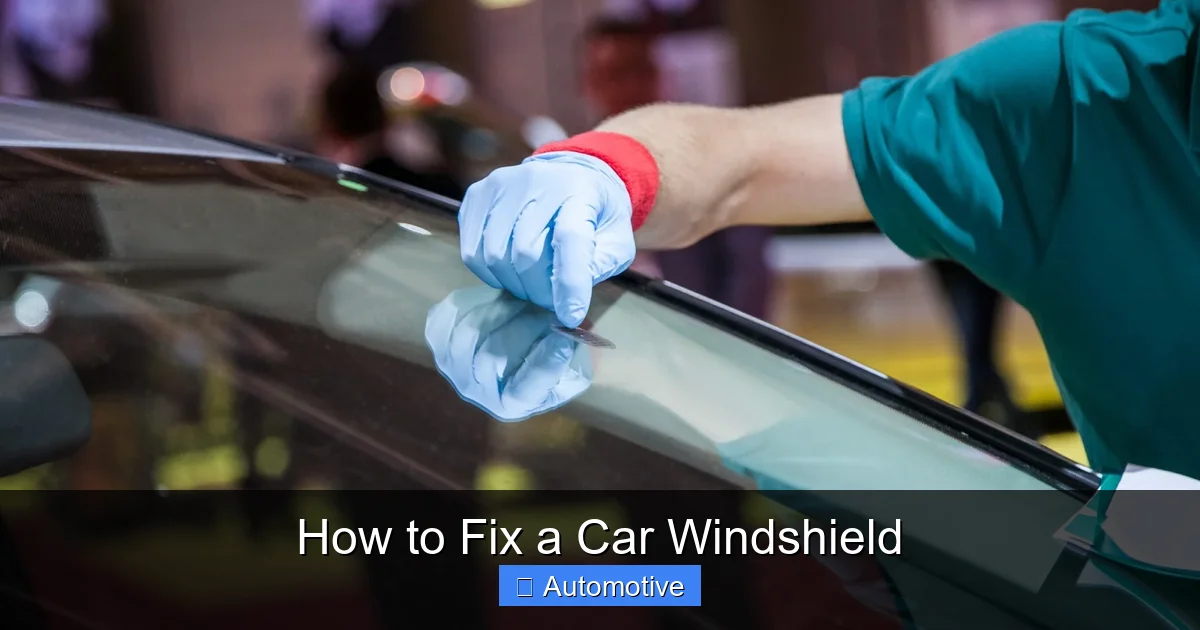
Visual guide about How to Fix a Car Windshield
Image source: duggerservices.com
One of the biggest questions drivers ask is: “Can this be fixed, or do I need a new windshield?” The answer depends on several factors, including the size, location, and type of damage.
When Repair Is Possible
Most minor damage can be repaired quickly and effectively. Here’s when a DIY or professional repair is usually sufficient:
– **Chips smaller than a quarter:** These are ideal for repair. The resin fills the void and restores strength.
– **Cracks under three inches:** Short cracks can often be stabilized and sealed before they spread.
– **Damage outside the driver’s line of sight:** If the chip or crack isn’t directly in front of the driver, it’s less likely to interfere with visibility.
– **Single-point damage:** One chip or crack with no branching is easier to fix than multiple fractures.
Repairing in these cases typically takes 15–30 minutes and costs between $10 and $50 for a DIY kit, or $50–$150 at a shop.
When Replacement Is Necessary
There are times when repair isn’t enough—and replacing the entire windshield is the only safe option. These include:
– **Cracks longer than three inches:** Long cracks are harder to stabilize and may continue to spread.
– **Damage in the driver’s line of sight:** Even small chips directly in front of the driver can distort vision and should be replaced.
– **Multiple cracks or chips:** If there are several damages close together, the structural integrity is compromised.
– **Damage near the edge:** Cracks within two inches of the windshield edge are more likely to spread due to stress on the frame.
– **Shattered or laminated glass failure:** If the inner layer of the glass is exposed or the windshield is cracked in multiple places, replacement is required.
Replacing a windshield is a more involved process. It requires removing the old glass, cleaning the frame, applying new urethane adhesive, and installing a new windshield. This job should always be done by a certified technician to ensure proper sealing and safety.
How to Fix a Car Windshield: Step-by-Step DIY Repair
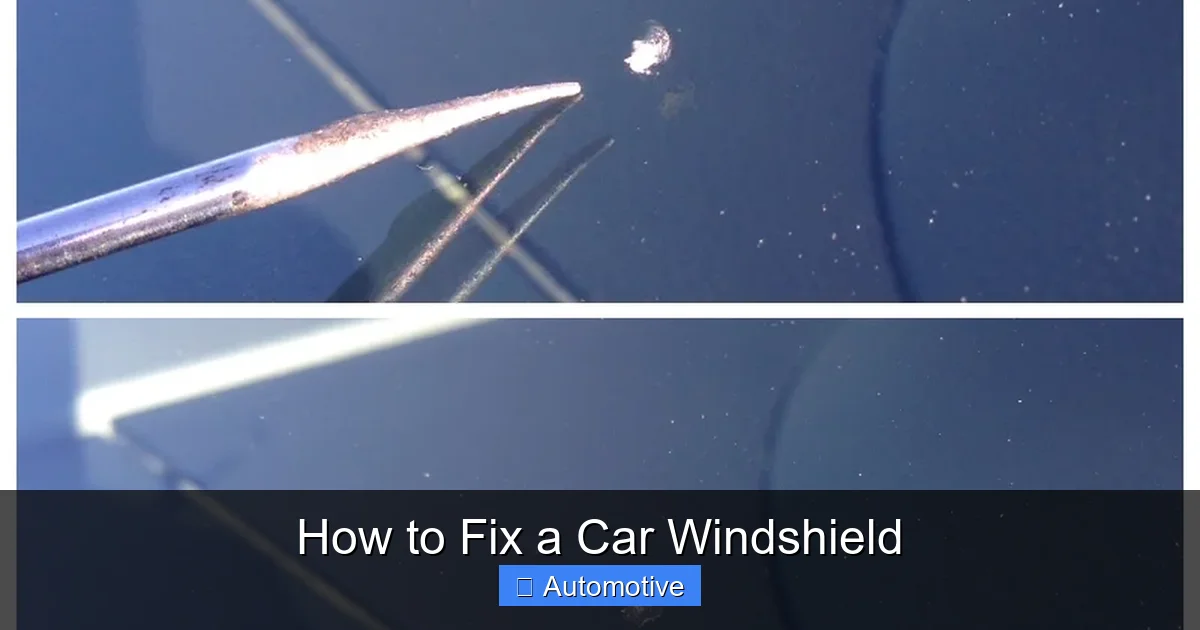
Visual guide about How to Fix a Car Windshield
Image source: socaldentworks.com
If your damage falls into the repairable category, you can often fix it yourself with a windshield repair kit. These kits are widely available online or at auto parts stores and typically cost between $10 and $30. Here’s how to do it safely and effectively.
What You’ll Need
Before starting, gather these tools:
– Windshield repair kit (includes resin, applicator, razor blade, and instructions)
– Clean microfiber cloth
– Rubbing alcohol or glass cleaner
– Clear packing tape (optional, to prevent spreading)
– UV lamp or direct sunlight (if using UV-cured resin)
Step 1: Clean the Area
Start by cleaning the damaged area thoroughly. Use glass cleaner or rubbing alcohol and a microfiber cloth to remove dirt, wax, and debris. Any residue can prevent the resin from bonding properly. Let the area dry completely.
Step 2: Position the Applicator
Most kits come with a bridge or suction cup applicator. Place it directly over the chip or crack, ensuring the needle or injector tip aligns with the damage. Press it firmly to create a seal.
Step 3: Inject the Resin
Follow the kit instructions to inject the resin into the crack or chip. This usually involves pumping or pressing a plunger to force the resin into the damaged area. You may see air bubbles rise—this is normal. The goal is to fill the void completely.
Step 4: Cure the Resin
If your kit uses UV-cured resin, expose the area to direct sunlight or use a UV lamp for the recommended time (usually 5–10 minutes). The resin will harden and bond with the glass. If it’s a non-UV resin, let it cure according to the instructions—often 15–30 minutes.
Step 5: Remove Excess Resin
Once cured, remove the applicator and use a razor blade to scrape off any excess resin from the surface. Be gentle to avoid scratching the glass. Wipe the area clean with a cloth.
Step 6: Final Inspection
Check the repair under good lighting. The chip or crack should be less visible, and the surface should feel smooth. If there’s still a noticeable bump or cloudiness, you may need to repeat the process or consider professional help.
Tips for Success
– Work in a shaded area to prevent the resin from curing too quickly.
– Don’t rush—take your time to ensure proper resin flow.
– If the crack starts to spread during repair, stop and cover it with clear tape to prevent further damage until you can get professional help.
Professional Windshield Repair and Replacement
While DIY repairs are great for small issues, some situations call for expert help. Professional technicians have the tools, training, and materials to handle complex damage safely and effectively.
What to Expect from a Professional Repair
A certified technician will assess the damage and determine the best course of action. For minor chips and cracks, they’ll use industrial-grade resin and precision tools to restore the windshield. The process is similar to DIY but with higher-quality materials and better control over pressure and curing.
The Replacement Process
If replacement is needed, here’s what happens:
1. **Removal:** The technician carefully removes the old windshield, often using a wire to cut through the urethane adhesive.
2. **Cleaning:** The frame is cleaned and inspected for rust or damage. Any issues are repaired before installation.
3. **Priming:** A primer is applied to the frame to help the new adhesive bond properly.
4. **Adhesive Application:** High-strength urethane is applied to the frame in a precise bead.
5. **Installation:** The new windshield is placed into position and held in place until the adhesive sets.
6. **Curing:** The vehicle must sit for a set time (usually 1–2 hours) before driving to allow the adhesive to cure.
Why Choose a Professional?
– **Safety:** Proper installation ensures the windshield supports the roof and airbag deployment.
– **Warranty:** Most shops offer a warranty on their work, giving you peace of mind.
– **Insurance Claims:** Many shops work directly with insurance companies, making the process seamless.
– **Quality Materials:** OEM (original equipment manufacturer) or OEM-equivalent glass ensures a perfect fit and clarity.
Preventing Future Windshield Damage
The best way to fix a car windshield is to avoid damage in the first place. While you can’t control every rock on the road, you can take steps to reduce your risk.
Drive Smart
– **Maintain a safe following distance:** This gives you more time to react and reduces the chance of debris hitting your windshield.
– **Avoid rough roads when possible:** Gravel, construction zones, and potholes increase the risk of damage.
– **Don’t tailgate large trucks:** They kick up more debris than smaller vehicles.
Protect Your Windshield
– **Use a windshield sunshade:** This reduces temperature stress when parking in hot weather.
– **Avoid extreme temperature changes:** Don’t pour hot water on icy glass or blast the AC on a scorching day.
– **Consider a protective film:** Some drivers apply a clear film or tint that can absorb minor impacts and reduce cracking.
Regular Maintenance
– **Inspect your windshield monthly:** Look for new chips or cracks and address them early.
– **Check wiper blades:** Worn blades can scratch the glass and push debris into the surface.
– **Keep it clean:** Dirt and grime can hide small damages and make them harder to spot.
Insurance and Cost Considerations
Windshield repair and replacement can be expensive, but your auto insurance may cover it—often with no deductible.
Comprehensive Coverage
Most comprehensive auto insurance policies include windshield repair and replacement. This means you pay little or nothing out of pocket, especially for repairs. Some states even require insurers to cover windshield repair without a deductible.
Filing a Claim
– **Check your policy:** Confirm that windshield repair is covered.
– **Use approved shops:** Some insurers require you to use their network of repair shops.
– **Don’t delay:** Filing quickly can prevent the damage from worsening and costing more.
Average Costs
– **DIY repair kit:** $10–$30
– **Professional repair:** $50–$150
– **Windshield replacement:** $200–$600+, depending on the vehicle and glass type
Luxury or specialty vehicles may cost more due to advanced features like rain sensors, lane departure warnings, or heated glass.
Conclusion: Take Action to Protect Your Safety
Learning how to fix a car windshield isn’t just about saving money—it’s about protecting yourself and your passengers. A damaged windshield is more than an eyesore; it’s a safety risk that can escalate quickly. By understanding the types of damage, knowing when to repair or replace, and taking preventive steps, you can keep your windshield in top condition.
Whether you tackle a small chip with a DIY kit or call in a professional for a full replacement, acting fast is key. Don’t ignore that tiny ding—it could turn into a major problem overnight. And remember, your windshield is a vital part of your car’s safety system. Treat it with care, and it will protect you for miles to come.
Frequently Asked Questions
Can I drive with a cracked windshield?
It depends on the size and location of the crack. Small chips or cracks outside the driver’s line of sight may be safe for a short time, but they can spread quickly. Long cracks or damage in your view should be repaired or replaced immediately for safety.
How long does a windshield repair take?
A DIY repair typically takes 15–30 minutes, while a professional repair can be done in under an hour. Replacement takes longer—usually 1–2 hours—plus time for the adhesive to cure before driving.
Will insurance cover my windshield repair?
Most comprehensive auto insurance policies cover windshield repair and replacement, often with no deductible. Check your policy or contact your insurer to confirm coverage.
Can I repair a crack longer than three inches?
It’s not recommended. Cracks over three inches are harder to stabilize and may continue to spread. Professional assessment is advised, and replacement is often the safest option.
Do windshield repair kits really work?
Yes, for small chips and cracks under three inches, quality repair kits can effectively restore strength and clarity. Results vary based on the kit and technique, so follow instructions carefully.
How do I prevent windshield cracks from spreading?
Avoid extreme temperature changes, drive carefully on rough roads, and cover the crack with clear tape if needed. Most importantly, get it repaired as soon as possible to stop further damage.
