How to Determine Car Battery Size

Choosing the right car battery size is crucial for reliable performance and avoiding electrical issues. This guide walks you through simple methods to identify your battery size using your owner’s manual, existing battery label, or online tools—ensuring a perfect fit every time.
In This Article
- 1 Key Takeaways
- 2 📑 Table of Contents
- 3 Why Knowing Your Car Battery Size Matters
- 4 Understanding Car Battery Basics
- 5 Method 1: Check Your Owner’s Manual
- 6 Method 2: Inspect the Existing Battery
- 7 Method 3: Use Online Battery Finders
- 8 Method 4: Consult a Professional or Auto Parts Store
- 9 Common Mistakes to Avoid When Choosing a Battery
- 10 Conclusion
- 11 Frequently Asked Questions
- 11.1 How do I find my car battery group size?
- 11.2 Can I use a battery with a higher CCA than recommended?
- 11.3 What happens if I install the wrong battery size?
- 11.4 How often should I replace my car battery?
- 11.5 Can I determine battery size by measuring it?
- 11.6 Do I need a special battery for a hybrid or electric car?
Key Takeaways
- Check your owner’s manual: It lists the recommended battery group size and specifications for your vehicle.
- Inspect the current battery: The label on your existing battery shows group size, CCA, and other key details.
- Use online battery finders: Enter your car’s make, model, and year to get compatible battery options.
- Understand battery group sizes: These standardized codes (like 24F or 65) indicate physical dimensions and terminal placement.
- Consider cold cranking amps (CCA): Higher CCA ratings are better for cold climates and ensure reliable starts.
- Match terminal orientation: Ensure the positive and negative terminals are in the correct positions for your vehicle.
- Consult a professional if unsure: Mechanics or auto parts stores can help verify the correct battery size.
📑 Table of Contents
Why Knowing Your Car Battery Size Matters
Imagine you’re heading out on a chilly winter morning, eager to start your day. You turn the key—and nothing happens. The engine doesn’t crank. Your heart sinks. You pop the hood and realize your battery might be dead. You head to the auto parts store, but now you’re faced with a wall of batteries, each labeled with numbers and letters that look like alphabet soup. Which one do you pick?
This is where knowing how to determine car battery size becomes a lifesaver. The right battery isn’t just about power—it’s about fit, compatibility, and reliability. A battery that’s too small might not provide enough cranking power, especially in cold weather. One that’s too large might not fit in the battery tray or could have the wrong terminal placement, making installation impossible. Getting the size right ensures your car starts smoothly, your electronics work properly, and you avoid costly mistakes.
But don’t worry—figuring out your car battery size isn’t as complicated as it seems. With a few simple steps, you can confidently identify the correct battery for your vehicle. Whether you’re replacing an old battery or preparing for future maintenance, this guide will walk you through every method, from checking your owner’s manual to using online tools. By the end, you’ll know exactly how to determine car battery size like a pro.
Understanding Car Battery Basics
Before diving into the methods for determining battery size, it helps to understand what “size” actually means when it comes to car batteries. Unlike shoes or clothes, battery size isn’t just about physical dimensions—though that’s part of it. It also includes electrical specifications that affect performance.
Visual guide about How to Determine Car Battery Size
Image source: ebaymotorsblog.com
What Is a Battery Group Size?
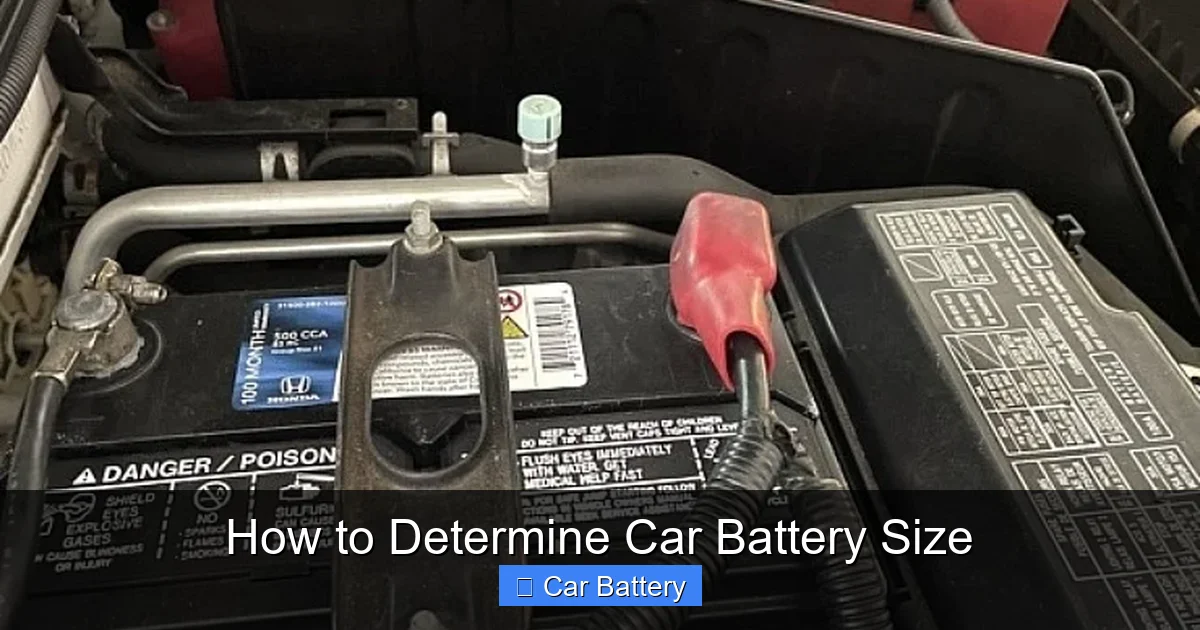
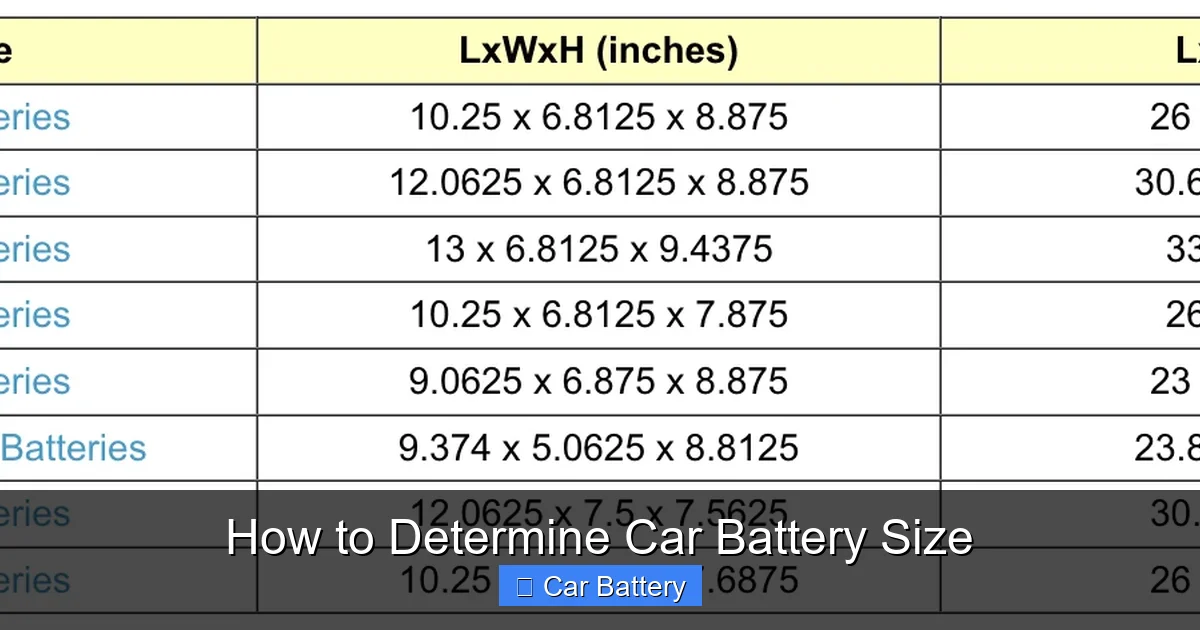
The most common way to identify a car battery is by its group size. This is a standardized code—like 24F, 35, or 65—established by the Battery Council International (BCI). These numbers and letters describe the battery’s physical dimensions (length, width, and height), terminal placement, and tray compatibility. For example, a Group 24F battery is typically about 10.2 x 6.8 x 8.9 inches and has the positive terminal on the right side.
Using the correct group size ensures the battery fits snugly in your vehicle’s battery tray and that the cables reach the terminals without stretching or bending. Installing a battery with the wrong group size can lead to loose mounting, vibration damage, or even short circuits.
Key Electrical Specifications
Beyond physical size, you’ll also want to pay attention to electrical ratings, especially cold cranking amps (CCA) and reserve capacity (RC). CCA measures how many amps a battery can deliver at 0°F for 30 seconds while maintaining voltage above 7.2V. The higher the CCA, the better the battery performs in cold weather. For example, a battery with 600 CCA is better suited for northern climates than one with 400 CCA.
Reserve capacity, on the other hand, tells you how long the battery can run essential systems (like lights and ignition) if the alternator fails. It’s measured in minutes—so a 120-minute RC means the battery can power the car for about two hours without the engine running.
Other specs include amp-hour (Ah) rating, which indicates total energy storage, and voltage, which is typically 12 volts for most passenger vehicles. While group size ensures physical compatibility, these electrical specs ensure the battery can meet your car’s power demands.
Why Compatibility Is Critical
Using the wrong battery size—even if it fits physically—can cause serious problems. A battery with insufficient CCA might struggle to start your engine in winter, leaving you stranded. One with too high a CCA might be overkill and cost more than necessary. Similarly, a battery with the wrong terminal orientation could force you to reroute cables, increasing the risk of loose connections or electrical shorts.
Modern vehicles also rely heavily on electronics, from infotainment systems to advanced driver-assistance features. These systems require stable power, and an incompatible battery can cause voltage drops or erratic behavior. That’s why it’s essential to match both the physical and electrical specs when determining car battery size.
Method 1: Check Your Owner’s Manual
The easiest and most reliable way to determine your car battery size is to consult your owner’s manual. This small booklet that came with your vehicle is packed with valuable information, including the exact battery specifications recommended by the manufacturer.
Visual guide about How to Determine Car Battery Size
Image source: askmyauto.com
Where to Find Battery Info in the Manual
Most owner’s manuals have a section dedicated to maintenance, often labeled “Battery,” “Electrical System,” or “Specifications.” Look for a table or paragraph that lists the recommended battery group size, CCA, and sometimes even the brand or model. For example, the manual might say: “Use a Group 35 battery with a minimum of 600 CCA.”
If you can’t find your physical manual, don’t panic. Many manufacturers provide digital copies on their websites. Simply search for your car’s make, model, and year followed by “owner’s manual PDF.” Once downloaded, use the search function (Ctrl+F) to look for keywords like “battery,” “group size,” or “CCA.”
Example: Finding Battery Size in a Honda Civic Manual
Let’s say you drive a 2018 Honda Civic. You flip to the maintenance section and find a table listing “Battery Specifications.” It shows: Group Size: 35, CCA: 550, RC: 90 minutes. This tells you exactly what to look for when shopping for a replacement. Even if you’re not mechanically inclined, this method gives you confidence that you’re choosing the right battery.
Pro tip: If your manual lists multiple battery options (e.g., standard vs. high-performance), choose the one that matches your driving conditions. If you live in a cold climate, opt for the higher CCA rating.
What If You Don’t Have the Manual?
Lost your manual? No problem. You can often find the same information on the manufacturer’s website under “Owner Resources” or “Support.” Some sites even have interactive tools where you enter your VIN (vehicle identification number) to pull up specific specs. Alternatively, call your local dealership’s service department—they can look up your battery requirements using your VIN.
While the owner’s manual is the gold standard, it’s not the only way to determine car battery size. If you’re in a pinch or prefer a more hands-on approach, the next method might be just what you need.
Method 2: Inspect the Existing Battery
If your car still has its original battery—or at least one that’s been in place for a while—you can use it as a reference to determine the correct size. This method is especially useful if you don’t have the owner’s manual or want to double-check the specs.
Visual guide about How to Determine Car Battery Size
Image source: g-ec2.images-amazon.com
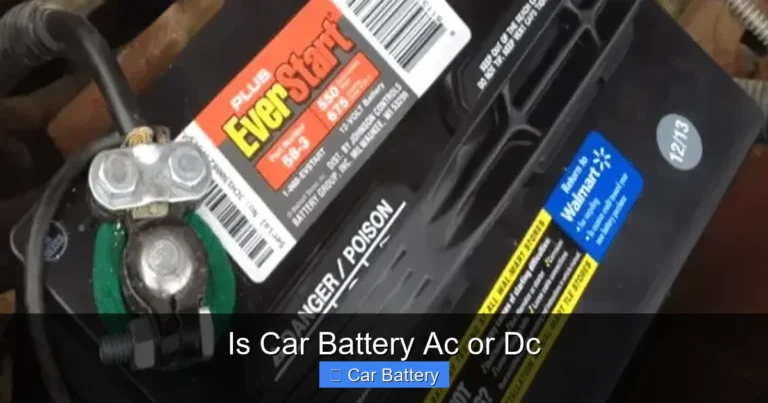
Reading the Battery Label
Pop the hood and locate your battery. It’s usually a rectangular box with two cables (red for positive, black for negative) attached to the top. On the side or top of the battery, you’ll find a label with printed information. Look for the following:
- Group Size: Usually labeled as “Group” followed by a number and letter (e.g., Group 24F).
- CCA Rating: Listed as “Cold Cranking Amps” or “CCA” with a number (e.g., 650 CCA).
- Reserve Capacity: Sometimes listed as “RC” or “Reserve Capacity” in minutes.
- Manufacturer and Model: Helps identify the exact battery if you want a direct replacement.
For example, you might see: “Group 35, 600 CCA, 100 RC, Made by Optima.” This gives you everything you need to find a compatible replacement.
Identifying Terminal Orientation
While inspecting the battery, also note the terminal orientation. Are the positive and negative terminals on the same side? Is the positive terminal on the right or left? This is crucial because even batteries with the same group size can have different terminal layouts. Installing a battery with the wrong orientation could mean the cables don’t reach or require dangerous modifications.
Most batteries have a diagram on the label showing terminal placement. Look for symbols like “+” and “–” or arrows pointing to each terminal. Some labels also include a small illustration of the battery from above, making it easy to match.
When the Label Is Worn or Missing
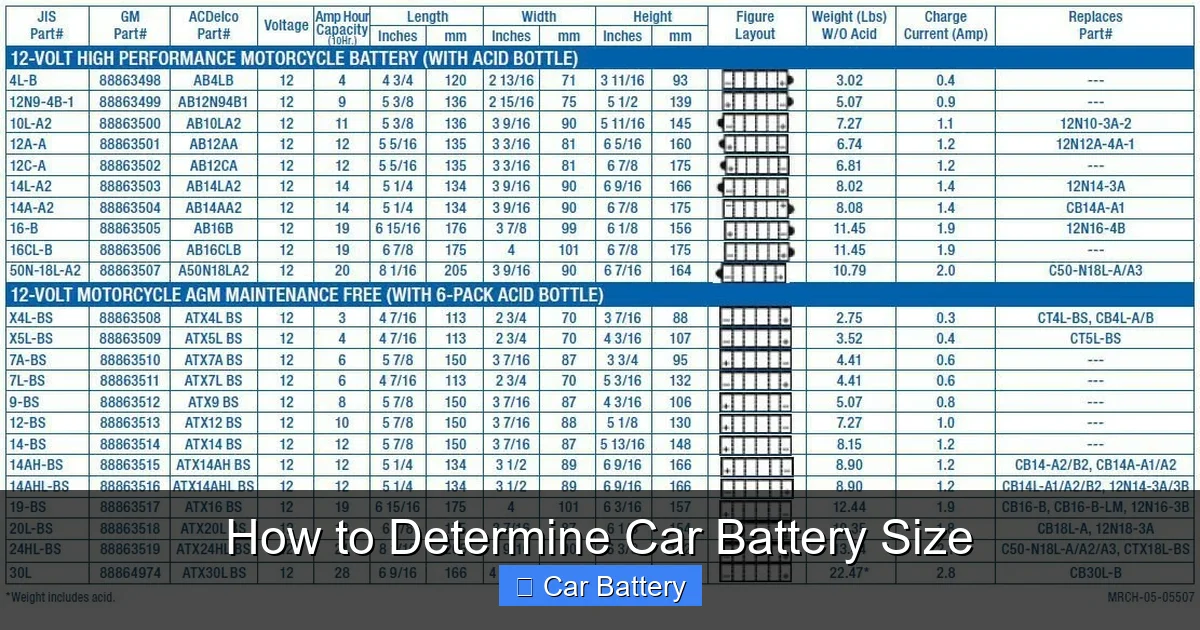
Over time, battery labels can fade, peel, or get covered in dirt and corrosion. If you can’t read the group size or specs, don’t worry—there are still ways to figure it out. Use a tape measure to check the battery’s dimensions (length, width, height) and compare them to standard group sizes. You can also take a photo of the battery and show it to a parts store employee, who can often identify it based on appearance and terminal placement.
Another option is to remove the battery (carefully!) and take it to an auto parts store. Many stores will test it for free and tell you its specifications. This is also a good time to check if the battery is still holding a charge or if it’s time for a replacement.
Pro Tip: Take a Photo Before Removing
Before disconnecting your old battery, snap a photo of how the cables are connected. This makes reinstallation much easier, especially if you’re doing it yourself. Label the cables with tape if needed—red for positive, black for negative.
Inspecting your existing battery is a quick and effective way to determine car battery size. But what if you’re buying a used car or the battery has already been replaced with an unknown brand? That’s where online tools come in handy.
Method 3: Use Online Battery Finders
In today’s digital age, you don’t need to be a mechanic to find the right battery. Many auto parts retailers and battery manufacturers offer online battery finders—free tools that let you search for compatible batteries using your vehicle’s information.
How Online Battery Finders Work
These tools typically ask for your car’s make, model, year, and engine type. Some advanced versions also let you enter your VIN for even more accuracy. Once you input the details, the tool generates a list of compatible batteries, including group size, CCA, and price.
For example, if you drive a 2020 Toyota Camry with a 2.5L engine, the tool might show: Group 35, 600 CCA, $120–$150. It may also suggest premium options with higher CCA or longer warranties.
Popular Battery Finder Tools
Here are a few trusted websites that offer reliable battery finders:
- AutoZone: Enter your vehicle info and browse batteries with free installation at many locations.
- Advance Auto Parts: Offers a detailed search with filters for CCA, brand, and price.
- O’Reilly Auto Parts: Includes compatibility checks and in-store pickup options.
- Interstate Batteries: Manufacturer site with a tool that recommends batteries based on climate and driving habits.
These tools are especially helpful if you’re unsure about your battery size or want to compare options. They eliminate guesswork and ensure you’re choosing a battery that meets your vehicle’s requirements.
Using Your VIN for Maximum Accuracy
Your VIN (Vehicle Identification Number) is a 17-character code that uniquely identifies your car. It’s usually found on the driver’s side dashboard (visible through the windshield) or on the door jamb. Entering your VIN into a battery finder ensures the results are tailored to your exact vehicle, including trim level and optional equipment that might affect battery needs.
For instance, a luxury trim with heated seats and a premium sound system may require a battery with higher reserve capacity. The VIN helps the tool account for these differences.
Limitations of Online Tools
While online battery finders are incredibly convenient, they’re not perfect. They rely on databases that may not be updated for very new or rare vehicles. Also, if your car has been modified (e.g., aftermarket electronics), the recommended battery might not be sufficient.
Always double-check the results against your owner’s manual or existing battery label. If there’s a discrepancy, consult a professional.
Bonus: Mobile Apps
Many auto parts stores also offer mobile apps with built-in battery finders. These let you scan your VIN using your phone’s camera or search by license plate in some regions. They’re perfect for on-the-go shopping or comparing prices at different stores.
Online tools make determining car battery size faster and more accurate than ever. But what if you’re still unsure? Don’t hesitate to ask for help.
Method 4: Consult a Professional or Auto Parts Store
Sometimes, the best way to determine car battery size is to ask someone who knows. Mechanics, auto parts store employees, and even dealership service advisors are trained to help customers find the right battery.
Why Ask a Professional?
Professionals have access to extensive databases and years of experience. They can quickly identify your battery needs based on your vehicle and driving habits. They can also spot potential issues, like a corroded tray or loose cables, that might affect battery performance.
For example, if you live in a cold climate, a mechanic might recommend a battery with a higher CCA rating than the minimum requirement. Or if you frequently take short trips, they might suggest a battery with better reserve capacity to handle frequent charging cycles.
What to Bring When Visiting a Store
To get the most accurate recommendation, bring the following:
- Your vehicle’s make, model, and year
- The VIN (if possible)
- A photo of your current battery (if still installed)
- Information about your driving conditions (e.g., cold winters, frequent short trips)
Many stores also offer free battery testing. They’ll check your current battery’s voltage, CCA, and overall health to determine if it needs replacement or just a recharge.
Dealership vs. Independent Stores
Dealerships often carry OEM (original equipment manufacturer) batteries, which are made by the same company that supplied your car’s original battery. These are typically more expensive but come with strong warranties and guaranteed compatibility.
Independent auto parts stores, on the other hand, offer a wider range of brands and price points. They’re great for finding budget-friendly options or high-performance batteries. Some even provide free installation, which can save you time and effort.
No matter where you go, don’t be afraid to ask questions. A good professional will explain the differences between batteries and help you make an informed decision.
When to Seek Professional Help
You should definitely consult a professional if:
- You’re unsure about your battery size after trying other methods
- Your car has electrical issues (e.g., dim lights, slow cranking)
- You’re installing a high-performance or deep-cycle battery
- You’re not comfortable handling car batteries yourself
Remember, a little expert advice can go a long way in ensuring you get the right battery for your car.
Common Mistakes to Avoid When Choosing a Battery
Even with the best intentions, it’s easy to make mistakes when determining car battery size. Here are some common pitfalls and how to avoid them.
Ignoring Terminal Orientation
One of the most frequent errors is choosing a battery with the wrong terminal placement. Even if the group size matches, the positive and negative terminals might be on the wrong sides, making installation impossible without modifying cables.
Always double-check terminal orientation before buying. If in doubt, compare the new battery to the old one side by side.
Overlooking Climate Needs
Not all batteries perform equally in extreme temperatures. If you live in a cold region, a battery with high CCA is essential. In hot climates, look for batteries with better heat resistance and longer life.
Don’t assume the standard battery is sufficient—adjust based on your local weather.
Choosing Based on Price Alone
While it’s tempting to go for the cheapest option, a low-quality battery may fail sooner or lack the power your car needs. Invest in a reputable brand with a good warranty.
Forgetting to Recycle the Old Battery
Car batteries contain hazardous materials and should never be thrown in the trash. Most auto parts stores accept old batteries for recycling—often for free.
Not Testing the Charging System
A dead battery might not be the root problem. Faulty alternators or parasitic drains can drain a new battery quickly. Have your charging system tested when replacing the battery.
Conclusion
Determining car battery size doesn’t have to be overwhelming. By using your owner’s manual, inspecting the existing battery, leveraging online tools, or consulting a professional, you can confidently find the right battery for your vehicle. Remember to consider both physical fit and electrical specs like CCA and reserve capacity. Avoid common mistakes like ignoring terminal orientation or climate needs. With the right battery, your car will start reliably, your electronics will function smoothly, and you’ll enjoy peace of mind on every drive. When in doubt, don’t hesitate to ask for help—your car (and your sanity) will thank you.
Frequently Asked Questions
How do I find my car battery group size?
Check your owner’s manual, the label on your current battery, or use an online battery finder with your vehicle’s make, model, and year. The group size is a standardized code like 24F or 35 that indicates physical dimensions and terminal placement.
Can I use a battery with a higher CCA than recommended?
Yes, using a battery with a higher cold cranking amp (CCA) rating is generally safe and can improve cold-weather performance. Just ensure the group size and terminal orientation match your vehicle’s requirements.
What happens if I install the wrong battery size?
An incorrect battery size may not fit in the tray, have the wrong terminal placement, or lack sufficient power. This can lead to starting problems, electrical issues, or even damage to your vehicle’s systems.
How often should I replace my car battery?
Most car batteries last 3 to 5 years, depending on climate, driving habits, and maintenance. Test your battery annually after the 3-year mark to monitor its health.
Can I determine battery size by measuring it?
Yes, you can measure the length, width, and height of your current battery and compare it to standard group size dimensions. However, this method is less reliable than checking the label or using your VIN.
Do I need a special battery for a hybrid or electric car?
Hybrid and electric vehicles often use high-voltage traction batteries for propulsion, but they still have a standard 12-volt battery for accessories. Check your owner’s manual for the correct 12-volt battery size.