
How to Cool Down a Car Engine

Overheating can damage your engine and leave you stranded. Knowing how to cool down a car engine quickly and safely is essential for every driver. This guide covers immediate steps, long-term maintenance, and prevention strategies to keep your engine running smoothly.
Key Takeaways
- Pull over safely: If your temperature gauge rises, turn off the engine immediately to prevent serious damage.
- Use the heater: Turning on the heater can help draw heat away from the engine in a pinch.
- Check coolant levels: Low coolant is a common cause of overheating—top it up with the right mixture.
- Inspect the radiator and hoses: Leaks, blockages, or worn parts can restrict coolant flow and cause overheating.
- Maintain the cooling system: Regular flushes and inspections prevent buildup and ensure optimal performance.
- Avoid opening a hot radiator cap: Wait until the engine cools to avoid dangerous steam burns.
- Know when to call a mechanic: Persistent overheating may signal a deeper issue like a blown head gasket.
📑 Table of Contents
Why Engine Cooling Matters
Your car’s engine is a powerhouse that generates intense heat—up to 2,000 degrees Fahrenheit in the combustion chamber. Without proper cooling, this heat can warp metal parts, melt gaskets, and even cause the engine to seize. That’s why understanding how to cool down a car engine isn’t just helpful—it’s essential for safety, performance, and longevity.
Most modern vehicles rely on a liquid cooling system to regulate engine temperature. This system uses coolant (a mix of antifreeze and water) that circulates through the engine block, absorbing heat, and then flows to the radiator where it’s cooled by air. A water pump keeps the coolant moving, while a thermostat controls the flow based on temperature. If any part of this system fails, your engine can overheat quickly—sometimes in just a few minutes.
Overheating doesn’t just happen on hot summer days. It can strike in traffic, during long climbs, or even in cold weather if the cooling system isn’t functioning properly. And while some overheating is due to obvious issues like a broken fan or low coolant, others stem from hidden problems like a failing water pump or clogged radiator. That’s why knowing how to respond and prevent overheating is a skill every driver should have.
Signs Your Engine Is Overheating
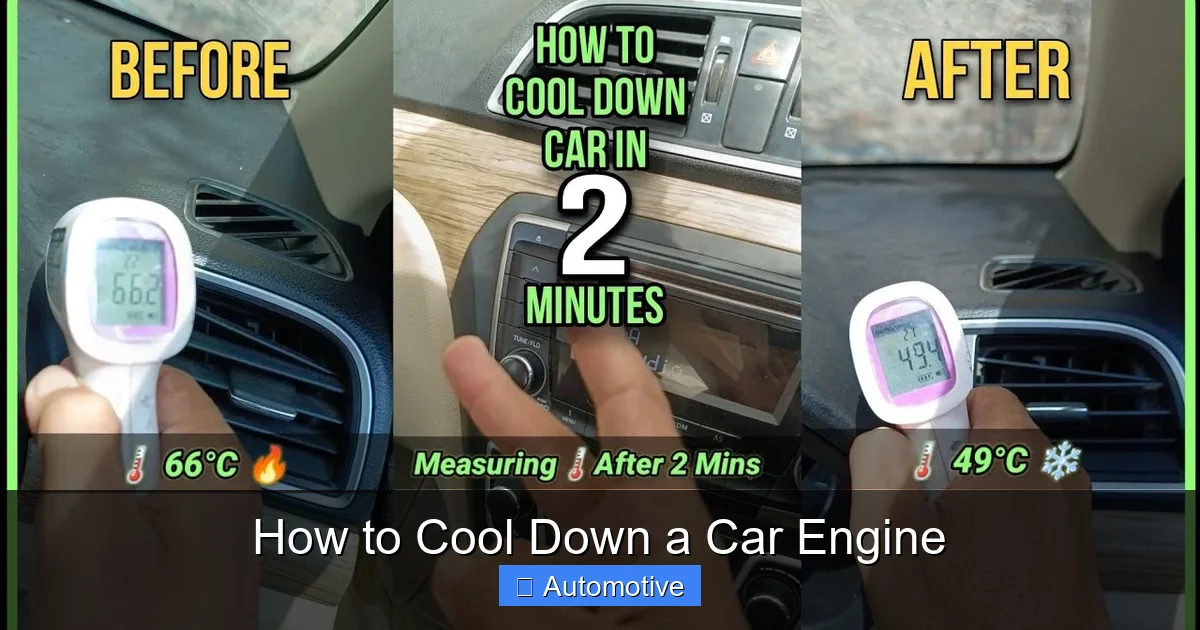
Visual guide about How to Cool Down a Car Engine
Image source: i.ytimg.com
Recognizing the early warning signs of an overheating engine can save you from costly repairs. The most obvious signal is the temperature gauge on your dashboard. If it climbs into the red zone or shows a warning light (often shaped like a thermometer or labeled “TEMP”), take action immediately.
But don’t wait for the gauge to spike. Other signs include steam or smoke rising from under the hood, a sweet smell (from leaking coolant), or unusual noises like knocking or hissing. You might also notice a loss of power, especially when climbing hills or accelerating. In some cases, the engine may start to run rough or stall altogether.
One often-overlooked clue is the heater inside your car. If it suddenly blows hot air even when set to cold, it could mean coolant isn’t circulating properly. This happens when the thermostat is stuck closed or the water pump isn’t working. Pay attention to these subtle hints—they’re your first line of defense against engine damage.
What to Do When You See the Warning Light
If your temperature warning light comes on, don’t panic—but don’t ignore it either. Your first step should be to pull over safely as soon as possible. Turn off the engine to prevent further damage. Do not open the radiator cap while the engine is hot—pressurized steam can cause severe burns.
While waiting for the engine to cool (usually 30–60 minutes), you can take a few smart steps. Turn on your hazard lights to alert other drivers. If you’re on a busy road, stay inside the vehicle with your seatbelt on until it’s safe to exit. Once the engine has cooled, you can begin troubleshooting.
Common Misconceptions About Overheating
Many drivers believe that adding cold water to a hot radiator will cool the engine fast. This is dangerous. Pouring cold liquid into a hot system can cause thermal shock, cracking the engine block or radiator. Always wait for the engine to cool before adding coolant or water.
Another myth is that overheating only happens in summer. In reality, cold weather can cause issues too. Antifreeze prevents coolant from freezing, but if the mixture is wrong or the thermostat is stuck, the engine may not reach optimal operating temperature—or it may overheat due to poor circulation.
Immediate Steps to Cool Down a Car Engine
Visual guide about How to Cool Down a Car Engine
Image source: i.ytimg.com
When your engine starts to overheat, quick action can prevent serious damage. Here’s what to do right away.
First, pull over to a safe location—preferably off the road and away from traffic. Turn off the engine immediately. Continuing to drive can cause irreversible damage, including warped cylinder heads or a blown head gasket.
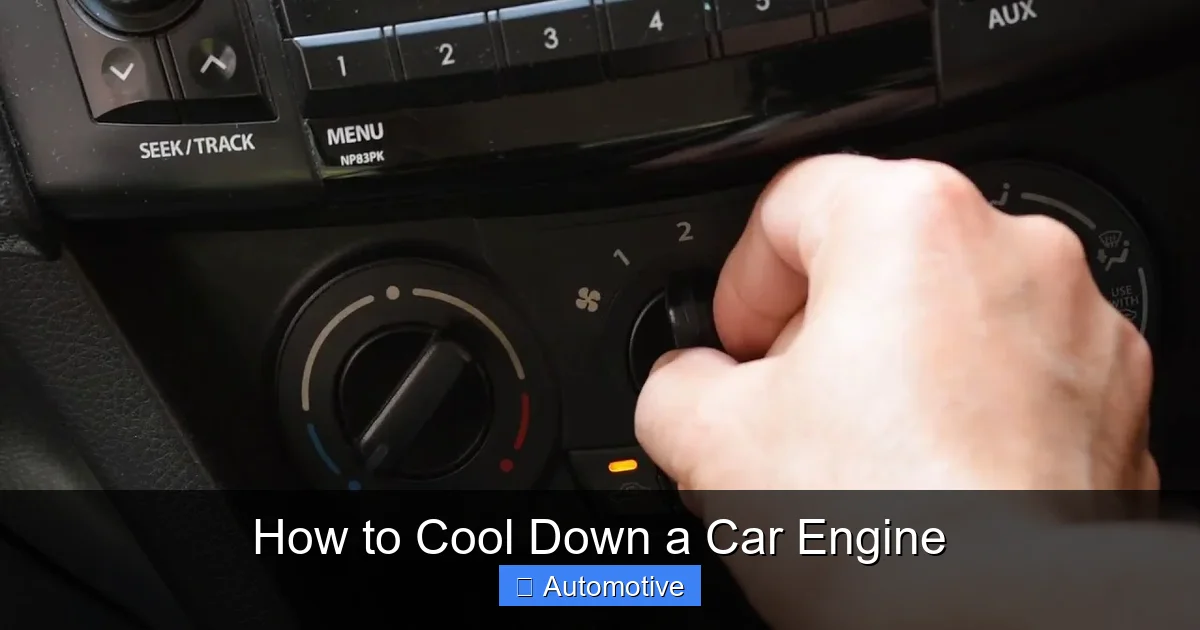
Next, turn on your heater to full blast, even if it’s hot outside. This might sound counterintuitive, but it helps. The heater core acts as a secondary radiator, drawing heat away from the engine and releasing it into the cabin. While this won’t fix the problem, it can buy you a few extra minutes to get to a safe spot or call for help.
If you’re in traffic and can’t pull over right away, try turning off the air conditioning. AC puts extra load on the engine and cooling system. Shifting to neutral and revving the engine slightly (about 1,500–2,000 RPM) can also help increase coolant flow and fan speed, especially if the electric cooling fan isn’t working.
Using the Heater to Cool the Engine
The heater trick works because your car’s heating system is connected to the engine’s cooling system. Coolant flows through the heater core—a small radiator under the dashboard—and warms the air that blows into the cabin. By turning the heater on high, you’re essentially using the cabin as a heat sink.
This method is most effective when the engine is still running but overheating. It won’t solve the root cause, but it can reduce engine temperature by 10–20 degrees, giving you time to reach a service station. Just be prepared for hot air blowing inside—wear light clothing and crack a window if needed.
When to Rev the Engine
Revving the engine (increasing RPMs) can help in certain situations. If your car has a mechanical fan (belt-driven), higher RPMs will spin the fan faster, improving airflow through the radiator. This is especially useful if you’re stuck in stop-and-go traffic with poor airflow.
However, don’t rev the engine if it’s already very hot or if you suspect a coolant leak. Excessive revving can increase heat and pressure, worsening the problem. Only do this briefly and while monitoring the temperature gauge.
Checking and Adding Coolant
Visual guide about How to Cool Down a Car Engine
Image source: carglassadvisor.com
Coolant—also called antifreeze—is the lifeblood of your engine’s cooling system. It absorbs heat, prevents freezing, and protects against corrosion. Low coolant levels are one of the most common causes of overheating.
To check coolant, wait until the engine is completely cool. Locate the coolant reservoir (usually a translucent plastic tank near the radiator). The reservoir has “MIN” and “MAX” markings. If the level is below “MIN,” you need to add coolant.
Never open the radiator cap when the engine is hot. The system is pressurized, and opening it can release a burst of steam and hot coolant, causing serious burns. Always wait at least 30 minutes after turning off the engine.
How to Add Coolant Safely
Once the engine is cool, remove the radiator cap slowly—turn it a quarter turn to release pressure, then fully unscrew it. Check the coolant level in the radiator itself (it should be near the top). If it’s low, add a 50/50 mix of antifreeze and distilled water. Never use straight antifreeze or plain tap water, as both can cause problems.
If you don’t have pre-mixed coolant, you can mix concentrated antifreeze with distilled water in a separate container before pouring it in. Use the type recommended in your owner’s manual—common types include ethylene glycol (green) and Dexcool (orange).
After adding coolant, replace the cap securely and start the engine. Let it run for a few minutes with the heater on to circulate the new coolant. Check the level again and top up if needed.
Signs of Coolant Leaks
If you’re frequently low on coolant, you likely have a leak. Common signs include puddles of bright green, orange, or pink fluid under your car, a sweet smell, or white smoke from the exhaust (which could indicate coolant burning in the combustion chamber).
Leaks can occur in the radiator, hoses, water pump, or heater core. A visual inspection can often reveal the source—look for cracks, wet spots, or crusty residue around connections. If you can’t find the leak, have a mechanic inspect it. Driving with a coolant leak is risky and can lead to complete engine failure.
Inspecting the Radiator and Cooling System
The radiator is where hot coolant releases its heat to the air. If it’s clogged, damaged, or not getting enough airflow, your engine will overheat. Regular inspections can catch problems early.
Start by checking the radiator fins. These thin metal strips can get bent or clogged with dirt, bugs, or debris. Use a soft brush or compressed air to clean them gently. Avoid using high-pressure water, which can bend the fins and reduce efficiency.
Next, inspect the radiator hoses. They should be firm but flexible, not cracked, swollen, or leaking. Squeeze them gently—if they feel mushy or brittle, they need replacement. Hoses typically last 4–6 years, so consider replacing them as part of routine maintenance.
The Role of the Thermostat
The thermostat controls when coolant flows from the engine to the radiator. When the engine is cold, it stays closed, allowing the engine to warm up quickly. Once the engine reaches operating temperature (usually around 195°F), the thermostat opens.
A stuck thermostat is a common cause of overheating. If it’s stuck closed, coolant can’t reach the radiator, and the engine heats up fast. If it’s stuck open, the engine may run too cool, reducing fuel efficiency and performance.
Symptoms of a faulty thermostat include erratic temperature readings, overheating in traffic but normal temps on the highway, or a heater that doesn’t get warm. Replacement is usually straightforward and inexpensive.
Water Pump and Fan Function
The water pump circulates coolant through the engine and radiator. If it fails, coolant stops flowing, and the engine overheats quickly. Signs of a failing pump include coolant leaks near the front of the engine, a whining noise, or steam from the front.
Cooling fans (electric or mechanical) pull air through the radiator when the car is moving slowly or idling. If the fan doesn’t turn on when the engine is hot, check the fuse, relay, or temperature sensor. A broken fan can cause overheating in traffic even if the radiator is fine.
Preventing Engine Overheating
The best way to handle overheating is to prevent it. Regular maintenance keeps your cooling system in top shape and catches issues before they become emergencies.
Follow your vehicle’s recommended service schedule. Most manufacturers suggest flushing the cooling system every 30,000 to 50,000 miles or every 2–5 years. This removes rust, scale, and old additives that can clog the system.
Use the correct coolant type and mixture. Mixing different types (e.g., green and orange) can cause sludge formation. Always use distilled water—tap water contains minerals that can corrode the system.
Seasonal Maintenance Tips
In winter, ensure your antifreeze concentration is high enough to prevent freezing (usually 50/50). In summer, check that the radiator isn’t blocked by bugs or debris. Park in the shade when possible to reduce heat buildup.
Before long trips, inspect the cooling system. Check coolant level, hose condition, and fan operation. Carry extra coolant and a basic toolkit in case of emergencies.
Driving Habits That Help
Avoid aggressive driving, especially in hot weather. Rapid acceleration and hard braking generate extra heat. Use cruise control on highways to maintain steady speeds and reduce engine strain.
If you tow a trailer or drive in mountainous areas, consider upgrading to a high-capacity radiator or auxiliary fan. These modifications improve cooling under heavy loads.
When to Call a Mechanic
Sometimes, overheating isn’t something you can fix on the side of the road. If your engine overheats repeatedly, or if you notice signs of serious damage, it’s time to see a professional.
Persistent overheating may indicate a blown head gasket, cracked engine block, or internal coolant leak. These issues require specialized tools and expertise to diagnose and repair. Ignoring them can lead to engine replacement—a costly outcome.
Other red flags include white smoke from the exhaust, milky oil (a sign of coolant mixing with oil), or a sweet smell inside the cabin. These suggest internal leaks that need immediate attention.
DIY vs. Professional Repairs
Simple tasks like topping up coolant or replacing hoses can often be done at home with basic tools. But if you’re unsure about the cause of overheating, or if the problem persists after basic fixes, don’t hesitate to call a mechanic.
A professional inspection can include pressure testing the cooling system, checking for combustion gases in the coolant (a sign of head gasket failure), and scanning for engine trouble codes. Early diagnosis saves money and prevents catastrophic failure.
Conclusion
Knowing how to cool down a car engine is a vital skill for every driver. Overheating can happen to anyone, but with the right knowledge and preparation, you can respond quickly and safely. From pulling over and using the heater to checking coolant and inspecting the radiator, these steps can prevent minor issues from becoming major repairs.
Regular maintenance is your best defense. Keep your cooling system clean, use the right coolant, and address leaks or warning signs promptly. And remember—when in doubt, call a professional. Your engine is the heart of your car, and protecting it ensures many more miles of reliable driving.
By staying informed and proactive, you’ll not only avoid breakdowns but also extend the life of your vehicle. So the next time you see that temperature light flicker, you’ll know exactly what to do.
Frequently Asked Questions
Can I drive my car if the engine is overheating?
No, you should not drive if your engine is overheating. Continuing to drive can cause severe damage, including warped cylinder heads or a seized engine. Pull over safely and turn off the engine immediately.
Is it safe to add water to a hot radiator?
No, never add water or coolant to a hot radiator. The system is pressurized, and opening the cap can release steam and hot liquid, causing serious burns. Wait until the engine is completely cool before adding coolant.
Why does my car overheat in traffic but not on the highway?
This usually means your cooling fan isn’t working. At highway speeds, airflow cools the radiator naturally, but in traffic, the fan is needed to pull air through. Check the fan, fuse, and relay.
How often should I check my coolant level?
Check your coolant level every month or before long trips. Also inspect it during oil changes. Low coolant can indicate a leak that needs attention.
Can a bad thermostat cause overheating?
Yes, a stuck-closed thermostat prevents coolant from flowing to the radiator, causing rapid overheating. A stuck-open thermostat can cause the engine to run too cool, reducing efficiency.
What should I do if my engine overheats and I’m far from help?
Turn on the heater to draw heat away, pull over safely, and turn off the engine. Wait for it to cool, then check coolant levels. If safe, add coolant and drive slowly to the nearest service station. If not, call for roadside assistance.