How to Clear Low Tire Pressure Light

Discover simple, effective ways to clear the low tire pressure light on your dashboard. From checking tire pressure to resetting the TPMS, this guide covers everything you need to stay safe and avoid costly repairs.
In This Article
- 1 Key Takeaways
- 2 📑 Table of Contents
- 3 Why Is the Low Tire Pressure Light On?
- 4 How to Check Your Tire Pressure
- 5 How to Clear the Low Tire Pressure Light After Inflating Tires
- 6 Using OBD2 Scanners and TPMS Tools
- 7 Common Reasons the Light Won’t Turn Off
- 8 Preventing the Low Tire Pressure Light from Coming Back
- 9 When to See a Mechanic
- 10 Conclusion
- 11 Frequently Asked Questions
- 11.1 Why does the low tire pressure light come on in cold weather?
- 11.2 Can I drive with the low tire pressure light on?
- 11.3 How often should I check my tire pressure?
- 11.4 Do I need a special tool to reset the TPMS?
- 11.5 How much does it cost to replace a TPMS sensor?
- 11.6 Will the light turn off by itself after inflating tires?
Key Takeaways
- Check tire pressure regularly: Use a reliable gauge to ensure all tires are inflated to the manufacturer’s recommended PSI.
- Inflate underinflated tires: Add air until each tire reaches the correct pressure, especially after temperature changes.
- Drive the vehicle to reset the system: Many TPMS systems automatically clear the light after driving 10–20 minutes at moderate speeds.
- Use the TPMS reset button: Some cars have a physical button under the steering wheel or in the glove box to manually reset the light.
- Scan tools and OBD2 readers: Advanced tools can reset the TPMS and diagnose sensor issues if the light persists.
- Replace faulty sensors: Dead or damaged TPMS sensors may need replacement, especially in older vehicles.
- Visit a professional if needed: If the light won’t turn off, a mechanic can inspect for leaks, sensor problems, or system faults.
📑 Table of Contents
Why Is the Low Tire Pressure Light On?
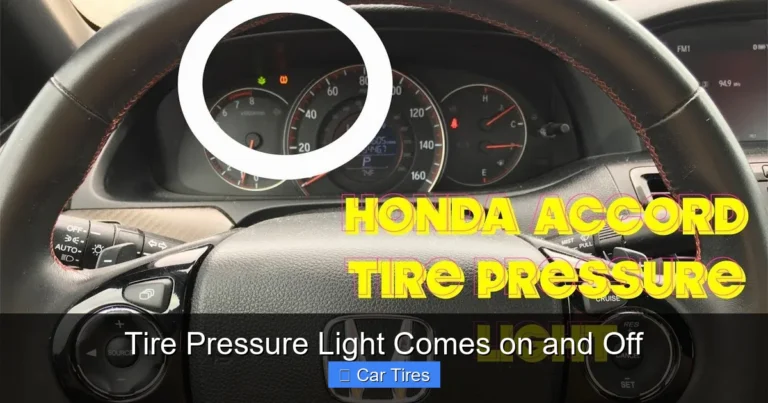
The low tire pressure light—often shaped like a horseshoe with an exclamation point—is one of the most common dashboard warnings drivers see. It’s part of your vehicle’s Tire Pressure Monitoring System (TPMS), designed to alert you when one or more tires are significantly underinflated. But what exactly triggers this warning, and why should you take it seriously?
Tire pressure naturally fluctuates with temperature changes. Cold mornings can cause air inside tires to contract, lowering pressure by 1–2 PSI for every 10°F drop in temperature. This is why the light often appears in winter or after a cold night. However, the light can also come on due to a slow leak, a damaged valve stem, or a malfunctioning TPMS sensor. Ignoring it can lead to reduced fuel efficiency, uneven tire wear, and even dangerous blowouts at high speeds.
Understanding the root cause is the first step in clearing the low tire pressure light. It’s not just about turning off a warning—it’s about ensuring your tires are safe and performing at their best. In this guide, we’ll walk you through every method to clear the light, from simple DIY fixes to professional solutions.
How to Check Your Tire Pressure

Visual guide about How to Clear Low Tire Pressure Light
Image source: images.saymedia-content.com
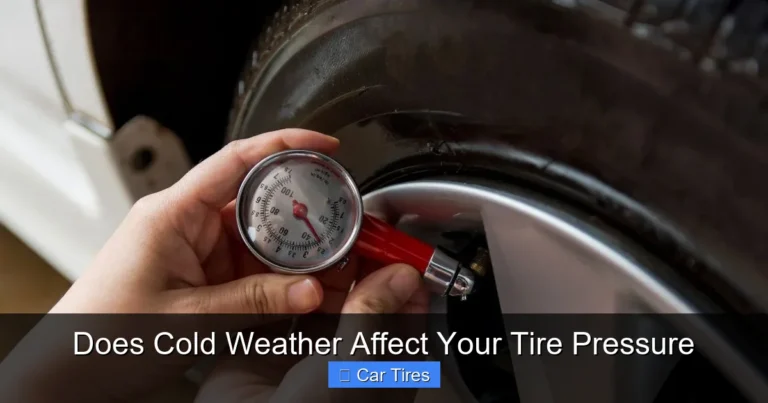
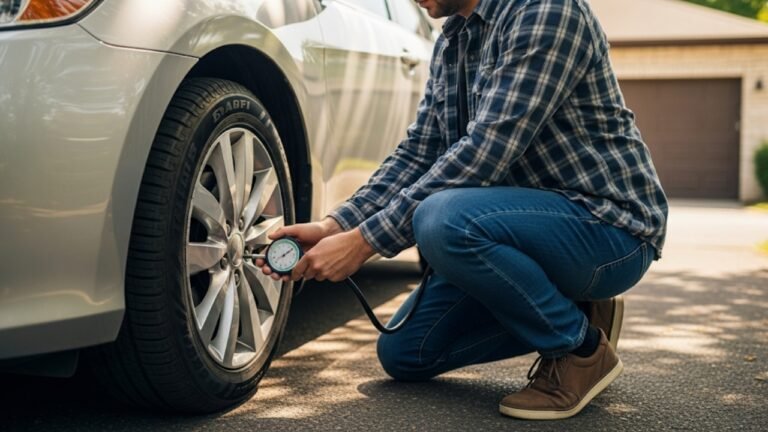
Before you can clear the low tire pressure light, you need to confirm whether your tires are actually underinflated. Guessing won’t cut it—tires can look fine even when they’re dangerously low. That’s why using a tire pressure gauge is essential.
Step 1: Find the Recommended PSI
Every vehicle has a recommended tire pressure, measured in pounds per square inch (PSI). This isn’t the number printed on the tire sidewall—that’s the maximum pressure the tire can handle. Instead, check the sticker inside your driver’s side door jamb or consult your owner’s manual. For most passenger cars, the ideal range is between 30 and 35 PSI, but SUVs and trucks may require higher pressure.
Step 2: Use a Reliable Tire Pressure Gauge
There are three main types of gauges: digital, dial, and stick. Digital gauges are the most accurate and easy to read, while stick gauges are inexpensive but less precise. Avoid relying on the air pump gauges at gas stations—they’re often outdated or poorly calibrated.
To check pressure:
– Remove the valve cap from the tire.
– Press the gauge firmly onto the valve stem until you hear a hiss stop.
– Read the pressure displayed.
– Replace the valve cap.
Step 3: Check All Four Tires (Plus the Spare)
Don’t assume only one tire is low. Check all four tires, and if your vehicle has a full-size spare, check that too. Even a small difference in pressure between tires can affect handling and trigger the TPMS light.
Step 4: Inflate Underinflated Tires
If any tire is below the recommended PSI, use an air compressor to add air. Most gas stations have coin-operated pumps with built-in gauges. Inflate slowly and recheck frequently to avoid overinflation. Overinflated tires can be just as dangerous as underinflated ones, leading to a harsher ride and reduced traction.
Practical Tip: Check Pressure When Tires Are Cold
For the most accurate reading, check tire pressure when the tires are “cold”—meaning the car hasn’t been driven for at least three hours. Driving heats up the tires, expanding the air inside and giving a falsely high reading.
How to Clear the Low Tire Pressure Light After Inflating Tires

Visual guide about How to Clear Low Tire Pressure Light
Image source: tpmsreset.com
Once your tires are properly inflated, the next step is to clear the low tire pressure light. The method depends on your vehicle’s make, model, and TPMS type. There are two main types of TPMS: direct and indirect.
Direct TPMS: Sensors in Each Tire
Most modern vehicles use direct TPMS, which relies on sensors mounted inside each tire (usually on the valve stem or wheel). These sensors measure pressure and send real-time data to the car’s computer. When pressure drops, the system triggers the warning light.
Indirect TPMS: Uses Wheel Speed Sensors
Older or budget-friendly models may use indirect TPMS, which doesn’t have physical sensors. Instead, it monitors wheel rotation speeds using the ABS system. Underinflated tires rotate faster than properly inflated ones, and the system detects this imbalance.
Method 1: Drive the Vehicle
The simplest way to clear the low tire pressure light is to drive the car. After inflating all tires to the correct PSI, take a 10- to 20-minute drive at speeds above 30 mph. This allows the TPMS to recalibrate and recognize that pressure is now normal.
For direct TPMS systems, the sensors will transmit updated data once the tires are warm and stable. For indirect systems, the ABS recalibrates based on consistent wheel speeds. In many cases, the light will turn off automatically within a few minutes of driving.
Method 2: Use the TPMS Reset Button
Some vehicles have a dedicated TPMS reset button, usually located under the steering column, in the glove box, or near the fuse panel. The exact location varies by make and model, so check your owner’s manual.
To use the reset button:
– Turn the ignition to the “on” position (don’t start the engine).
– Press and hold the TPMS reset button until the light blinks three times, then release.
– Start the engine and drive for 10–20 minutes to allow the system to recalibrate.
This method works well for vehicles like Honda, Toyota, and some Ford models. However, not all cars have this button, so don’t panic if you can’t find one.
Method 3: Turn the Ignition On and Off
On some vehicles, a simple ignition cycle can reset the TPMS. Try this:
– Turn the key to the “on” position (dashboard lights on, engine off).
– Wait 20–30 seconds.
– Turn the key back to “off.”
– Repeat this cycle 2–3 times.
– Start the engine and drive.
This method is especially common in older GM and Chrysler vehicles. It forces the system to reinitialize and may clear the light if the pressure is now correct.
Method 4: Use the Infotainment or Settings Menu
Many newer cars allow you to reset the TPMS through the dashboard or touchscreen menu. For example:
– On a Toyota, go to “Settings” > “Vehicle” > “TPMS Reset.”
– On a Ford, use the steering wheel controls to navigate to “Settings” > “Vehicle” > “Tire Pressure” > “Reset.”
Follow the on-screen prompts to complete the reset. This method is user-friendly and often includes confirmation messages.
Using OBD2 Scanners and TPMS Tools

Visual guide about How to Clear Low Tire Pressure Light
Image source: wheelsjoint.com
If the low tire pressure light won’t turn off after inflating tires and driving, the issue may be more complex. Faulty sensors, dead batteries, or system glitches could be to blame. In these cases, advanced tools like OBD2 scanners or dedicated TPMS tools can help.
What Is an OBD2 Scanner?
An OBD2 (On-Board Diagnostics) scanner plugs into your car’s OBD2 port, usually under the dashboard near the steering wheel. It reads diagnostic trouble codes (DTCs) from the vehicle’s computer, including TPMS-related issues.
Many modern OBD2 scanners can reset the TPMS system with a few button presses. Some even come with TPMS activation tools that can wake up sensors and force a relearn.
How to Use an OBD2 Scanner to Reset TPMS
– Plug the scanner into the OBD2 port.
– Turn the ignition to “on.”
– Follow the scanner’s menu to access the TPMS or tire pressure section.
– Select “Reset TPMS” or “Relearn Sensors.”
– Drive the vehicle for 10–20 minutes to complete the process.
Popular scanners like the BlueDriver, Autel MaxiCOM, or Foxwell NT510 are user-friendly and come with detailed instructions.
Dedicated TPMS Tools
For more advanced diagnostics, consider a TPMS-specific tool like the Autel TS508 or ATEQ VT56. These devices can:
– Read sensor IDs and battery status.
– Activate and program new sensors.
– Perform a TPMS relearn procedure.
These tools are often used by mechanics but are available for purchase or rent at auto parts stores. Some stores even offer free TPMS resets with a tire purchase.
When to Use Professional Tools
If you’re not comfortable using scanners or if the light persists, visit a tire shop or dealership. They have professional-grade equipment and can diagnose issues like:
– Dead sensor batteries (typically last 5–10 years).
– Damaged sensors from potholes or tire changes.
– Corroded valve stems or faulty seals.
Replacing a TPMS sensor can cost $50–$150 per tire, including labor, but it’s often necessary for older vehicles.
Common Reasons the Light Won’t Turn Off
Even after following all the steps, the low tire pressure light may remain on. Here are the most common reasons and how to fix them.
1. One or More Tires Are Still Underinflated
Double-check all tires with a reliable gauge. Sometimes, a tire may appear full but still be 2–3 PSI low. Recheck after driving, as pressure can drop slightly due to temperature changes.
2. TPMS Sensor Battery Is Dead
TPMS sensors are powered by small batteries that last 5–10 years. When the battery dies, the sensor stops transmitting data, and the light stays on. This is common in vehicles over 7 years old. Replacement is the only solution.
3. Sensor Was Damaged During Tire Service
If you recently had your tires rotated, balanced, or replaced, the TPMS sensor may have been damaged. Tire shops use special tools to avoid this, but accidents happen. Ask the technician to inspect the sensors.
4. System Needs a Relearn Procedure
After replacing sensors or rotating tires, the TPMS may need a “relearn” to recognize the new sensor positions. This is especially true for vehicles with directional sensors. The relearn process varies by make and model—some require a scan tool, while others use a specific driving pattern.
5. Faulty TPMS Module or Wiring
In rare cases, the TPMS control module or wiring may be faulty. This requires professional diagnosis with a scan tool. Symptoms include intermittent lights, false warnings, or no communication with sensors.
6. Temperature Fluctuations
Extreme cold or heat can cause temporary pressure drops. If you live in a region with harsh winters, the light may come on during cold snaps. Inflate tires slightly above the recommended PSI (but never exceed the max on the sidewall) to compensate.
Preventing the Low Tire Pressure Light from Coming Back
Clearing the low tire pressure light is only half the battle. To avoid future warnings, adopt these preventive habits.
Check Tire Pressure Monthly
Make it a habit to check tire pressure at least once a month. Set a reminder on your phone or calendar. Regular checks catch slow leaks early and ensure optimal performance.
Inspect Tires for Damage
Look for nails, cracks, bulges, or worn tread. Even small punctures can cause gradual air loss. If you find damage, get it repaired or replace the tire.
Replace TPMS Sensors When Needed
If your car is over 7 years old, consider replacing TPMS sensors proactively. This prevents unexpected failures and keeps the system reliable.
Use Nitrogen in Tires (Optional)
Nitrogen molecules are larger than oxygen, so they leak more slowly. Some drivers use nitrogen to maintain stable pressure, especially in extreme climates. While not necessary, it can reduce the frequency of pressure checks.
Keep a Portable Air Compressor
A small, 12V air compressor in your trunk lets you inflate tires on the go. Many models plug into the cigarette lighter and come with built-in gauges. This is especially useful during road trips or winter months.
When to See a Mechanic
While most low tire pressure light issues can be resolved at home, some situations require professional help.
The Light Won’t Turn Off After All Steps
If you’ve inflated tires, driven the car, and tried reset methods, but the light remains on, visit a mechanic. They can run a full TPMS diagnostic and check for hidden issues.
You Notice a Slow Leak
If a tire keeps losing air despite repairs, there may be a leak in the rim, valve stem, or internal damage. A mechanic can perform a bubble test or use a smoke machine to locate the source.
Multiple Sensors Are Faulty
If two or more sensors are dead or malfunctioning, it’s more cost-effective to replace them all at once. A mechanic can also ensure proper programming and relearn.
You’re Unsure About the Process
If you’re not confident in your ability to diagnose or fix the issue, don’t guess. A professional inspection ensures your safety and prevents further damage.
Conclusion
Clearing the low tire pressure light doesn’t have to be stressful. With the right knowledge and tools, most drivers can resolve the issue in under 30 minutes. Start by checking tire pressure with a reliable gauge, inflate as needed, and use one of the reset methods—driving, a reset button, or a scan tool. If the light persists, consider sensor replacement or professional help.
Remember, the TPMS is there to protect you. Ignoring the warning can lead to poor fuel economy, uneven tire wear, and even accidents. By staying proactive and maintaining proper tire pressure, you’ll enjoy a smoother, safer ride and extend the life of your tires.
Take a few minutes each month to check your tires. It’s a small habit with big rewards. And the next time that little horseshoe light pops up, you’ll know exactly what to do.
Frequently Asked Questions
Why does the low tire pressure light come on in cold weather?
Cold temperatures cause air inside tires to contract, lowering pressure by 1–2 PSI for every 10°F drop. This often triggers the TPMS light, even if tires were properly inflated before the temperature drop.
Can I drive with the low tire pressure light on?
You can drive short distances, but it’s not safe for long trips or high speeds. Underinflated tires overheat, wear unevenly, and increase the risk of a blowout. Inflate tires as soon as possible.
How often should I check my tire pressure?
Check tire pressure at least once a month and before long trips. Also check it when seasons change, especially in winter, as temperature swings affect pressure.
Do I need a special tool to reset the TPMS?
Not always. Many cars reset automatically after driving. Others use a reset button or menu option. For stubborn cases, an OBD2 scanner or TPMS tool may be needed.
How much does it cost to replace a TPMS sensor?
Replacement costs $50–$150 per sensor, including parts and labor. Prices vary by vehicle and location. Some shops offer discounts if replacing multiple sensors.
Will the light turn off by itself after inflating tires?
In many cases, yes—especially with direct TPMS systems. After inflating and driving 10–20 minutes, the sensors send updated data and the light turns off. If not, a manual reset may be needed.