How to Check Tire Wear with a Penny
Checking tire wear with a penny is a fast, reliable way to assess tread depth and avoid unsafe driving conditions. This simple test helps you determine if your tires meet the legal minimum and when it’s time for a replacement—no tools required.
In This Article
Key Takeaways
- Use a penny to measure tread depth: Insert Lincoln’s head into the tire grooves—if you can see the top of his head, your tread is too worn.
- Check multiple spots on each tire: Tread wear can vary across the tire surface, so inspect the inner, center, and outer edges.
- Perform the test monthly: Regular checks help catch wear early and improve safety, especially before long trips or seasonal changes.
- Understand the 2/32-inch rule: Tires are legally worn out when tread depth falls below 2/32 of an inch—the penny test confirms this threshold.
- Look for uneven wear patterns: Cupping, feathering, or bald spots may indicate alignment, inflation, or suspension issues.
- Replace tires proactively: Even if they pass the penny test, consider replacing tires older than 6–10 years due to rubber degradation.
- Combine with other checks: Use the penny test alongside visual inspections and pressure checks for a complete tire health assessment.
📑 Table of Contents
Why Checking Tire Wear Matters
Your tires are the only part of your car that touches the road. That means their condition directly affects your safety, handling, braking, and fuel efficiency. Worn tires can’t grip wet or snowy roads properly, increasing the risk of hydroplaning, skidding, or losing control. In fact, the National Highway Traffic Safety Administration (NHTSA) reports that tire-related issues contribute to thousands of crashes each year—many of which could have been prevented with routine inspections.
One of the most critical aspects of tire maintenance is monitoring tread depth. Tread channels water away from the tire, maintains traction, and helps prevent accidents in adverse weather. As tires wear down, their ability to perform these functions diminishes. That’s why knowing how to check tire wear with a penny is such a valuable skill. It’s a simple, no-cost method that anyone can do at home, in the driveway, or even at a gas station.
Unlike complex diagnostic tools or expensive equipment, the penny test requires nothing more than a common coin and a few seconds of your time. It’s a time-tested technique recommended by mechanics, safety experts, and even the U.S. Department of Transportation. Whether you’re a new driver or a seasoned car owner, mastering this quick check can help you stay safe, save money on repairs, and extend the life of your vehicle.
How the Penny Test Works
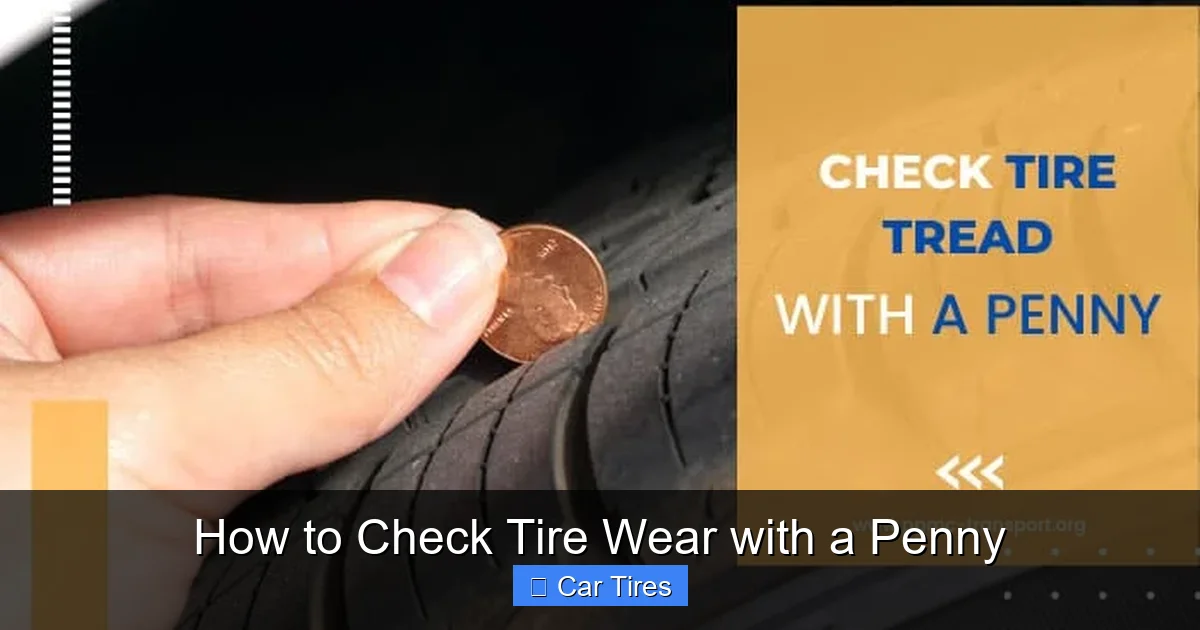
Visual guide about How to Check Tire Wear with a Penny
Image source: ppmc-transport.org
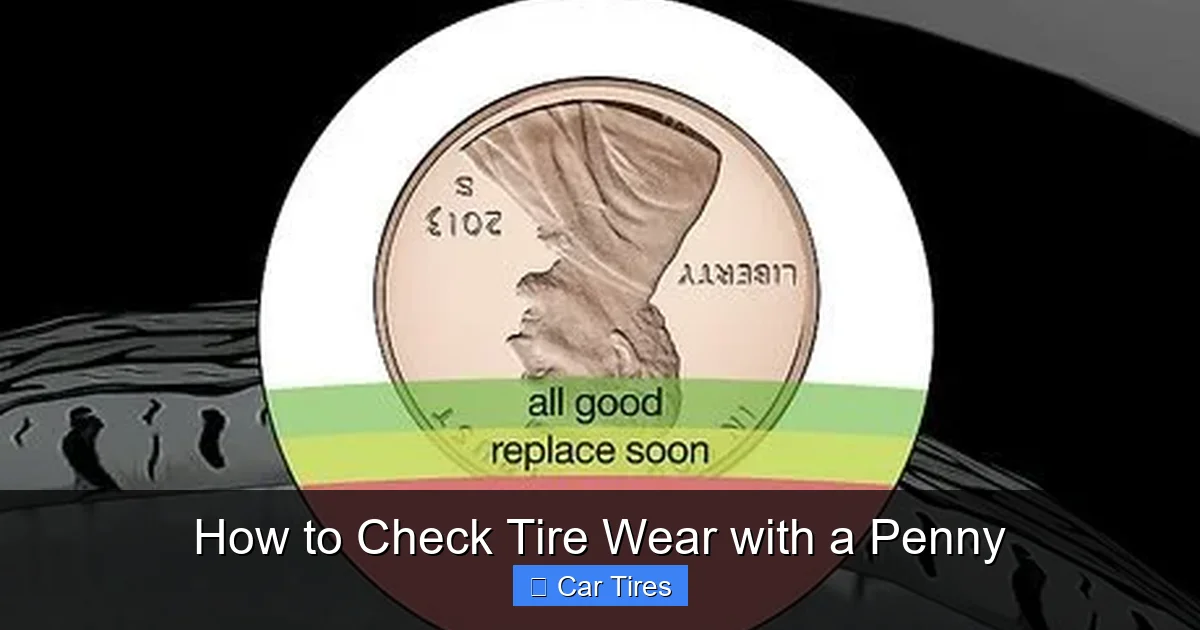
The penny test is based on a straightforward principle: measuring tread depth by comparing it to the height of Abraham Lincoln’s head on a penny. Here’s how it works in practice.
Insert a penny into the tire’s tread groove with Lincoln’s head pointing downward, facing you. Push the coin in as far as it will go. Now, look at the coin. If the top of Lincoln’s head—specifically, the top of his hairline—is completely covered by the tread, your tire has sufficient tread depth. If you can see the entire head, including the top of his hair, your tread is worn down to 2/32 of an inch or less—the legal minimum in most states.
This threshold is critical. Tires with less than 2/32 inches of tread are considered unsafe and illegal in many regions. At this point, the tire lacks the necessary grooves to channel water effectively, increasing the risk of hydroplaning and reducing stopping power. The penny test gives you a quick visual cue to determine whether your tires are still roadworthy.
It’s important to note that this test isn’t just about passing a legal requirement—it’s about safety. Even if your tires technically meet the minimum, driving on worn treads in rain, snow, or on highways can be risky. Experts often recommend replacing tires when tread depth reaches 4/32 of an inch, especially for drivers in wet or snowy climates.
Step-by-Step Guide to the Penny Test
Performing the penny test is easy, but doing it correctly ensures accurate results. Follow these steps for the best outcome:
1. **Gather your materials:** You only need a clean penny. Make sure it’s not corroded or damaged, as this could affect visibility.
2. **Choose the right location:** Park your car on a flat, level surface and turn off the engine. Engage the parking brake for safety.
3. **Select the tread grooves:** Look for the deepest grooves on the tire—these are usually in the center or outer edges. Avoid areas with obvious damage or foreign objects.
4. **Insert the penny:** Place the penny into the groove with Lincoln’s head pointing down and facing you. Push it in firmly until it stops.
5. **Check the visibility:** Look at the coin. If the top of Lincoln’s head is fully covered by tread, your tire passes. If you can see the entire head, it’s time to replace the tire.
6. **Repeat in multiple spots:** Test at least three different locations around the tire—inner, center, and outer edge. Tread wear isn’t always even, so this gives you a complete picture.
For example, imagine you’re checking the front passenger-side tire. You insert the penny near the center and can’t see Lincoln’s head—good. But when you check near the outer edge, the top of his head is visible. This uneven wear could signal an alignment issue or underinflation, and it means that section of the tire is unsafe.
Why Lincoln’s Head? The Science Behind the Coin
You might wonder why a penny—and specifically Lincoln’s head—is used for this test. It’s not arbitrary. The U.S. penny has a consistent thickness, and the height from the base of the coin to the top of Lincoln’s head is approximately 2/32 of an inch. This makes it a perfect, standardized reference point for measuring minimum tread depth.
Other coins, like a quarter or nickel, have different dimensions and wouldn’t provide the same accuracy. For instance, a quarter is thicker, so using it might give a false sense of security. The penny’s design ensures that when the top of Lincoln’s head is visible, the tread has worn down to the legal limit.
This method was popularized by safety campaigns in the 1960s and has since become a staple in driver education programs. It’s so effective because it’s accessible—everyone has a penny, and no special training is needed. Plus, it’s a tactile way to understand tread depth, making it easier to remember than abstract measurements.
When and How Often to Check Your Tires
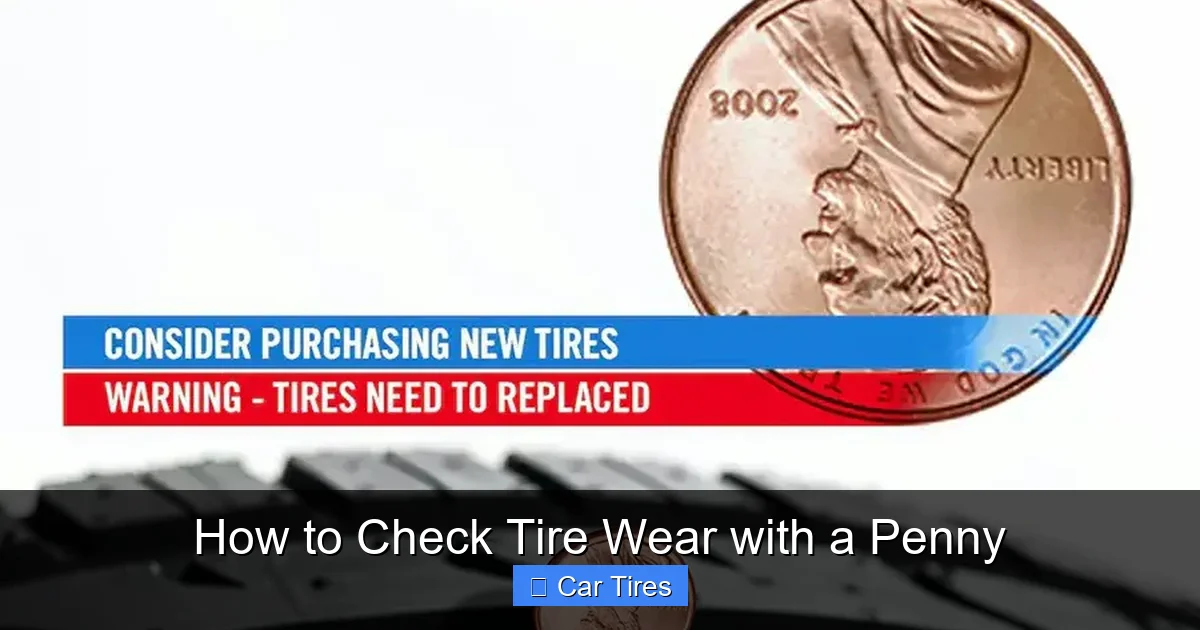
Visual guide about How to Check Tire Wear with a Penny
Image source: worldtirereview.com
Knowing how to check tire wear with a penny is only half the battle—you also need to know when to do it. Regular inspections are key to catching problems before they become dangerous.
Experts recommend performing the penny test at least once a month. This frequency allows you to monitor gradual wear and spot sudden changes, such as a rapid loss of tread due to underinflation or alignment issues. It’s also a good idea to check your tires before long road trips, especially if you’ll be driving in rain, snow, or on unfamiliar roads.
Seasonal changes are another critical time for tire checks. In winter, cold temperatures can cause tire pressure to drop, accelerating wear. In summer, heat can degrade rubber and increase the risk of blowouts. Checking your tires at the start of each season ensures they’re ready for the conditions ahead.
Signs You Should Check Immediately
While monthly checks are ideal, certain signs mean you should inspect your tires right away:
– **Vibration or pulling:** If your car shakes or drifts to one side, it could indicate uneven tire wear or alignment problems.
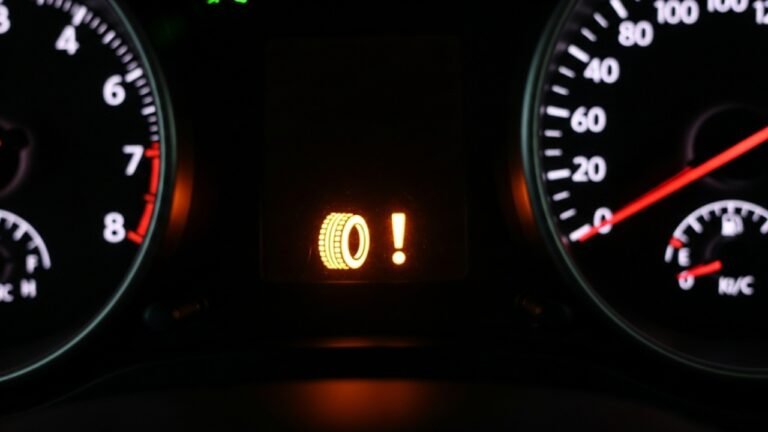
– **Low tire pressure warning light:** This often means one or more tires are underinflated, which can cause rapid tread wear.
– **Visible damage:** Cracks, bulges, or exposed cords are serious red flags that require immediate attention.
– **Reduced traction:** If your car feels slippery in wet conditions or takes longer to stop, your tread may be too worn.
For example, imagine you’re driving on the highway during a rainstorm and your car starts to hydroplane—sliding slightly over the wet surface. This is a strong indicator that your tires may be worn beyond safe limits. Pull over safely and perform the penny test as soon as possible.
Creating a Tire Maintenance Routine
Incorporating the penny test into a broader tire care routine maximizes its effectiveness. Here’s a simple checklist to follow:
– **Monthly:** Perform the penny test on all four tires.
– **Bi-weekly:** Check tire pressure with a gauge and adjust as needed.
– **Every 3,000–5,000 miles:** Rotate your tires to promote even wear.
– **Annually:** Have a professional inspect alignment, suspension, and tread depth.
– **Before long trips:** Inspect tires for wear, damage, and proper inflation.
By making these habits part of your routine, you’ll not only extend the life of your tires but also improve your car’s overall performance and safety.
Understanding Tread Wear Patterns
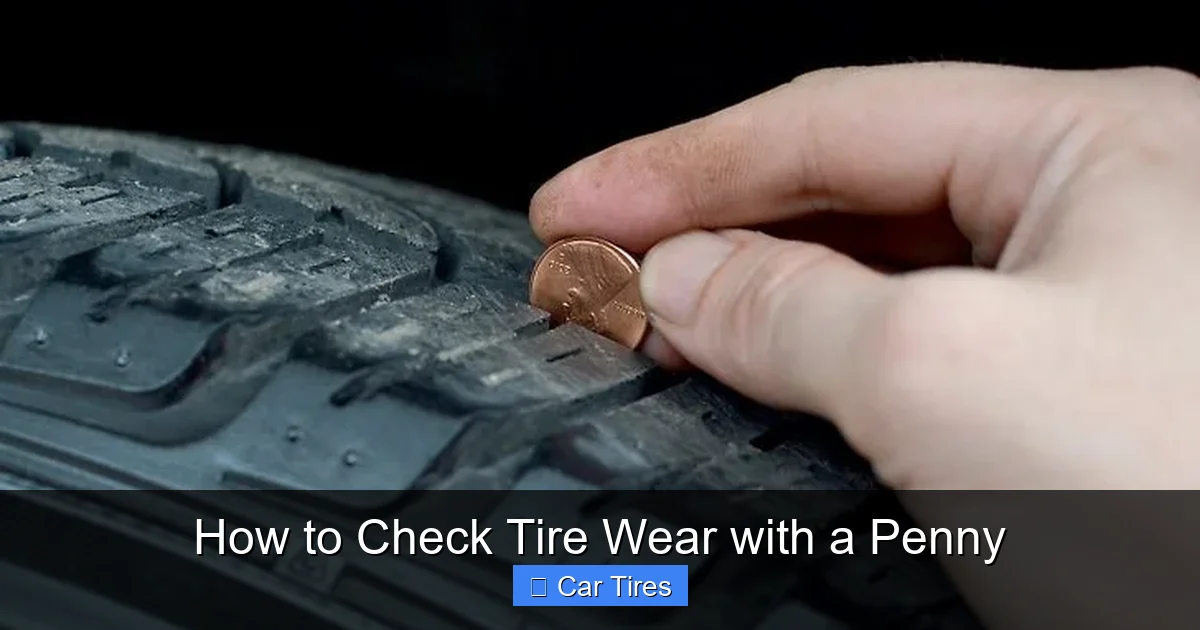
Visual guide about How to Check Tire Wear with a Penny
Image source: wikihow.com
The penny test tells you *if* your tires are worn, but it doesn’t explain *why*. That’s where understanding tread wear patterns comes in. Different wear patterns can reveal underlying mechanical issues that need attention.
Common Wear Patterns and What They Mean
– **Center wear:** If the center of the tire is more worn than the edges, it usually means the tire was overinflated. Excess air pressure pushes the center outward, increasing contact with the road.
– **Edge wear:** Worn outer edges suggest underinflation. Low pressure causes the tire to sag, putting more stress on the shoulders.
– **Cupping or scalloping:** This uneven, wave-like wear often indicates suspension problems, such as worn shocks or struts.
– **Feathering:** When tread ribs are smooth on one side and sharp on the other, it’s usually a sign of misalignment or improper toe settings.
– **One-sided wear:** If one side of the tire is significantly more worn, it could point to alignment issues or a bent wheel.
For instance, if you notice cupping on your rear tires, it might mean your shocks are failing. Continuing to drive on such tires can lead to further damage and unsafe handling.
How the Penny Test Helps Identify Patterns
When you perform the penny test in multiple spots, you’re not just checking tread depth—you’re also observing wear patterns. If Lincoln’s head is visible in one area but not another, it highlights uneven wear. This visual clue can prompt you to investigate further or visit a mechanic.
For example, imagine you test the front tires and find that the outer edges pass the penny test, but the center fails. This suggests overinflation, and you can adjust your tire pressure accordingly. Without the penny test, you might not notice the issue until it’s too late.
When to Replace Your Tires
Passing the penny test doesn’t always mean your tires are in perfect condition. While 2/32 inches is the legal minimum, many safety experts recommend replacing tires when tread depth reaches 4/32 inches—especially if you drive in wet or snowy areas.
At 4/32 inches, tires still provide decent traction, but their performance drops significantly in rain. Hydroplaning risk increases, and braking distances lengthen. For optimal safety, consider replacing tires before they reach the penny test failure point.
Other Factors That Affect Tire Lifespan
Tread depth isn’t the only factor in tire health. Age, storage conditions, and driving habits also play a role.
– **Age:** Even if tread looks good, tires degrade over time. Rubber hardens and cracks, reducing grip. Most manufacturers recommend replacing tires every 6–10 years, regardless of tread.
– **Storage:** Tires exposed to sunlight, heat, or ozone (from electrical equipment) deteriorate faster.
– **Driving style:** Aggressive driving, frequent hard braking, and high-speed cornering accelerate wear.
For example, a tire with 5/32 inches of tread might look fine, but if it’s eight years old and shows dry rot, it’s time for a replacement.
How to Choose New Tires
When it’s time to buy new tires, consider your driving needs:
– **All-season tires:** Good for most drivers in moderate climates.
– **Winter tires:** Essential for snow and ice; offer superior grip in cold weather.
– **Performance tires:** Designed for sporty handling and high-speed driving.
– **All-terrain tires:** Ideal for SUVs and trucks used off-road.
Always match the tire size and load rating to your vehicle’s specifications. Consult your owner’s manual or a trusted tire professional for guidance.
Common Mistakes to Avoid
Even simple tasks like the penny test can be done incorrectly. Avoid these common pitfalls:
– **Testing only one spot:** Always check multiple grooves and locations.
– **Using a dirty or damaged penny:** Dirt or corrosion can obscure visibility.
– **Ignoring other signs of wear:** Don’t rely solely on the penny test—look for cracks, bulges, or uneven wear.
– **Forgetting the spare tire:** Your spare should also be inspected regularly.
– **Not checking tire pressure:** Low pressure accelerates wear and reduces fuel efficiency.
For example, if you only test the center of the tire and miss worn edges, you might overlook a serious issue.
Conclusion
Learning how to check tire wear with a penny is one of the easiest and most effective ways to protect yourself and your passengers on the road. This simple test takes less than a minute but can prevent accidents, improve handling, and save you money in the long run.
By incorporating the penny test into your monthly maintenance routine, you’ll stay ahead of tire wear and catch problems early. Combine it with regular pressure checks, visual inspections, and professional servicing for the best results.
Remember, your tires are your car’s foundation. Treat them with care, and they’ll keep you safe mile after mile. So grab a penny, take a few seconds, and give your tires the attention they deserve.
Frequently Asked Questions
How accurate is the penny test for checking tire wear?
The penny test is highly accurate for determining if tread depth is at or below 2/32 of an inch. It’s a reliable, low-cost method recommended by safety experts and widely used by drivers.
Can I use a quarter instead of a penny?
No, a quarter is thicker and won’t give the same measurement. The penny’s design—specifically the height of Lincoln’s head—matches the 2/32-inch threshold, making it the correct choice.
What if my tires pass the penny test but still feel unsafe?
If your car handles poorly or you notice vibrations, have a professional inspect your tires. Issues like alignment, suspension, or internal damage may not be visible during a penny test.
How often should I rotate my tires?
Rotate your tires every 3,000 to 5,000 miles to promote even wear. This helps extend tire life and improves performance.
Do I need to check all four tires?
Yes, always check all four tires, including the spare. Wear can vary between tires due to driving habits, alignment, or inflation differences.
Can weather affect tire wear?
Absolutely. Extreme heat can degrade rubber, while cold temperatures reduce tire pressure. Wet or snowy conditions increase wear and the risk of hydroplaning, making regular checks even more important.