How to Charge a Car Battery
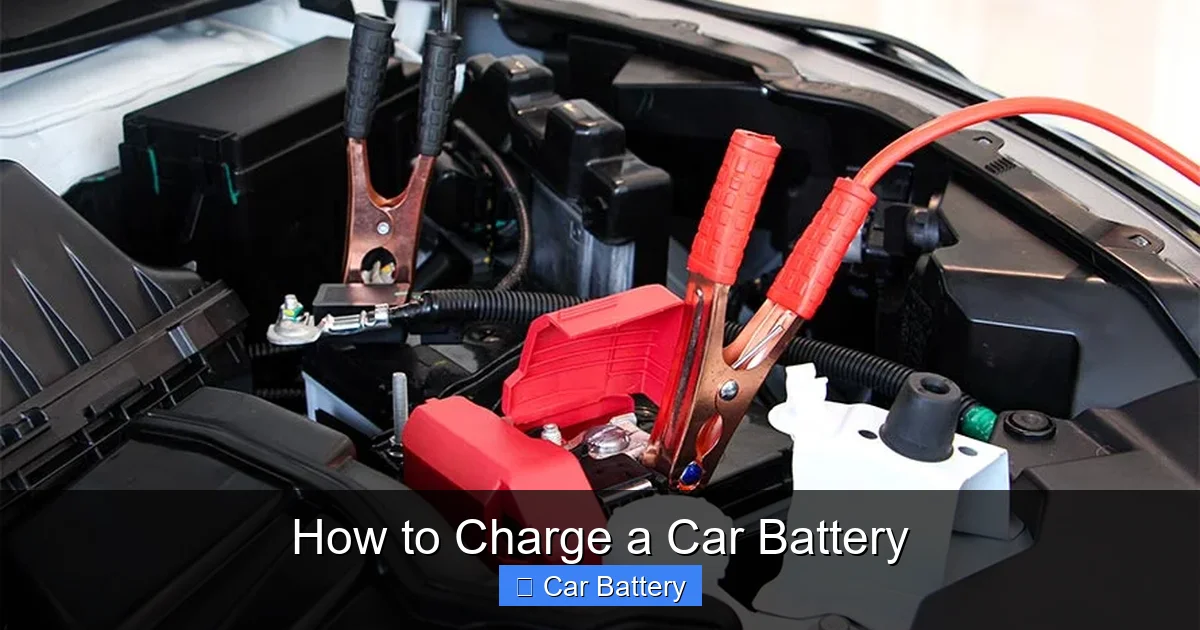
Charging a car battery is a simple but important skill every driver should know. Whether your battery died from leaving the lights on or cold weather, knowing how to charge a car battery properly can save you time, money, and stress. With the right tools and safety steps, you can get back on the road quickly and safely.
In This Article
- 1 Key Takeaways
- 2 📑 Table of Contents
- 3 Why Knowing How to Charge a Car Battery Matters
- 4 Understanding Your Car Battery
- 5 Safety First: Precautions Before Charging
- 6 Choosing the Right Battery Charger
- 7 Step-by-Step Guide: How to Charge a Car Battery
- 8 Tips for Maintaining a Healthy Car Battery
- 9 Common Mistakes to Avoid
- 10 When to Call a Professional
- 11 Conclusion
- 12 Frequently Asked Questions
- 12.1 Can I charge a car battery while it’s still connected to the car?
- 12.2 How long does it take to charge a car battery?
- 12.3 Is it safe to leave a battery charger on overnight?
- 12.4 Can I use a jump starter to charge a dead battery?
- 12.5 What’s the difference between a trickle charger and a regular charger?
- 12.6 How often should I charge my car battery?
Key Takeaways
- Safety first: Always wear protective gear like gloves and goggles when handling a car battery to avoid acid burns or sparks.
- Choose the right charger: Use a compatible battery charger—automatic, manual, or trickle—based on your battery type and needs.
- Check battery condition: Inspect for cracks, leaks, or swelling before charging; a damaged battery should not be charged.
- Follow correct connection order: Connect the red (positive) clamp first, then the black (negative) to avoid short circuits.
- Charge in a well-ventilated area: Batteries release hydrogen gas, which is flammable and dangerous in enclosed spaces.
- Monitor charging progress: Use a smart charger with auto-shutoff or check voltage regularly to prevent overcharging.
- Maintain your battery: Regular charging, cleaning terminals, and checking fluid levels (if applicable) extend battery life.
📑 Table of Contents
- Why Knowing How to Charge a Car Battery Matters
- Understanding Your Car Battery
- Safety First: Precautions Before Charging
- Choosing the Right Battery Charger
- Step-by-Step Guide: How to Charge a Car Battery
- Tips for Maintaining a Healthy Car Battery
- Common Mistakes to Avoid
- When to Call a Professional
- Conclusion
Why Knowing How to Charge a Car Battery Matters
Imagine this: It’s a cold Monday morning, you’re running late for work, and you turn the key—nothing. The engine won’t start. Your car battery is dead. Frustrating? Absolutely. But avoidable? Yes, if you know how to charge a car battery.
Car batteries don’t last forever. Over time, they lose their ability to hold a charge due to age, extreme temperatures, or simply being drained by leaving lights or accessories on. Whether you’re a new driver or a seasoned road warrior, understanding how to charge a car battery can save you from being stranded and calling for a tow. More importantly, it helps you maintain your vehicle’s health and avoid costly replacements.
Charging a car battery isn’t just about jump-starting it with another vehicle—though that’s useful in emergencies. Proper charging involves using a dedicated battery charger to restore the battery’s full capacity safely and efficiently. This guide will walk you through everything you need to know, from safety precautions to step-by-step instructions, so you can confidently handle a dead battery like a pro.
Understanding Your Car Battery
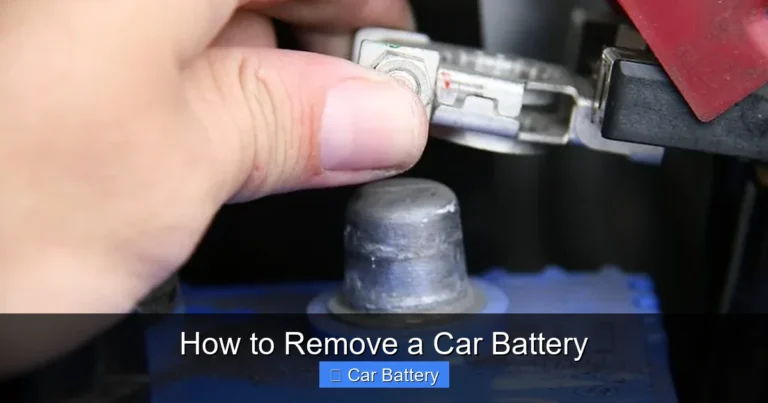
Before you plug in a charger, it helps to know what you’re working with. Most cars use a 12-volt lead-acid battery, which consists of six cells that produce about 2.1 volts each. These batteries are designed to deliver a high burst of current to start the engine, then recharge while the car runs via the alternator.
Visual guide about How to Charge a Car Battery
Image source: carcaretotal.com
Types of Car Batteries
Not all car batteries are the same. The most common types include:
- Flooded (Wet) Lead-Acid: The traditional type, requiring periodic maintenance like checking water levels. They’re affordable and reliable but need ventilation.
- Absorbent Glass Mat (AGM): Used in modern vehicles with start-stop technology. AGM batteries are sealed, maintenance-free, and better at handling deep discharges.
- Gel Cell: Similar to AGM but use a gel electrolyte. Less common in cars, more often used in motorcycles or marine applications.
Knowing your battery type helps you choose the right charging method. For example, AGM batteries require a charger with a specific voltage profile to avoid damage.
Signs Your Battery Needs Charging
You don’t always have to wait for a no-start situation. Watch for these warning signs:
- Dim headlights or interior lights
- Slow engine crank when starting
- Dashboard warning lights (like the battery or check engine light)
- Electrical issues (power windows, radio, or locks acting up)
- Old age—most batteries last 3–5 years
If you notice any of these, it’s a good idea to test your battery’s voltage or charge it proactively.
Safety First: Precautions Before Charging
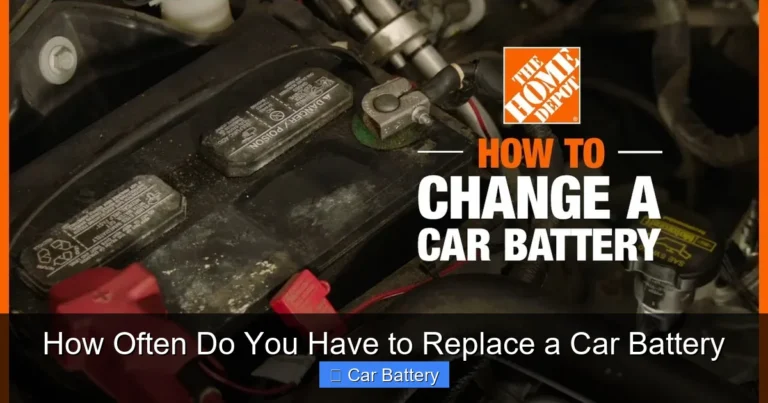
Car batteries contain sulfuric acid and produce hydrogen gas—both hazardous. Taking safety seriously prevents accidents and injuries.
Visual guide about How to Charge a Car Battery
Image source: rxmechanic.com
Wear Protective Gear
Always wear safety goggles and rubber gloves. Acid can cause severe burns, and sparks near the battery can ignite hydrogen gas. Avoid wearing jewelry or loose clothing that could create a short circuit.
Work in a Safe Environment
Charge your battery in a well-ventilated area, preferably outdoors or in a garage with the door open. Never charge a battery in a confined space like a closet or under a car seat. Hydrogen gas is invisible and odorless but highly flammable.
Inspect the Battery
Before connecting anything, check the battery for:
- Cracks or leaks in the casing
- Swelling or bulging sides
- Corrosion on terminals (white, green, or blue powdery substance)
If you see damage, do not charge the battery. It could be unsafe and may need replacement. For corrosion, clean the terminals with a mixture of baking soda and water, then rinse and dry thoroughly.
Turn Off the Engine and Accessories
Make sure the car is off, the keys are out of the ignition, and all lights, radio, and accessories are turned off. This prevents electrical surges and protects both the battery and charger.
Choosing the Right Battery Charger
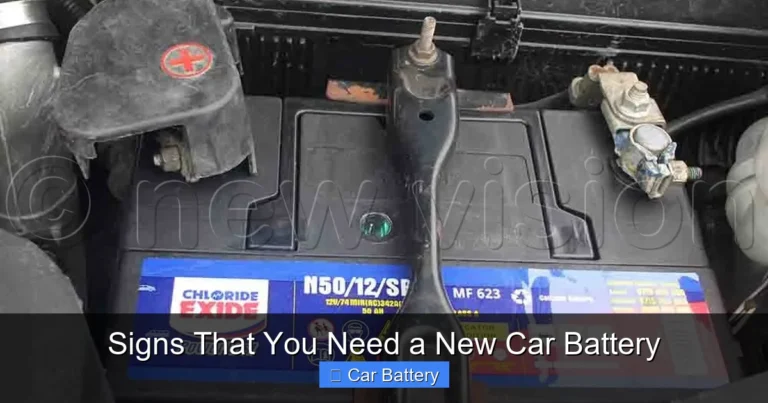
Not all chargers are created equal. Using the wrong one can damage your battery or be ineffective. Here’s what to look for.
Visual guide about How to Charge a Car Battery
Image source: simplecarguides.com
Types of Battery Chargers
There are three main types of car battery chargers:
- Trickle Chargers: Deliver a slow, steady charge over many hours. Great for maintaining batteries during long storage (like for seasonal vehicles), but too slow for a quick recharge.
- Manual Chargers: Allow you to set the voltage and amperage. You must monitor them closely and disconnect when fully charged to avoid overcharging.
- Smart (Automatic) Chargers: The best choice for most people. They detect the battery’s state and adjust the charge rate accordingly. Many have built-in safety features like auto-shutoff, reverse polarity protection, and desulfation modes.
For everyday use, a smart charger is ideal because it’s safe, efficient, and user-friendly.
Charging Amperage and Voltage
Most car batteries are 12 volts, so your charger should match that. As for amperage, a good rule of thumb is to charge at 10% of the battery’s amp-hour (Ah) rating. For example, a 50Ah battery should be charged at about 5 amps.
Charging too fast (high amperage) can overheat the battery and reduce its lifespan. Charging too slow may take days. A 5–10 amp charger is usually perfect for most cars.
Portable vs. Stationary Chargers
Portable chargers are compact and great for emergencies or occasional use. Stationary models are more powerful and better for regular maintenance. If you have multiple vehicles or store a car for long periods, consider a higher-end model with maintenance mode.
Step-by-Step Guide: How to Charge a Car Battery
Now that you’re prepared, let’s walk through the process of charging your car battery safely and effectively.
Step 1: Prepare the Vehicle and Charger
Park your car on a flat, dry surface. Turn off the engine and remove the keys. Open the hood and locate the battery—usually a rectangular box with two cables attached (red and black).
Plug in your charger to a grounded outlet. Make sure the charger is turned off before connecting any cables.
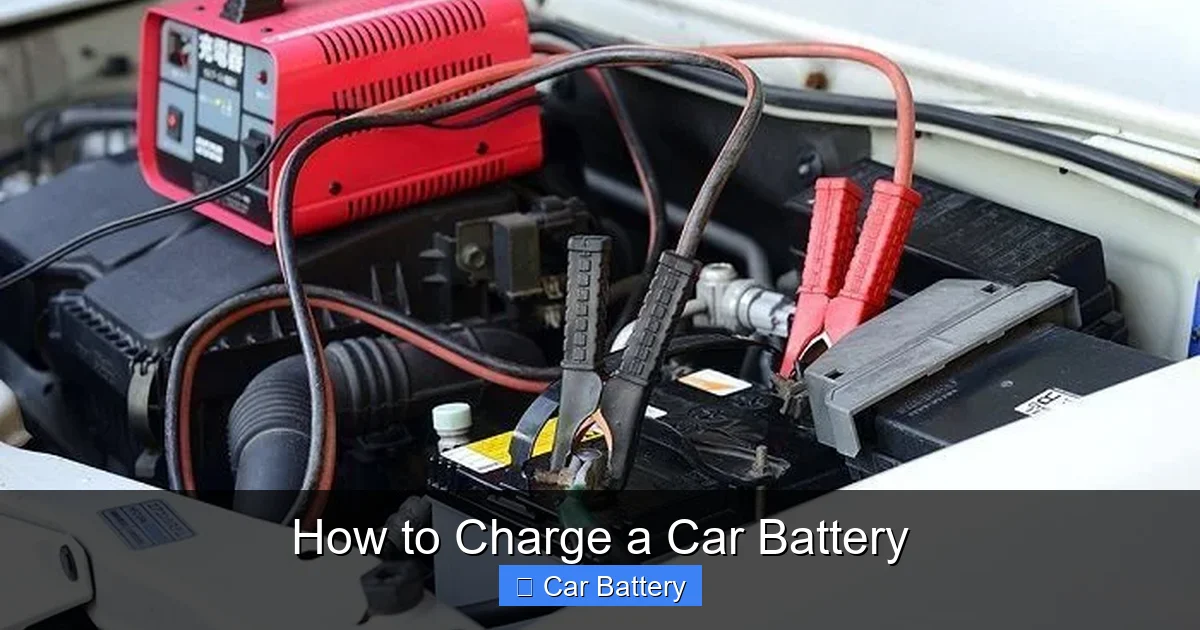
Step 2: Connect the Charger Cables
Follow this order to prevent sparks near the battery:
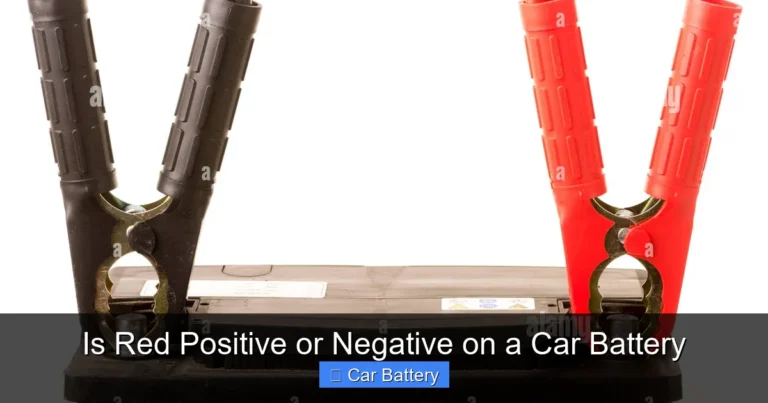
- Attach the red (positive) clamp to the positive terminal of the battery (marked with a “+” or colored red).
- Attach the black (negative) clamp to the negative terminal (marked with a “–” or colored black).
If your car has a grounding point (like a metal bracket or engine block) and the battery is hard to reach, you can connect the black clamp there instead. This reduces the risk of sparks near the battery.
Step 3: Set the Charger
Turn on the charger and select the appropriate settings:
- Voltage: 12V for most cars
- Charge rate: 5–10 amps (or use auto mode if available)
- Mode: Choose “standard” for flooded batteries or “AGM” if your battery is AGM-type
Smart chargers will often auto-detect these settings. If yours does, just press start.
Step 4: Start Charging
Once everything is set, press the start button. The charger will begin delivering current to the battery. You may hear a faint hum or see indicator lights showing charging progress.
For a completely dead battery, charging can take anywhere from 4 to 24 hours, depending on the charger and battery size. A smart charger will typically show a progress bar or percentage.
Step 5: Monitor the Process
Check the charger periodically. If it’s a manual model, watch the voltage meter. A fully charged 12V battery should read around 12.6–12.8 volts when the engine is off.
Never leave a manual charger unattended for long periods. Overcharging can cause the battery to overheat, leak, or even explode.
Step 6: Disconnect the Charger
When the battery is fully charged (indicated by a green light or “full” message on smart chargers), turn off the charger first. Then disconnect the cables in reverse order:
- Remove the black (negative) clamp
- Remove the red (positive) clamp
This minimizes the risk of sparks. Store the charger and cables safely.
Step 7: Test the Battery
Start your car to confirm it’s working. If it starts easily, great! For peace of mind, use a multimeter to check the voltage. With the engine off, a healthy battery should read 12.4–12.8 volts. With the engine running, it should be 13.7–14.7 volts, indicating the alternator is charging it.
Tips for Maintaining a Healthy Car Battery
Charging your battery is just one part of the equation. Regular maintenance helps prevent future issues and extends battery life.
Keep Terminals Clean
Corrosion on terminals increases resistance and reduces charging efficiency. Clean them every 6 months with a wire brush and baking soda solution. Apply a thin layer of petroleum jelly afterward to prevent future buildup.
Check Electrolyte Levels (If Applicable)
If you have a flooded lead-acid battery with removable caps, check the fluid level monthly. It should cover the lead plates. Top up with distilled water only—never tap water, which contains minerals that damage the battery.
Drive Regularly
Short trips don’t give the alternator enough time to fully recharge the battery. If you only drive short distances, consider using a trickle charger once a month to maintain charge.
Protect from Extreme Temperatures
Heat accelerates battery degradation, while cold reduces its cranking power. Park in a garage when possible, especially in winter. In hot climates, consider a battery insulation wrap.
Test Battery Health Annually
Many auto parts stores offer free battery testing. They can check the state of charge, cold cranking amps (CCA), and overall health. Replace the battery if it’s weak or over 4 years old.
Common Mistakes to Avoid
Even experienced drivers make errors when charging a car battery. Avoid these common pitfalls:
- Reversing the cables: Connecting positive to negative (or vice versa) can damage the charger, battery, or car’s electronics.
- Charging a frozen battery: Never charge a battery that’s frozen. Thaw it first in a warm room to prevent explosion.
- Using a high-amp charger for quick fixes: Fast charging stresses the battery and shortens its life. Use low amperage for deep charges.
- Ignoring ventilation: Charging in a closed space risks hydrogen gas buildup and fire.
- Leaving the charger connected too long: Overcharging causes water loss and plate damage, especially in flooded batteries.
When to Call a Professional
While charging a car battery is usually a DIY job, some situations call for expert help:
- The battery is swollen, cracked, or leaking
- You’re unsure about the battery type or charger compatibility
- The car still won’t start after a full charge (could be an alternator or starter issue)
- You don’t have the tools or confidence to do it safely
Auto shops and roadside assistance services can test, charge, or replace your battery on the spot.
Conclusion
Learning how to charge a car battery is a valuable skill that every driver should have. It’s not complicated, but it does require attention to safety and the right technique. By following the steps in this guide—choosing the right charger, connecting cables correctly, and maintaining your battery—you can keep your vehicle reliable and avoid unexpected breakdowns.
Remember, a little prevention goes a long way. Regular maintenance, clean terminals, and timely charging can extend your battery’s life and save you money in the long run. So the next time your car won’t start, don’t panic—grab your charger, follow these steps, and get back on the road with confidence.
Frequently Asked Questions
Can I charge a car battery while it’s still connected to the car?
Yes, you can charge a car battery without removing it, as long as the engine is off and all accessories are turned off. However, disconnecting the battery is safer and prevents potential electrical issues.
How long does it take to charge a car battery?
Charging time depends on the battery’s capacity, state of charge, and charger amperage. A typical 50Ah battery at 5 amps takes about 10 hours to fully charge from dead.
Is it safe to leave a battery charger on overnight?
Only if you’re using a smart charger with auto-shutoff. Manual chargers should not be left unattended, as they can overcharge and damage the battery.
Can I use a jump starter to charge a dead battery?
Jump starters provide a quick burst of power to start the engine but don’t fully recharge a dead battery. You’ll still need to drive the car or use a charger to restore full charge.
What’s the difference between a trickle charger and a regular charger?
A trickle charger delivers a very slow, low-amperage charge ideal for maintaining batteries during storage. Regular chargers charge faster and are better for recharging a dead battery.
How often should I charge my car battery?
If your car is driven regularly, the alternator keeps the battery charged. For infrequently used vehicles, charge the battery every 1–2 months to prevent discharge.