How Often to Change Antifreeze in a Toyota

Contents
- 1 Key Takeaways
- 2 📑 Table of Contents
- 3 Why Antifreeze Matters in Your Toyota
- 4 How Often Should You Change Antifreeze in a Toyota?
- 5 Signs Your Toyota Needs a Coolant Change
- 6 Types of Coolant Used in Toyota Vehicles
- 7 DIY vs. Professional Coolant Change: What’s Best?
- 8 Step-by-Step Guide to Changing Antifreeze in a Toyota
- 9 Conclusion
- 10 Frequently Asked Questions
Changing antifreeze in your Toyota on schedule is essential for engine health and performance. Most models require a coolant flush every 60,000 to 100,000 miles, but always check your owner’s manual. Regular maintenance prevents overheating, corrosion, and costly repairs.
Key Takeaways
- Check your owner’s manual: Toyota recommends specific intervals based on model and year—typically every 60,000 to 100,000 miles.
- Use the right coolant: Toyota Super Long Life Coolant (SLLC) is formulated for most modern models and lasts longer than standard coolants.
- Watch for warning signs: Overheating, sweet smells, or low coolant levels may indicate a leak or degraded antifreeze.
- Flush the system: Simply topping off isn’t enough—complete flushes remove contaminants and old additives.
- DIY vs. professional service: While some owners can do it themselves, professional technicians ensure proper disposal and system checks.
- Seasonal considerations: In extreme climates, more frequent checks help maintain optimal cooling performance.
- Don’t ignore the radiator cap: A faulty cap can cause pressure loss, leading to boiling and coolant loss.
📑 Table of Contents
Why Antifreeze Matters in Your Toyota
Your Toyota’s engine generates intense heat—especially during long drives, stop-and-go traffic, or hot summer days. Without proper cooling, that heat can warp engine components, blow gaskets, or even cause total engine failure. That’s where antifreeze—also known as coolant—comes in. It’s not just about preventing freezing in winter; it’s a vital fluid that regulates engine temperature year-round.
Antifreeze circulates through the engine block, cylinder heads, and radiator, absorbing heat and transferring it away from critical parts. But it does more than just cool. Modern coolants contain additives that prevent rust, lubricate water pump seals, and inhibit scale buildup inside the cooling system. Over time, these protective properties break down. Contaminants like dirt, oil, and metal particles can also accumulate, reducing efficiency and potentially causing blockages.
Think of antifreeze like engine oil—it doesn’t last forever. Even though it doesn’t burn off like fuel, it degrades with heat cycles and exposure to air. That’s why regular changes are essential. Skipping this maintenance might seem harmless at first, but the long-term effects can be expensive. A single overheating incident can cost thousands in repairs, far more than the price of a coolant flush.
Toyota engineers design their vehicles with precision, and that includes the cooling system. Using the wrong coolant or neglecting changes can void warranties and shorten your car’s lifespan. Whether you drive a fuel-efficient Corolla, a rugged Tacoma, or a hybrid Prius, the principles remain the same: keep the coolant fresh, and your Toyota will thank you with reliable performance for years to come.
How Often Should You Change Antifreeze in a Toyota?
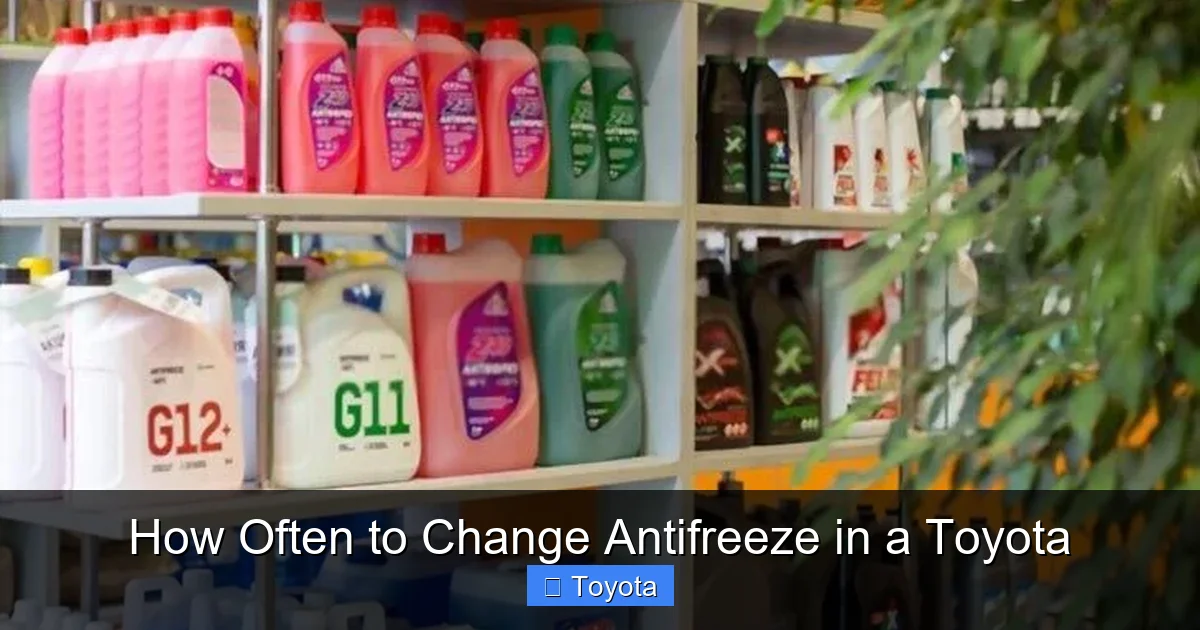
Visual guide about How Often to Change Antifreeze in a Toyota
Image source: bryansgarage.com
The million-dollar question: how often should you change antifreeze in your Toyota? The short answer is every 60,000 to 100,000 miles—but that’s just a starting point. The exact interval depends on your specific model, driving habits, and the type of coolant used.
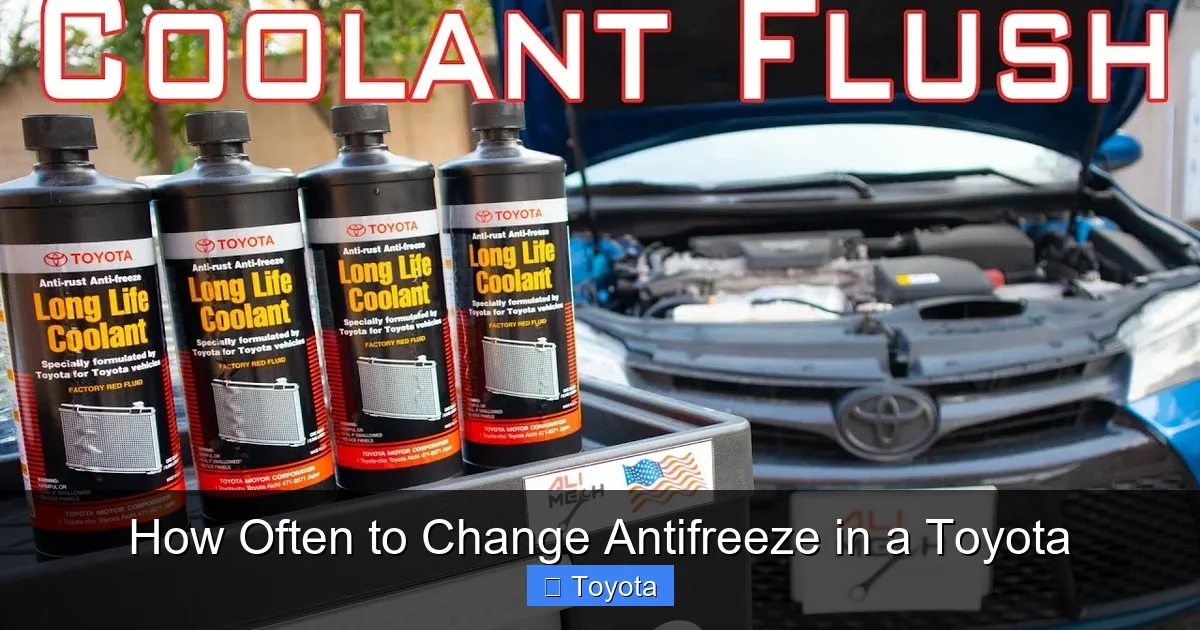
Most modern Toyotas, especially those made after 2000, use Toyota Super Long Life Coolant (SLLC). This advanced formula is designed to last up to 100,000 miles or 10 years under normal driving conditions. That’s a huge improvement over older coolants, which often needed changing every 30,000 miles. For example, a 2020 Toyota Camry with SLLC can go nearly a decade before its first major coolant service—assuming everything is in good working order.
But “normal driving conditions” is a key phrase. If you frequently drive in extreme heat, tow heavy loads, or spend a lot of time idling, your cooling system works harder. In these cases, Toyota recommends checking the coolant every 30,000 miles and possibly changing it sooner. Short trips, where the engine doesn’t fully warm up, can also lead to moisture buildup in the coolant, accelerating corrosion.
Always refer to your owner’s manual for the manufacturer’s official recommendation. For instance, the 2018 Toyota RAV4 manual specifies a 100,000-mile interval for coolant replacement, while older models like the 1995 Toyota Camry may require changes every 60,000 miles. Hybrid models like the Prius often have separate cooling systems for the battery and inverter, which may have different maintenance schedules.
It’s also worth noting that some Toyota dealerships and service centers perform a coolant inspection during routine maintenance. They’ll test the freeze point, pH level, and additive concentration using a coolant tester. If the results show degradation, they’ll recommend a flush—even if you haven’t hit the mileage mark yet.
In short, don’t just rely on mileage. Combine your owner’s manual guidance with real-world driving conditions and professional inspections to determine the best schedule for your Toyota.
Signs Your Toyota Needs a Coolant Change
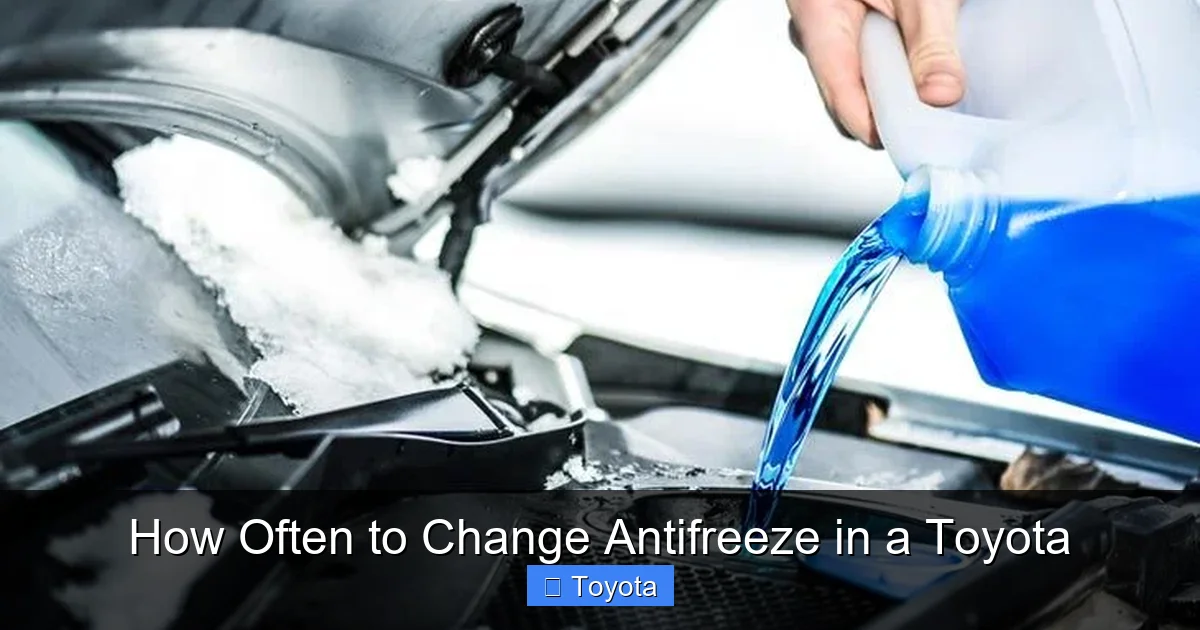
Visual guide about How Often to Change Antifreeze in a Toyota
Image source: bryansgarage.com
Even if you’re following the recommended schedule, it’s smart to watch for signs that your antifreeze might need attention sooner. Coolant doesn’t always give obvious warnings before it fails, but there are several red flags to watch for.
One of the most common signs is engine overheating. If your temperature gauge creeps into the red zone or you see steam coming from under the hood, pull over immediately. Overheating can warp cylinder heads or damage head gaskets—repairs that can cost over $2,000. While a coolant change won’t fix a blown head gasket, it can prevent the overheating that leads to it.
Another telltale sign is a sweet, syrupy smell inside or outside the car. Antifreeze has a distinct odor—similar to maple syrup or candy—and if you notice it, especially near the engine or inside the cabin, it could mean a leak. Coolant leaks often occur at hose connections, the radiator, or the water pump. A puddle of bright green, orange, or pink fluid under your car is a clear indicator.
Low coolant levels are also a warning. Check the coolant reservoir when the engine is cold. The level should be between the “MIN” and “MAX” marks. If it’s consistently low, you likely have a leak or evaporation issue. Topping it off temporarily is fine, but don’t ignore the root cause.
You might also notice reduced heater performance in winter. Since coolant flows through the heater core to warm the cabin, a clogged or low system can leave you shivering. Similarly, if your engine runs hotter than usual during normal driving, it could mean the coolant isn’t circulating properly due to sludge or air pockets.
Finally, inspect the coolant itself. Healthy antifreeze should be bright and translucent—green, orange, or pink depending on the type. If it looks cloudy, rusty, or has floating particles, it’s time for a change. A simple visual check can reveal a lot about your cooling system’s health.
Don’t wait for a breakdown. Regular inspections and prompt action can save you from expensive repairs down the road.
Types of Coolant Used in Toyota Vehicles
Visual guide about How Often to Change Antifreeze in a Toyota
Image source: thecarhow.com
Not all antifreeze is created equal—and using the wrong type in your Toyota can cause serious problems. Toyota specifies different coolants based on model year, engine type, and climate. Using the correct formula ensures optimal performance and protects your warranty.
The most common coolant in modern Toyotas is Toyota Super Long Life Coolant (SLLC). It’s a phosphate-free, ethylene glycol-based formula that’s pre-mixed with distilled water (usually 50/50). SLLC is typically bright pink or red and is designed to last up to 100,000 miles. It’s used in most models from 2000 onward, including the Camry, Corolla, RAV4, and Highlander.
Older Toyotas—especially those from the 1990s—often used a traditional green coolant. This type contains silicate and phosphate additives that protect aluminum components but degrade faster, requiring changes every 30,000 to 60,000 miles. If you own a classic Toyota like a 1992 Supra or 1998 4Runner, check your manual to confirm the correct type.
Hybrid models like the Prius, Camry Hybrid, and RAV4 Hybrid have additional cooling systems for the battery and power electronics. These systems often use a separate, non-conductive coolant that’s different from the engine coolant. Never mix the two—using the wrong fluid can damage sensitive electronics.
Some aftermarket coolants claim to be “universal” or “compatible with all vehicles,” but Toyota strongly advises against them. Universal coolants may contain additives that react poorly with Toyota’s aluminum radiators and water pumps, leading to corrosion and leaks. Stick to OEM (Original Equipment Manufacturer) or Toyota-approved coolants for the best results.
If you’re unsure which coolant to use, check the label on your radiator or reservoir. It often lists the recommended type. You can also visit Toyota’s official parts website or consult your owner’s manual. When in doubt, visit a Toyota dealership—they’ll have the exact coolant your vehicle needs.
DIY vs. Professional Coolant Change: What’s Best?
Deciding whether to change your Toyota’s antifreeze yourself or take it to a professional depends on your skill level, tools, and comfort with automotive maintenance. Both options have pros and cons, so let’s break them down.
Doing It Yourself
If you’re handy with tools and have a safe workspace, a DIY coolant change can save you money. The process involves draining the old coolant, flushing the system with water or a cleaning solution, and refilling with fresh coolant. Most Toyota models have a drain plug on the radiator and another on the engine block for complete drainage.
You’ll need basic tools: a wrench or socket set, a drain pan, gloves, safety glasses, and a funnel. You’ll also need the correct coolant—Toyota SLLC is usually sold in 1-quart or 1-gallon containers. A 50/50 mix is typically ready to use, but always check the label.
One advantage of DIY is control. You can inspect hoses, clamps, and the radiator for leaks or damage while the system is open. You also ensure the coolant is fresh and properly mixed. Plus, it’s a great way to learn more about your vehicle.
However, there are risks. Spilled coolant is toxic to pets and harmful to the environment. It must be disposed of at a recycling center or auto shop—never down the drain. Air pockets can also form during refilling, leading to overheating if not properly bled. Some Toyotas have complex cooling systems with multiple bleed valves, making this step tricky for beginners.
Professional Service
Taking your Toyota to a dealership or trusted mechanic offers peace of mind. Professionals use specialized equipment to flush the system completely, including the heater core and transmission cooler (if equipped). They also test the coolant’s condition and check for leaks or wear.
Many shops offer coolant flushes as part of a maintenance package, often including inspections of belts, hoses, and the radiator cap. This holistic approach can catch issues early, preventing bigger problems later.
The downside? Cost. A professional coolant change can range from $100 to $200, depending on location and shop rates. But when you factor in the risk of mistakes, proper disposal, and the value of expert inspection, it may be worth the investment—especially for high-mileage or hybrid vehicles.
Ultimately, the choice depends on your confidence and resources. If you’re comfortable with basic maintenance and follow instructions carefully, DIY is a viable option. But if you’re unsure or drive a complex model, professional service is the safer bet.
Step-by-Step Guide to Changing Antifreeze in a Toyota
If you’ve decided to change your Toyota’s antifreeze yourself, here’s a clear, step-by-step guide to help you do it safely and effectively. Always work on a cool engine—never open the radiator cap when hot, as pressurized coolant can cause severe burns.
Step 1: Gather Your Supplies
You’ll need:
– Toyota Super Long Life Coolant (1–2 gallons, depending on model)
– Distilled water (if mixing concentrate)
– Drain pan (at least 2 gallons)
– Funnel
– Wrench or socket set
– Safety gloves and goggles
– Rags or towels
– Coolant tester (optional, for checking old coolant)
Step 2: Locate the Drain Plugs
Park your Toyota on a level surface and let the engine cool completely. Open the hood and locate the radiator drain plug—usually at the bottom corner of the radiator. Some models also have a drain plug on the engine block, often near the thermostat housing. Consult your owner’s manual if you’re unsure.
Step 3: Drain the Old Coolant
Place the drain pan under the radiator plug. Loosen the plug slowly to avoid splashing. Let the coolant drain completely—this may take 10–15 minutes. If your model has an engine block plug, drain that too for a full flush.
Step 4: Flush the System
Close the drain plugs and fill the radiator with distilled water. Start the engine, turn the heater to max, and let it run for 10 minutes to circulate the water. This helps flush out remaining contaminants. Turn off the engine, let it cool, and drain the water. Repeat once or twice until the drained water runs clear.
Step 5: Refill with Fresh Coolant
Close all drain plugs securely. Use a funnel to pour the new coolant into the radiator or overflow reservoir. Fill to the “MAX” line. Start the engine again with the radiator cap off to allow air to escape. As the coolant level drops, add more until it stabilizes. Replace the cap when full.
Step 6: Check for Leaks and Test Drive
Let the engine run for 10–15 minutes, checking for leaks around hoses and plugs. Take a short test drive, then recheck the coolant level after the engine cools. Top off if needed.
Dispose of the old coolant responsibly—most auto parts stores accept used coolant for recycling.
Conclusion
Changing antifreeze in your Toyota isn’t just a maintenance task—it’s a vital step in protecting your engine and ensuring long-term reliability. While modern coolants like Toyota Super Long Life Coolant can last up to 100,000 miles, real-world driving conditions, climate, and vehicle age all play a role in determining the right schedule.
By following your owner’s manual, watching for warning signs, and using the correct coolant, you can avoid costly repairs and keep your Toyota running smoothly for years. Whether you choose to do it yourself or rely on a professional, regular coolant maintenance is a small investment with big returns.
Don’t wait for your engine to overheat. Stay proactive, stay informed, and give your Toyota the care it deserves.
Frequently Asked Questions
Can I mix different types of coolant in my Toyota?
No, you should never mix different types of coolant. Mixing incompatible formulas can cause chemical reactions that lead to sludge, corrosion, or cooling system failure. Always use the coolant specified in your owner’s manual.
Is it okay to just top off the coolant instead of changing it?
Topping off is fine for temporary fixes, but it doesn’t replace degraded additives or remove contaminants. Over time, the coolant loses its protective properties, so a full flush is necessary for long-term health.
How do I know if my Toyota uses Super Long Life Coolant?
Most Toyotas made after 2000 use SLLC, which is typically pink or red. Check the coolant reservoir label or your owner’s manual. If the coolant is green, it’s likely an older formula.
Can I use water instead of coolant in an emergency?
In a true emergency, you can use distilled water to get to a service station, but don’t drive far or for long. Water lacks antifreeze properties and corrosion inhibitors, and it can freeze or boil under extreme conditions.
Does changing coolant improve fuel efficiency?
Not directly, but a properly cooled engine runs more efficiently. Overheating or poor coolant circulation can cause the engine to work harder, indirectly affecting fuel economy.
What happens if I never change the antifreeze?
Over time, degraded coolant can cause corrosion, clogged passages, water pump failure, and overheating. In severe cases, this can lead to engine damage requiring expensive repairs or replacement.