How Often Should You Flush the Coolant in a Toyota Rav4

Contents
- 1 Key Takeaways
- 2 📑 Table of Contents
- 3 What Exactly Is “Coolant” And Why Does It Need Flushing?
- 4 Toyota’s Official Recommendations For Your RAV4
- 5 Real-World Factors That Shorten The Flush Interval
- 6 Warning Signs Your RAV4 Needs a Coolant Flush NOW
- 7 DIY vs. Professional Service: Which Route Should You Take?
- 8 How to Flush Your RAV4’s Coolant: A Step-by-Step Overview (DIY Guide)
- 9 Conclusion: Protecting Your Investment With Smart Maintenance
- 10 Frequently Asked Questions


Flushing your Toyota RAV4’s coolant is a critical maintenance task that prevents engine overheating and costly damage. Toyota generally recommends a coolant flush every 100,000 miles or 5 years, but severe driving conditions can shorten this interval. Ignoring this service can lead to catastrophic engine failure, making it essential to understand the “why” and “when” behind this vital fluid change. Always use the specified Toyota Super Long Life Coolant or its equivalent for optimal performance and protection.
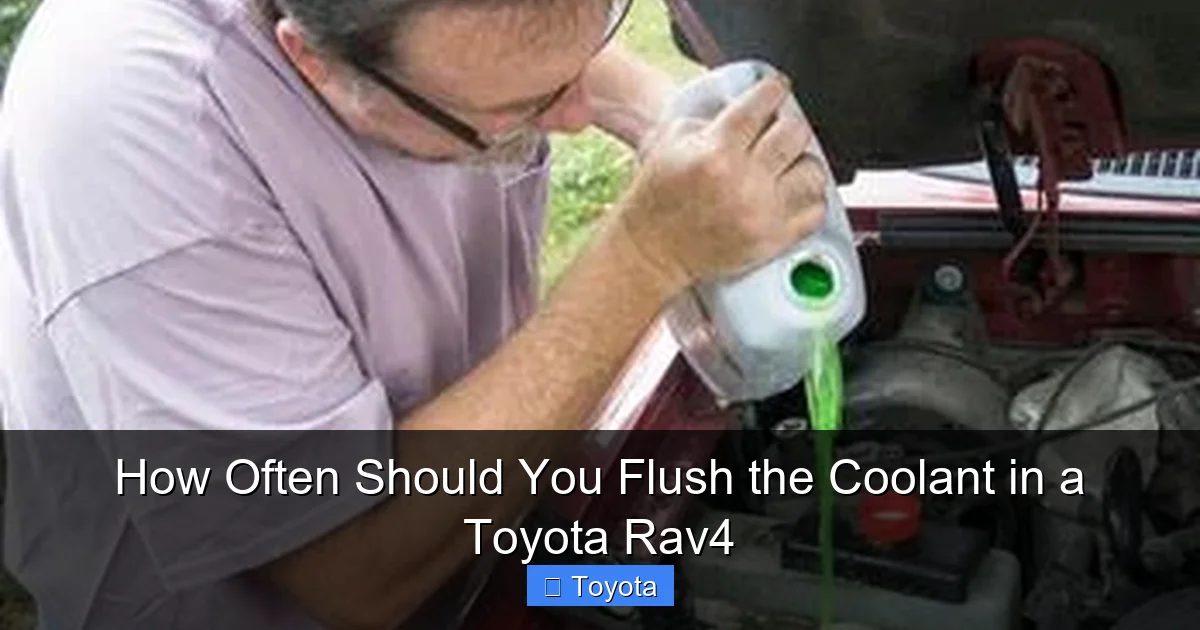
Let’s talk about the lifeblood of your RAV4’s engine: the coolant. It’s easy to forget about this vibrant pink or green liquid hiding under your hood, but it’s working overtime every single time you start your car. Its job is simple yet monumental: absorb insane amounts of heat from your engine and carry it away to the radiator to be cooled, preventing your precious motor from melting into a solid block of metal. But coolant doesn’t last forever. Over time, it turns from a protective guardian into a corrosive agent itself. That’s why knowing how often to flush the coolant in your Toyota RAV4 isn’t just a suggestion—it’s a core part of keeping your SUV reliable for the long haul. In this complete guide, we’ll cut through the confusion, look at Toyota’s official advice, explore real-world factors, and give you the knowledge to make the right call for your specific vehicle.
Key Takeaways
- Follow Toyota’s Schedule: For most RAV4s, plan for a coolant flush every 100,000 miles or 5 years, whichever comes first, according to official guidelines.
- Severe Conditions Shorten Intervals: Frequent extreme temperatures, heavy towing, or dusty environments may require flushing every 30,000-50,000 miles to prevent premature breakdown.
- Know the Signs of Failure: Look for discolored coolant (rusty or muddy), overheating, sweet smells, or debris in the reservoir as clear indicators a flush is needed immediately.
- Use the Correct Coolant: Never mix coolant types. Use Toyota Super Long Life Coolant (pink) or a phosphate-free, silicone-free equivalent specified for your model year to avoid gasket damage.
- DIY vs. Professional: A flush is a manageable DIY for the experienced, but a professional service ensures complete evacuation, proper disposal, and system bleeding to prevent air locks.
- It’s More Than Just Draining: A true “flush” involves circulating cleaning solution, not just a drain-and-fill, to remove scale, rust, and sediment that accumulate over time.
- Neglect is Costly: Skipping this service can cause water pump failure, radiator corrosion, heater core blockage, and eventual engine seizure, costing thousands in repairs.
📑 Table of Contents
- What Exactly Is “Coolant” And Why Does It Need Flushing?
- Toyota’s Official Recommendations For Your RAV4
- Real-World Factors That Shorten The Flush Interval
- Warning Signs Your RAV4 Needs a Coolant Flush NOW
- DIY vs. Professional Service: Which Route Should You Take?
- How to Flush Your RAV4’s Coolant: A Step-by-Step Overview (DIY Guide)
- Conclusion: Protecting Your Investment With Smart Maintenance
What Exactly Is “Coolant” And Why Does It Need Flushing?
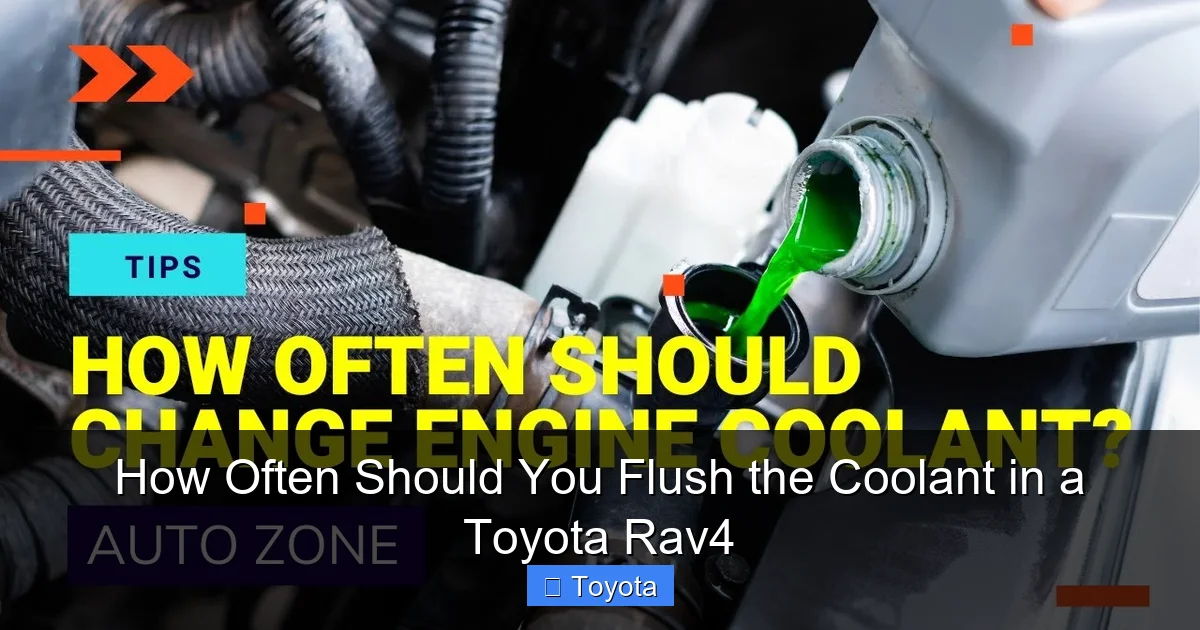
First, a quick primer. “Coolant” is actually a mixture of two things: antifreeze (usually ethylene glycol or propylene glycol) and water. The antifreeze prevents freezing in winter and raises the boiling point in summer. The water is fantastic at transferring heat. Together, they’re a powerhouse team. But this mixture also contains a crucial third component: additives. These are corrosion inhibitors, anti-foaming agents, and seal conditioners that protect the aluminum, steel, and rubber parts inside your cooling system—the radiator, water pump, heater core, and engine passages.
The Silent Degradation Process
Here’s the problem. As your RAV4’s engine cycles through heat and cool, these vital additives are slowly depleted. They get used up doing their job, preventing rust and scale from forming. Once they’re gone, the coolant itself becomes slightly acidic. This acidic coolant, instead of protecting your engine, starts to eat away at it. It causes:
- Rust and Scale: Flakes of corrosion break loose and circulate, clogging the tiny passages in the radiator and heater core. This reduces cooling efficiency dramatically.
- Electrolysis: Different metals in the system (aluminum, steel, copper) can create a tiny electrical current in old coolant, accelerating corrosion.
- Water Pump Damage: The water pump’s seals and bearings are vulnerable to abrasive particles and acidic fluid, leading to leaks and failure.
- Heater Core Failure: This is a notoriously expensive repair. A clogged or corroded heater core means no heat in winter and often a sweet smell inside the cabin from leaking coolant.
A “coolant flush” is the process of completely removing this spent, contaminated fluid and flushing the system with water or a specialized cleaning solution to evacuate all the rust, scale, and debris. It’s then refilled with fresh, protective coolant mixed to the perfect 50/50 ratio with distilled water.
Toyota’s Official Recommendations For Your RAV4
So, what does the manufacturer say? Toyota provides a Maintenance Schedule for every vehicle, and the RAV4 is no exception. The standard interval for a coolant change (which Toyota often terms “Engine Coolant Replacement”) in most recent-model RAV4s is every 100,000 miles or every 5 years, whichever occurs first.
Visual guide about How Often Should You Flush the Coolant in a Toyota Rav4
Image source: global.discourse-cdn.com
This interval assumes you’re driving under “normal” conditions. But what does Toyota consider normal? It’s helpful to look at their definition, which typically includes:
- Mostly highway driving.
- Moderate ambient temperatures.
- No extreme dusty or sandy conditions.
- No frequent trailer towing.
- No primarily short-trip driving where the engine never fully warms up.
If your driving aligns with that, the 100k/5-year schedule is your solid baseline. However, your owner’s manual is the final authority. You’ll find the precise interval and the exact specification for coolant type (e.g., “Toyota Super Long Life Coolant” or “Toyota Long Life Coolant”) in the “Maintenance” or “Specifications” section. For pre-2006 models, the interval is often every 30,000 miles or 2 years, so model year matters significantly. Always cross-reference your manual.
The Evolution of Coolant Technology
Why the long interval on newer models? Blame chemistry. The “Super Long Life” and similar extended-life coolants use organic acid technology (OAT). Instead of traditional silicates or phosphates that get used up quickly, OAT additives last much longer—up to 150,000 miles in some applications—by slowly replenishing their protective layer on metal surfaces. This is why your 2020 RAV4 has a 100k-mile interval, while your 2005 model might have had a 30k-mile one. Using the correct, modern coolant is non-negotiable for protecting your newer RAV4’s complex aluminum engine.
Real-World Factors That Shorten The Flush Interval
Life rarely fits the “normal” category. If your RAV4 sees “severe service” conditions, you should flush the coolant much more frequently—often as often as every 30,000 to 50,000 miles. Think of these as “stressful” conditions that accelerate coolant degradation:
Visual guide about How Often Should You Flush the Coolant in a Toyota Rav4
Image source: i.ytimg.com
- Extreme Climate: Living in a consistently hot desert environment (like Arizona or Nevada) or a very cold one (like Minnesota) puts extra thermal stress on the coolant and its additives. The constant battle against temperature extremes wears it out faster.
- Frequent Short Trips: If your RAV4 is mainly a grocery-getter for runs under 10 minutes, the engine rarely reaches its optimal operating temperature. This allows condensation to form in the system, which contaminates the coolant with water and promotes internal corrosion.
- Dusty, Sandy, or Muddy Conditions: Driving on dirt roads, through construction zones, or in areas with high dust counts means abrasive particles can work their way into the coolant reservoir through tiny vents, contaminating the fluid.
- Towing or Heavy Loads: Regularly pulling a trailer, a large boat, or carrying maximum cargo loads causes the engine to work significantly harder and run much hotter, zapping the coolant’s protective properties quicker.
- Stop-and-Go Traffic: Constant idling in traffic jams prevents efficient airflow through the radiator, leading to higher sustained operating temperatures.
If any of these sound like your typical week, err on the side of caution. A $100-$150 flush is cheap insurance against a $1,500-$3,000 water pump and thermostat housing job or a $5,000+ engine rebuild. It’s also wise to check your coolant’s condition at least twice a year during seasonal changes. For a simple check, you can learn the proper method for checking coolant level in a Toyota, which is similar across most models.
Warning Signs Your RAV4 Needs a Coolant Flush NOW
Don’t wait for the mileage or calendar if your RAV4 is showing symptoms. These are red flags that the coolant is past its prime and a flush is an urgent necessity:
Visual guide about How Often Should You Flush the Coolant in a Toyota Rav4
Image source: lirp.cdn-website.com
Visual Inspection: Look and Smell
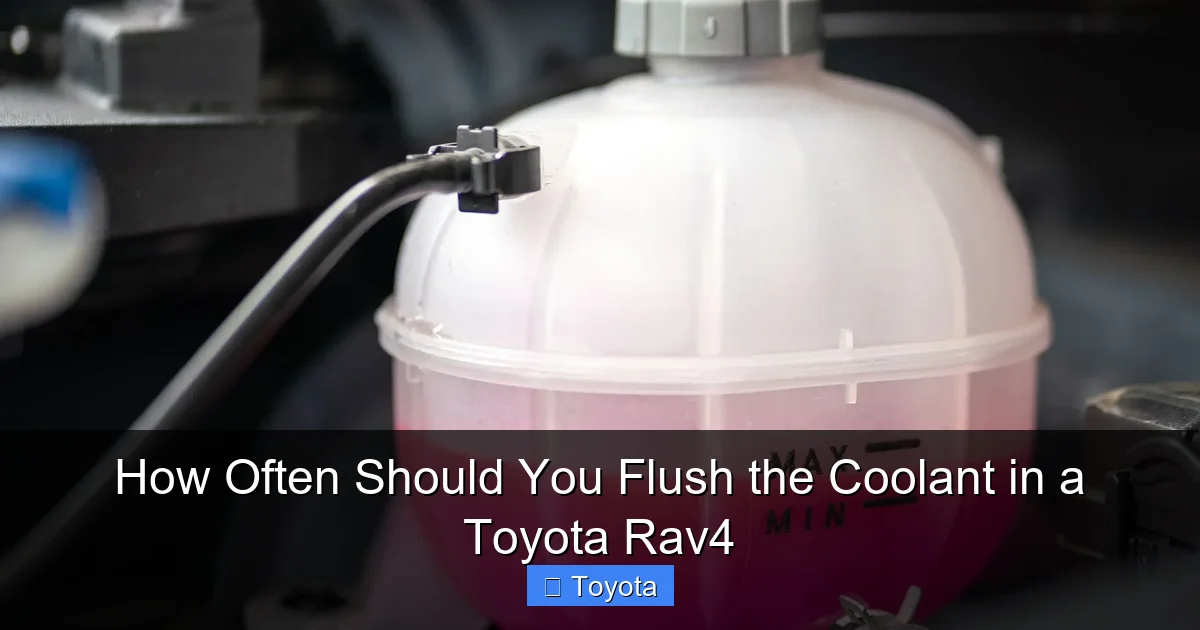
- Discoloration: Healthy coolant should be a vibrant, clear color—either green, pink, red, or turquoise depending on the type. If it looks rusty brown, muddy, or has floating particles, it’s contaminated and corrosive.
- Sludge or Gunk: Check the coolant reservoir (the white plastic overflow tank). If you see a thick, sludgy deposit at the bottom or on the cap, that’s a sign of severe breakdown.
- Sweet Smell: Coolant has a distinct, sweet odor (like candy or maple syrup). If you smell this inside the cabin (especially with the heater on) or around the engine bay, you have a leak and potentially old, acidic coolant accelerating the damage.
Performance and Temperature Issues
- Engine Overheating: The most obvious sign. If your temperature gauge runs higher than normal, especially in traffic, or the check engine light comes on with a coolant temperature code, the system isn’t working properly. Clogged passages from debris can block flow.
- Heater Not Working: If your cabin heater suddenly blows only cold air, a clogged heater core from corrosion debris is a prime suspect. This often happens before a total failure.
- Coolant Level Drops: If you’re constantly having to top off the reservoir, you have a leak (which needs fixing) AND the remaining fluid is likely old and weak, exacerbating any leak’s effects.
If you spot one or more of these signs, don’t delay. Continuing to drive with compromised coolant is a direct path to a seized engine. A simple flush and a bit of diagnosis could save you from a catastrophic failure.
DIY vs. Professional Service: Which Route Should You Take?
This is the big question. A coolant flush is a moderately complex DIY task that requires some mechanical aptitude and the right tools. Let’s break down both paths.
The Professional Service
Taking your RAV4 to a trusted mechanic or dealership is the path of least resistance and often the smartest choice for most people.
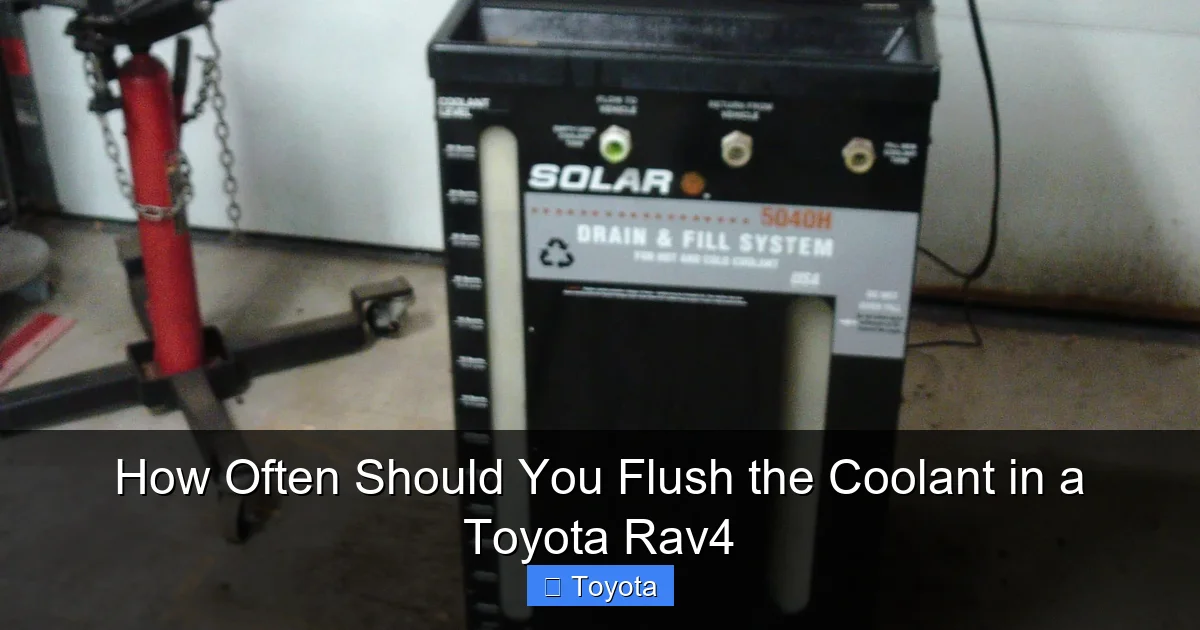
- Pros: Guaranteed complete evacuation. They use powered flush machines that connect to the system and circulate cleaning solution under pressure, ensuring every last bit of old coolant and debris is removed. They also have the tools to properly bleed air from the system—a critical step. Air pockets can cause overheating and are a common DIY mistake. You get a warranty on the service and the coolant. They handle the hazardous waste disposal.
- Cons: Cost. Expect to pay $100-$200 at a reputable shop (dealerships may be higher). You need to schedule an appointment and wait.
The DIY Approach
For the handy car owner, this is a satisfying project that saves money. You can do a basic flush for the cost of coolant and a few supplies ($40-$70).
- Pros: Significant cost savings. You gain intimate knowledge of your vehicle. You can use the exact premium coolant you want.
- Cons: Requires tools (drain pan, socket set, possibly a coolant vacuum pump for bleeding). It’s messy. Improper bleeding is the #1 issue, leading to air locks and overheating. You must dispose of old antifreeze legally (it’s toxic to pets and wildlife). You assume all risk if something goes wrong.
Verdict: If you’ve never done a flush before or are uncomfortable with any step, especially the bleeding process, pay a professional. The peace of mind is worth it. If you’re experienced with basic car maintenance and follow a precise guide, DIY is a great option. Remember, a half-done flush can be worse than no flush at all.
How to Flush Your RAV4’s Coolant: A Step-by-Step Overview (DIY Guide)
If you’ve decided to tackle this yourself, here is a generalized, safe process. ALWAYS consult your specific model year’s factory service manual for exact procedures, torque specs, and locations. This guide is for educational purposes.
Tools and Materials You’ll Need
- Correct type and quantity of Toyota Super Long Life Coolant (or equivalent). Typically 2-2.5 gallons total for a system refill.
- Distilled water (for mixing and flushing). Never use tap water; its minerals cause scale.
- A large drain pan (6+ quarts).
- Socket set and wrenches (drain plug size varies, often 10mm or 14mm).
- Funnel.
- Gloves and safety glasses. Coolant is toxic and can burn skin.
- Optional but recommended: A coolant vacuum bleeder or a helper to rev the engine while you burp the system.
- Rags and shop towels.
The Process (Safety First: Engine must be COLD)
- Locate &> Open: Find the radiator drain plug (usually at the bottom rear of the radiator) and the engine block drain plug (on the engine block, often near the oil filter housing). Place your drain pan. Open the radiator cap to vent. Then, carefully open both drain plugs. Let it fully drain.
- Flush (The Most Important Part): Close the drains. Using a funnel, fill the system with distilled water only. Run the engine with the heater set to MAX heat for 10-15 minutes. This circulates the water and loosens debris. Let it cool, then drain again. Repeat this water flush until the water runs completely clear. This may take 3-4 cycles.
- Final Drain & Close: After the final clear-water flush, let it drain completely. Tighten both drain plugs to the manufacturer’s torque specification (don’t overtighten!).
- Refill with Fresh Coolant: Mix your coolant with distilled water in a separate container as per the bottle instructions (usually 50/50). Slowly fill the radiator via the filler neck until it’s full. Then, fill the overflow reservoir to the “FULL” line.
- Bleed Air (Critical!): Put the radiator cap back on (or leave it off for some methods). Start the engine and let it idle with the heater on MAX. The temperature will rise, and the thermostat will open. You’ll hear gurgling as air escapes. Squeeze upper and lower radiator hoses gently to help air move. Keep the engine at a steady idle and watch the temperature gauge. It may rise and then fall as air bled out. Top off coolant as needed. Some systems require a specific “burping” procedure involving a bleed screw—find this in your manual. Run the engine until the thermostat has cycled and the fans come on, then let it cool and re-check levels.
- Final Check: After the car is completely cold, check the radiator and reservoir levels. Top off if necessary. Inspect for any leaks around the drain plugs and hoses. Dispose of old coolant at a hazardous waste facility, auto parts store, or shop that accepts it.
This is a simplified overview. The complexity of bleeding varies greatly by model year and engine type. For instance, the process on a 2023 Toyota RAV4 might be slightly different from a 2015 model due to engine updates. If at any point you’re unsure, consult a professional.
Conclusion: Protecting Your Investment With Smart Maintenance
Your Toyota RAV4 is a significant investment designed to provide years of reliable service. The coolant system is its armor against the destructive forces of heat. By adhering to Toyota’s recommended 100,000-mile or 5-year interval for a full coolant flush, or shortening it based on your real-world “severe” driving conditions, you are performing one of the most impactful maintenance tasks you can do. It’s not just about preventing a breakdown; it’s about preserving the health of your radiator, water pump, heater core, and ultimately, the engine block itself. Remember to visually inspect your coolant twice a year, use only the specified Toyota coolant, and never ignore the warning signs of discoloration, overheating, or low levels. Whether you choose the precision of a professional service or the satisfaction of a careful DIY job, making this a scheduled part of your RAV4’s care routine will pay dividends in reliability, performance, and avoided repair bills for years to come. Keep that cooling system clean, and your RAV4 will keep you moving.
Frequently Asked Questions
Can I just add coolant instead of doing a full flush?
Adding coolant is only a temporary fix for low levels, usually from a leak. A flush is necessary to remove old, contaminated fluid and debris. Simply adding new coolant to old fluid dilutes the protective additives but leaves all the harmful rust and scale in the system.
What happens if I use the wrong type of coolant in my RAV4?
Using the wrong coolant (e.g., mixing green inorganic with pink organic) can cause severe problems. The chemicals can react, forming gels or precipitates that clog the system. It can also damage water pump seals and radiator materials. Always use the exact type specified in your owner’s manual.
How much does a coolant flush cost for a Toyota RAV4?
If you do it yourself, the cost is just the coolant and distilled water, typically $40-$70. At a professional shop, expect to pay $100-$200, depending on your region and whether they use a machine flush or a drain-and-fill. Dealerships may charge more.
Is a coolant flush necessary if my car isn’t overheating?
Absolutely. Overheating is a late-stage symptom. By the time you see it, damage may already be done. Coolant degrades chemically long before it causes a gauge to spike. The corrosion and scale buildup are silent processes that clog the system and weaken components from the inside out.
Can I flush the coolant system with just water?
You can use water for the flushing cycles to rinse out debris, but the final fill must be a proper 50/50 mix of coolant and distilled water. Using only water in the system long-term will cause freezing in winter, boiling in summer, and severe internal rust.
Why is my coolant level low after a flush?
This is usually due to trapped air that hasn’t been fully bled from the system. As the engine cycles through heat cycles, air pockets work their way out, and the level in the reservoir will drop. You must re-check and top off the coolant level when the engine is completely cold, 24-48 hours after the flush. If it drops significantly again, you have a leak that needs finding.