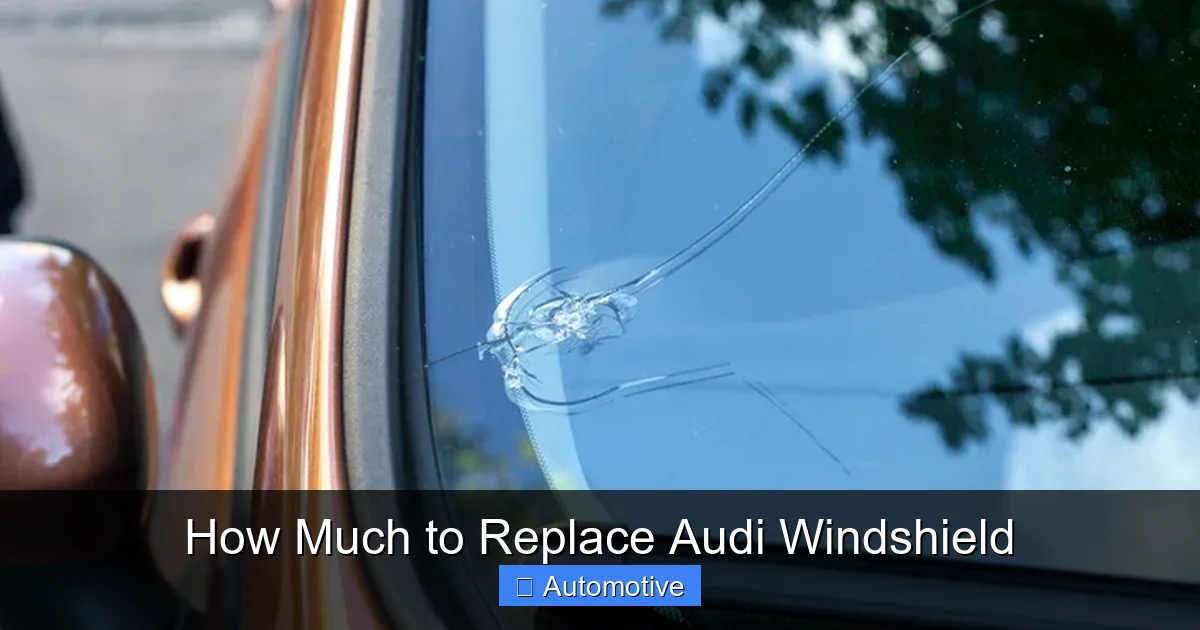
How Much to Replace Audi Windshield

Contents
- 1 Key Takeaways
- 2 📑 Table of Contents
- 3 Why Audi Windshield Replacement Costs More Than Average
- 4 Average Cost to Replace an Audi Windshield
- 5 OEM vs. Aftermarket Windshield: Which Should You Choose?
- 6 Labor Costs and What to Expect During Installation
- 7 Insurance Coverage and How to Save Money
- 8 Signs You Need a Full Replacement (Not Just a Repair)
- 9 Choosing the Right Shop and Technician
- 10 Conclusion
- 11 Frequently Asked Questions

Car Storage Net

Car Door Edge Guard

Side Mirror Rain Guard

Car Back Support Cushion
Replacing an Audi windshield can cost between $500 and $1,500 or more, depending on model, features, and labor. Advanced tech like rain sensors and lane assist drive up prices, so always get multiple quotes.
If you’re an Audi owner, you already know that your car isn’t just a vehicle—it’s a statement. From the sleek lines of an A4 to the commanding presence of a Q7, Audis blend performance, luxury, and cutting-edge technology. But even the most well-engineered cars aren’t immune to the occasional cracked windshield from a rogue pebble on the highway or a sudden temperature shift. When that happens, one of the first questions you’ll ask is: “How much to replace Audi windshield?”
The answer isn’t as straightforward as you might hope. Unlike simpler vehicles, Audi windshields often come packed with advanced driver-assistance systems (ADAS), heated elements, acoustic layers, and proprietary glass designs. These features enhance safety and comfort but also significantly impact replacement costs. Whether you drive a compact A3 or a high-end RS e-tron GT, the price tag can vary widely based on your model, the type of glass used, and where you get the work done.
In this guide, we’ll walk you through everything you need to know about replacing your Audi windshield—from average costs and what drives pricing, to tips for saving money and ensuring a safe, high-quality installation. We’ll also cover insurance options, the importance of calibration, and how to avoid common pitfalls. By the end, you’ll be equipped to make an informed decision that keeps you safe on the road without breaking the bank.
Key Takeaways
- Cost Range: Expect to pay $500–$1,500+ for an Audi windshield replacement, with luxury models costing more.
- OEM vs. Aftermarket: Original Equipment Manufacturer (OEM) glass is pricier but ensures perfect fit and feature compatibility; aftermarket options are cheaper but may lack precision.
- Advanced Features Matter: Windshields with sensors for rain, light, lane departure, or adaptive cruise control require calibration, adding $100–$300 to the total cost.
- Labor Costs Vary: Labor typically runs $100–$300, depending on shop location, expertise, and vehicle complexity.
- Insurance Can Help: Many comprehensive auto insurance policies cover windshield replacement with little or no deductible—check your policy first.
- Timing Is Important: Small cracks or chips should be repaired immediately; delaying can lead to full replacement needs and higher costs.
- Choose Certified Technicians: Always use ASE-certified or Audi-trained technicians to ensure proper installation and safety system functionality.
📑 Table of Contents
- Why Audi Windshield Replacement Costs More Than Average
- Average Cost to Replace an Audi Windshield
- OEM vs. Aftermarket Windshield: Which Should You Choose?
- Labor Costs and What to Expect During Installation
- Insurance Coverage and How to Save Money
- Signs You Need a Full Replacement (Not Just a Repair)
- Choosing the Right Shop and Technician
- Conclusion
Why Audi Windshield Replacement Costs More Than Average
Let’s be honest: replacing a windshield on an Audi isn’t like fixing one on a base-model sedan. There’s a reason Audi owners often pay more—and it’s not just because of the brand name. The truth is, modern Audis are engineered with sophisticated technology that integrates directly into the windshield. This means that replacing it isn’t just about swapping out glass; it’s about preserving the functionality of critical safety and comfort systems.
One of the biggest cost drivers is the presence of Advanced Driver Assistance Systems (ADAS). Many Audi models come equipped with features like lane departure warning, automatic emergency braking, adaptive cruise control, and traffic sign recognition. These systems rely on cameras and sensors mounted behind the windshield, often in the rearview mirror housing. When the glass is replaced, these sensors must be precisely recalibrated to ensure they function correctly. If calibration is skipped or done improperly, your car’s safety systems may fail to detect obstacles, misread road signs, or even trigger false alerts.
Another factor is the glass itself. Audi uses high-quality laminated glass with multiple layers, including acoustic insulation to reduce road noise and UV protection to keep the cabin cool. Some models even feature heated windshields to melt ice and snow quickly. These specialized materials cost more to produce and install than standard auto glass.
Additionally, Audi’s design philosophy emphasizes aerodynamics and structural integrity. The windshield isn’t just a piece of glass—it’s part of the vehicle’s structural support, especially in the event of a rollover. This means the installation must meet strict tolerances, and improper fitting can compromise safety. As a result, technicians need specialized training and tools to handle Audi windshields correctly.
Finally, labor costs are higher because the process is more complex. Removing the old windshield, cleaning the frame, applying the correct urethane adhesive, and reinstalling the new glass takes time—especially when you factor in sensor recalibration. Many shops charge a premium for this level of precision, and rightfully so.
Average Cost to Replace an Audi Windshield
Visual guide about How Much to Replace Audi Windshield
Image source: cdn1-blog.iseecars.com
So, how much to replace Audi windshield? The short answer: it depends. But based on industry data and real-world estimates, you can expect to pay anywhere from $500 to $1,500 or more for a full replacement. Let’s break that down.
For a basic Audi A3 or A4 without advanced sensors, you might find replacement costs starting around $500–$700 if you use aftermarket glass and go to an independent shop. However, if your vehicle has features like a rain sensor, light sensor, or camera-based ADAS, that price can jump to $900–$1,200. For higher-end models like the Q7, A8, or e-tron SUVs, costs often range from $1,200 to $1,500+, especially if OEM (Original Equipment Manufacturer) glass is required.
Here’s a rough cost breakdown by model tier:
– **Entry-Level Audis (A3, A4):** $500–$900
– **Mid-Range Models (A6, Q5):** $800–$1,200
– **Luxury & Performance Models (A8, Q7, RS series):** $1,200–$1,800+
These prices typically include parts and labor but may not include calibration fees, which can add $100–$300 depending on the complexity of the system.
It’s also worth noting that geographic location plays a role. Labor rates in major metropolitan areas like Los Angeles, New York, or Chicago are higher than in rural regions. A shop in Texas might charge $150 for labor, while the same job in San Francisco could cost $300.
Another variable is whether you choose OEM or aftermarket glass. OEM glass is made by the same manufacturer that supplied Audi and is guaranteed to meet factory specifications. It’s the safest choice for vehicles with ADAS because it ensures sensor alignment and compatibility. However, it’s also the most expensive—often 20–40% more than aftermarket alternatives.
Aftermarket glass, on the other hand, is produced by third-party companies and can be significantly cheaper. While many aftermarket options are high quality, some may not fit as precisely or support all factory features. For example, an aftermarket windshield might not have the correct curvature for a rain sensor, leading to inaccurate readings or system errors.
OEM vs. Aftermarket Windshield: Which Should You Choose?

Visual guide about How Much to Replace Audi Windshield
Image source: thriftysigns.com
This is one of the most common dilemmas Audi owners face: should you go with OEM or aftermarket glass? The answer depends on your budget, your vehicle’s features, and how long you plan to keep the car.
Let’s start with OEM. As mentioned, OEM windshields are made to Audi’s exact specifications. They’re designed to work seamlessly with your car’s ADAS, heated elements, and acoustic layers. If your Audi has a front-facing camera for lane keeping or adaptive cruise control, OEM glass ensures that the camera’s field of view isn’t obstructed or distorted. It also guarantees a perfect fit, which is critical for structural integrity and preventing leaks.
The downside? Cost. OEM glass can add $200–$500 to your total bill compared to aftermarket options. For example, an OEM windshield for an Audi Q5 might cost $800, while a comparable aftermarket version could be $500. That’s a significant difference, especially if you’re paying out of pocket.
Aftermarket glass, produced by companies like Pilkington, Safelite, or PGW, can be a smart choice if you’re looking to save money. Many aftermarket manufacturers meet or exceed OEM standards, and some even offer lifetime warranties. However, there are risks. Some aftermarket windshields may not include the same sensor mounts or calibration markings, making it harder for technicians to align ADAS components correctly. In some cases, the glass may not be optically clear enough for camera-based systems, leading to false alerts or system deactivation.
So, how do you decide? Here’s a simple rule of thumb: if your Audi has ADAS features, especially a front camera, go with OEM. The peace of mind and safety benefits are worth the extra cost. If your car is older or lacks advanced sensors, aftermarket glass can be a cost-effective alternative—just make sure the shop you choose has experience with Audi installations.
One pro tip: ask the glass shop to show you the packaging or part number of the windshield they plan to install. Reputable shops will be transparent about whether it’s OEM or aftermarket and can explain the differences. Don’t be afraid to ask questions—your safety depends on it.
Labor Costs and What to Expect During Installation

Visual guide about How Much to Replace Audi Windshield
Image source: cimg3.ibsrv.net
When budgeting for your Audi windshield replacement, don’t overlook labor costs. While the glass itself is a major expense, the installation process is equally important—and it comes with its own price tag.
On average, labor for an Audi windshield replacement ranges from $100 to $300. This includes removing the old glass, preparing the frame, applying urethane adhesive, installing the new windshield, and cleaning up. The exact cost depends on the shop’s hourly rate, the complexity of the job, and whether calibration is required.
For example, a basic installation on an A4 without sensors might take 1–2 hours and cost $100–$150 in labor. But if your Q7 has a camera, rain sensor, and heated elements, the process can take 3–4 hours and cost $250–$300, especially if calibration is needed.
Here’s what happens during a typical installation:
First, the technician will remove the interior trim around the windshield to access the glass. They’ll then use a cutting tool to separate the old windshield from the urethane seal. This must be done carefully to avoid damaging the paint or frame. Once the old glass is out, the frame is cleaned and inspected for rust or damage. Any issues must be addressed before the new glass is installed.
Next, the technician applies a high-strength urethane adhesive to the frame. This adhesive not only holds the windshield in place but also contributes to the car’s structural rigidity. The new windshield is then carefully positioned and pressed into place. It’s critical that the glass is aligned perfectly—even a small misalignment can cause leaks or stress fractures.
After installation, the urethane needs time to cure. Most shops recommend waiting at least one hour before driving and 24 hours before washing the car or exposing it to heavy rain. This ensures the bond is strong and watertight.
If your Audi has ADAS, the final step is calibration. This involves using specialized equipment to align the cameras and sensors with the new glass. There are two types of calibration: static and dynamic. Static calibration is done in the shop using targets and lasers, while dynamic calibration requires driving the car at specific speeds on a straight road. Both methods ensure the systems work as intended.
Insurance Coverage and How to Save Money
One of the best ways to reduce the cost of replacing your Audi windshield is through insurance. Most comprehensive auto insurance policies cover windshield damage, including cracks and chips, with little or no deductible. This means you could get a full replacement for just the cost of your deductible—or even free, depending on your policy.
Many insurers, including Geico, State Farm, and Progressive, offer “full glass coverage” as an add-on or included feature. This typically covers windshield repair and replacement without affecting your premium. Some companies even waive the deductible entirely for glass claims.
To take advantage of this, contact your insurance provider as soon as you notice damage. They’ll usually direct you to a preferred network of glass shops, which can streamline the process. Just be aware that using a non-network shop might require you to pay upfront and submit a claim for reimbursement.
Another way to save is by comparing quotes from multiple shops. Prices can vary significantly, even within the same city. Call at least three reputable auto glass specialists and ask for a detailed estimate that includes parts, labor, and calibration. Be sure to specify whether you want OEM or aftermarket glass.
You can also look for promotions or discounts. Some shops offer seasonal deals, military discounts, or referral bonuses. Safelite, for example, often runs “free calibration” promotions during slower months.
Finally, consider timing. If you have a small chip or crack, get it repaired immediately. Most insurers cover repairs at no cost, and fixing a chip early can prevent it from spreading and requiring a full replacement. Repairs typically cost $50–$100 and can extend the life of your windshield by months or even years.
Signs You Need a Full Replacement (Not Just a Repair)
Not every windshield issue requires a full replacement. Small chips and cracks can often be repaired quickly and affordably. But how do you know when it’s time for a new windshield?
Here are the most common signs that a replacement is necessary:
– **Cracks longer than 6 inches:** Most repair services can handle cracks up to 6 inches, but anything longer compromises the glass’s integrity.
– **Damage in the driver’s line of sight:** Even small chips in the center of the windshield can distort vision and must be replaced.
– **Multiple cracks or chips:** If your windshield has several damaged areas, especially near the edges, it’s safer to replace it.
– **Damage near the edge:** Cracks within 2 inches of the frame are harder to repair and can spread quickly due to stress.
– **Pitting or cloudiness:** Over time, windshields can develop a hazy appearance from sand and debris. If cleaning doesn’t help, the glass may need replacement.
– **Previous repairs failing:** If a repaired chip starts to leak or spread, it’s a sign the repair didn’t hold.
Ignoring these signs can lead to bigger problems. A weakened windshield may not deploy airbags correctly in a crash or could shatter unexpectedly. Always prioritize safety over cost.
Choosing the Right Shop and Technician
Not all auto glass shops are created equal—especially when it comes to luxury vehicles like Audi. Choosing the right technician is crucial for a safe, lasting installation.
Look for shops that are certified by the Auto Glass Safety Council (AGSC) or employ ASE-certified technicians. These certifications ensure the shop follows industry best practices and uses proper materials.
Also, ask if the technician has experience with Audi vehicles. Installing an Audi windshield requires knowledge of ADAS systems, urethane application, and calibration procedures. A general glass installer might not have the tools or training to handle these tasks correctly.
Check online reviews on Google, Yelp, or the Better Business Bureau. Look for comments about quality, professionalism, and whether the shop honored warranties. A shop with a high rating and detailed customer feedback is usually a safe bet.
Finally, ask about the warranty. Reputable shops offer at least a one-year warranty on parts and labor. Some even provide lifetime guarantees against leaks or defects. If a shop refuses to offer a warranty, that’s a red flag.
Conclusion
Replacing an Audi windshield is more than just a repair—it’s an investment in your safety, comfort, and vehicle performance. While the cost can range from $500 to $1,500 or more, understanding what drives pricing helps you make smarter decisions. Whether you choose OEM or aftermarket glass, prioritize certified technicians and proper calibration to ensure your ADAS systems work flawlessly.
Don’t forget to check your insurance policy—many cover windshield replacement with minimal out-of-pocket cost. And if you spot a chip or crack, act fast. Early repair can save you hundreds and keep your Audi looking and performing its best.
Ultimately, the question “How much to replace Audi windshield?” doesn’t have a one-size-fits-all answer. But with the right information and a trusted technician, you can get a high-quality replacement that protects you and your car for miles to come.
Frequently Asked Questions
Does insurance cover Audi windshield replacement?
Yes, most comprehensive auto insurance policies cover windshield replacement, often with no deductible. Check your policy or contact your insurer to confirm coverage and preferred repair shops.
Can I drive my Audi immediately after windshield replacement?
No, you should wait at least one hour before driving to allow the urethane adhesive to set. Avoid car washes and heavy rain for 24 hours to ensure a strong, watertight seal.
Is aftermarket glass safe for Audi vehicles?
Aftermarket glass can be safe if it meets OEM specifications and is installed by a certified technician. However, for vehicles with ADAS, OEM glass is recommended to ensure proper sensor function.
How long does it take to replace an Audi windshield?
Installation typically takes 1–4 hours, depending on the model and whether calibration is needed. ADAS calibration can add another 30–60 minutes to the process.
What happens if I don’t calibrate the sensors after replacement?
Without calibration, your Audi’s ADAS features—like lane departure warning or adaptive cruise control—may not work correctly, leading to false alerts or system failures.
Can a small chip be repaired instead of replacing the whole windshield?
Yes, chips smaller than a quarter and not in the driver’s line of sight can often be repaired for $50–$100. Repairs are usually covered by insurance and can prevent the need for a full replacement.