How Much Is My Harley-davidson Jacket Worth?

Contents
- 1 Key Takeaways
- 2 📑 Table of Contents
- 3 Understanding What Makes a Harley-Davidson Jacket Valuable
- 4 How to Determine the Age and Authenticity of Your Jacket
- 5 Factors That Influence Resale Value
- 6 Where to Research and Compare Prices
- 7 How to Maximize Your Jacket’s Value
- 8 Common Mistakes to Avoid
- 9 Conclusion
- 10 Frequently Asked Questions


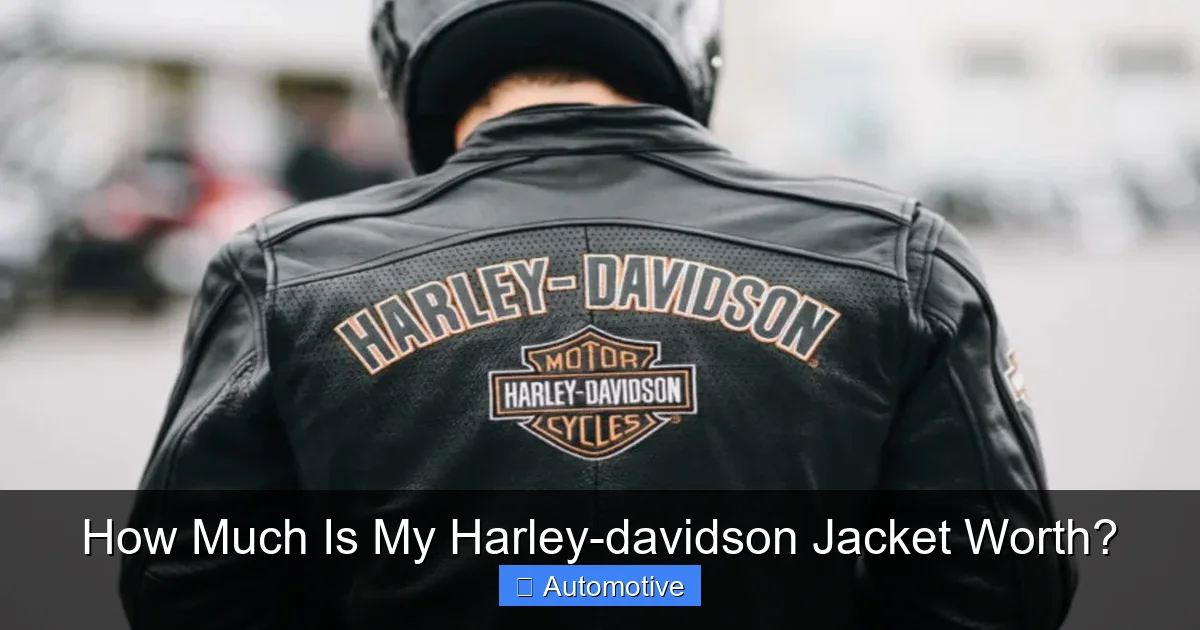
Wondering how much your Harley-Davidson jacket is worth? The value depends on several key factors including age, condition, rarity, and authenticity. Whether it’s a vintage leather piece from the 1970s or a modern textile jacket, understanding the market and doing your research can help you get a fair price—whether you’re selling, insuring, or just curious.
So, you’ve got a Harley-Davidson jacket hanging in your closet—maybe it was a gift, a souvenir from a road trip, or something you bought years ago and forgot about. Now you’re wondering: *How much is my Harley-Davidson jacket worth?* It’s a fair question, especially if you’re thinking about selling it, insuring it, or just satisfying some curiosity. The truth is, the value of a Harley-Davidson jacket isn’t set in stone. It depends on a mix of factors—some obvious, some not so much.
Harley-Davidson isn’t just a motorcycle brand; it’s a lifestyle. For decades, their apparel—especially leather jackets—has symbolized freedom, rebellion, and American craftsmanship. That cultural weight adds value beyond just the materials. But not every Harley jacket is a goldmine. Some are worth a few hundred dollars. Others, especially rare vintage pieces, can fetch thousands. The key is knowing what makes one jacket more valuable than another.
In this guide, we’ll walk you through everything you need to know to determine the worth of your Harley-Davidson jacket. We’ll cover how to identify authentic pieces, what features increase value, where to look for comparable sales, and tips for maximizing your jacket’s resale potential. Whether you’re a longtime rider, a collector, or just stumbled upon an old jacket in the attic, this article will help you understand its true worth.
Key Takeaways
- Age and era matter: Vintage Harley-Davidson jackets, especially those from the 1960s–1980s, often carry higher value due to nostalgia and craftsmanship.
- Condition is critical: Jackets in excellent or like-new condition with minimal wear, intact zippers, and no stains fetch significantly higher prices.
- Rarity increases worth: Limited editions, discontinued styles, or jackets with unique patches or customizations can be highly collectible.
- Authenticity is non-negotiable: Genuine Harley-Davidson jackets with official tags, logos, and serial numbers are worth far more than knockoffs.
- Market demand fluctuates: Prices vary based on trends, seasonality, and buyer interest—research recent sales on platforms like eBay or Etsy.
- Original packaging boosts value: Jackets that come with original tags, care instructions, or boxes can command a premium.
- Professional appraisal helps: For rare or high-value pieces, consider getting an expert appraisal for insurance or resale purposes.
📑 Table of Contents
Understanding What Makes a Harley-Davidson Jacket Valuable
When it comes to pricing a Harley-Davidson jacket, it’s not just about the brand name. Sure, the iconic bar-and-shield logo carries weight, but the real value lies in the details. Let’s break down the core factors that influence how much your jacket is worth.
Brand Heritage and Cultural Significance
Harley-Davidson has been around since 1903, and their apparel division has evolved alongside the motorcycles. Over the decades, their jackets have become symbols of motorcycle culture, appearing in movies, music videos, and on the backs of legendary riders. This cultural cachet means that even older, worn jackets can have value simply because they’re associated with a storied brand.
But not all Harley apparel is created equal. The company has licensed its name to various manufacturers over the years, and the quality and design have varied. Jackets made in the U.S.A. during the mid-20th century, especially those produced under direct Harley oversight, are often more valuable than later overseas-made versions.
Materials and Construction
The type of material used plays a huge role in value. Genuine leather—especially full-grain or top-grain cowhide—is durable, ages beautifully, and is highly sought after. Vintage leather jackets from the 1970s and 1980s, for example, were often made with heavier hides and sturdier stitching than many modern versions.
Textile jackets, while practical and often more affordable, generally don’t hold the same resale value as leather. However, certain high-performance textile jackets with advanced features (like waterproof membranes or armor) can still be valuable to riders looking for functional gear.
Design and Style
Certain styles are more collectible than others. Classic biker jackets with asymmetrical zippers, snap-down collars, and multiple pockets are iconic. The “Perfecto” style, inspired by the original Schott designs, is especially popular among collectors.
Harley has also released themed jackets over the years—like those celebrating anniversaries, special events, or collaborations with artists. These limited-edition pieces often appreciate in value, especially if they’re still in new condition.
How to Determine the Age and Authenticity of Your Jacket
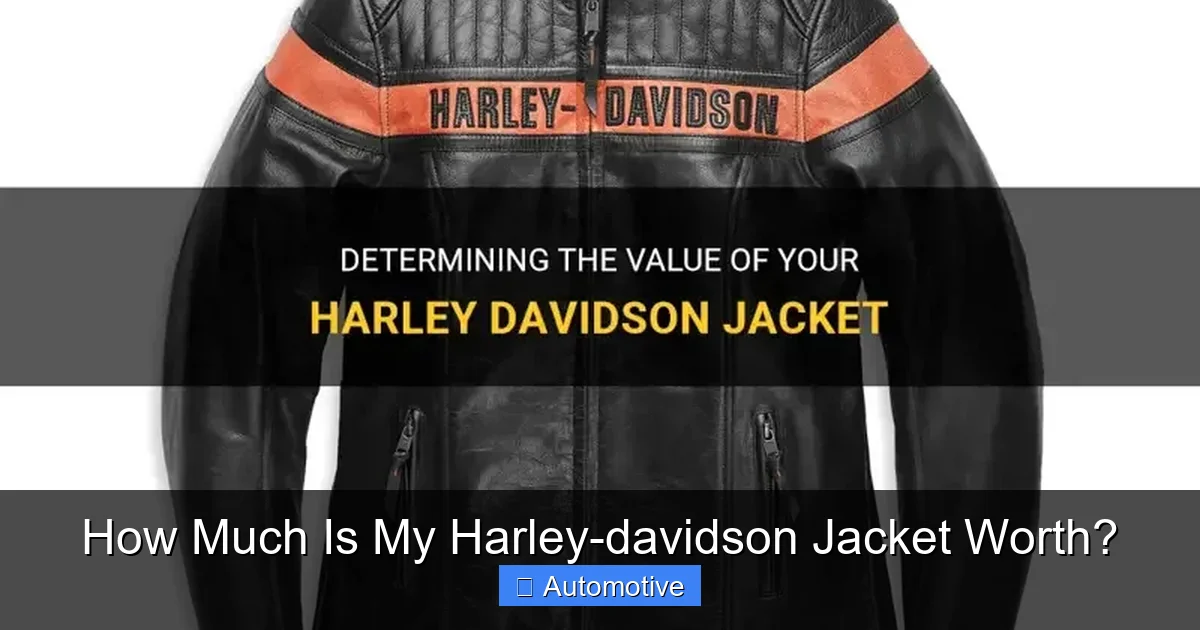
Visual guide about How Much Is My Harley-davidson Jacket Worth?
Image source: shunvogue.com
Before you can estimate value, you need to know what you’re dealing with. Is your jacket a genuine Harley-Davidson product? How old is it? These questions are crucial.
Checking Tags and Labels
The first step is to examine the tags. Authentic Harley-Davidson jackets will have clear branding, usually on a leather or fabric tag inside the collar or along the inner seam. Look for the official Harley-Davidson logo, the word “Genuine,” and sometimes a serial number or manufacturing code.
Older jackets (pre-1990s) often have simpler tags with just the logo and “Made in USA.” Later models may include care instructions, size labels, and even QR codes. Be wary of jackets with blurry logos, misspellings, or tags that look glued on—these are red flags for counterfeits.
Identifying Vintage vs. Modern Jackets
Vintage Harley jackets—typically those made before the 1990s—are often more valuable due to their craftsmanship and historical significance. Look for signs of age: patina on the leather, slight fading, or wear on high-friction areas like the elbows and shoulders. These aren’t necessarily flaws—they can add character and authenticity.
Modern jackets, while well-made, are more common and thus less rare. However, if your jacket is a recent limited edition or part of a special collection, it could still be valuable.
Researching Manufacturing Codes
Some Harley jackets include a manufacturing code or date stamp, often hidden inside a pocket or on a small tag. These codes can help you pinpoint the year of production. Online forums and Harley collector communities often have databases or guides to decode these numbers.
For example, a jacket with a code like “HDS-78-045” might indicate it was made by Harley-Davidson Sportswear in 1978, batch 045. This kind of detail can significantly boost its appeal to collectors.
Factors That Influence Resale Value
Visual guide about How Much Is My Harley-davidson Jacket Worth?
Image source: ironhorserebels.com
Now that you’ve confirmed your jacket’s authenticity and age, let’s talk about what actually drives its market value.
Condition: The #1 Determinant
This can’t be stressed enough: condition is everything. A vintage Harley jacket in pristine condition can be worth 3–5 times more than the same model with significant wear.
Inspect your jacket carefully. Look for:
– Scratches, scuffs, or deep cuts in the leather
– Faded or discolored areas
– Broken or missing zippers, snaps, or buttons
– Stains, odors, or mold
– Loose stitching or unraveling seams
Even small issues can drop the value. That said, minor wear—like light creasing or a slightly softened leather—is normal and expected, especially on older jackets. It’s excessive damage that kills value.
Rarity and Limited Editions
Rarity is a major value booster. If your jacket was part of a limited run—say, a 50th-anniversary edition or a collaboration with a famous artist—it could be highly collectible.
Look for unique features:
– Custom patches or embroidery
– Special colorways (like all-black or two-tone designs)
– Numbered tags or certificates of authenticity
– Exclusive event branding (e.g., “Sturgis 2005”)
These details can turn a standard jacket into a sought-after piece.
Provenance and History
Does your jacket have a story? Was it worn by a famous rider? Did it come from a specific dealership or event? Provenance can add significant value.
For example, a jacket that belonged to a well-known biker or was worn at a historic rally might attract collectors willing to pay a premium. Even documentation—like photos, receipts, or letters—can help verify its history and increase worth.
Market Demand and Trends
The value of Harley jackets isn’t static. It fluctuates based on trends, seasonality, and buyer interest.
For instance:
– Leather jackets tend to sell better in fall and winter.
– Vintage styles see spikes in demand during motorcycle rallies or anniversaries.
– Pop culture moments (like a movie featuring a Harley jacket) can temporarily boost prices.
To get a realistic estimate, check recent sold listings on platforms like eBay, Etsy, or specialized motorcycle gear sites. Avoid looking at “for sale” prices—those are often inflated. Focus on what items actually sold for.
Where to Research and Compare Prices
Visual guide about How Much Is My Harley-davidson Jacket Worth?
Image source: glorystore.uk
Knowing where to look is half the battle. Here are the best places to research your jacket’s value.
eBay: The Go-To Marketplace
eBay is one of the best resources for pricing Harley-Davidson jackets. Use the “Sold Listings” filter to see what similar items have actually sold for—not just what sellers are asking.
Search using specific keywords like:
– “Vintage Harley-Davidson leather jacket 1970s”
– “Harley-Davidson Perfecto style jacket”
– “Limited edition Harley jacket with patches”
Compare jackets with similar age, condition, and features. Pay attention to shipping costs and seller ratings—these can affect final sale prices.
Etsy and Collector Forums
Etsy is great for vintage and handmade items. Many sellers specialize in retro motorcycle gear, and you’ll often find detailed descriptions and high-quality photos.
Forums like The Harley-Davidson Forums, Iron Horse Forums, or Reddit’s r/motorcycles are also valuable. You can post photos of your jacket and ask for opinions from experienced collectors. Just be sure to follow community rules and avoid direct selling.
Specialized Motorcycle Gear Retailers
Some retailers, like RevZilla or J&P Cycles, sell both new and used Harley apparel. While they may not buy back jackets, their pricing can give you a benchmark for modern equivalents.
You can also check auction houses or vintage clothing stores that specialize in Americana or motorcycle memorabilia.
How to Maximize Your Jacket’s Value
If you’re planning to sell, a little effort can go a long way in boosting your jacket’s worth.
Clean and Restore (Carefully)
A clean jacket looks better and sells for more. But be careful—over-cleaning or using the wrong products can damage leather.
For leather jackets:
– Use a damp cloth to wipe off surface dirt.
– Apply a leather conditioner to restore moisture and prevent cracking.
– Avoid harsh chemicals or soaking the jacket.
For textile jackets:
– Follow care label instructions.
– Use a gentle detergent and air dry.
Never try to dye or heavily alter a vintage jacket—this can destroy its value.
Take High-Quality Photos
When listing your jacket online, photos are everything. Use natural light and a clean background. Shoot from multiple angles:
– Front and back
– Close-ups of the logo, tags, and any unique features
– Details of zippers, snaps, and stitching
– Any flaws or wear (honesty builds trust)
Include a photo of the jacket being worn if possible—it helps buyers visualize the fit.
Write a Detailed Description
Your listing should include:
– Brand and model (if known)
– Size and measurements (chest, sleeve, length)
– Material (e.g., “genuine cowhide leather”)
– Age and era (e.g., “1980s vintage”)
– Condition (be honest about flaws)
– Any unique features (patches, limited edition, etc.)
Example:
“Vintage 1982 Harley-Davidson leather motorcycle jacket, size Large. Genuine cowhide with original bar-and-shield logo on chest and back. Asymmetrical zipper, snap-down collar, four front pockets. Light wear on elbows, but no tears or stains. Includes original care tag. Rare find for collectors.”
Choose the Right Platform
Where you sell matters. For high-value vintage pieces, consider:
– eBay (wide audience, auction format)
– Etsy (great for vintage and collectibles)
– Facebook Marketplace (local sales, no fees)
– Specialty forums or collector groups
Avoid selling on platforms with high fees or low traffic unless you’re targeting a niche audience.
Common Mistakes to Avoid
Even experienced sellers make errors that can hurt their jacket’s value. Here’s what to watch out for.
Overestimating Value Based on Brand Alone
Just because it’s a Harley doesn’t mean it’s worth a fortune. Many modern Harley jackets sell for $50–$150, especially if they’re used. Don’t assume rarity or high value without research.
Ignoring Condition Issues
Hiding flaws in photos or descriptions can lead to negative feedback, returns, or disputes. Be upfront about wear and tear—buyers appreciate honesty.
Selling Too Quickly
If you’re not in a rush, wait for the right buyer. Seasonal trends matter. A leather jacket might sell faster in October than in July.
Not Getting an Appraisal for High-Value Pieces
If your jacket is rare, vintage, or has historical significance, consider getting a professional appraisal. This is especially important for insurance purposes or estate planning.
Conclusion
So, how much is your Harley-Davidson jacket worth? The answer isn’t one-size-fits-all. It depends on a combination of age, condition, rarity, authenticity, and market demand. A vintage leather jacket from the 1970s in excellent condition could be worth $500 or more. A modern textile jacket with minor wear might fetch $50–$100.
The key is doing your homework. Check tags, research comparable sales, and be honest about condition. Whether you’re selling, insuring, or just curious, understanding your jacket’s value helps you make informed decisions.
And remember: beyond the price tag, your Harley jacket is more than just clothing. It’s a piece of motorcycle history—a symbol of freedom, adventure, and the open road. That kind of value? That’s priceless.
Frequently Asked Questions
How can I tell if my Harley-Davidson jacket is authentic?
Look for official Harley-Davidson branding on interior tags, including the logo, “Genuine,” and sometimes a serial number. Check for quality stitching, durable materials, and consistent design. Counterfeit jackets often have blurry logos, poor craftsmanship, or misspelled words.
Are vintage Harley jackets more valuable than new ones?
Generally, yes—especially if they’re in good condition and from the 1960s–1980s. Vintage jackets often feature higher-quality materials and craftsmanship, and their rarity makes them desirable to collectors.
Does a Harley jacket with patches increase its value?
It can, especially if the patches are official, rare, or from notable events like Sturgis or Daytona Bike Week. Custom or unofficial patches may not add value and could even reduce it if they’re poorly applied.
Where is the best place to sell a Harley-Davidson jacket?
eBay and Etsy are top choices for reaching collectors and riders. Facebook Marketplace works well for local sales, while specialty forums can connect you with passionate Harley enthusiasts.
Can I clean my vintage Harley jacket myself?
Yes, but gently. Use a damp cloth for surface dirt and a leather conditioner for hydration. Avoid soaking, harsh chemicals, or machine washing, as these can damage the material and reduce value.
Should I insure my Harley-Davidson jacket?
If your jacket is vintage, rare, or worth over $300, consider adding it to your homeowner’s or renter’s insurance policy. A professional appraisal can help determine the right coverage amount.