How Much Is It to Get a Car Battery Replaced
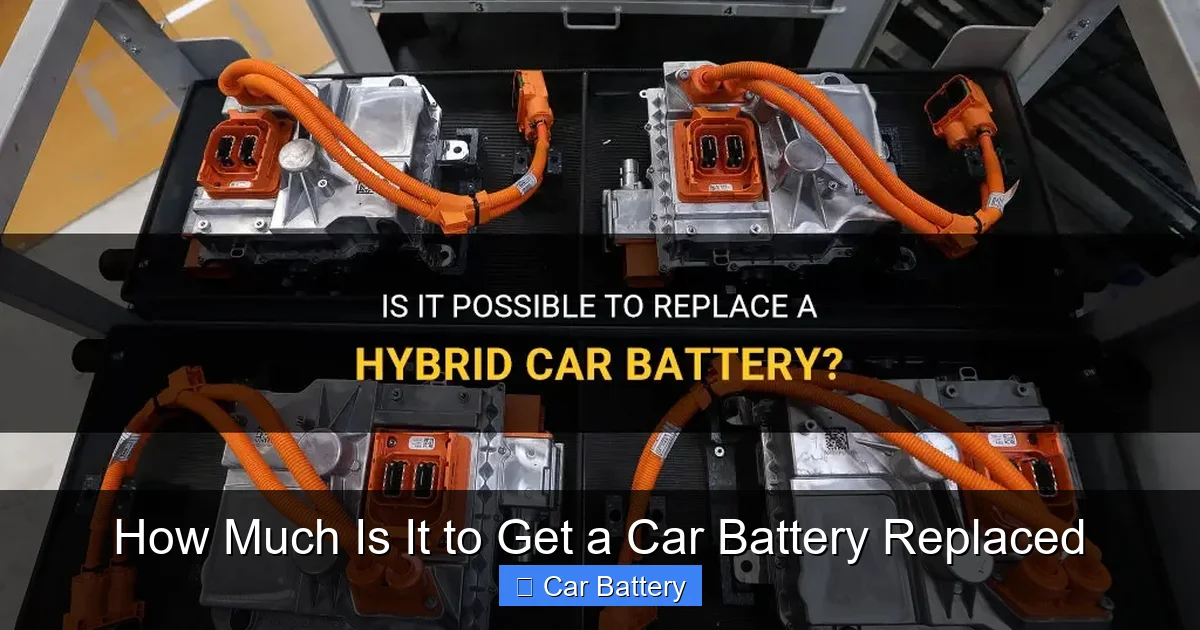
Replacing a car battery typically costs between $120 and $300, including parts and labor. The final price depends on battery type, vehicle make, and where you get it installed. DIY installation can save labor fees, but professional service ensures proper setup and warranty coverage.
In This Article
- 1 Key Takeaways
- 2 📑 Table of Contents
- 3 How Much Is It to Get a Car Battery Replaced? A Complete Guide
- 4 What Affects the Cost of a Car Battery Replacement?
- 5 Average Cost Breakdown by Battery Type
- 6 Where to Get Your Car Battery Replaced
- 7 DIY vs. Professional Installation: Which Is Better?
- 8 How to Save Money on Car Battery Replacement
- 9 Signs You Need a New Car Battery
- 10 Conclusion
- 11 Frequently Asked Questions
Key Takeaways
- Average replacement cost: Most drivers pay between $120 and $300 for a new car battery, including installation.
- Battery type matters: Standard lead-acid batteries are cheaper ($100–$150), while AGM and lithium-ion batteries cost more ($200–$400).
- Labor costs vary: Professional installation usually adds $20–$75, depending on location and shop rates.
- Vehicle-specific factors: Luxury cars, hybrids, and vehicles with complex electrical systems may require specialized batteries and higher labor fees.
- DIY vs. professional: Installing the battery yourself saves money but risks improper setup; pros offer warranties and recycling.
- Warranty and recycling: Many retailers include free installation and battery recycling, and batteries often come with 3–5 year warranties.
- Signs you need a replacement: Slow engine cranking, dim lights, and a battery older than 3–5 years are common warning signs.
📑 Table of Contents
- How Much Is It to Get a Car Battery Replaced? A Complete Guide
- What Affects the Cost of a Car Battery Replacement?
- Average Cost Breakdown by Battery Type
- Where to Get Your Car Battery Replaced
- DIY vs. Professional Installation: Which Is Better?
- How to Save Money on Car Battery Replacement
- Signs You Need a New Car Battery
- Conclusion
How Much Is It to Get a Car Battery Replaced? A Complete Guide
If your car won’t start, the battery is often the first suspect. But before you panic, it’s important to know what you’re up against—especially when it comes to cost. So, how much is it to get a car battery replaced? The short answer: most people spend between $120 and $300 for a new battery and professional installation. But that number can go higher or lower depending on several factors, from the type of battery to where you live and whether you do it yourself.
This guide breaks down everything you need to know about car battery replacement costs. We’ll cover average prices, what influences the final bill, where to shop, and whether DIY is worth it. Whether you’re driving a compact sedan or a high-end SUV, understanding these details can help you make a smart, budget-friendly decision. Plus, we’ll share tips to extend your battery’s life and avoid unnecessary replacements down the road.
What Affects the Cost of a Car Battery Replacement?
Not all car batteries are created equal—and neither are their prices. Several key factors determine how much you’ll pay when it’s time for a replacement. Understanding these can help you avoid surprise charges and choose the best option for your vehicle and budget.
Visual guide about How Much Is It to Get a Car Battery Replaced
Image source: static.wixstatic.com
Battery Type and Technology
The most significant factor in battery cost is the type of battery your car needs. Most vehicles use one of three main types: standard lead-acid, absorbed glass mat (AGM), or lithium-ion. Each comes with its own price range and performance benefits.
Standard flooded lead-acid batteries are the most common and affordable. They’re found in older cars and many economy models. These typically cost between $100 and $150 for the battery alone. They’re reliable but have a shorter lifespan—usually 3 to 5 years—and aren’t designed for high electrical demands.
AGM batteries, on the other hand, are more advanced. They’re sealed, spill-proof, and better at handling repeated charging cycles. That makes them ideal for vehicles with start-stop technology, advanced electronics, or high power needs. AGM batteries usually cost between $180 and $300. While pricier upfront, they last longer and perform better in extreme temperatures.
Lithium-ion batteries are the newest and most expensive option, mostly used in electric and hybrid vehicles. They’re lightweight and efficient but can cost $300 to $500 or more. Unless you drive a Tesla, Prius, or another EV, you probably won’t need one—but if you do, expect a higher price tag.
Vehicle Make and Model
Your car’s make and model play a big role in battery cost. Luxury vehicles like BMW, Mercedes, and Audi often require specialized batteries that are more expensive and harder to install. These cars may also need programming or calibration after a battery swap, which adds to labor costs.
For example, a standard Honda Civic might use a $120 lead-acid battery that’s easy to replace. But a BMW 5 Series could need a $250 AGM battery with a complex mounting system and software reset—pushing the total cost closer to $350 or more.
Hybrid and electric vehicles also tend to have higher battery replacement costs. While the 12-volt auxiliary battery (the one that starts the car) is similar to a regular car’s, the main high-voltage battery pack is far more expensive—often thousands of dollars. But that’s a separate issue from the standard battery we’re discussing here.
Labor Costs and Installation Fees
Even if you buy the battery yourself, installation isn’t always free. Labor costs vary by location, shop type, and vehicle complexity. On average, professional installation runs between $20 and $75.
Dealerships tend to charge the most—often $50 to $100 for labor—because of their certified technicians and diagnostic tools. Independent mechanics and local garages are usually cheaper, around $20 to $50. Big-box retailers like AutoZone, Advance Auto Parts, and O’Reilly Auto Parts often offer free installation if you buy the battery from them. That’s a great deal if you’re on a budget.
Some vehicles require extra steps during installation. For instance, certain European cars need the battery registered with the car’s computer system. Others have batteries tucked under seats or in trunks, making access difficult. These complications can increase labor time and cost.
Geographic Location and Market Rates
Where you live affects pricing too. In big cities with high living costs—like New York, Los Angeles, or Chicago—battery prices and labor rates tend to be higher. In rural areas or smaller towns, you might find lower prices and more competitive deals.
Taxes and environmental fees also vary by state. Some states charge a core charge (a deposit for returning your old battery), which is usually $10 to $20 and refunded when you bring in the old one. Others include recycling fees in the price. Always ask about these extras to avoid surprises at checkout.
Average Cost Breakdown by Battery Type
To give you a clearer picture, here’s a breakdown of average replacement costs based on battery type and installation method. These estimates include both parts and labor unless otherwise noted.
Visual guide about How Much Is It to Get a Car Battery Replaced
Image source: carbatterygeek.co.uk
Standard Lead-Acid Battery
- Battery cost: $100–$150
- Installation (professional): $20–$50
- Total cost: $120–$200
This is the most budget-friendly option and works for most everyday drivers. If you buy from a retailer that offers free installation, your total could be as low as $100. Just make sure the battery meets your car’s cold cranking amps (CCA) and reserve capacity (RC) requirements.
AGM Battery
- Battery cost: $180–$300
- Installation (professional): $30–$75
- Total cost: $210–$375
AGM batteries are worth the investment if your car has start-stop technology, a premium sound system, or frequent short trips. They last longer and perform better in cold weather. Some retailers include free installation, which can bring the total closer to $200.
Lithium-Ion Battery (for hybrids/EVs)
- Battery cost: $300–$500+
- Installation (professional): $50–$100
- Total cost: $350–$600+
These are typically only needed for hybrid or electric vehicles. Installation often requires specialized tools and knowledge, so it’s best left to professionals. Some manufacturers offer battery replacement programs or extended warranties that can reduce out-of-pocket costs.
DIY Installation
- Battery cost: $100–$300 (depending on type)
- Tools needed: Wrench, gloves, safety glasses (usually under $20)
- Total cost: $100–$320
Doing it yourself saves labor fees and can be a satisfying project. Just make sure you disconnect the negative terminal first, wear protective gear, and properly dispose of the old battery. Many auto parts stores recycle old batteries for free.
Where to Get Your Car Battery Replaced
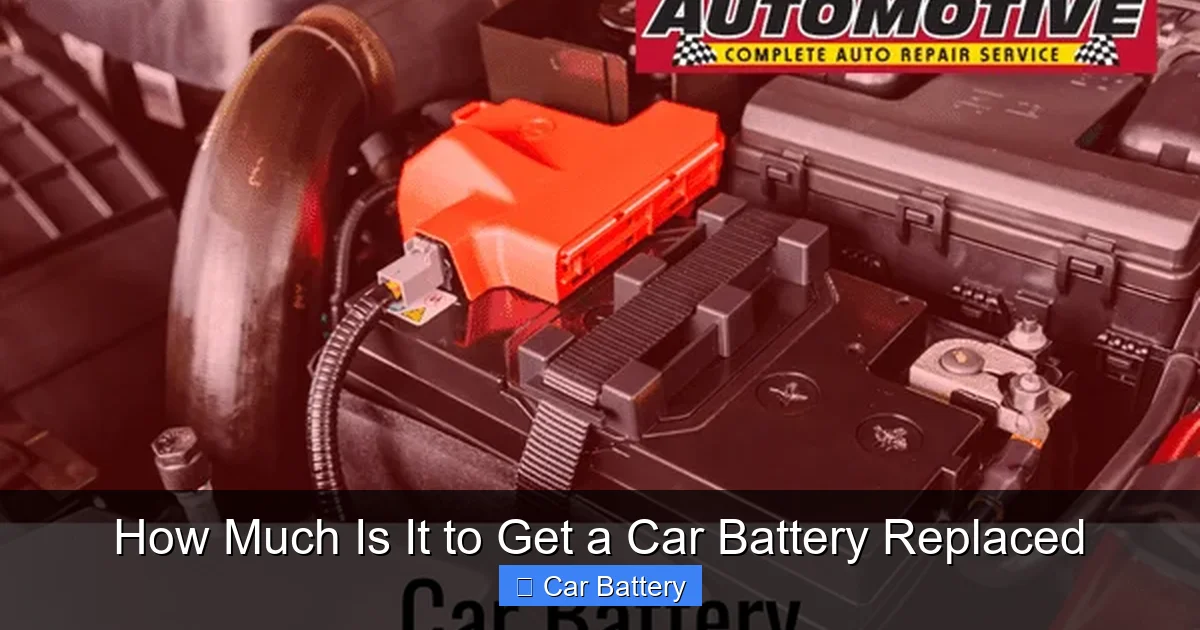
You have several options when it’s time to replace your car battery. Each comes with its own pros and cons in terms of cost, convenience, and service quality.
Visual guide about How Much Is It to Get a Car Battery Replaced
Image source: garysautoinc.com
Auto Parts Retailers
Stores like AutoZone, Advance Auto Parts, O’Reilly Auto Parts, and NAPA are popular choices for battery replacement. They offer a wide selection, competitive pricing, and often include free installation and battery testing.
For example, AutoZone provides free battery installation with purchase, and their staff can test your old battery to confirm it’s the problem. They also recycle your old battery at no charge. Prices are usually lower than dealerships, and you can often find coupons or discounts online.
One downside is that staff may not be as specialized as dealership technicians, especially for complex vehicles. But for most cars, these stores are a reliable and affordable option.
Car Dealerships
Dealerships offer OEM (original equipment manufacturer) batteries that are guaranteed to match your car’s specs. They also have trained technicians who can handle programming and diagnostics.
The trade-off? Higher prices. A dealership might charge $200 for a battery that costs $130 at an auto parts store, plus $75 for installation. But if your car requires a software update or battery registration, the dealership may be the safest choice.
Some dealerships also offer service packages or loyalty discounts. If you’re already getting an oil change or inspection, it might make sense to bundle the battery replacement.
Independent Mechanics and Local Garages
Local mechanics often provide personalized service and fair pricing. They may not have the same brand selection as big retailers, but they can order the right battery for your car and install it quickly.
Labor rates are usually lower than dealerships—around $30 to $50—and many shops will test your charging system for free. Plus, supporting local businesses can build trust and long-term relationships.
Just make sure the shop is reputable. Check online reviews, ask about warranties, and confirm they’ll recycle your old battery.
Mobile Battery Services
In recent years, mobile battery replacement services have grown in popularity. Companies like YourMechanic, Roadie, and local mobile mechanics come to your home or office to replace your battery.
Convenience is the biggest perk—no waiting at a shop or driving on a dead battery. Prices are competitive, often matching retail stores, and many include warranties. However, availability varies by location, and you may need to schedule in advance.
DIY vs. Professional Installation: Which Is Better?
One of the biggest decisions you’ll make is whether to replace the battery yourself or hire a professional. Both options have advantages, and the best choice depends on your skill level, tools, and vehicle.
Pros of DIY Installation
- Saves money: You avoid labor fees, which can be $20–$75.
- Convenient timing: You can do it on your schedule, not the shop’s.
- Learning experience: It’s a simple repair that builds confidence.
Replacing a car battery is one of the easiest DIY car repairs. Most batteries are located under the hood and held in place with a clamp. You’ll need a wrench, gloves, and safety glasses. Always disconnect the negative terminal first to avoid short circuits.
Cons of DIY Installation
- Risk of damage: Improper handling can damage terminals or electronics.
- No warranty support: If something goes wrong, you’re on your own.
- Disposal hassle: You’ll need to recycle the old battery properly.
Some cars have batteries in hard-to-reach places—under the rear seat, in the trunk, or behind panels. If you’re not comfortable with that, it’s better to call a pro.
When to Choose Professional Installation
Go with a professional if:
- Your car requires battery registration or software updates.
- The battery is in a difficult location.
- You’re unsure about safety procedures.
- You want the peace of mind of a warranty and proper recycling.
Many retailers offer free installation, so there’s little reason to pay extra unless your vehicle is complex.
How to Save Money on Car Battery Replacement
Battery replacement doesn’t have to break the bank. With a few smart strategies, you can reduce costs and get the best value for your money.
Shop Around and Compare Prices
Don’t settle for the first quote you get. Check prices at multiple retailers, dealerships, and online. Use tools like Google Shopping or retailer websites to compare battery models and prices.
For example, a Duracell Ultra AGM battery might cost $220 at AutoZone but $245 at O’Reilly. That $25 difference adds up over time. Also, look for sales—many stores run promotions in spring and fall when battery demand is high.
Take Advantage of Free Services
Many auto parts stores offer free battery testing, installation, and recycling. Use these services to save money and ensure your new battery is installed correctly.
Some stores also provide free charging system checks. This can help you determine if the battery is really the problem or if it’s a faulty alternator or starter.
Check for Warranties and Rebates
Most car batteries come with a warranty of 3 to 5 years. Some even offer free replacement within the first year or two. Read the fine print to understand what’s covered.
Occasionally, manufacturers or retailers run rebate programs. For example, you might get $20 back by mailing in a receipt. These deals aren’t common, but they’re worth watching for.
Recycle Your Old Battery
Lead-acid batteries are 99% recyclable, and most retailers will take your old one for free. This not only helps the environment but also avoids disposal fees. Some places even refund your core charge when you return the old battery.
Signs You Need a New Car Battery
Knowing when to replace your battery can prevent breakdowns and save you from emergency towing fees. Here are the most common warning signs:
- Slow engine cranking: If the engine takes longer to start, especially in cold weather, the battery may be weak.
- Dim headlights or interior lights: Lights that flicker or seem dimmer than usual can indicate low voltage.
- Check engine or battery warning light: Some cars have a dashboard light that signals battery or charging system issues.
- Swollen battery case: A bulging battery is a sign of overheating or overcharging and should be replaced immediately.
- Old age: Most batteries last 3 to 5 years. If yours is older, it’s time to test or replace it.
Regular maintenance can extend your battery’s life. Keep terminals clean, avoid short trips, and use a battery maintainer if the car sits for long periods.
Conclusion
So, how much is it to get a car battery replaced? For most drivers, the answer is between $120 and $300, depending on battery type, vehicle, and installation method. While it’s not a huge expense, it’s one that can sneak up on you—especially if you’re not prepared.
The good news? With a little research and planning, you can get a quality battery at a fair price. Whether you choose a standard lead-acid model or invest in an AGM for better performance, understanding your options helps you make the right call. And by taking advantage of free installation, warranties, and recycling programs, you can save even more.
Don’t wait until your car won’t start. Test your battery regularly, watch for warning signs, and replace it before it leaves you stranded. A reliable battery means peace of mind, better performance, and fewer headaches down the road.
Frequently Asked Questions
How much does it cost to replace a car battery at a dealership?
Dealerships typically charge $200 to $400 for a car battery replacement, including parts and labor. Prices are higher due to OEM batteries and certified technicians, but they offer precise fit and software support for complex vehicles.
Can I replace my car battery myself?
Yes, most car batteries can be replaced at home with basic tools. It’s a simple process, but you must disconnect the negative terminal first and handle the battery safely. DIY saves labor costs but offers no warranty support.
Do auto parts stores install batteries for free?
Many auto parts stores, like AutoZone and O’Reilly, offer free battery installation when you purchase the battery from them. This is a great way to save on labor fees and ensure proper setup.
How long does a car battery last?
Most car batteries last between 3 and 5 years, depending on climate, driving habits, and vehicle type. Extreme temperatures and frequent short trips can shorten battery life.
What happens if I don’t replace a dead battery?
A dead battery can leave you stranded and may damage your car’s electrical system over time. It can also strain the alternator, leading to costly repairs. Replacing it promptly prevents bigger issues.
Is it worth upgrading to an AGM battery?
Upgrading to an AGM battery is worth it if your car has start-stop technology, high electrical demands, or you live in a cold climate. AGM batteries last longer and perform better, but cost more upfront.