
How Much Is Car Insurance in Oklahoma?

Car insurance in Oklahoma costs an average of $1,800 to $2,200 per year for full coverage, but rates vary widely based on age, driving record, location, and coverage choices. Understanding what impacts your premium and how to shop smart can help you find affordable, reliable protection.
Key Takeaways
- Average annual premiums in Oklahoma range from $1,800 to $2,200 for full coverage. This is slightly above the national average, but still competitive compared to many other states.
- Minimum liability coverage is legally required in Oklahoma. Drivers must carry at least 25/50/25 coverage (in thousands) to meet state law.
- Your driving record heavily influences your rate. Accidents, tickets, and DUIs can increase premiums by 20% or more.
- Where you live matters. Urban areas like Oklahoma City and Tulsa tend to have higher rates due to traffic density and theft rates.
- Age and gender affect pricing. Young drivers, especially males under 25, often pay significantly more than older, experienced drivers.
- Shopping around saves money. Comparing quotes from at least three insurers can lead to savings of $300 or more per year.
- Discounts can lower your bill. Safe driver, multi-policy, good student, and low-mileage discounts are widely available.
📑 Table of Contents
- How Much Is Car Insurance in Oklahoma? A Complete Guide
- Oklahoma Car Insurance Requirements: What You Must Carry
- What Affects Car Insurance Rates in Oklahoma?
- Average Car Insurance Rates in Oklahoma by Insurer
- How to Save Money on Car Insurance in Oklahoma
- Special Considerations for Oklahoma Drivers
- Final Thoughts: Finding the Right Coverage at the Right Price
How Much Is Car Insurance in Oklahoma? A Complete Guide
If you’re a driver in Oklahoma, you’ve probably asked yourself: “How much is car insurance in Oklahoma?” It’s a fair question—especially when you’re trying to budget for monthly expenses or comparing quotes for the first time. The truth is, car insurance costs in the Sooner State aren’t one-size-fits-all. They depend on a mix of personal factors, location, driving history, and the type of coverage you choose.
On average, Oklahomans pay between $1,800 and $2,200 per year for full coverage car insurance. That breaks down to about $150 to $185 per month. For minimum liability coverage—just enough to meet state requirements—the average drops to around $600 to $800 annually, or $50 to $67 per month. While these numbers are slightly higher than the national average, they’re still more affordable than in many coastal states like California or New York.
But here’s the thing: your actual rate could be much lower—or higher—depending on your unique situation. That’s why it’s important to understand what goes into calculating your premium. From your ZIP code to your credit score, several factors influence how much you’ll pay. In this guide, we’ll break down everything you need to know about car insurance costs in Oklahoma, including average rates, legal requirements, and smart ways to save.
Oklahoma Car Insurance Requirements: What You Must Carry
Visual guide about How Much Is Car Insurance in Oklahoma?
Image source: images.ctfassets.net
Before we dive into pricing, let’s talk about what you’re legally required to carry. Like most states, Oklahoma mandates that all drivers have at least a minimum level of liability insurance. This isn’t just a suggestion—it’s the law. If you’re caught driving without it, you could face fines, license suspension, or even vehicle impoundment.
Minimum Liability Coverage in Oklahoma
Oklahoma requires drivers to carry liability insurance with the following minimum limits:
- $25,000 for bodily injury per person
- $50,000 for bodily injury per accident
- $25,000 for property damage per accident
This is often written as 25/50/25. In simple terms, if you’re at fault in an accident, your insurance will cover up to $25,000 for one person’s injuries, $50,000 total for all injured parties, and $25,000 for damage to other people’s property (like their car or a fence).
But here’s a reality check: these minimums might not be enough. Medical bills can easily exceed $25,000, especially in serious accidents. And if you cause major damage or injury, you could be sued for the difference. That’s why many financial advisors recommend carrying higher limits—like 100/300/100—or even adding umbrella coverage for extra protection.
Uninsured/Underinsured Motorist Coverage
Oklahoma also requires drivers to carry uninsured/underinsured motorist (UM/UIM) coverage. This protects you if you’re hit by a driver who has no insurance or not enough to cover your damages. The minimum UM/UIM limits match your liability coverage—so if you have 25/50/25 liability, you must also have 25/50/25 UM/UIM.
This is a smart move. According to the Insurance Research Council, about 1 in 8 drivers in the U.S. is uninsured. In Oklahoma, the rate is slightly higher than average, making UM/UIM coverage especially valuable.
Proof of Insurance and Penalties
You must always carry proof of insurance in your vehicle. If you’re pulled over or involved in an accident, law enforcement will ask to see it. If you can’t provide it, you could be fined up to $250 for a first offense. Repeat violations can lead to higher fines, license suspension, or even jail time.
The good news? Oklahoma uses an electronic insurance verification system. Your insurer reports your coverage to the state, so police can check your status instantly. But that also means if your policy lapses, the state will know—and you’ll face penalties fast.
What Affects Car Insurance Rates in Oklahoma?
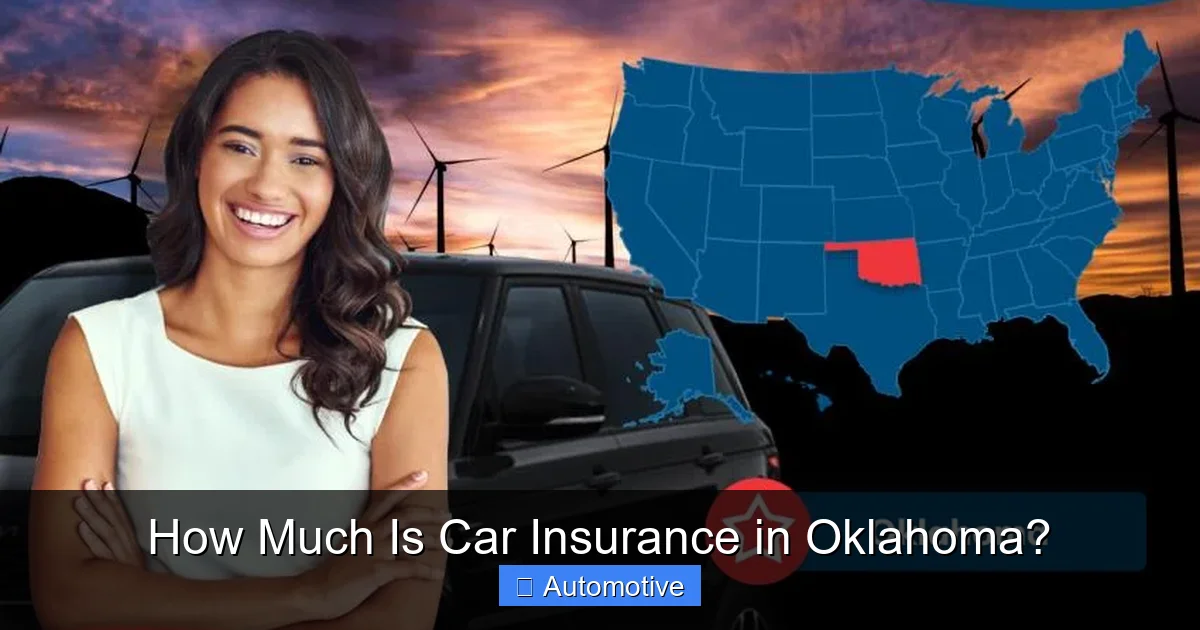
Visual guide about How Much Is Car Insurance in Oklahoma?
Image source: americaninsurance.com
Now that you know the basics, let’s talk about what really drives your premium. Insurance companies use complex algorithms to assess risk, and they consider dozens of factors when setting your rate. Here are the biggest ones that impact how much car insurance costs in Oklahoma.
Your Driving Record
This is one of the most influential factors. If you have a clean driving record—no accidents, tickets, or DUIs—you’ll likely pay less. But even one speeding ticket can increase your rate by 10% to 20%. A DUI? That could double your premium or more.
For example, a 35-year-old driver with a clean record might pay $1,600 per year for full coverage. The same driver with a recent at-fault accident could see their rate jump to $2,000 or higher. And if they have a DUI, they might pay $3,000 or more—especially if they’re required to file an SR-22 form.
Age and Gender
Young drivers pay more—plain and simple. Teenagers and drivers in their early 20s are statistically more likely to be involved in accidents, so insurers charge them higher rates. In Oklahoma, a 17-year-old male might pay $4,000 or more per year for full coverage, while a 45-year-old female with a clean record could pay half that.
Gender also plays a role, especially for younger drivers. Males under 25 typically pay more than females of the same age, though this gap narrows with age. Once you hit 30, the difference becomes minimal.
Where You Live
Your ZIP code matters more than you might think. Urban areas like Oklahoma City, Tulsa, and Norman tend to have higher insurance rates due to factors like traffic congestion, higher accident rates, and increased theft or vandalism. Rural areas, on the other hand, often have lower premiums.
For example, a driver in downtown Oklahoma City might pay $200 more per year than someone living in a small town like Ada or Durant. Even within the same city, rates can vary by neighborhood. Areas with higher crime rates or more frequent claims will see higher premiums.
Your Vehicle
The type of car you drive affects your rate. Sports cars, luxury vehicles, and models with high repair costs typically cost more to insure. On the flip side, safe, reliable sedans and SUVs with good crash-test ratings often come with lower premiums.
For instance, insuring a Honda Accord or Toyota Camry will generally be cheaper than insuring a BMW 3 Series or a Dodge Charger. Also, newer cars with advanced safety features (like automatic emergency braking or lane departure warnings) may qualify for discounts.
Credit Score
In Oklahoma, insurers can use your credit-based insurance score to help determine your rate. Studies show a correlation between credit history and claim frequency, so drivers with poor credit often pay more.
If your credit score is below 600, you could see a significant rate increase—sometimes 30% or more. On the other hand, maintaining a score above 750 can help you qualify for the best rates. Just remember: this doesn’t mean you’re being judged on your finances. It’s simply one of many risk factors insurers consider.
Coverage Level and Deductible
The more coverage you buy, the more you’ll pay. Full coverage—which includes liability, collision, and comprehensive—costs more than minimum liability alone. But it also gives you much better protection.
Your deductible also plays a role. A higher deductible (say, $1,000 instead of $500) means lower monthly premiums, but you’ll pay more out of pocket if you file a claim. Choose a deductible you can comfortably afford in an emergency.
Average Car Insurance Rates in Oklahoma by Insurer
Visual guide about How Much Is Car Insurance in Oklahoma?
Image source: fredloya.com
Not all insurance companies charge the same rates. Some are known for competitive pricing, while others focus on customer service or specialized coverage. Here’s a look at average annual premiums for full coverage in Oklahoma from some of the top insurers:
- State Farm: ~$1,600
- GEICO: ~$1,700
- Progressive: ~$1,850
- Allstate: ~$2,100
- Farmers: ~$2,200
- USAA: ~$1,400 (for military members and families only)
These are averages—your actual rate could be higher or lower. But they give you a good starting point when comparing quotes.
State Farm and GEICO are often the most affordable for drivers with clean records. USAA is consistently the cheapest, but it’s only available to active and retired military personnel and their families. Progressive and Allstate tend to be pricier, but they offer strong customer service and a wide range of discounts.
Why Rates Vary Between Companies
Each insurer uses its own formula to calculate risk. Some weigh driving history more heavily, while others focus on credit or location. That’s why getting quotes from multiple companies is so important. You might find that one insurer sees you as a low-risk driver, while another charges you more for the same profile.
For example, a 30-year-old woman in Tulsa with a clean record might get a quote of $1,500 from GEICO but $2,000 from Allstate. That’s a $500 difference—just for the same coverage.
How to Save Money on Car Insurance in Oklahoma
The good news? There are plenty of ways to lower your car insurance bill without sacrificing coverage. Here are some proven strategies to help you save.
Shop Around and Compare Quotes
This is the #1 way to save. Insurance isn’t a one-and-done decision. Rates change, new discounts become available, and your life circumstances evolve. That’s why it’s smart to compare quotes at least once a year—or whenever you have a major life change (like buying a new car or moving).
Use online comparison tools or work with an independent agent who can check multiple insurers at once. Don’t just look at the price—also consider customer service, claims handling, and financial stability.
Take Advantage of Discounts
Most insurers offer a variety of discounts. Here are some common ones available in Oklahoma:
- Safe Driver Discount: For drivers with no accidents or tickets in the past 3–5 years.
- Multi-Policy Discount: Save 10–25% when you bundle auto and home or renters insurance.
- Good Student Discount: For full-time students with a B average or higher.
- Low-Mileage Discount: If you drive fewer than 7,500–10,000 miles per year.
- Defensive Driving Course: Completing an approved course can reduce your rate by 5–10%.
- Anti-Theft Device Discount: For vehicles equipped with alarms or tracking systems.
Ask your insurer about all available discounts—you might be missing out on hundreds in savings.
Raise Your Deductible
If you can afford to pay more out of pocket in the event of a claim, consider raising your deductible from $500 to $1,000. This can lower your premium by 15% to 30%. Just make sure you have the funds set aside in an emergency fund.
Maintain a Good Credit Score
Since credit affects your rate, take steps to improve it. Pay bills on time, keep credit card balances low, and check your credit report for errors. Even a small improvement can lead to lower premiums.
Drive Safely and Avoid Claims
A clean driving record is one of the best ways to keep your rates low. Avoid speeding, distracted driving, and aggressive maneuvers. And think twice before filing small claims—sometimes it’s cheaper to pay out of pocket than risk a rate increase.
Consider Usage-Based Insurance
Some insurers offer programs that track your driving habits through a mobile app or device. If you drive safely and infrequently, you could earn discounts of 10–20%. Progressive’s Snapshot and Allstate’s Drivewise are two popular options.
Special Considerations for Oklahoma Drivers
Oklahoma has some unique factors that can affect your car insurance experience. Here’s what to keep in mind.
Severe Weather Risks
Oklahoma is part of “Tornado Alley,” which means severe storms, hail, and high winds are common. These events can cause significant vehicle damage, especially from hail or flying debris. That’s why comprehensive coverage—which covers non-collision damage—is highly recommended.
If you live in an area prone to tornadoes or hailstorms, comprehensive coverage can save you thousands. For example, a single hailstorm in Oklahoma City in 2017 caused over $2 billion in damage. Without comprehensive coverage, drivers were left paying out of pocket.
High Uninsured Motorist Rates
As mentioned earlier, Oklahoma has a higher-than-average number of uninsured drivers. This makes UM/UIM coverage essential. If you’re hit by an uninsured driver, this coverage pays for your medical bills, lost wages, and vehicle repairs.
Rural vs. Urban Driving
If you live in a rural area, you might enjoy lower rates—but you could also face longer response times from emergency services or insurers. Make sure your policy includes roadside assistance or towing coverage, especially if you drive long distances.
Final Thoughts: Finding the Right Coverage at the Right Price
So, how much is car insurance in Oklahoma? The answer depends on you. While the average driver pays around $1,900 per year for full coverage, your rate could be higher or lower based on your age, driving history, location, and choices.
The key is to understand your needs, know your options, and shop smart. Don’t just go with the first quote you get. Compare multiple insurers, ask about discounts, and consider your long-term financial goals. And remember: the cheapest policy isn’t always the best. Make sure you’re getting the coverage you need to protect yourself, your family, and your assets.
Car insurance is more than a legal requirement—it’s peace of mind. Whether you’re commuting to work in Tulsa, road-tripping across the state, or just running errands in Norman, having the right coverage means you can drive with confidence.
Take the time to review your policy annually, update your information, and explore new ways to save. With a little effort, you can find affordable, reliable car insurance that fits your lifestyle and budget.
Frequently Asked Questions
What is the minimum car insurance required in Oklahoma?
In Oklahoma, drivers must carry at least 25/50/25 liability coverage: $25,000 for bodily injury per person, $50,000 per accident, and $25,000 for property damage. Uninsured/underinsured motorist coverage with the same limits is also required.
How much does full coverage car insurance cost in Oklahoma?
Full coverage car insurance in Oklahoma averages between $1,800 and $2,200 per year, or about $150 to $185 per month. Rates vary based on driving history, age, location, and insurer.
Why is car insurance more expensive in Oklahoma City?
Oklahoma City has higher traffic density, accident rates, and vehicle theft compared to rural areas, leading to higher insurance premiums. Urban ZIP codes often see rates 10–20% above the state average.
Can I get car insurance with a bad driving record in Oklahoma?
Yes, but it will cost more. Drivers with accidents, tickets, or DUIs may pay 20–50% higher premiums. Some insurers specialize in high-risk drivers, though rates will still be above average.
Do I need comprehensive coverage in Oklahoma?
While not required by law, comprehensive coverage is highly recommended due to Oklahoma’s severe weather, including hail and tornadoes. It covers non-collision damage like storms, theft, and vandalism.
How can I lower my car insurance premium in Oklahoma?
Shop around for quotes, maintain a clean driving record, raise your deductible, bundle policies, maintain good credit, and take advantage of discounts like safe driver or low-mileage offers.