How Much Is a Used Car Battery

Wondering how much is a used car battery? Prices typically range from $30 to $100, depending on age, brand, and condition. While cheaper than new batteries, used ones come with risks—so knowing what to look for is key.
[FEATURED_IMAGE_PLACEOLDER]
If your car won’t start and the dashboard lights flicker like a disco ball, you might be facing a dead battery. Before you panic and rush out to buy a brand-new one for $150 or more, consider a more budget-friendly option: a used car battery. But how much is a used car battery really? And is it worth the savings?
The short answer? Most used car batteries sell for between $30 and $100. That’s a big difference from the $120–$200 you’d pay for a new one. But here’s the catch: just because it’s cheap doesn’t mean it’s a good deal. A used battery can save you money upfront, but if it fails in a few months, you’ll end up spending more in the long run—not to mention the hassle of being stranded.
In this guide, we’ll walk you through everything you need to know about used car batteries: how much they cost, where to buy them, what to watch out for, and whether they’re actually a smart choice. Whether you’re on a tight budget or just trying to stretch your dollar, understanding the ins and outs of used batteries can help you make a confident, informed decision.
In This Article
- 1 Key Takeaways
- 2 📑 Table of Contents
- 3 What Determines the Price of a Used Car Battery?
- 4 Where to Buy a Used Car Battery (and Where to Avoid)
- 5 How to Test a Used Car Battery Before Buying
- 6 Used vs. Refurbished vs. New: Which Is Best?
- 7 Hidden Costs and Risks of Buying Used
- 8 Tips for Getting the Best Deal on a Used Car Battery
- 9 Conclusion
- 10 Frequently Asked Questions
Key Takeaways
- Price Range: Used car batteries usually cost between $30 and $100, with most falling in the $50–$75 range.
- Age Matters: Batteries older than 3 years may not hold a charge well, even if they appear functional.
- Brand and Type Impact Value: Premium brands like Optima or Odyssey retain more value than generic models.
- Warranty Is Rare: Most used batteries are sold “as-is,” so testing before purchase is crucial.
- Recycling Incentives: Some auto shops offer $10–$15 credit for turning in an old battery, which can offset the cost.
- Installation Costs: Factor in $10–$25 for professional installation unless you’re doing it yourself.
- Better Alternatives Exist: Reconditioned or refurbished batteries often offer better reliability than purely used ones.
📑 Table of Contents
What Determines the Price of a Used Car Battery?
So, how much is a used car battery? It’s not a one-size-fits-all answer. Several factors influence the price, and knowing them can help you spot a fair deal—or avoid a lemon.
First, age is the biggest factor. Car batteries typically last 3 to 5 years under normal conditions. A used battery that’s only 1–2 years old will cost more than one that’s 4 years old, even if both look similar. Why? Because older batteries lose their ability to hold a charge over time, regardless of how well they’ve been maintained.
Next, brand matters. Premium brands like Optima, Odyssey, or Interstate tend to hold their value better than generic or off-brand batteries. A used Optima RedTop might still fetch $80–$100, while a no-name battery of the same age could go for $30. This is because high-end batteries are built with better materials and often perform more reliably, even after years of use.
Battery type also plays a role. Most cars use standard lead-acid batteries, but some newer vehicles require AGM (Absorbent Glass Mat) or EFB (Enhanced Flooded Battery) types, which are more expensive to produce. A used AGM battery will cost more than a traditional flooded battery, even if both are secondhand.
Finally, condition and testing matter. A used battery that’s been load-tested and comes with a basic warranty (even a 30-day one) will cost more than one sold “as-is” from a junkyard. Always ask if the battery has been tested—voltage alone isn’t enough. A proper load test simulates real-world demand and shows whether the battery can actually deliver power when needed.
Where to Buy a Used Car Battery (and Where to Avoid)
Visual guide about How Much Is a Used Car Battery
Image source: wawreckers.com.au
Now that you know what affects the price, let’s talk about where to actually find a used car battery. Not all sources are created equal, and some are riskier than others.
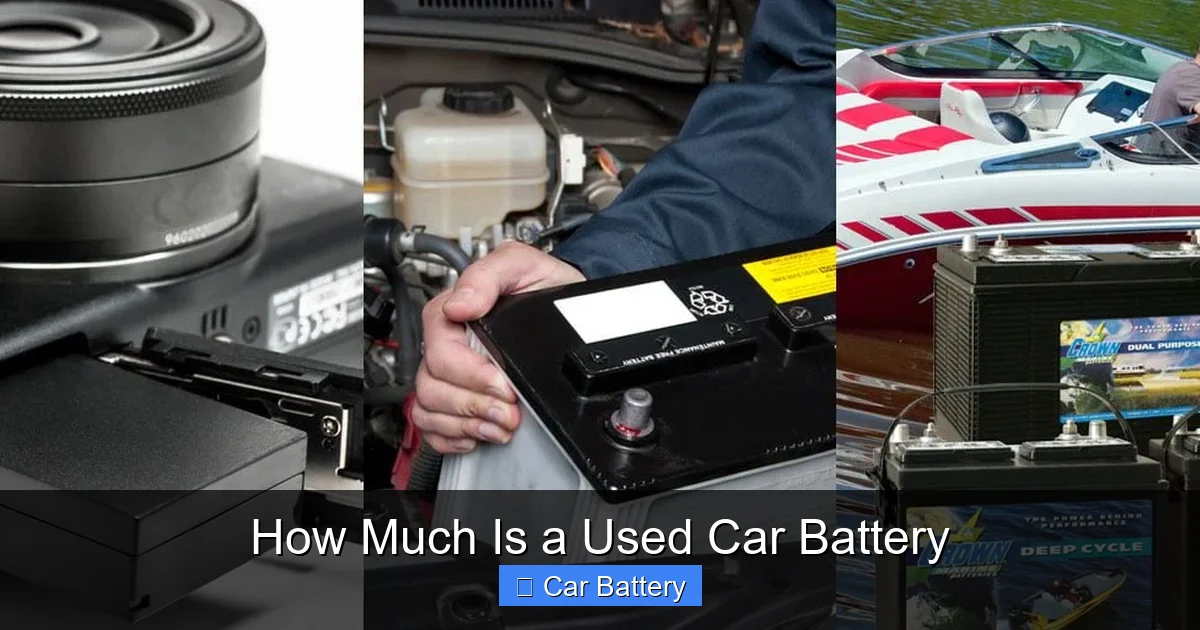
One of the most common places to buy a used battery is at a local auto parts store. Stores like AutoZone, Advance Auto Parts, or O’Reilly often accept trade-ins when you buy a new battery. They may resell these used units at a discount. The advantage? These batteries are usually tested before resale, and some stores even offer a short warranty—say, 30 to 90 days. That’s a big plus compared to buying from an unknown seller.
Another option is salvage yards or junkyards. These places buy wrecked or abandoned cars and sell usable parts, including batteries. Prices here can be as low as $25–$50, but the risk is higher. You’re less likely to get a warranty, and the battery may not have been tested. That said, if you’re handy and know how to test a battery yourself, a junkyard can be a goldmine for cheap parts.
Online marketplaces like Craigslist, Facebook Marketplace, or OfferUp are also popular. You can often find used batteries for $30–$60, sometimes even cheaper. But proceed with caution. Meet in a public place, bring a multimeter to test the battery on the spot, and ask for proof of purchase or maintenance records if possible. Scammers do exist, and some sellers may try to pass off a dead battery as working.
Avoid buying from unlicensed sellers or roadside vendors. These batteries are often pulled from flooded or damaged cars and may have internal corrosion or sulfation—issues that aren’t visible from the outside. Also, steer clear of batteries that look swollen, leaky, or have a strong sulfur (rotten egg) smell. These are red flags.
How to Test a Used Car Battery Before Buying
Visual guide about How Much Is a Used Car Battery
Image source: wawreckers.com.au
You wouldn’t buy a used car without a test drive, right? The same logic applies to batteries. Testing a used car battery before purchase is essential to avoid getting stuck with a dud.
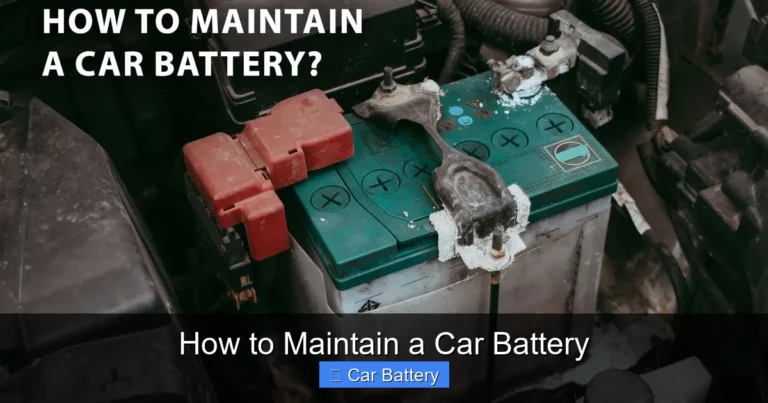
The first step is a visual inspection. Look for cracks, leaks, or bulging in the casing. Check the terminals for heavy corrosion—white or blue powder around the posts can indicate acid leakage and poor maintenance. While some corrosion can be cleaned, excessive buildup suggests the battery was neglected.
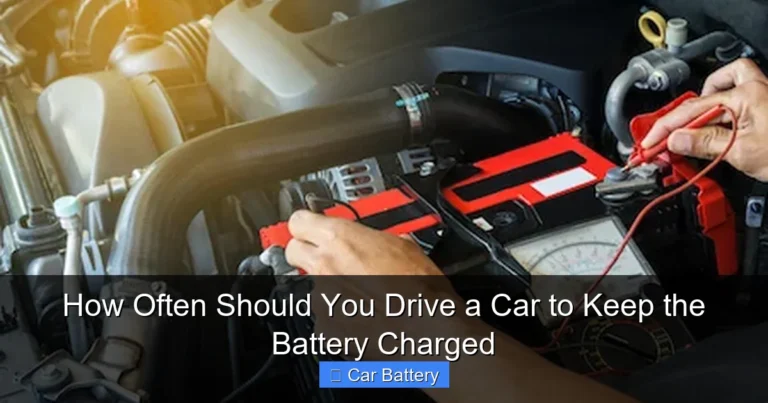
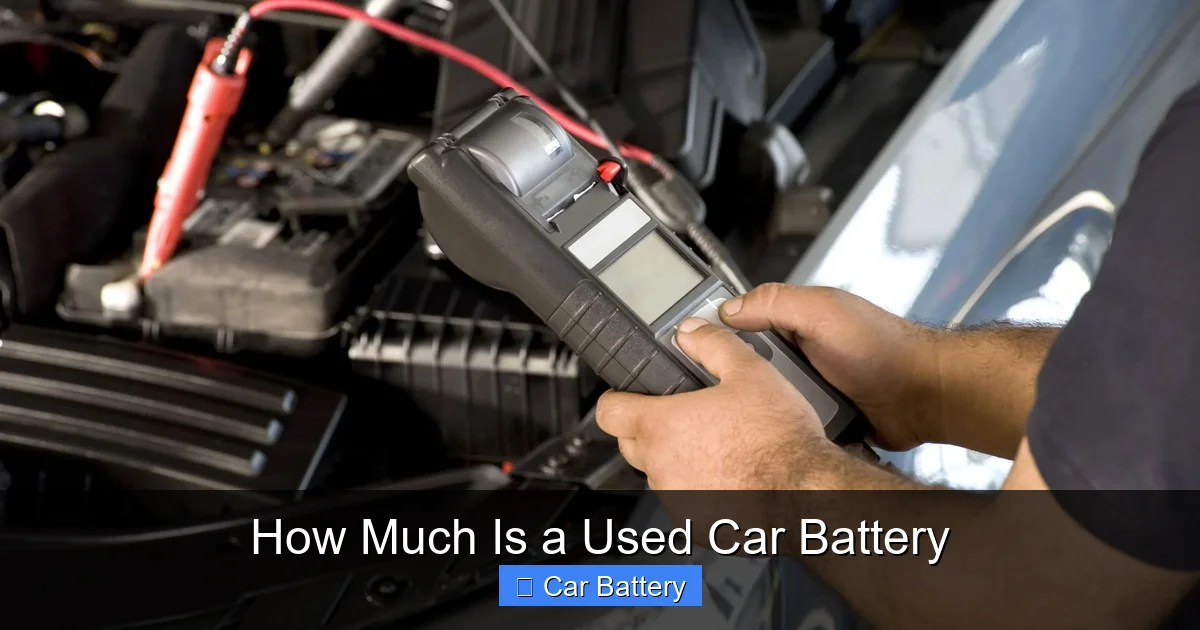
Next, use a multimeter to check the voltage. A fully charged 12-volt battery should read between 12.6 and 12.8 volts when the car is off. If it’s below 12.4 volts, it may not have enough charge to start your engine, especially in cold weather. But voltage alone doesn’t tell the whole story—a battery can show 12.6 volts and still fail under load.
That’s where a load test comes in. This test applies a simulated electrical load (like turning on the headlights and starter) to see if the battery can maintain voltage under stress. Many auto parts stores offer free load testing, so take advantage of that if you’re unsure. A healthy battery should stay above 9.6 volts during a 15-second load test at half its CCA (Cold Cranking Amps) rating.
If you’re buying from a private seller, bring your own load tester or ask to test the battery in the donor vehicle. Turn on the headlights for a few minutes, then try to start the car. If it cranks slowly or doesn’t start, the battery is likely weak.
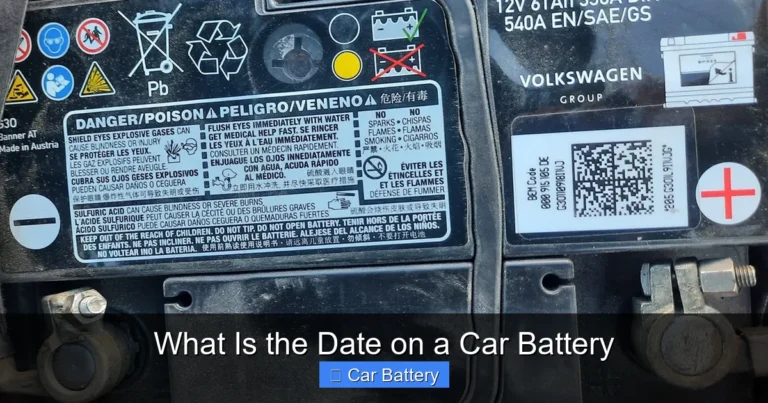
Finally, check the manufacture date. Most batteries have a date code stamped on the case—usually a letter for the month (A=January, B=February, etc.) and a number for the year. A battery made in 2020 is already 4 years old in 2024, which is near the end of its typical lifespan. Even if it tests okay now, it may not last much longer.
Used vs. Refurbished vs. New: Which Is Best?
Visual guide about How Much Is a Used Car Battery
Image source: d33rxv6e3thba6.cloudfront.net
When your battery dies, you’ve got three main options: used, refurbished, or new. Each has pros and cons, and the best choice depends on your budget, vehicle, and how long you plan to keep the car.
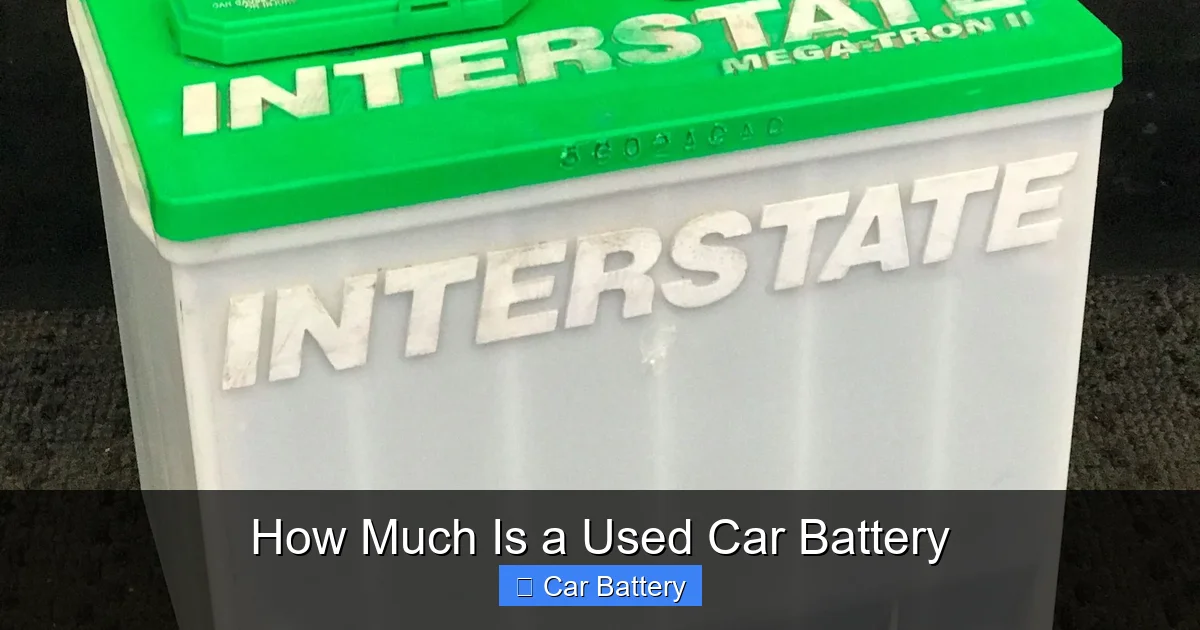
A used battery is just that—previously owned and sold as-is. It’s the cheapest option, but also the riskiest. You’re essentially gambling on how much life it has left. If you’re on a tight budget and need a quick fix, a used battery might get you back on the road for a few months. But don’t expect it to last years.
A refurbished or reconditioned battery is a step up. These are used batteries that have been professionally cleaned, tested, and sometimes have their electrolyte levels restored or plates reconditioned. Some even come with a 6- to 12-month warranty. While more expensive than a purely used battery—typically $60–$100—they offer better reliability and peace of mind. Think of it as a “certified pre-owned” battery.
A new battery is the safest bet. It comes with a full warranty (often 2–5 years), guaranteed performance, and no hidden history. If you plan to keep your car for several more years, investing in a new battery makes sense. It’s also the best choice for modern vehicles with advanced electronics that demand consistent power.
So, which should you choose? If you’re driving an older car and just need a temporary solution, a used battery might work. But if your vehicle has start-stop technology, a large electrical load (like a sound system or aftermarket accessories), or you live in a cold climate, go for refurbished or new. The extra cost is worth avoiding roadside breakdowns.
Hidden Costs and Risks of Buying Used
It’s easy to focus on the low upfront price of a used car battery and forget about the hidden costs. But skimping now could cost you more later.
One major risk is premature failure. A used battery might work fine for a few weeks, then die unexpectedly. When that happens, you’ll need to call a tow truck, pay for emergency installation, and possibly buy another battery—doubling your expense. In extreme cases, a failing battery can damage your car’s alternator or electrical system, leading to even bigger repair bills.
Another hidden cost is installation. If you’re not comfortable replacing a battery yourself, you’ll need to pay a mechanic or auto shop. Most charge $10–$25 for installation, which adds to the total cost. Some shops may waive the fee if you buy the battery from them, but not always.
Environmental disposal is another factor. Car batteries contain lead and acid, which are hazardous. Most retailers will recycle your old battery for free when you buy a new one, but if you’re buying used, you might have to pay a disposal fee later—typically $5–$15—when the battery finally dies.
There’s also the risk of buying the wrong type. Modern cars often require specific battery types (like AGM for start-stop systems). Installing a standard lead-acid battery in a car designed for AGM can cause electrical issues or void your warranty. Always check your owner’s manual or use an online battery finder tool to confirm compatibility.
Finally, consider the time and effort. Hunting down a used battery, testing it, and installing it yourself takes time. If you’re short on time or not mechanically inclined, the convenience of a new battery from a trusted shop might be worth the extra cost.
Tips for Getting the Best Deal on a Used Car Battery
If you’ve decided to go the used route, here are some practical tips to get the most bang for your buck.
First, shop around. Don’t settle for the first battery you find. Compare prices at auto parts stores, junkyards, and online listings. Sometimes, calling a few local shops can reveal unadvertised deals or trade-in specials.
Second, time your purchase. Many auto shops run promotions in spring and fall—peak times for battery checks. You might find discounts or free testing services that help you make a smarter choice.
Third, bring your old battery. Most retailers offer a core charge refund—usually $10–$15—when you return your old battery. This effectively reduces the price of your new or used purchase. Even if you’re buying used, some shops will still give you credit.
Fourth, learn basic battery maintenance. Keeping terminals clean, securing the battery properly, and avoiding short trips can extend the life of any battery—used or new. A little care goes a long way.
Finally, consider a hybrid approach: buy a refurbished battery with a warranty. It’s not as cheap as a junkyard find, but it’s far more reliable. Think of it as the sweet spot between cost and confidence.
Conclusion
So, how much is a used car battery? On average, you’ll pay between $30 and $100, with most falling in the $50–$75 range. That’s a tempting price compared to a new battery, but it comes with trade-offs. Age, brand, condition, and testing all affect value—and your risk of failure.
Used batteries can be a smart short-term solution, especially if you’re on a tight budget or driving an older vehicle. But they’re not without risks: no warranty, potential hidden damage, and a shorter lifespan. For many drivers, a refurbished battery offers the best balance of cost and reliability.
Before you buy, always test the battery, check the date code, and confirm compatibility with your vehicle. And remember: the cheapest option isn’t always the best. A little extra spent upfront can save you time, stress, and money down the road.
When in doubt, consult a trusted mechanic or visit a reputable auto parts store. They can help you weigh your options and find a solution that fits your needs—and your wallet.
Frequently Asked Questions
How much is a used car battery on average?
The average price of a used car battery ranges from $30 to $100, with most costing between $50 and $75. Prices vary based on age, brand, and condition.
Is it safe to buy a used car battery?
It can be safe if the battery is tested, less than 3 years old, and comes from a reputable source. Always inspect it for damage and test it before buying.
How long does a used car battery last?
A used car battery typically lasts 1 to 3 years, depending on its age, maintenance, and usage. Older batteries may fail sooner, especially in extreme temperatures.
Can I install a used battery myself?
Yes, if you have basic tools and follow safety precautions. Disconnect the negative terminal first, remove the old battery, install the new one, and reconnect terminals in reverse order.
Do used batteries come with a warranty?
Most used batteries are sold “as-is” with no warranty. Some auto parts stores may offer a 30- to 90-day warranty on tested units, but this is not guaranteed.
Should I buy a used or refurbished battery?
Refurbished batteries are generally a better choice. They’re professionally restored, often come with a warranty, and offer more reliable performance than purely used ones.