
How Much Is a Porsche Oil Change?

Getting an oil change for your Porsche isn’t like servicing a regular car—it’s a precision operation that reflects the brand’s high-performance standards. Costs typically range from $300 to $600, depending on the model, location, and service provider, but understanding what you’re paying for helps ensure your Porsche runs smoothly and retains its value.
[FEATURED_IMAGE_PLACEOLDER]
So, you’ve got a Porsche. Maybe it’s a sleek 911 cruising down the coast, a capable Cayenne handling mountain roads, or even a nimble Boxster hugging tight corners. Whatever the model, one thing’s for sure—you didn’t buy it for its low maintenance costs. But when it comes to routine care, few questions come up as often as: *How much is a Porsche oil change?*
Let’s be honest—Porsche ownership is as much about emotion as it is about engineering. These machines are built for performance, precision, and passion. That means they demand a higher level of care than your average sedan. And while oil changes might seem like a simple task, doing them right for a Porsche is anything but basic. From the type of oil used to the expertise required to access the engine, every detail matters.
In this guide, we’ll break down everything you need to know about Porsche oil change costs, what influences the price, where to get it done, and how to keep your sports car running like new—without unnecessary surprises. Whether you’re a first-time Porsche owner or a seasoned enthusiast, understanding the ins and outs of oil changes will help you protect your investment and enjoy every mile behind the wheel.
Key Takeaways
- Oil change costs vary by model: Entry-level models like the Porsche Macan may cost around $300, while high-performance variants like the 911 Turbo can exceed $500.
- Dealerships charge more than independent shops: Porsche-certified dealerships offer OEM parts and expertise but at a premium; independent specialists can save you 20–30%.
- Oil type matters: Porsche engines require high-quality synthetic oil (often 0W-40 or 5W-40), which is more expensive than conventional oil.
- Service intervals are longer but not optional: Most Porsches need oil changes every 10,000 to 15,000 miles, but skipping them risks engine damage.
- Additional services often included: Many oil changes come with inspections, fluid top-offs, and software updates—adding value beyond just oil.
- DIY is possible but not recommended: While some owners attempt DIY oil changes, improper procedures can void warranties or cause leaks.
- Regular maintenance preserves resale value: A well-documented service history significantly boosts your Porsche’s market appeal.
📑 Table of Contents
Why Porsche Oil Changes Cost More Than Average
Let’s start with the big question: Why does a Porsche oil change cost so much more than, say, a Honda or Toyota? The short answer? Engineering. Porsche engines are high-revving, turbocharged (in many models), and built to deliver performance under extreme conditions. That means they require specialized care.
Unlike economy cars that use standard 5W-30 conventional oil, Porsches demand full synthetic oil—typically 0W-40 or 5W-40—formulated to handle high temperatures and sustained RPMs. This oil isn’t just thicker; it’s engineered with advanced additives that protect turbochargers, reduce engine wear, and maintain viscosity under stress. A single quart of Porsche-approved synthetic oil can cost $15–$25, compared to $5–$8 for conventional oil.
But it’s not just the oil. The process itself is more involved. Many Porsche models have horizontally opposed (flat) engines, like the iconic 911, which sit lower in the chassis. This design improves handling but makes accessing the oil filter and drain plug more difficult. Mechanics often need to remove underbody panels or use specialized tools just to reach the oil pan.
Additionally, Porsche vehicles are equipped with sophisticated engine management systems. After an oil change, the system may need to be reset using Porsche-specific diagnostic tools (like PIWIS). This ensures the car recognizes the new oil and adjusts maintenance reminders accordingly. Without this step, you might get false alerts or miss critical service intervals.
And let’s not forget labor. Porsche-certified technicians undergo extensive training to work on these vehicles. Their expertise comes at a cost—dealership labor rates can range from $150 to $250 per hour, compared to $80–$120 at independent shops. Even if the job takes less than an hour, you’re paying for precision, not just time.
Average Cost Breakdown by Porsche Model
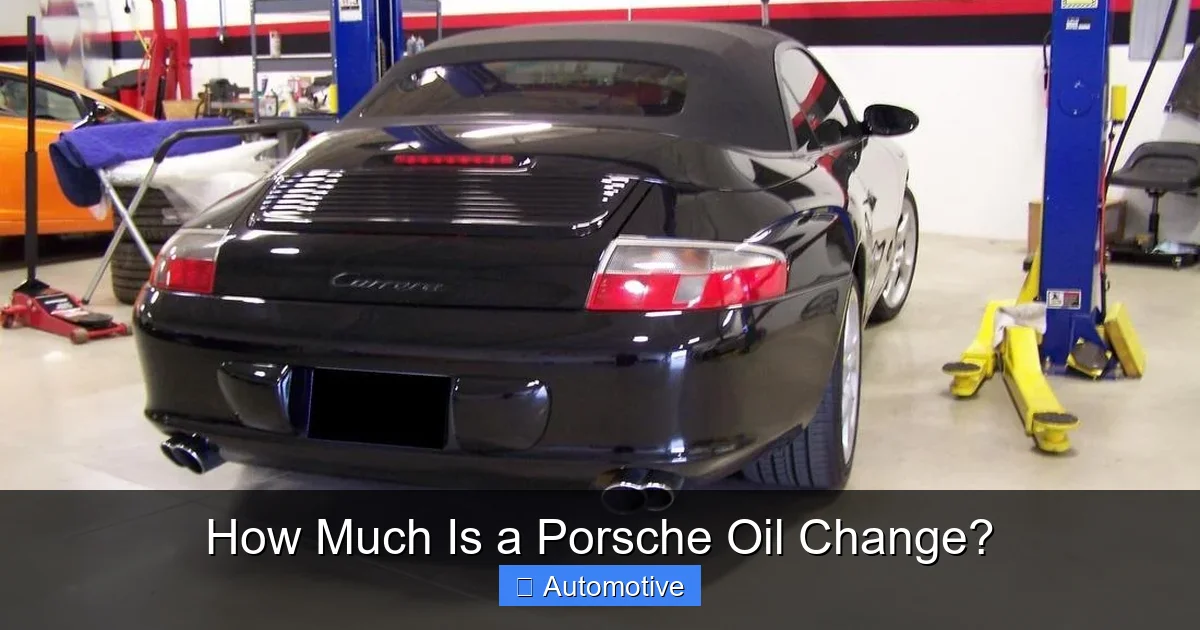
Visual guide about How Much Is a Porsche Oil Change?
Image source: rossoservice.com
Now that we understand why Porsche oil changes are pricier, let’s look at actual numbers. Costs vary significantly depending on the model, engine type, and whether you go to a dealership or an independent specialist.
Entry-Level Models: Macan and Cayenne
The Porsche Macan and Cayenne are among the most popular models in the lineup, offering a blend of luxury and practicality. Their oil change costs are relatively more affordable compared to sports cars.
For a Macan with a 2.0L or 3.0L engine, expect to pay between $300 and $400 at a dealership. Independent Porsche specialists might charge $250–$320. The Cayenne, especially with its larger V6 or V8 engines, can range from $350 to $450 at a dealer and $280–$370 elsewhere.
These models use 5W-40 synthetic oil and typically require 6–8 quarts per change. The labor is less complex than in mid-engine cars, but still requires care due to the engine’s placement and the need for proper disposal of used oil and filters.
Sports Cars: 911, Boxster, and Cayman
Here’s where things get interesting. The 911, Boxster, and Cayman are the heart of Porsche’s performance legacy—and their oil changes reflect that.
A standard 911 Carrera (non-turbo) oil change at a dealership typically costs $450–$550. Turbocharged models like the 911 Turbo or GT3 can push that to $600 or more. Why the jump? Turbo engines run hotter and require even more robust oil and cooling systems. Plus, accessing the oil filter on a 911 often involves removing body panels or using lift systems.
The Boxster and Cayman, being lighter and slightly simpler in design, are a bit more affordable—around $400–$500 at a dealer. But don’t let the lower price fool you: these mid-engine cars still demand precision. The oil pan is tucked beneath the engine, and improper draining can lead to leaks or contamination.
High-Performance and Hybrid Models
For the ultimate in performance, models like the 911 GT2 RS, Panamera Turbo, or the hybrid Porsche Cayenne E-Hybrid come with premium price tags—and premium maintenance.
The Panamera Turbo, for example, can cost $550–$650 for an oil change at a dealership. Its twin-turbo V8 engine uses up to 9 quarts of high-performance synthetic oil, and the service often includes additional checks on the turbo system and intercoolers.
Hybrid models add another layer of complexity. The Cayenne E-Hybrid or Panamera 4 E-Hybrid have both internal combustion engines and electric motors. While the oil change focuses on the gas engine, technicians must also ensure the hybrid system is functioning properly, which can add to labor time and cost.
Dealership vs. Independent Specialist: Where to Get It Done
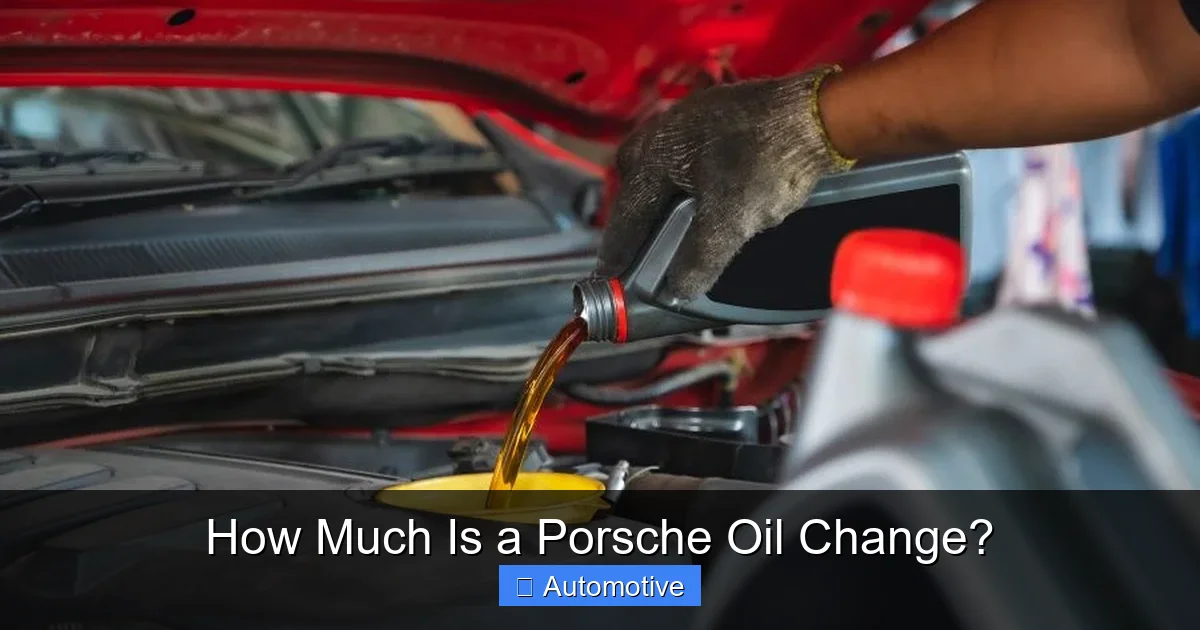
Visual guide about How Much Is a Porsche Oil Change?
Image source: d3s8goeblmpptu.cloudfront.net
One of the biggest decisions Porsche owners face is where to service their vehicle. Should you go to an authorized Porsche dealership or trust an independent specialist? Both have pros and cons.
The Case for Porsche Dealerships
Dealerships offer several advantages. First, they use only OEM (Original Equipment Manufacturer) parts and fluids, ensuring your car gets exactly what Porsche engineers designed it for. This is especially important for warranty-covered vehicles—using non-OEM parts or fluids can void your warranty.
Second, dealership technicians are factory-trained and have access to the latest technical bulletins, software updates, and diagnostic tools like PIWIS. This means they can perform a more thorough inspection and reset systems accurately.
Finally, dealerships often include additional services with an oil change—topping off fluids, checking tire pressure, inspecting brakes, and scanning for fault codes. While this adds to the cost, it provides peace of mind that your car is in top condition.
However, the downside is price. Dealerships charge a premium for their expertise and convenience. Labor rates are higher, and they often bundle services you may not need, driving up the total bill.
The Independent Specialist Advantage
Independent Porsche specialists are a popular alternative, especially for out-of-warranty vehicles. These shops are often run by former dealership technicians who’ve struck out on their own, bringing their expertise at a lower cost.
You can typically save 20–30% on an oil change by going to an independent shop. For example, a $500 dealership oil change might cost $350–$400 at a reputable independent. Many of these shops use high-quality synthetic oil that meets or exceeds Porsche specifications, so you’re not sacrificing quality.
Another benefit? Personalized service. Independent shops often build long-term relationships with customers, offering tailored advice and flexible scheduling. They’re also more likely to explain what they’re doing and why—something dealerships sometimes skip due to high volume.
The catch? Not all independent shops are created equal. It’s crucial to choose one with Porsche-specific experience, proper equipment, and good reviews. Ask about their certification, tools, and whether they use OEM or equivalent parts.
DIY Oil Changes: Should You Try It?
Some Porsche owners, especially those with mechanical experience, consider doing their own oil changes to save money. And while it’s technically possible, it’s not without risks.
The main challenge is access. On many models, you’ll need a lift or ramps to safely reach the oil pan and filter. The oil filter housing can be tight, and over-tightening can cause leaks. Also, disposing of used oil and filters requires proper containers and recycling—something not every home garage is equipped for.
Another concern is the oil reset procedure. Without a PIWIS scanner or compatible OBD2 tool, you may not be able to reset the service indicator, leading to persistent warnings on the dashboard.
And if you’re still under warranty, DIY work could void coverage if something goes wrong. Porsche monitors service history, and missing or improper maintenance can affect claims.
That said, if you’re experienced, have the right tools, and your car is out of warranty, a DIY oil change can save $200–$300. Just be meticulous—use the correct oil, torque specs, and follow the manual closely.
What’s Included in a Porsche Oil Change?
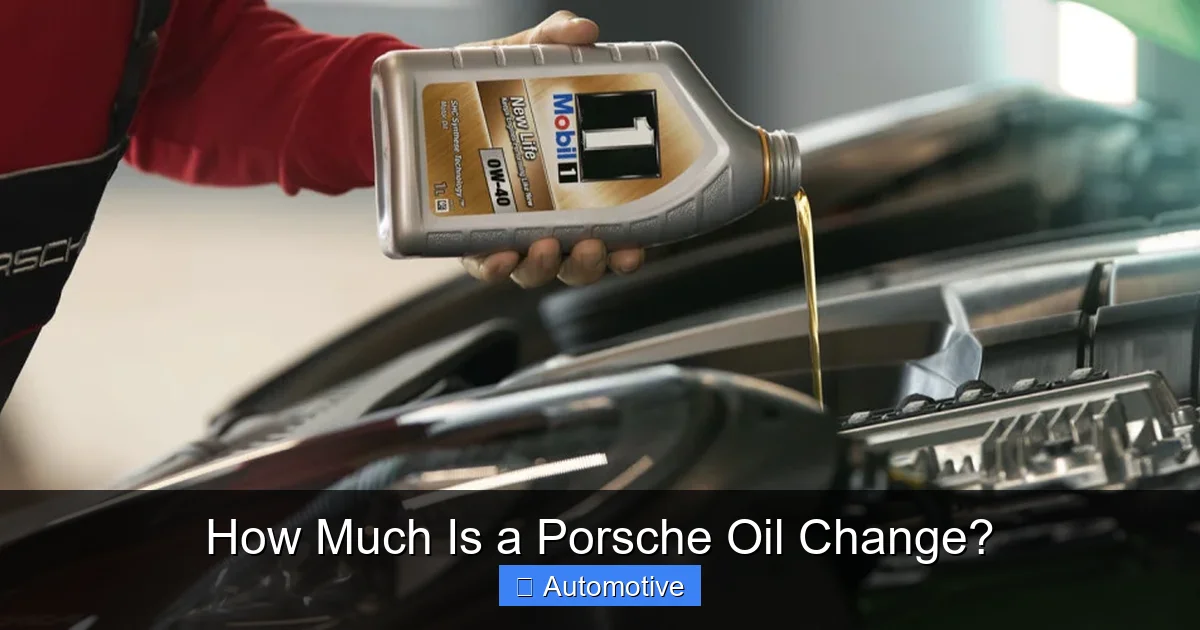
Visual guide about How Much Is a Porsche Oil Change?
Image source: dealerinspire-image-library-prod.s3.us-east-1.amazonaws.com
When you pay $400–$600 for a Porsche oil change, you’re not just paying for oil and a filter. A proper service includes several steps that ensure your car performs at its best.
Oil and Filter Replacement
This is the core of the service. The technician drains the old oil, replaces the oil filter, and refills with the correct type and amount of synthetic oil. For most models, this means 6–9 quarts of 0W-40 or 5W-40 oil.
The oil filter is crucial—it removes contaminants and maintains oil pressure. Porsche filters are designed to handle high flow rates and extreme conditions, so using a cheap aftermarket filter can compromise engine protection.
Fluid Top-Offs and Inspections
A full service typically includes checking and topping off other fluids: brake fluid, coolant, windshield washer fluid, and power steering fluid (if applicable). Low or contaminated fluids can lead to bigger problems down the road.
The technician will also inspect key components: belts, hoses, air filters, and the condition of the oil pan and drain plug. They may check for leaks, unusual wear, or signs of corrosion.
Diagnostic Scan and Software Updates
Using a Porsche diagnostic tool, the technician will scan the vehicle for fault codes and ensure all systems are functioning properly. They may also check for pending software updates for the engine control unit (ECU) or infotainment system.
This step is especially important for newer models with advanced driver assistance systems (ADAS). A software update can improve performance, fix bugs, or enhance safety features.
Tire Pressure and Brake Check
Many shops include a tire pressure check and adjustment, ensuring optimal handling and fuel efficiency. They may also inspect brake pads and rotors for wear, especially on high-performance models that generate more heat.
Service Reset and Documentation
Finally, the technician resets the service indicator and updates the maintenance log. This documentation is valuable for resale, proving your car has been properly maintained.
How to Save Money on Porsche Oil Changes
Let’s face it—Porsche ownership isn’t cheap. But there are smart ways to reduce oil change costs without cutting corners.
Choose the Right Service Provider
As discussed, independent specialists often offer the best balance of quality and cost. Research local shops with strong reputations and Porsche experience. Check reviews on sites like Google, Yelp, or Porsche forums.
Some dealerships also offer service specials or loyalty discounts. Sign up for their newsletter or ask about prepaid maintenance plans, which can lock in lower rates.
Time Your Service Wisely
Avoid peak seasons like spring and summer, when demand is high. Scheduling in fall or winter may get you a discount or faster service.
Also, combine services when possible. If your car is due for an oil change and brake inspection, doing them together can save on labor.
Use Manufacturer-Recommended Intervals
Porsche recommends oil changes every 10,000 to 15,000 miles or once a year, whichever comes first. Following this schedule prevents over-servicing (which wastes money) and under-servicing (which risks engine damage).
If you drive mostly in stop-and-go traffic or extreme conditions (hot climates, towing, track use), consider changing oil more frequently—every 7,500 miles. But don’t go overboard; modern synthetic oil is designed to last.
Buy Oil and Filters in Bulk (for DIYers)
If you’re doing your own oil changes, buying oil and filters in bulk can save money. Many online retailers offer discounts on multi-quart purchases. Just make sure to store oil properly in a cool, dry place.
Keep Records
Maintain a detailed service log, whether digital or paper. This not only helps you track maintenance but also increases resale value. Buyers pay more for well-documented Porsches.
Long-Term Benefits of Proper Oil Maintenance
Investing in regular, high-quality oil changes pays off in the long run. Clean oil reduces friction, prevents sludge buildup, and protects critical engine components. For a Porsche, this means smoother performance, better fuel economy, and fewer repairs.
More importantly, it preserves your car’s value. A 911 with a full service history can sell for thousands more than one with gaps in maintenance. Buyers know that Porsches are expensive to fix, so they look for evidence of careful ownership.
And let’s not forget reliability. A well-maintained Porsche can easily surpass 150,000 miles—even 200,000—with the original engine. But neglect oil changes, and you risk costly issues like turbo failure, bearing wear, or even engine seizure.
In short, spending $400 on an oil change today could save you $10,000 in engine repairs tomorrow.
Conclusion
So, how much is a Porsche oil change? On average, expect to pay between $300 and $600, depending on your model, location, and service provider. While that’s significantly more than a typical car, it reflects the precision, performance, and care that Porsche demands.
From the high-quality synthetic oil to the expert labor and comprehensive inspections, every dollar goes toward keeping your sports car in peak condition. Whether you choose a dealership, independent specialist, or DIY approach, the key is consistency and quality.
Remember, a Porsche isn’t just a car—it’s a commitment to excellence. And like any high-performance machine, it rewards proper care with thrilling drives, lasting reliability, and enduring value. So don’t skip the oil change. Your Porsche—and your wallet—will thank you.
Frequently Asked Questions
How often should I change the oil in my Porsche?
Porsche recommends an oil change every 10,000 to 15,000 miles or once a year, whichever comes first. However, if you drive in severe conditions—like frequent short trips, extreme heat, or track use—consider changing it every 7,500 miles.
Can I use regular synthetic oil instead of Porsche-approved oil?
No. Porsche engines require specific oil formulations (like 0W-40 or 5W-40) that meet their performance standards. Using non-approved oil can void your warranty and increase engine wear.
Will a DIY oil change void my Porsche warranty?
Not necessarily, but if improper maintenance causes damage, Porsche may deny warranty claims. Always use correct parts and procedures, and keep detailed records to protect your coverage.
Is it worth paying more for a dealership oil change?
It depends. Dealerships offer OEM parts, factory-trained technicians, and comprehensive inspections—ideal for warranty vehicles. For older Porsches, independent specialists often provide similar quality at lower cost.
Do all Porsche models use the same oil?
Most modern Porsches use 0W-40 or 5W-40 full synthetic oil, but always check your owner’s manual. Older models or special editions may have different requirements.
Can I reset the oil change indicator myself?
Some models allow a manual reset via the dashboard menu, but many require a Porsche diagnostic tool like PIWIS. Without it, the warning light may stay on, even after an oil change.