How Much Is a Porsche?

Contents
- 1 Key Takeaways
- 2 📑 Table of Contents
- 3 How Much Is a Porsche? A Complete Pricing Breakdown
- 4 Porsche Model Lineup and Starting Prices
- 5 Factors That Influence Porsche Pricing
- 6 Total Cost of Ownership: Beyond the Sticker Price
- 7 Tips for Getting the Best Deal on a Porsche
- 8 Conclusion: Is a Porsche Worth the Price?
- 9 Frequently Asked Questions

Reflective Stickers

Car Vacuum Cleaner (Portable)
Car Wash Mitt

Car Fog Light Bulb
How much is a Porsche? The answer depends on the model, trim, options, and condition. Entry-level models like the Macan start around $60,000, while high-performance variants like the 911 GT3 RS can exceed $300,000. Beyond the sticker price, consider insurance, maintenance, and depreciation when budgeting for your dream Porsche.
Key Takeaways
- Entry-Level Models Start Around $60,000: The Porsche Macan and Cayman are the most affordable new models, making Porsche accessible to more buyers.
- Flagship 911 Models Can Exceed $300,000: High-performance trims like the GT3 RS or Turbo S come with premium pricing for top-tier engineering.
- Options and Customization Add Thousands: Porsche’s extensive personalization menu can increase the final price by $20,000 or more.
- Used Porsches Offer Better Value: Certified pre-owned (CPO) models provide significant savings with warranty coverage.
- Ownership Costs Go Beyond the Purchase Price: Insurance, maintenance, and fuel add up—budget accordingly for long-term affordability.
- Electric Models Like the Taycan Start at $90,000: Porsche’s EV lineup blends performance with sustainability at a premium price.
- Depreciation Varies by Model: Some Porsches hold value better than others—research resale trends before buying.
📑 Table of Contents
How Much Is a Porsche? A Complete Pricing Breakdown
So, you’re thinking about buying a Porsche. Maybe you’ve seen one glide past on the highway, its sleek silhouette turning heads. Or perhaps you’ve dreamed of gripping the wheel of a 911, feeling the roar of a flat-six engine as you accelerate into the horizon. But before the dream becomes reality, there’s one big question: how much is a Porsche?
The truth is, Porsche isn’t a one-price-fits-all brand. From the compact Macan SUV to the track-focused 911 GT3 RS, the price range is vast. Whether you’re shopping new, used, or certified pre-owned, understanding the cost structure is key to making a smart decision. And it’s not just about the sticker price—options, taxes, insurance, and maintenance all play a role in the total cost of ownership.
In this guide, we’ll break down the pricing for every current Porsche model, explore the factors that influence cost, and share practical tips to help you get the best value. Whether you’re a first-time buyer or a seasoned enthusiast, this article will give you the clarity you need to answer the million-dollar question: how much is a Porsche, really?
Porsche Model Lineup and Starting Prices
Porsche offers a diverse range of vehicles, each designed with performance, luxury, and precision in mind. The lineup includes sports cars, SUVs, and electric vehicles, catering to different lifestyles and budgets. Let’s take a look at the current models and their starting prices (as of 2024) to give you a clear picture of where your dream Porsche might fall on the price spectrum.

Visual guide about How Much Is a Porsche?
Image source: motorbiscuit.com
Entry-Level Models: Macan and 718 Cayman
The most affordable way into the Porsche family is through the Macan and the 718 Cayman. The Macan, a compact luxury SUV, starts at around $62,000 for the base model. It’s a great option if you want Porsche performance with everyday practicality—think school runs, grocery trips, and weekend getaways, all with a sporty edge.
The 718 Cayman, on the other hand, is a mid-engine sports car that starts at approximately $68,000. It’s lighter, more agile, and built for driving purists. With its balanced handling and responsive steering, the Cayman delivers a pure sports car experience at a relatively accessible price point. Both models offer optional upgrades like sport exhaust, performance tires, and premium interiors, which can push the price higher.
Mid-Range Performance: Cayenne and Panamera
If you need more space without sacrificing performance, the Cayenne and Panamera are excellent choices. The Cayenne, a midsize SUV, starts at about $75,000. It combines SUV versatility with sports car dynamics, making it ideal for families who still want to feel the thrill of the drive.
The Panamera, a luxury four-door sports sedan, begins at roughly $92,000. It’s perfect for those who want the elegance of a sedan with the heart of a sports car. Both models come with powerful engine options, including V6 and V8 variants, and can be equipped with advanced tech and comfort features. The Panamera Turbo S, for example, can easily surpass $180,000 with options.
Iconic Sports Cars: The 911 Family
No discussion of Porsche pricing is complete without the 911. This legendary sports car starts at around $115,000 for the base Carrera model. But the 911 lineup is vast, with trims ranging from the rear-wheel-drive Carrera to the all-wheel-drive Turbo S and the track-ready GT3 RS.
The 911 Turbo S starts at about $230,000, while the GT3 RS can exceed $300,000. These high-performance variants feature lightweight materials, aerodynamic enhancements, and engines tuned for maximum output. For example, the GT3 RS produces over 525 horsepower and can accelerate from 0 to 60 mph in under 3 seconds. It’s not just a car—it’s a race car for the road.
Electric Future: The Taycan
Porsche is also leading the charge in electric performance with the Taycan. This all-electric sports sedan starts at around $90,000 for the base model. The Taycan blends zero-emission driving with Porsche’s signature handling and acceleration. The Taycan Turbo S, the top-tier variant, starts at over $190,000 and delivers over 750 horsepower in launch mode.
The Taycan offers impressive range—up to 246 miles on a single charge—and supports fast charging, making it a practical choice for daily driving. With its futuristic design and cutting-edge tech, the Taycan represents Porsche’s vision for the future of performance.
Factors That Influence Porsche Pricing
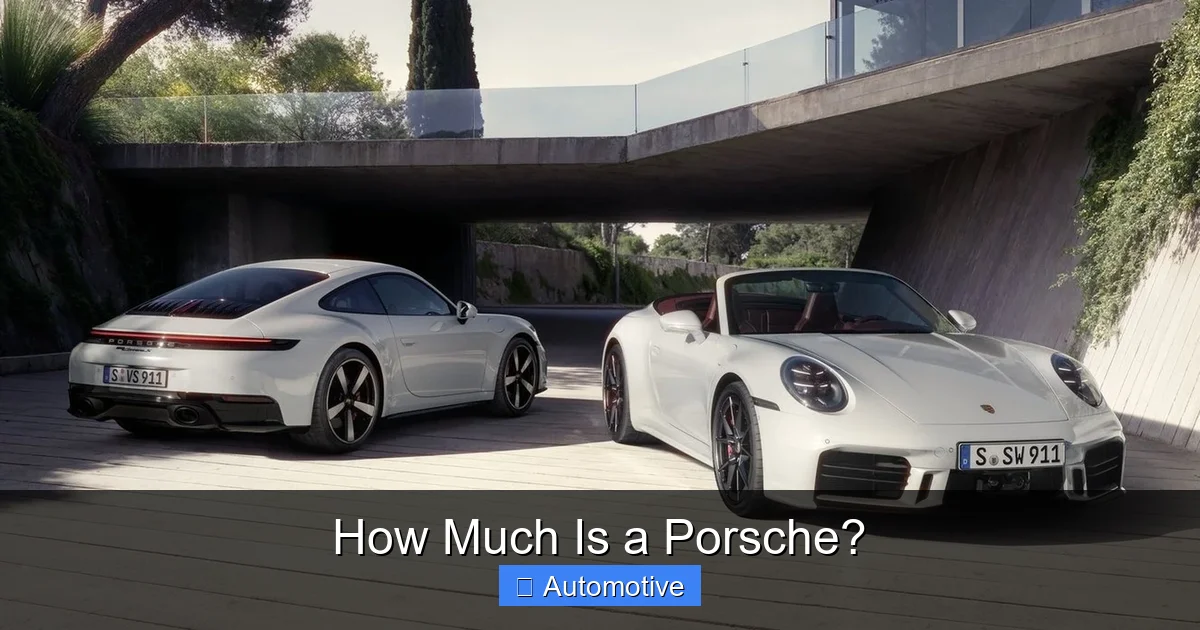
Now that you know the starting prices, it’s important to understand what drives the final cost of a Porsche. The base price is just the beginning. Several factors can significantly increase the total amount you’ll pay at the dealership.
Visual guide about How Much Is a Porsche?
Image source: slashgear.com
Trim Levels and Engine Options
Porsche offers multiple trim levels for each model, each with different features and performance capabilities. For example, the Macan comes in base, S, GTS, and Turbo trims. The base model is efficient and well-equipped, while the Turbo trim adds a more powerful engine, sport suspension, and premium interior materials. Upgrading from the base Macan to the Macan Turbo can add $20,000 or more to the price.
Similarly, the 911 has trims like Carrera, Carrera S, Turbo, and GT3, each with increasing power and performance. The engine is a major cost driver—V8 and turbocharged engines command higher prices than standard flat-six or four-cylinder options.
Options and Customization
Porsche is famous for its extensive customization menu. Want a unique paint color? That’s an extra $3,000. Prefer leather seats with contrast stitching? Add $2,500. A sport exhaust system? Another $2,000. These options can quickly add up.
For example, a base 911 Carrera starting at $115,000 can easily exceed $140,000 with popular options like the Sport Chrono package, adaptive cruise control, and a premium sound system. Some buyers spend $20,000 or more on personalization alone. While these upgrades enhance the driving experience, they also increase the final price.
Dealer Fees and Taxes
Don’t forget about additional costs like destination charges, documentation fees, and sales tax. Porsche’s destination fee is typically around $1,500. Documentation fees vary by state but can range from $300 to $800. Sales tax depends on your location—some states charge over 8%, which can add thousands to the total cost.
For instance, buying a $100,000 Porsche in a state with 8% sales tax means you’ll pay an extra $8,000 in tax. Always factor in these fees when budgeting.
New vs. Used vs. Certified Pre-Owned
The condition of the vehicle also affects price. A brand-new Porsche comes with the latest tech, full warranty, and that unbeatable “new car smell.” But it also depreciates the moment you drive it off the lot—often losing 10–15% of its value in the first year.
Used Porsches offer better value. A two- or three-year-old model can save you $15,000 to $30,000 compared to new. Certified Pre-Owned (CPO) vehicles are a smart middle ground. They’re inspected, refurbished, and come with extended warranty coverage. CPO Porsches often include roadside assistance and maintenance plans, giving you peace of mind at a lower price.
Total Cost of Ownership: Beyond the Sticker Price
When asking “how much is a Porsche?” it’s crucial to consider the long-term costs. The purchase price is just one part of the equation. Insurance, maintenance, fuel, and depreciation all contribute to the total cost of ownership.
Insurance Costs
Porsche insurance is expensive. Because these are high-performance vehicles, insurers classify them as high-risk. Expect to pay significantly more than for a standard sedan or SUV. For example, insuring a 911 Turbo could cost $3,000 to $5,000 per year, depending on your age, location, and driving history.
Tips to lower insurance costs:
- Increase your deductible
- Bundling with other policies (home, life)
- Maintaining a clean driving record
- Installing anti-theft devices
Some insurers offer discounts for safety features or low annual mileage, so shop around for the best rate.
Maintenance and Repairs
Porsche maintenance is not cheap. Routine services like oil changes, brake pads, and tire rotations cost more than average due to specialized parts and labor. A major service on a 911 can run $1,500 to $3,000.
However, Porsches are built to last. With proper care, they can run reliably for 150,000 miles or more. To save money:
- Follow the recommended maintenance schedule
- Use authorized Porsche service centers for warranty work
- Consider prepaid maintenance plans
- Avoid aftermarket parts that may void warranties
Regular maintenance helps prevent costly repairs down the road.
Fuel and Charging Costs
Gas-powered Porsches are not fuel-efficient. The 911 gets around 20–25 mpg combined, while the Cayenne may dip below 20 mpg. At current gas prices, filling up a 911 can cost $80 or more. Over a year, fuel expenses can add up to $2,000 or higher.
The Taycan, being electric, has lower “fuel” costs. Charging at home is much cheaper than gasoline—expect to pay $10–$15 for a full charge, depending on electricity rates. Public fast charging is more expensive but still generally cheaper than gas. However, battery degradation over time may affect long-term value.
Depreciation and Resale Value
Porsches depreciate, but some models hold their value better than others. The 911, especially rare or high-performance variants, tends to retain value well. Limited-edition models like the GT3 RS may even appreciate over time.
SUVs like the Macan and Cayenne depreciate faster due to higher supply and competition. On average, a new Porsche loses 10–15% of its value in the first year and about 50% over five years. Buying used or CPO can help you avoid the steepest depreciation hit.
Tips for Getting the Best Deal on a Porsche
Buying a Porsche is a big investment, but there are ways to get more value for your money. Whether you’re shopping new or used, these tips can help you save thousands.
Time Your Purchase
Dealerships often offer incentives at the end of the model year or during holiday sales events. Buying a current-year model in late summer or fall can lead to discounts or favorable financing terms. Also, consider buying a demo or loaner car—these are gently used vehicles with low mileage, often sold at a discount.
Negotiate the Price
Don’t accept the sticker price. Porsche dealers have some flexibility, especially on base models or slow-moving inventory. Research invoice prices and use competing offers to negotiate. Focus on the out-the-door price, not monthly payments, to avoid hidden fees.
Consider Financing Options
Porsche Financial Services offers competitive rates, but it’s worth comparing with banks or credit unions. Pre-approval gives you leverage in negotiations. Leasing is another option—monthly payments are lower, but you don’t own the car at the end. Leasing works well if you like driving a new Porsche every few years.
Buy Certified Pre-Owned
CPO Porsches offer the best of both worlds: lower price and peace of mind. These vehicles undergo rigorous inspections and come with extended warranties. You’ll save 20–30% compared to new while still getting a high-quality, reliable car.
Join the Porsche Community
Porsche clubs and online forums are great resources. Members often share deals, maintenance tips, and buying advice. Some clubs even host track days or exclusive events. Being part of the community can enhance your ownership experience and help you make informed decisions.
Conclusion: Is a Porsche Worth the Price?
So, how much is a Porsche? The answer ranges from around $60,000 for a base Macan to over $300,000 for a fully loaded 911 GT3 RS. But the real question isn’t just about price—it’s about value. A Porsche isn’t just transportation; it’s an experience. It’s the thrill of acceleration, the precision of handling, and the pride of driving a machine built for performance.
Yes, Porsches are expensive. But they’re also engineered to last, designed to delight, and crafted with a level of detail that few brands can match. Whether you choose a new 718 Cayman, a used 911, or a CPO Taycan, you’re investing in more than a car—you’re investing in a legacy.
If you’re ready to take the leap, do your research, budget wisely, and consider all costs. With the right approach, owning a Porsche can be one of the most rewarding decisions you’ll ever make. After all, life’s too short to drive boring cars.
Frequently Asked Questions
How much is a Porsche Macan?
The Porsche Macan starts at around $62,000 for the base model. Higher trims like the Macan S, GTS, and Turbo can cost $75,000 to $95,000 or more, depending on options and configuration.
Is a Porsche 911 expensive to maintain?
Yes, the Porsche 911 is more expensive to maintain than average vehicles. Routine services can cost $1,000 to $3,000, and repairs may require specialized parts and labor. However, regular maintenance helps prevent costly issues.
Can you lease a Porsche?
Yes, Porsche offers leasing options through Porsche Financial Services. Leasing typically results in lower monthly payments compared to buying, but you won’t own the vehicle at the end of the term.
Are used Porsches reliable?
Used Porsches can be very reliable, especially if they’ve been well-maintained. Certified Pre-Owned (CPO) models come with inspections and extended warranties, offering added confidence for buyers.
How much does a Porsche Taycan cost?
The Porsche Taycan starts at around $90,000 for the base model. The Taycan Turbo S, the highest-performance variant, starts at over $190,000. Options and upgrades can increase the price significantly.
Do Porsches hold their value?
Some Porsches, especially the 911 and limited-edition models, hold their value well and may even appreciate. SUVs like the Macan and Cayenne depreciate faster due to higher supply and market competition.