How Much Is a Jeep Grand Cherokee Lease?

Contents
- 1 Key Takeaways
- 2 📑 Table of Contents
- 3 Understanding Jeep Grand Cherokee Lease Pricing
- 4 Current Jeep Grand Cherokee Lease Offers (2024)
- 5 Factors That Influence Your Monthly Lease Payment
- 6 Tips for Getting the Best Jeep Grand Cherokee Lease Deal
- 7 End-of-Lease Options: What Happens When Your Lease Ends?
- 8 Is Leasing a Jeep Grand Cherokee Right for You?
- 9 Final Thoughts
- 10 Frequently Asked Questions

Anti-Slip Dashboard Mat

Trunk Organizer

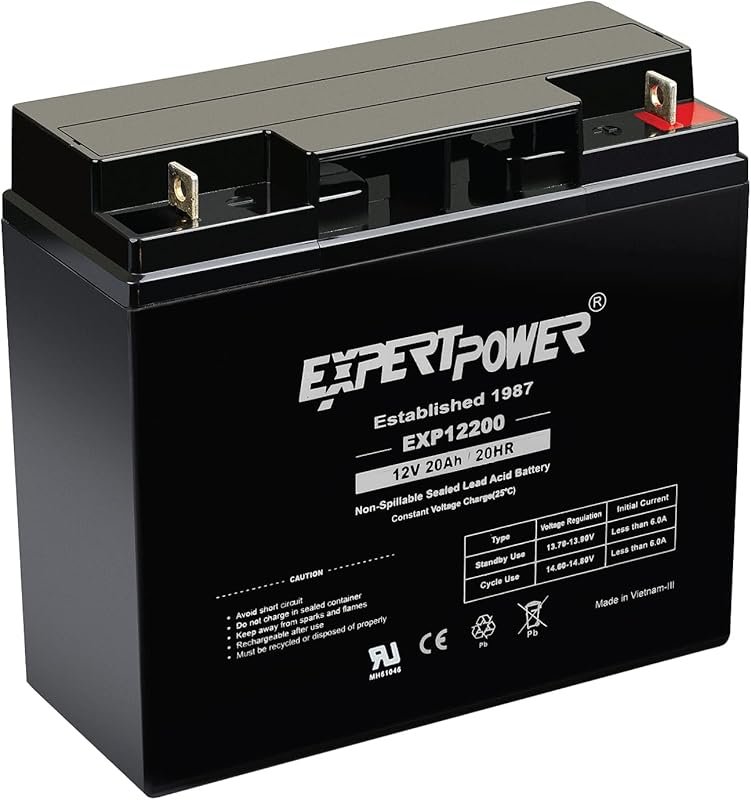
Car Battery Charger
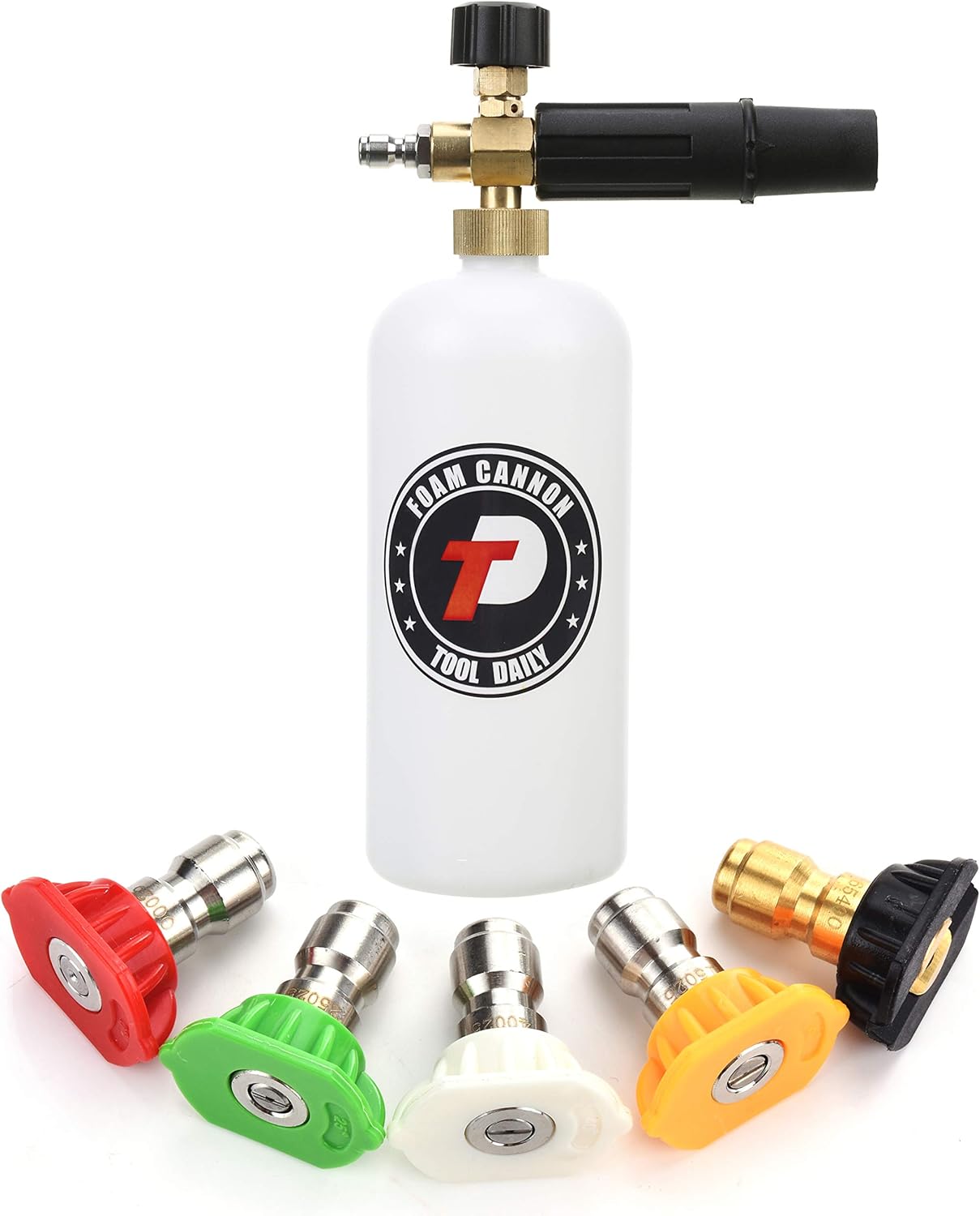
Foam Cannon
Leasing a Jeep Grand Cherokee typically costs between $350 and $650 per month, depending on the trim, location, and lease terms. With low down payments and warranty coverage, it’s a smart way to drive a luxury SUV without the long-term commitment.
[FEATURED_IMAGE_PLACEOLDER]
If you’ve been eyeing a rugged yet refined SUV that blends off-road capability with premium comfort, the Jeep Grand Cherokee is likely at the top of your list. Known for its powerful engine options, luxurious interiors, and advanced tech features, the Grand Cherokee has earned its reputation as one of the most versatile midsize SUVs on the market. But when it comes to ownership, many buyers are turning to leasing instead of buying—especially when they want to drive a new vehicle every few years without the hassle of long-term maintenance or depreciation worries.
So, how much is a Jeep Grand Cherokee lease? The short answer: it depends. But the good news is that leasing a Grand Cherokee is often more affordable than you might think—especially with current manufacturer incentives, low-interest financing, and competitive dealer offers. Whether you’re looking for the base Laredo model or the high-performance Trackhawk, understanding the factors that influence lease pricing can help you make a smart, budget-friendly decision.
In this guide, we’ll break down everything you need to know about leasing a Jeep Grand Cherokee—from average monthly payments and lease terms to hidden fees and negotiation tips. By the end, you’ll have a clear picture of what to expect and how to get the best deal possible.
Key Takeaways
- Monthly lease payments range from $350 to $650: The cost varies based on trim level, down payment, credit score, and dealership incentives.
- Lease terms are usually 24 to 36 months: Shorter leases have higher monthly payments but lower total cost, while longer leases offer lower monthly payments.
- Down payments can be as low as $0: Many dealers offer $0-down lease deals, though putting money down reduces monthly costs.
- Mileage limits affect your lease: Standard leases include 10,000 to 15,000 miles per year; exceeding this incurs extra fees.
- Credit score impacts lease rates: Higher credit scores qualify for lower money factors (interest rates), saving you money over the lease term.
- End-of-lease options include buying or returning: You can purchase the vehicle, lease a new one, or return it (with potential wear-and-tear charges).
- Shop around and negotiate: Comparing offers from multiple dealers and timing your lease during promotional periods can lead to better deals.
📑 Table of Contents
- Understanding Jeep Grand Cherokee Lease Pricing
- Current Jeep Grand Cherokee Lease Offers (2024)
- Factors That Influence Your Monthly Lease Payment
- Tips for Getting the Best Jeep Grand Cherokee Lease Deal
- End-of-Lease Options: What Happens When Your Lease Ends?
- Is Leasing a Jeep Grand Cherokee Right for You?
- Final Thoughts
Understanding Jeep Grand Cherokee Lease Pricing
When you lease a vehicle, you’re essentially paying for its depreciation during the time you drive it—plus interest, taxes, and fees. Unlike buying, where you own the car outright, leasing gives you the right to use it for a set period, typically 24 to 36 months. At the end of the lease, you return the vehicle (or buy it), and the process starts over.
For the Jeep Grand Cherokee, lease pricing is influenced by several key factors. The most important include the trim level, your credit score, the length of the lease, the down payment (also called a capitalized cost reduction), and current manufacturer incentives. Let’s take a closer look at how each of these plays a role.
Trim Level and MSRP
The Jeep Grand Cherokee comes in multiple trims, ranging from the budget-friendly Laredo to the ultra-luxurious Summit Reserve and the high-octane Trackhawk. Naturally, higher trims command higher lease payments. For example, leasing a base Laredo might cost around $350–$450 per month, while a fully loaded Summit or Trackhawk could push your monthly payment to $600 or more.
The Manufacturer’s Suggested Retail Price (MSRP) is the starting point for lease calculations. A higher MSRP means more depreciation over the lease term, which translates to higher monthly payments. However, Jeep often offers attractive lease deals on higher trims to move inventory, so don’t assume you can’t afford a premium model—just be sure to compare offers.
Lease Term and Mileage Allowance
Most Jeep Grand Cherokee leases run for 24, 30, or 36 months. Shorter leases (like 24 months) usually have higher monthly payments because you’re covering the depreciation in less time. However, they also mean lower total cost over the life of the lease and the flexibility to upgrade sooner.
Mileage limits are another critical factor. Standard leases include 10,000, 12,000, or 15,000 miles per year. If you drive more than that, you’ll pay an excess mileage fee—typically $0.15 to $0.25 per mile. For example, driving 18,000 miles in a year on a 12,000-mile lease would cost you an extra $900 at $0.15 per mile. If you know you’ll exceed the limit, consider paying a little more upfront for a higher mileage allowance to avoid surprise charges later.
Down Payment and Capitalized Cost
The down payment—also known as the capitalized cost reduction—directly affects your monthly lease payment. Putting more money down reduces the amount you’re financing, which lowers your monthly cost. For instance, a $3,000 down payment on a $50,000 vehicle reduces the capitalized cost to $47,000, resulting in lower payments.
That said, many dealers advertise “$0 down” lease deals to attract customers. While these can be appealing, they often come with higher monthly payments. It’s a trade-off: lower upfront cost vs. higher ongoing payments. If you can afford to put money down, it usually saves you money in the long run—especially if you plan to lease multiple vehicles over time.
Current Jeep Grand Cherokee Lease Offers (2024)

Visual guide about How Much Is a Jeep Grand Cherokee Lease?
Image source: adventurejeep.com
Jeep frequently runs promotional lease offers to boost sales, especially at the end of the model year or during holiday weekends. These deals can significantly reduce your monthly payment and make leasing a Grand Cherokee more affordable.
As of mid-2024, here are some typical lease offers you might find:
– **Jeep Grand Cherokee Laredo**: $399/month for 36 months with $3,999 due at signing (includes $2,500 down and first month’s payment). This equates to about $510 per month when averaged over the lease term.
– **Jeep Grand Cherokee Limited**: $479/month for 30 months with $4,499 due at signing. Average cost: ~$630/month.
– **Jeep Grand Cherokee Summit**: $599/month for 36 months with $5,999 due at signing. Average cost: ~$765/month.
– **Jeep Grand Cherokee 4xe (Plug-in Hybrid)**: $449/month for 36 months with $4,499 due at signing. Includes federal and state incentives that can reduce effective cost.
These offers often include incentives like $2,000–$4,000 in manufacturer cash, low money factors (equivalent to 0.5%–2.5% APR), and waived acquisition fees. However, availability varies by region and dealership, so it’s important to check local ads and Jeep’s official website.
How Incentives Affect Your Lease
Manufacturer incentives are a major driver of lease affordability. Jeep may offer “loyalty cash” for returning lessees, “conquest cash” for switching from a competitor’s brand, or “lease cash” that directly reduces your capitalized cost. These incentives can knock hundreds—or even thousands—off your total lease cost.
For example, a $3,000 lease cash incentive on a $50,000 vehicle reduces the amount you’re financing to $47,000. That could lower your monthly payment by $70–$90, depending on the lease term and money factor.
Keep in mind that not all incentives are stackable. Some dealers may only allow one or two types of cash offers per lease. Always ask your salesperson which incentives you qualify for and how they’ll be applied.
Regional Variations in Pricing
Lease pricing isn’t the same across the country. Dealers in high-demand areas like California, New York, or Texas may have tighter inventory and fewer discounts, leading to higher payments. In contrast, regions with more competition or lower demand might offer better deals to move vehicles.
Additionally, state taxes, registration fees, and environmental charges can affect your total lease cost. For example, a lease in California may include a $150 “smog fee” and higher sales tax, while a lease in Oregon (which has no sales tax) could be cheaper overall—even with a higher monthly payment.
Always ask for a full lease worksheet (also called a “dealership quote”) that breaks down all costs, including taxes, fees, and incentives. This transparency helps you compare offers apples-to-apples.
Factors That Influence Your Monthly Lease Payment

Visual guide about How Much Is a Jeep Grand Cherokee Lease?
Image source: cdn.imagin.studio
Now that you know the average range, let’s dive into the specifics that determine your exact monthly payment. Understanding these factors empowers you to negotiate better terms and avoid overpaying.
Credit Score and Money Factor
Your credit score plays a huge role in lease pricing. Lenders use a “money factor” (similar to an interest rate) to calculate the finance charge on your lease. A higher credit score qualifies you for a lower money factor, which reduces your monthly payment.
For example:
– Excellent credit (720+): Money factor of 0.00100 (≈2.4% APR)
– Good credit (660–719): Money factor of 0.00150 (≈3.6% APR)
– Fair credit (620–659): Money factor of 0.00200 (≈4.8% APR)
On a $45,000 lease over 36 months, a 0.00050 difference in money factor can save or cost you about $25 per month. Over three years, that’s $900—money you could use for gas, maintenance, or your next vacation.
If your credit isn’t perfect, consider improving it before leasing. Pay down credit card balances, correct errors on your credit report, and avoid new credit applications in the months leading up to your lease.
Residual Value and Depreciation
Residual value is the estimated worth of the vehicle at the end of the lease. It’s expressed as a percentage of the MSRP. For example, a Grand Cherokee with a 60% residual after 36 months means it’s expected to be worth 60% of its original price.
Higher residual values mean lower depreciation, which translates to lower lease payments. The Grand Cherokee typically holds its value well—especially the 4xe hybrid and higher trims—thanks to strong demand and limited supply.
However, residual values can vary by model year and market conditions. A 2024 Grand Cherokee might have a 62% residual, while a 2023 model could be at 58%. Always ask your dealer for the residual value on the specific vehicle you’re leasing—it’s a key number in the calculation.
Acquisition and Disposition Fees
These are fees charged by the leasing company (usually Jeep Financial Services) to set up and close your lease.
– **Acquisition fee**: Typically $695–$895, paid at the start of the lease. It covers administrative costs like credit checks and contract processing. Some dealers roll this into the capitalized cost, while others require it upfront.
– **Disposition fee**: Usually $395–$495, charged when you return the vehicle at the end of the lease. It covers inspection, reconditioning, and resale preparation.
While these fees are standard, some dealers may waive them as part of a promotion. Always ask if they can be reduced or eliminated—especially if you’re leasing multiple vehicles or have a strong relationship with the dealership.
Tips for Getting the Best Jeep Grand Cherokee Lease Deal

Visual guide about How Much Is a Jeep Grand Cherokee Lease?
Image source: fourpage-inbound.s3.amazonaws.com
Leasing doesn’t have to be confusing or expensive. With the right strategy, you can drive a Grand Cherokee for less than you’d pay for a used car. Here are some proven tips to help you save.
Time Your Lease Right
Timing is everything. Dealers are most motivated to move inventory at the end of the month, quarter, or model year. Look for lease deals in September and October, when 2025 models are arriving and 2024 stock needs to be cleared.
Holiday weekends like Memorial Day, July 4th, and Black Friday also bring special promotions. Jeep often runs “Lease Bonus Cash” or “Zero Due at Signing” offers during these periods.
Negotiate the Capitalized Cost
Just like when buying, you can negotiate the price of a leased vehicle. The capitalized cost is the amount you’re financing, so lowering it directly reduces your monthly payment.
Start by researching the invoice price (what the dealer paid) and any current incentives. Use tools like Edmunds, Kelley Blue Book, or TrueCar to find fair market values. Then, ask the dealer to match or beat online quotes from other dealerships.
Even if the advertised lease deal looks good, you may still have room to negotiate. For example, if the ad says “$399/month with $3,999 due at signing,” ask if they can reduce the down payment or lower the monthly cost by adjusting the capitalized cost.
Consider a Walk-Away Lease
A walk-away lease (also called a closed-end lease) is the most common type. It protects you from depreciation risk—meaning you don’t pay extra if the car is worth less than the residual value at the end of the lease.
This is ideal for most drivers who want predictable costs and the option to return the vehicle. Just be aware of wear-and-tear guidelines and mileage limits.
Read the Fine Print
Lease contracts are full of details that can trip you up. Pay close attention to:
– Excess wear-and-tear charges (e.g., dents, stains, tire wear)
– Early termination fees
– Gap insurance (usually included, but confirm)
– Maintenance requirements (some leases require you to follow the service schedule)
If anything is unclear, ask for clarification. A good dealer will explain everything in plain language.
End-of-Lease Options: What Happens When Your Lease Ends?
After 24, 30, or 36 months, your lease term comes to an end. At that point, you have three main options:
Return the Vehicle
The most common choice. You bring the Grand Cherokee back to the dealership, pay any excess mileage or wear-and-tear fees, and walk away. This is ideal if you want to lease a new model or switch brands.
Before returning, clean the car thoroughly and fix minor issues like burnt-out bulbs or scuffed wheels. Some dealers offer “wear-and-tear protection” plans that cover minor damage for a small monthly fee.
Buy the Vehicle
You can purchase the Grand Cherokee at its residual value. For example, if the MSRP was $55,000 and the residual is 60%, you can buy it for $33,000.
This makes sense if you’ve grown attached to the vehicle, plan to keep it long-term, or find that the residual price is below market value. Use tools like KBB or Edmunds to compare the buyout price to the car’s current market value.
Lease a New Jeep
Many lessees choose to lease a new Grand Cherokee—sometimes even the same model. Dealers often offer “loyalty incentives” to returning customers, such as reduced down payments or bonus cash.
This is a great way to stay current with the latest tech and safety features without the hassle of selling or trading in a vehicle.
Is Leasing a Jeep Grand Cherokee Right for You?
Leasing isn’t for everyone, but it’s a smart choice for many drivers. Here’s who benefits most:
– **You want a new vehicle every 2–3 years** and enjoy driving the latest models.
– **You drive a predictable number of miles** (under 15,000 per year).
– **You prefer lower monthly payments** compared to buying.
– **You want warranty coverage** for the entire lease term (most Grand Cherokees are covered by a 3-year/36,000-mile basic warranty and 5-year/60,000-mile powertrain warranty).
– **You don’t want to deal with long-term maintenance or resale**.
On the flip side, leasing may not be ideal if:
– You drive a lot of miles.
– You like to customize your vehicle.
– You plan to keep the car for 5+ years.
– You want to build equity.
Ultimately, the decision comes down to your lifestyle, budget, and priorities. If you value flexibility, lower payments, and peace of mind, leasing a Jeep Grand Cherokee could be a great fit.
Final Thoughts
So, how much is a Jeep Grand Cherokee lease? As we’ve seen, the answer isn’t one-size-fits-all. But with average monthly payments ranging from $350 to $650, leasing this iconic SUV is more accessible than many people realize.
By understanding the factors that influence lease pricing—trim level, credit score, down payment, incentives, and lease terms—you can make an informed decision and potentially save hundreds of dollars. Take the time to shop around, negotiate, and read the fine print. And don’t forget to time your lease during promotional periods for the best deals.
Whether you’re drawn to the rugged capability of the Laredo, the luxury of the Summit, or the eco-friendly efficiency of the 4xe, there’s a Grand Cherokee lease option that fits your needs. With the right approach, you can enjoy all the power, comfort, and style of this legendary SUV—without breaking the bank.
Frequently Asked Questions
How much is a Jeep Grand Cherokee lease per month?
A Jeep Grand Cherokee lease typically costs between $350 and $650 per month, depending on the trim, down payment, credit score, and current incentives. Higher trims like the Summit or Trackhawk will be on the higher end of that range.
Can I lease a Jeep Grand Cherokee with no money down?
Yes, many dealers offer $0-down lease deals on the Jeep Grand Cherokee. However, these often come with higher monthly payments. Putting money down can reduce your monthly cost and save you money over the lease term.
What is the typical lease term for a Jeep Grand Cherokee?
Most Jeep Grand Cherokee leases are for 24, 30, or 36 months. Shorter terms have higher monthly payments but lower total cost, while longer terms offer lower monthly payments but higher overall expense.
How many miles can I drive on a Jeep Grand Cherokee lease?
Standard mileage allowances are 10,000, 12,000, or 15,000 miles per year. Exceeding the limit results in excess mileage fees, usually $0.15 to $0.25 per mile. You can prepay for additional miles to avoid surprises.
Can I negotiate a Jeep Grand Cherokee lease?
Yes, you can negotiate the capitalized cost, down payment, and even fees like the acquisition charge. Research invoice prices and current incentives, and compare offers from multiple dealers to get the best deal.
What happens at the end of a Jeep Grand Cherokee lease?
At the end of the lease, you can return the vehicle (with possible wear-and-tear charges), buy it at the residual value, or lease a new Jeep. Be sure to review the lease agreement for specific terms and conditions.