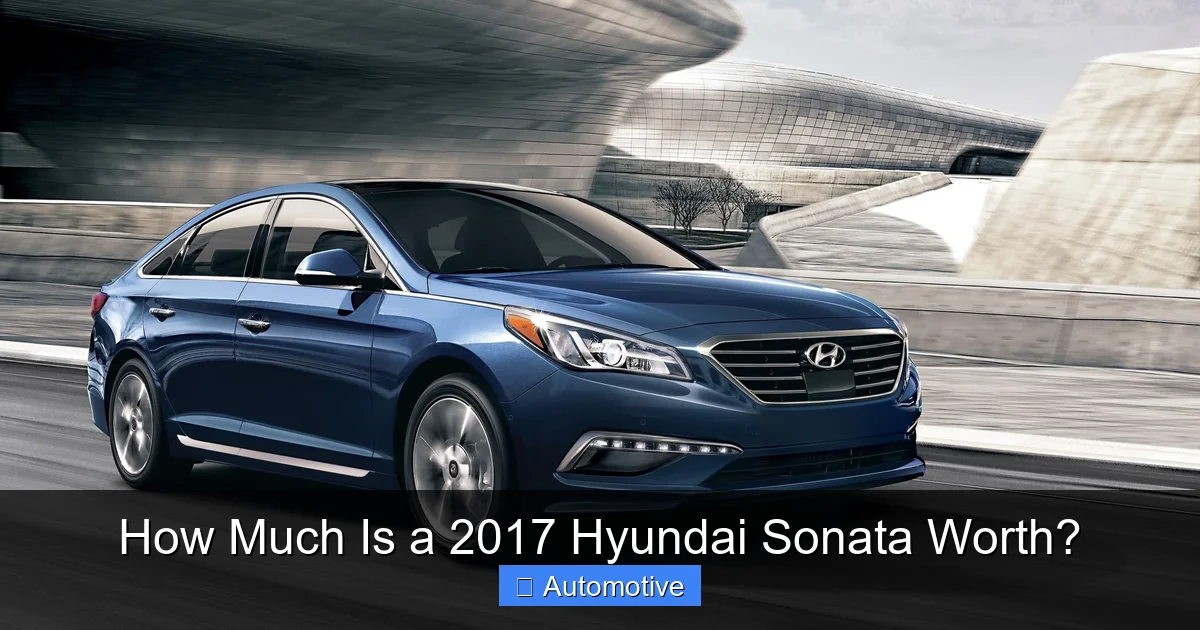
How Much Is a 2017 Hyundai Sonata Worth?

Contents
- 1 Key Takeaways
- 2 📑 Table of Contents
- 3 How Much Is a 2017 Hyundai Sonata Worth? A Complete Guide
- 4 Understanding the 2017 Hyundai Sonata’s Market Position
- 5 Factors That Affect the 2017 Sonata’s Value
- 6 How to Determine the Value of Your 2017 Sonata
- 7 Tips for Selling or Buying a 2017 Sonata
- 8 Conclusion: What’s Your 2017 Sonata Really Worth?
- 9 Frequently Asked Questions

Tire Shine Spray

Car Storage Net

Car Roof Rack Cross Bars

Car Ambient Light Kit
The 2017 Hyundai Sonata’s value ranges from $10,000 to $18,000 depending on trim, mileage, and condition. Factors like accident history, maintenance records, and regional demand also play a key role in pricing. This guide helps you understand what your Sonata is worth and how to get the best deal.
[FEATURED_IMAGE_PLACEHolder]
Key Takeaways
- Price Range: The 2017 Hyundai Sonata typically sells between $10,000 and $18,000, with higher trims and lower mileage commanding premium prices.
- Mileage Matters: Vehicles under 60,000 miles are more valuable; every 10,000 extra miles can reduce value by $1,000–$1,500.
- Trim Level Impact: The Limited and Sport 2.0T trims hold value better than the base SE due to added features and performance.
- Condition & History: Clean title, no accidents, and full service records can increase resale value by up to 15%.
- Market Trends: Used sedan demand has dipped slightly due to SUV popularity, but reliable models like the Sonata remain in steady demand.
- Geographic Variation: Prices vary by region—urban areas and mild climates often see higher values due to lower wear and tear.
- Selling Tips: Clean the car, fix minor issues, and use multiple pricing tools to get an accurate estimate before listing.
📑 Table of Contents
How Much Is a 2017 Hyundai Sonata Worth? A Complete Guide
If you’re thinking about selling your 2017 Hyundai Sonata—or maybe you’re in the market to buy one—you’re probably wondering: *How much is a 2017 Hyundai Sonata worth?* It’s a fair question, and one that doesn’t have a one-size-fits-all answer. The value of this popular midsize sedan depends on a mix of factors, including trim level, mileage, condition, location, and even the time of year you’re buying or selling.
The 2017 Hyundai Sonata was a standout in its class, offering a smooth ride, modern tech, and a spacious interior at a competitive price. It came in several trims—from the budget-friendly SE to the feature-packed Limited—and even offered a turbocharged engine option in the Sport 2.0T. Because of its reliability and strong safety ratings, the Sonata has held up well in the used car market. But like any vehicle, its worth today is influenced by real-world conditions and market dynamics.
In this guide, we’ll break down everything you need to know to determine the current value of a 2017 Hyundai Sonata. Whether you’re a seller looking to maximize your return or a buyer trying to avoid overpaying, this article will give you the tools and insights to make a smart decision. We’ll cover pricing trends, key value factors, regional differences, and practical tips for buying or selling. By the end, you’ll have a clear picture of what your Sonata is really worth—and how to get the best deal.
Understanding the 2017 Hyundai Sonata’s Market Position

Visual guide about How Much Is a 2017 Hyundai Sonata Worth?
Image source: platform.cstatic-images.com
To accurately assess how much a 2017 Hyundai Sonata is worth, it helps to understand where this car stands in the used vehicle landscape. When it was new, the Sonata competed directly with the Toyota Camry, Honda Accord, and Nissan Altima. It stood out for its bold styling, generous warranty, and long list of standard features—even on base models.
Today, the 2017 model is six to seven years old, which places it firmly in the “certified pre-owned” or “late-model used” category. This is a sweet spot for many buyers: the car has depreciated significantly from its original price (typically $22,000–$30,000), but it still has plenty of life left—especially if it’s been well maintained. Hyundai’s reputation for reliability, backed by a 10-year/100,000-mile powertrain warranty (for original owners), adds to its appeal.
However, the used car market has shifted in recent years. SUVs and crossovers now dominate sales, and sedans like the Sonata face stiffer competition for buyer attention. That doesn’t mean the Sonata is obsolete—far from it. Many drivers still prefer sedans for their fuel efficiency, lower center of gravity, and easier handling. The Sonata, in particular, offers a comfortable ride and a quiet cabin, making it a great choice for commuters and families.
Another factor influencing its value is Hyundai’s brand perception. While Hyundai has made huge strides in quality and design over the past decade, some buyers still associate it with lower-cost, no-frills vehicles. This can slightly depress resale values compared to Toyota or Honda equivalents—even when the Sonata offers similar or better features. That said, savvy buyers recognize the value proposition: you often get more car for your money with a Hyundai.
Trim Levels and Their Impact on Value
One of the biggest factors affecting how much a 2017 Hyundai Sonata is worth is the trim level. The 2017 model year offered six main trims: SE, Eco, Sport, Sport 2.0T, Limited, and Limited 2.0T. Each trim comes with different features, engine options, and price points—both when new and in the used market.
The base SE trim is the most affordable, both new and used. It comes with a 2.4-liter four-cylinder engine (185 horsepower), a six-speed automatic transmission, and standard features like a 7-inch touchscreen, Bluetooth, and a rearview camera. In today’s market, a clean, low-mileage SE might fetch $11,000–$13,000, while higher-mileage examples could drop below $10,000.
The Eco trim swaps the 2.4L engine for a 1.6-liter turbocharged four-cylinder (178 horsepower) paired with a seven-speed dual-clutch transmission. It’s designed for better fuel economy (up to 30 mpg combined), which appeals to budget-conscious buyers. Eco models typically sell for $12,000–$14,500, depending on mileage and condition.
The Sport and Sport 2.0T trims add sport-tuned suspension, larger wheels, and more aggressive styling. The Sport 2.0T features a 2.0-liter turbocharged engine (245 horsepower), making it the performance leader of the lineup. These trins are popular with drivers who want a bit more excitement without stepping into luxury brands. Expect to pay $14,000–$16,500 for a well-kept Sport 2.0T.
At the top of the range, the Limited and Limited 2.0T trims offer luxury-level features like leather seats, heated and ventilated front seats, a premium audio system, dual-zone climate control, and advanced safety tech (including blind-spot monitoring and rear cross-traffic alert). These models hold their value best, often selling for $15,000–$18,000 or more if they’re low-mileage and in excellent condition.
Engine Options and Performance
The 2017 Sonata offered three engine choices, each appealing to different types of drivers. Understanding these options helps explain why certain trims command higher prices.
The standard 2.4-liter four-cylinder engine is reliable and efficient, delivering 185 horsepower and 178 lb-ft of torque. It’s paired with a six-speed automatic transmission and offers a smooth, predictable driving experience. This engine is found in the SE, Sport, and Limited trims (non-turbo versions). It’s not thrilling, but it’s more than adequate for daily commuting and highway driving.
The 1.6-liter turbocharged engine in the Eco trim is smaller but more efficient, producing 178 horsepower and 195 lb-ft of torque. Thanks to its turbocharger, it feels peppier than the 2.4L in real-world driving, especially at low speeds. Fuel economy is a strong selling point: up to 28 mpg city and 38 mpg highway. This makes the Eco a smart choice for drivers who prioritize savings at the pump.
The 2.0-liter turbocharged engine, available in the Sport 2.0T and Limited 2.0T, is the performance star of the lineup. With 245 horsepower and 260 lb-ft of torque, it delivers strong acceleration and a more engaging drive. It’s paired with a six-speed automatic and includes paddle shifters for manual control. While it uses more fuel (22 mpg city / 32 mpg highway), it’s a great option for drivers who want a sportier feel without paying luxury-car prices.
When evaluating value, the 2.0T engine adds a premium—typically $1,500–$2,500 more than a comparable non-turbo model. However, turbocharged engines may require more maintenance over time, so buyers should check service records carefully.
Factors That Affect the 2017 Sonata’s Value
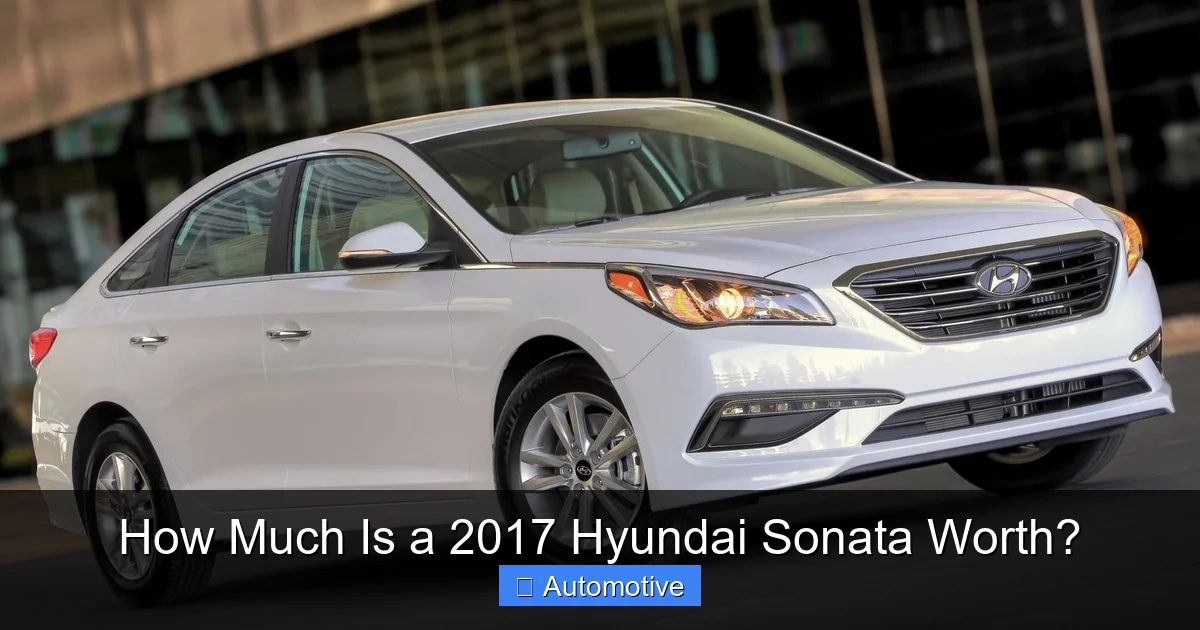
Visual guide about How Much Is a 2017 Hyundai Sonata Worth?
Image source: autodetective.com
Now that we’ve covered the basics, let’s dive into the key factors that determine how much a 2017 Hyundai Sonata is worth. These aren’t just theoretical—they directly impact what buyers are willing to pay and what sellers can realistically ask.
Mileage: The Single Biggest Depreciation Factor
Mileage is one of the most straightforward indicators of a car’s value. The average driver puts about 12,000 to 15,000 miles on a vehicle each year. So, a 2017 Sonata with 70,000 miles is right around the national average for its age. But every mile matters.
As a general rule, every 10,000 miles over 60,000 can reduce a car’s value by $1,000 to $1,500. For example:
– A Sonata with 50,000 miles might be worth $16,000.
– One with 70,000 miles could drop to $14,000.
– At 90,000 miles, the value might fall to $12,000 or less.
Low-mileage examples—under 40,000 miles—are rare and highly desirable. These “garage queens” often sell at a significant premium, sometimes 20–25% more than average-mileage models. Conversely, high-mileage Sonatas (over 100,000 miles) may still be reliable, but they’ll attract lower offers unless they have exceptional maintenance records.
Vehicle Condition and Maintenance History
A car’s physical and mechanical condition plays a huge role in its value. A Sonata that’s been babied—regular oil changes, no accidents, clean interior—will always be worth more than one that’s been neglected.
Buyers look for signs of wear: scratches, dents, upholstery stains, or warning lights on the dashboard. Even small issues like a cracked windshield or worn tires can lower the perceived value. On the flip side, a well-documented service history—especially if it includes major services like timing belt replacement or transmission fluid changes—can boost confidence and justify a higher price.
One common issue with the 2017 Sonata is the potential for engine problems. Some owners reported issues with the 2.4-liter engine, including excessive oil consumption and premature wear. Hyundai issued technical service bulletins (TSBs) and extended warranties for certain components, but these problems can still scare off buyers. If you’re selling, be upfront about any known issues—and provide repair documentation if they’ve been fixed.
Accident History and Title Status
A clean title is essential for maximizing value. A Sonata with a salvage or rebuilt title—meaning it was declared a total loss by an insurance company—can be worth 20–40% less than a clean-title equivalent. Even a minor accident that required bodywork can raise red flags if not properly disclosed.
Always check the vehicle history report (using services like Carfax or AutoCheck) before buying or selling. These reports show accidents, flood damage, odometer rollbacks, and previous ownership. A clean report builds trust and supports a higher asking price.
Geographic Location and Market Demand
Where you live affects how much a 2017 Hyundai Sonata is worth. In urban areas with high traffic and parking challenges, sedans like the Sonata are practical and popular. In rural areas, trucks and SUVs may dominate, reducing demand for sedans.
Climate also plays a role. Cars from the Sun Belt (Arizona, Texas, Florida) often have less rust and corrosion than those from snowy regions where road salt is used. A Sonata from Phoenix might be worth more than an identical one from Minnesota, even with the same mileage.
Additionally, local inventory levels matter. If there are few 2017 Sonatas for sale in your area, you might be able to ask a higher price. Conversely, if the market is flooded, you’ll need to price competitively to sell quickly.
Seasonal Trends
Believe it or not, the time of year can influence used car prices. Convertibles and sports cars tend to sell for more in spring and summer, while SUVs and trucks peak in fall and winter. For sedans like the Sonata, demand is relatively steady, but there’s a slight uptick in spring as people prepare for summer road trips.
Selling in spring or early summer can help you get a better price, especially if your car is clean, well-maintained, and ready to drive. Winter sales may take longer, but you might find fewer competing listings.
How to Determine the Value of Your 2017 Sonata
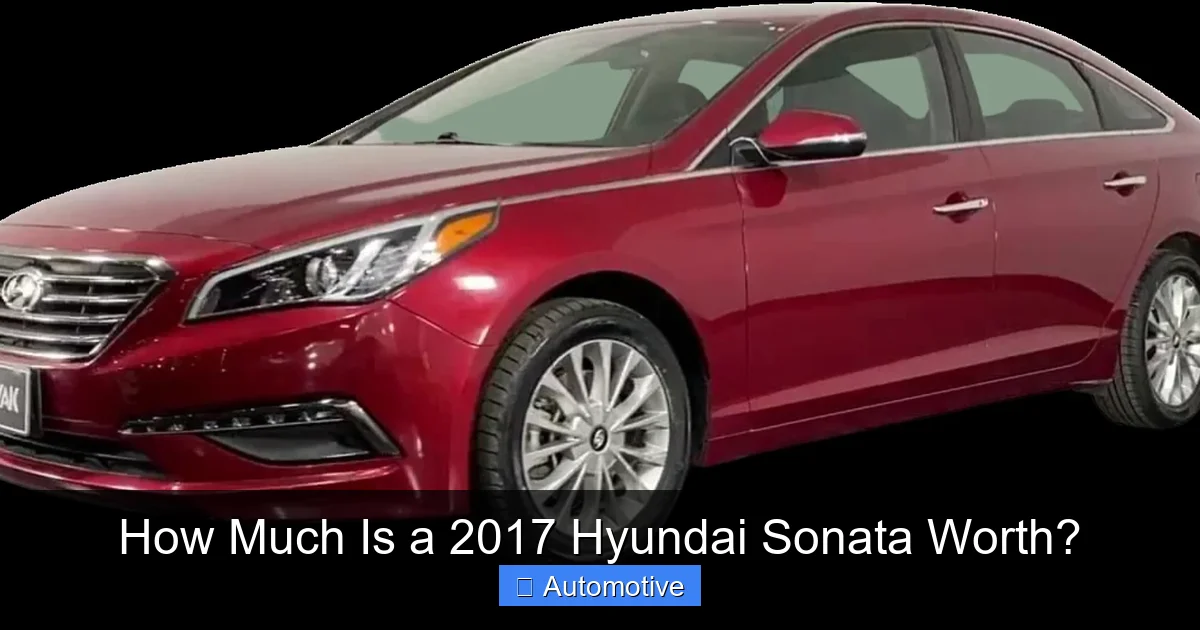
Visual guide about How Much Is a 2017 Hyundai Sonata Worth?
Image source: images.kavak.services
So, how do you actually figure out how much your 2017 Hyundai Sonata is worth? The good news is, you don’t have to guess. Several trusted tools and methods can give you a reliable estimate.
Use Online Valuation Tools
Start with reputable pricing websites like Kelley Blue Book (KBB), Edmunds, and NADA Guides. These platforms use real sales data, market trends, and vehicle specifics to generate a value range.
Here’s how to use them effectively:
1. Enter your car’s VIN or manually input details (year, make, model, trim, mileage).
2. Select the condition (Excellent, Good, Fair, Poor).
3. Choose your region or ZIP code.
4. Review the suggested retail, private party, and trade-in values.
For example, a 2017 Sonata Limited with 60,000 miles in “Good” condition might show:
– Trade-in value: $13,200
– Private party sale: $15,500
– Dealer retail: $17,000
Keep in mind that these are estimates. Actual sale prices can vary based on negotiation, urgency, and local demand.
Check Recent Sales Data
One of the best ways to gauge value is to see what similar Sonatas have actually sold for. Websites like Autotrader, Cars.com, and even Facebook Marketplace let you filter by year, model, trim, mileage, and location.
Look for listings that are “sold” or “pending” to get a sense of real-world prices. Avoid using active listings alone—some sellers overprice their cars hoping to catch an uninformed buyer.
For instance, if you see three 2017 Sonata Sport 2.0Ts with 65,000–70,000 miles selling for $14,800, $15,200, and $15,500 in your area, you can reasonably price yours around $15,000.
Get a Professional Appraisal
If you’re selling to a dealership or trading in your car, the dealer will appraise it on the spot. While convenient, these offers are often lower than private sale prices—dealers need to make a profit when they resell.
For a more accurate assessment, consider getting an independent appraisal from a certified mechanic or used car expert. They’ll inspect the car thoroughly and provide a detailed report, which can strengthen your negotiating position.
Adjust for Upgrades and Extras
If your Sonata has aftermarket upgrades—like a premium sound system, alloy wheels, or a dash cam—you can mention them when selling. However, don’t expect to recoup the full cost. Most buyers value factory features more than add-ons.
On the other hand, if your car has desirable factory options (like the Limited trim’s panoramic sunroof or adaptive cruise control), highlight them in your listing. These features can justify a higher price.
Tips for Selling or Buying a 2017 Sonata
Whether you’re selling or buying, a little preparation goes a long way. Here are some practical tips to help you get the best deal.
For Sellers: Maximize Your Return
1. **Clean the Car Thoroughly:** A professional detail can cost $100–$200 but can increase your sale price by $500 or more. Wash the exterior, vacuum the interior, and clean the engine bay.
2. **Fix Minor Issues:** Replace burnt-out bulbs, fix small dents, and top off fluids. These small investments show buyers the car has been cared for.
3. **Gather Documentation:** Have your service records, owner’s manual, and warranty info ready. A well-documented history builds trust.
4. **Price Competitively:** Use valuation tools to set a fair price. Overpricing can scare off buyers; underpricing leaves money on the table.
5. **Advertise Effectively:** Use high-quality photos, write a detailed description, and list on multiple platforms (Craigslist, Autotrader, Facebook Marketplace).
For Buyers: Avoid Overpaying
1. **Set a Budget:** Include taxes, registration, and potential repairs. Stick to it.
2. **Inspect the Car:** Take it to a trusted mechanic for a pre-purchase inspection. This can uncover hidden issues.
3. **Negotiate Smartly:** Use comparable sales data to justify your offer. Don’t be afraid to walk away if the price is too high.
4. **Check the Warranty:** If the original owner transferred the warranty, you might still have coverage on the powertrain.
5. **Consider Certified Pre-Owned (CPO):** Some Hyundai dealers offer CPO Sonatas with extended warranties and rigorous inspections—worth considering for peace of mind.
Conclusion: What’s Your 2017 Sonata Really Worth?
So, how much is a 2017 Hyundai Sonata worth? The short answer: it depends. But with the right information, you can make a confident estimate.
On average, expect to see prices between $10,000 and $18,000, with most models falling in the $12,000–$16,000 range. Higher trims, lower mileage, and excellent condition push values toward the top end. Conversely, high mileage, accident history, or poor maintenance will drag prices down.
The 2017 Sonata remains a solid choice in the used car market—offering reliability, comfort, and value. While it may not have the brand cachet of a Toyota or Honda, it often delivers more features for the money. Whether you’re selling or buying, understanding the factors that influence value will help you make a smart, informed decision.
Take the time to research, inspect, and compare. And remember: the best deal isn’t always the cheapest one—it’s the one that gives you the most value for your money.
Frequently Asked Questions
What is the average price of a 2017 Hyundai Sonata?
The average price of a 2017 Hyundai Sonata ranges from $12,000 to $16,000, depending on trim, mileage, and condition. Lower-mileage Limited or Sport 2.0T models can exceed $17,000, while high-mileage SE trims may sell for under $11,000.
Does the 2017 Sonata have any known problems?
Some 2017 Sonata owners reported engine issues, including excessive oil consumption and premature wear, particularly with the 2.4-liter engine. Hyundai issued technical service bulletins and extended warranties for affected components, so check service records carefully.
Is the 2017 Hyundai Sonata a reliable car?
Yes, the 2017 Sonata is generally considered reliable, especially with proper maintenance. It earned strong safety ratings and benefits from Hyundai’s 10-year/100,000-mile powertrain warranty for original owners.
How much does mileage affect the value of a 2017 Sonata?
Mileage has a significant impact—every 10,000 miles over 60,000 can reduce value by $1,000 to $1,500. A Sonata with 50,000 miles may be worth $2,000–$3,000 more than one with 80,000 miles, all else being equal.
Should I buy a 2017 Sonata with high mileage?
It depends on the vehicle’s condition and maintenance history. A well-maintained Sonata with 90,000–100,000 miles can still be a good buy, especially if it’s priced fairly and has no major issues.
Can I still get a warranty on a used 2017 Sonata?
If the original owner transferred the factory warranty, you may still have coverage on the powertrain. Some dealers also offer certified pre-owned (CPO) programs with extended warranties and inspections.